Here is my conclusion up front: oms order splitting rules are not a settings page. They are a business decision about money. Every extra parcel means another first-kilogram charge, another label, another pick, and another confused customer asking why one checkout arrived in two boxes. Splitting is sometimes the right call. Splitting by default is just burning margin quietly.
I have spent twenty years watching companies buy a capable OMS and then leave the split logic on factory defaults. That is letting software make your operating decisions for you.
What oms order splitting rules actually split on
In practice, four triggers cause almost every split. Knowing which one fired tells you whether the split was necessary or lazy.
First, warehouse. The nearest site has part of the order, another site has the rest, so the system ships from both. This is the most common trigger and the easiest to abuse, especially with a rule like "ship whatever is available, wherever it is."
Second, product category. Oversized items, hazmat, food mixed with chemicals — some combinations simply cannot share a carton or a carrier. This split is a hard constraint. Write it clearly and stop debating it.
Third, temperature zone. Ambient, chilled, and frozen need different packaging and often different services. In grocery and pharma, this split protects the product. Get it wrong and you lose the whole order.
Fourth, speed. Part of the order is ready, part is a pre-order or needs preparation. The system ships what is ready to protect the delivery promise. This is a trade-off, not a rule of nature.
Only the first and fourth triggers involve real choice. The second and third are physics and compliance. Most waste hides in the first one.
Two messes I was called in to clean up
In the summer of 2023, I worked with a home-goods seller near Hangzhou running a mid-sized warehouse by daily order volume. Their split rate sat stubbornly high, around a third of orders by their own review. I spent two days on the floor and found the problem was not the warehouse at all. The OMS favored the nearest site and split freely. If the main site was short one small accessory, a second site shipped that accessory alone in its own parcel. Finance later showed the pattern clearly: a steady stream of tiny cross-site parcels, each carrying a full first-weight charge for an item worth very little. We changed one rule: small items would transfer between sites and ship together when the transfer time was acceptable, instead of shipping direct from the far site. The split rate fell that same month, and complaints did not rise.
A year later in Zhengzhou, a snack brand had the opposite design flaw. Their oms order splitting rules split by supplier. One customer order containing goods from three suppliers left from three places. Customers received three parcels and left reviews saying the shipment was chaotic. Nothing in the food itself required separate boxes. The system was splitting for its own convenience. We removed supplier as a split dimension, added a consolidation step after goods arrived at the fulfillment site, and watched inquiries and returns ease noticeably.
The lesson in both cases is identical: split logic is commercial logic. If nobody owns it, the default owns it.
The freight math nobody does
Run this simple comparison with your own carrier rates before you argue about policy. I keep the numbers as a framework because every contract is different — fill in your rates and the answer appears.
| Factor | One consolidated parcel | Split into two parcels |
|---|---|---|
| Freight structure | One first-weight charge plus continuation | Two first-weight charges, usually higher total |
| Packaging | One carton and one set of fill | Two cartons, double handling materials |
| Warehouse work | One pick, one pack, one outbound scan | Two picks or cross-site work, two packs |
| Labels and waves | One wave, one label | Often two waves, two labels, more error risk |
| Customer experience | One delivery, clean | Staggered arrival, more "missing item" contacts |
What splitting buys you is time. What it costs is cash and labor. If waiting a day allows consolidation and the customer has not paid for speed, why pay a second first-weight charge to save that day? If the goods are fresh and will spoil, split without hesitation. The trade-off is the whole decision.
My rule of thumb has three checks: Is a physical or compliance constraint forcing the split? Is a delivery promise at risk if you wait? Does the extra freight eat so much margin that a short, honest delay message is cheaper? Answer those honestly and most split arguments end.
Why the warehouse pays for OMS decisions
Executives watch the OMS screen. The warehouse lives with the consequences.
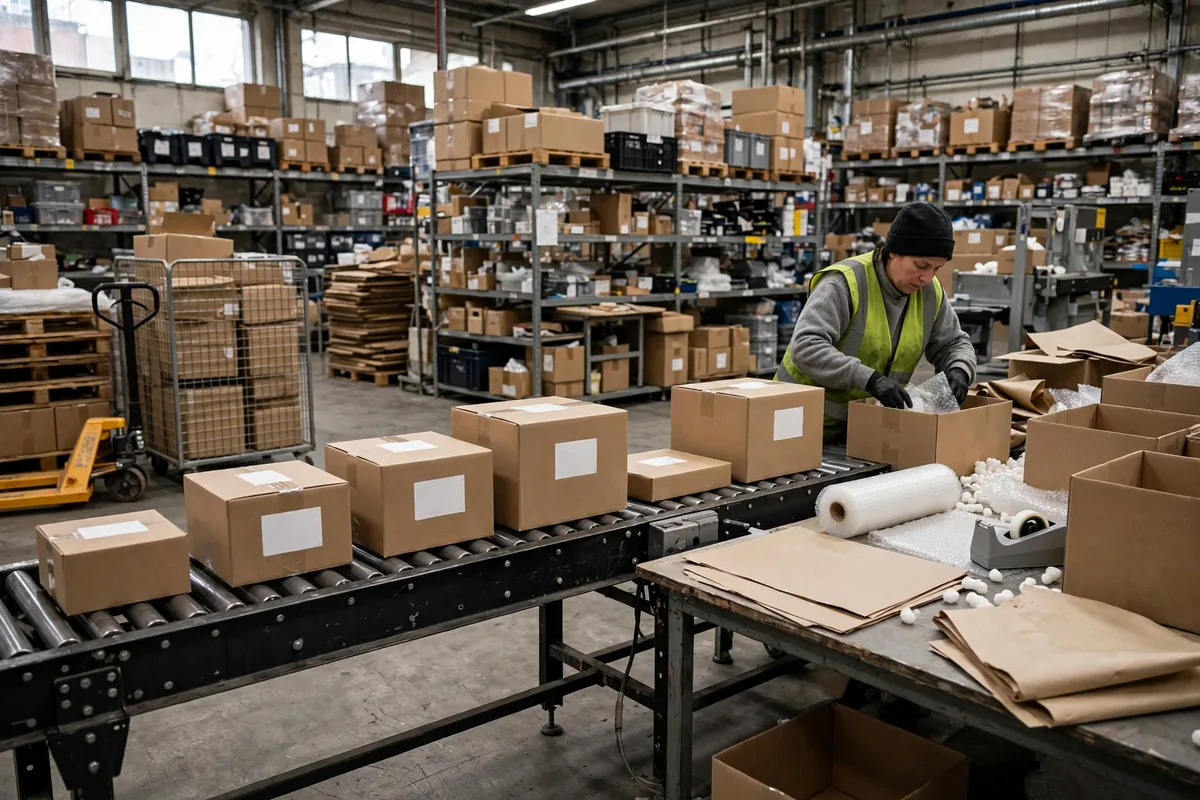
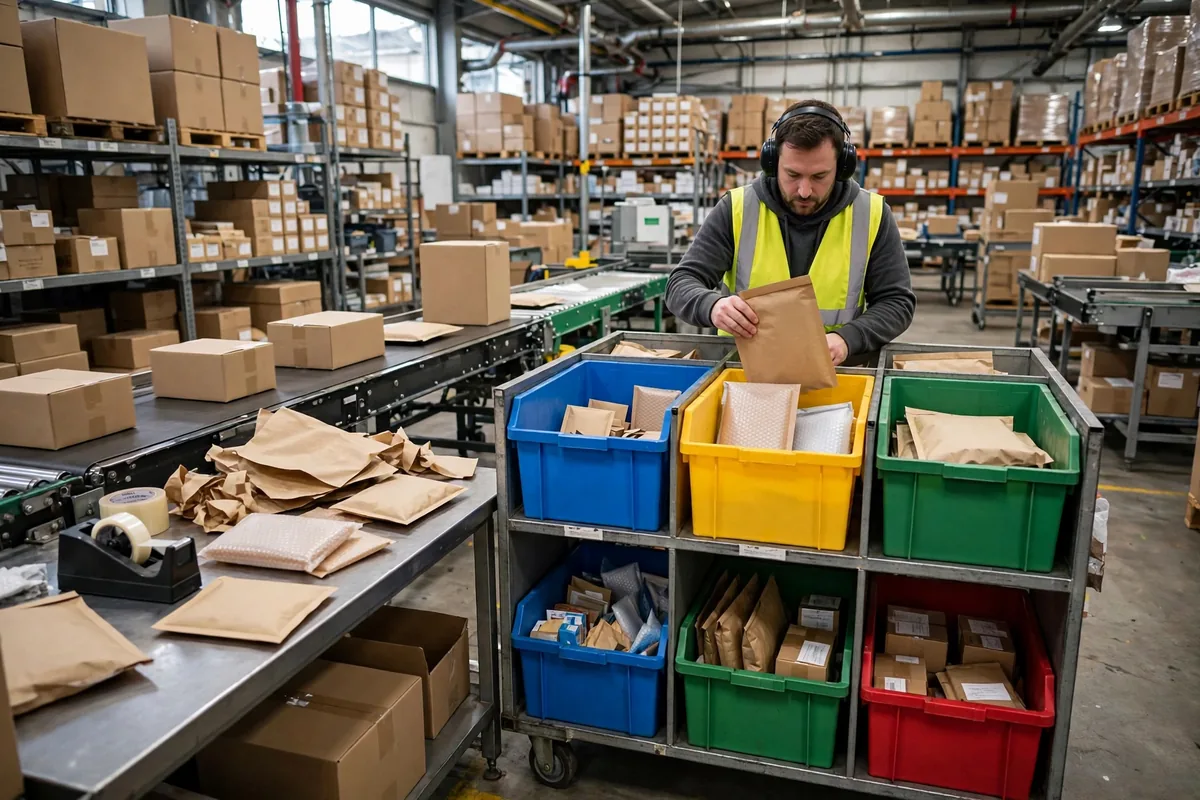
A split order can fall into two different waves. Two pickers hunt for the same customer's goods in two zones, and the pack bench has to reconcile what belongs together. If wave strategy ignores split logic, supervisors spend the day firefighting.
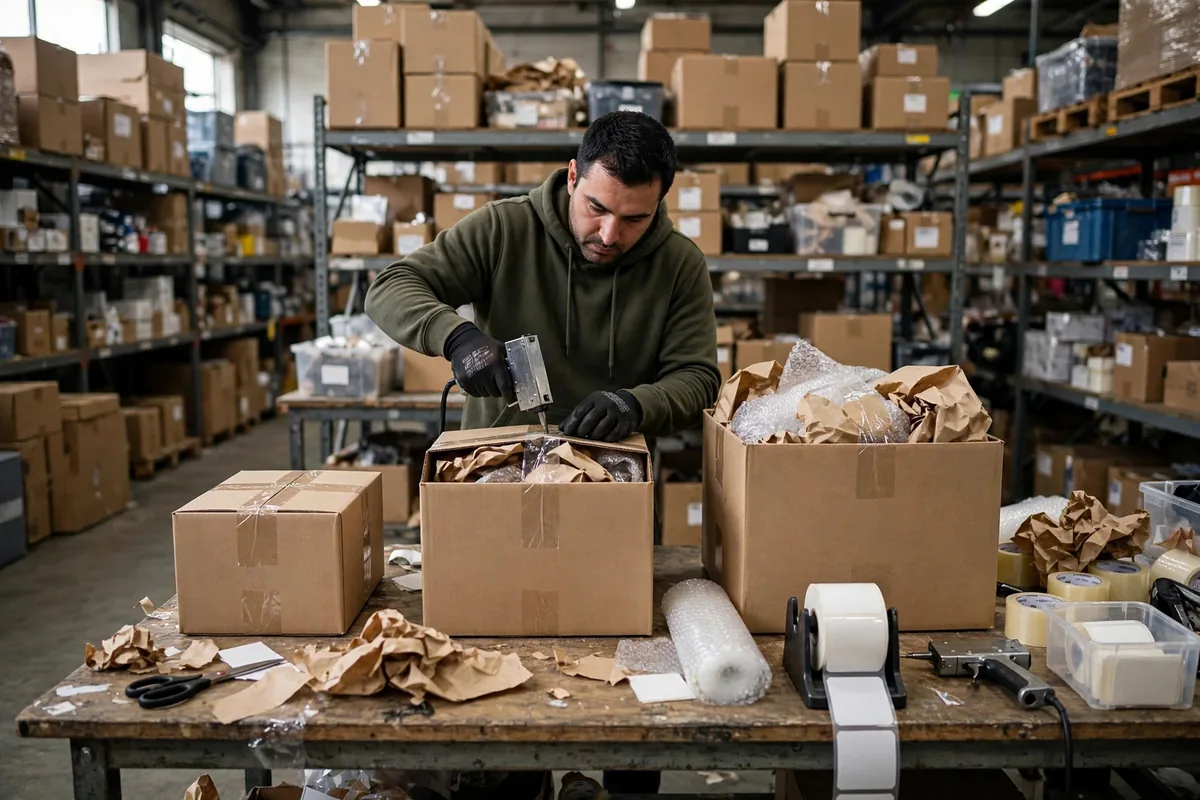
Labels are the next trap. Each child order prints its own label. Without a clear on-screen note that this parent order has two parcels, packers misread a correct split as a missing label, or consolidate what should stay apart.
Inventory locking is the quietest risk. The moment an order splits, two sites lock stock. If one site's stock exists only on paper, the other site may already have packed and shipped. You are left with half an order gone and no clean way back. "Available in the system" is not the same as "sitting on the shelf," and split rules that forget this create the ugliest exceptions.
Partial shipment when stock is short
This is where judgment matters most. I use three buckets.
Wait when you can. If the missing item arrives within a short window and the order is not expedited, hold the order, ship it whole, and send the customer a proactive notice. That message builds more trust than a surprise second parcel.
Ship the usable part. If the available items can be used on their own — the staple goods, the urgently needed piece — ship them and back-order the rest. If the available part is useless alone, like a machine without its required accessory, shipping it early helps nobody.
Never split sets. Gift sets, matched kits, and equipment that must be accepted as a whole should stay whole. A partial delivery the customer cannot use is not service; it is risk shipped twice.
Underneath all three buckets is one question: when the customer opens the first box, will they feel helped or annoyed? If you cannot answer, do not split.
A priority list you can copy
Here is the order of precedence I install for clients, highest first. Once a higher rule decides, lower rules do not override it.
- Compliance and safety first: hazmat, temperature, and oversize force a split, always.
- Delivery promise second: expedited and platform-measured orders may ship partial to protect the promise.
- Same site, same temperature defaults to consolidation. Do not ship small items direct from a far site.
- Cross-site handling: prefer transfer and consolidate; split across sites only when transfer time breaks the promise, and set a minimum value or weight so trivial items never travel alone.
- Shortage policy: decide partial shipment by whether the available part is independently usable; sets always wait.
- Supplier is not a default split dimension. Consolidate on arrival, then ship.
Put these into your OMS, then review them with warehouse and customer service together before go-live. After that, track split rate and freight cost per order side by side every week. If both fall and complaints stay flat, your rules are working. If complaints about speed climb, you consolidated too far — loosen one notch, not ten.
Plenty of systems can split an order. Very few companies can explain why theirs split the way they did yesterday. Can you?
By Lao Mi, Supply Chain Veteran (20 yrs)