Deal groups love to hype you up. "This drop is gonna print money, don't miss it!" Yeah, sure. Then the traffic hits, your warehouse can't ship, orders pile up, and suddenly you're the one eating the refunds and the one-star reviews.
I've run offsite deals for five years. Traffic is the easy part. Getting the inventory rhythm right behind it — that's where the money actually lives or dies.
I Once Let a Deal Run With a Bare Shelf Behind It
November 2025, Black Friday week. I had a kitchen gadget doing a steady 70 - 90 units a day on FBA. A deal-site group with about 300k followers offered me a slot: 30% off coupon stacked with a lightning-style promo, front-page placement for two days.
I said yes without doing the math on inventory. I had roughly 4,000 units at FBA, which I told myself was "plenty" — about three weeks of normal sales.
The deal went live at 9am. By noon I was at 1,100 orders. By the second evening, FBA showed 214 units left. On day three I went out of stock at 2pm.
Here's the damage, and I tracked every number because it hurt: five days out of stock. My listing dropped from page one to page four for its main keyword. Conversion rate went from around 17% before the deal to about 11% after I restocked, because the algorithm had moved on and competitors had eaten my spot. It took six weeks of PPC to climb back, and my ad spend that month was roughly double the normal level for the same revenue.
The deal itself made money on paper. The aftermath ate it all and then some.
Then I Built a System That Actually Works
July 2026, summer promo season. Same category, different product — a silicone storage set. I booked two deal groups, staggered two days apart, and this time I ran the inventory side like a separate project.
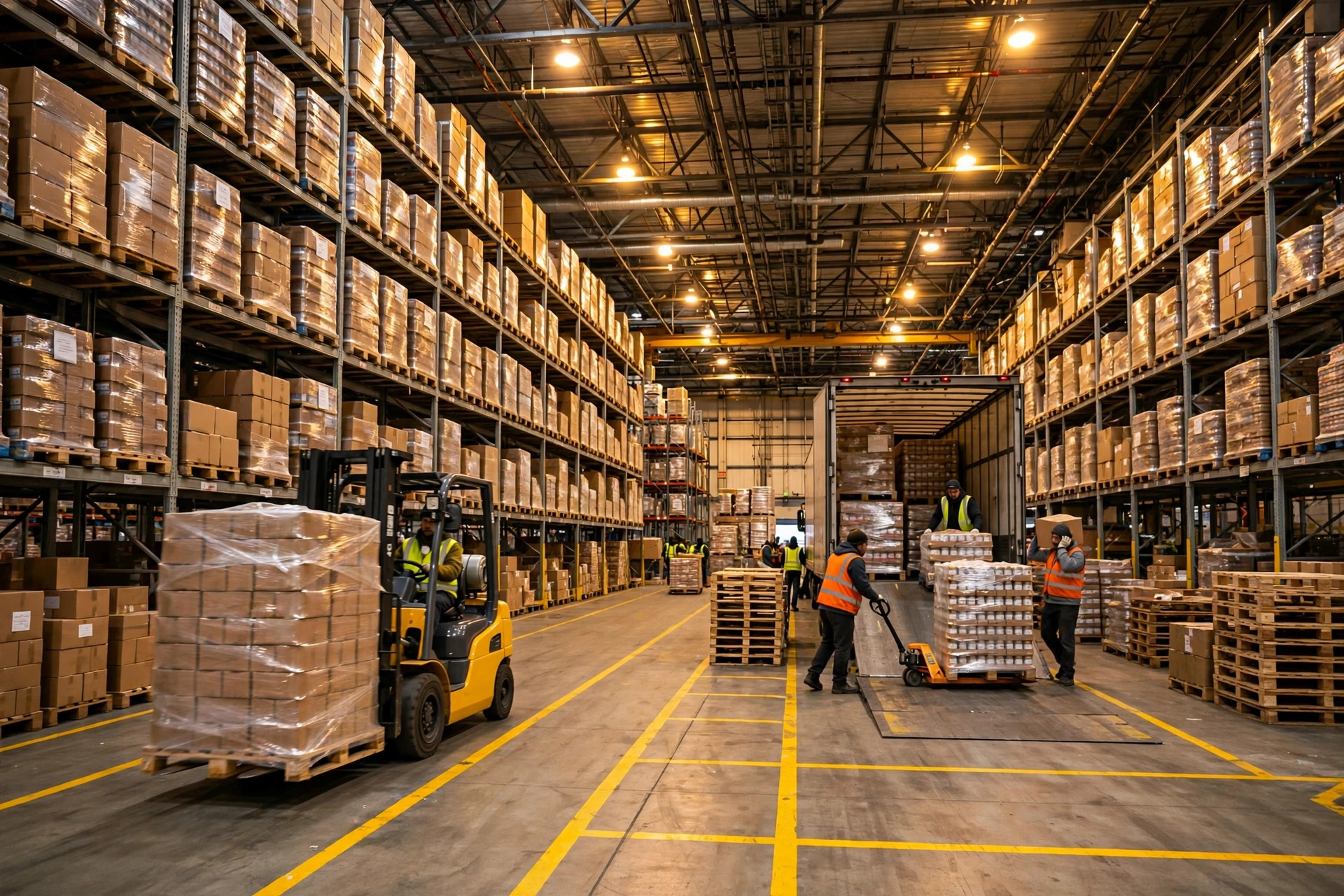
I split stock: 60% to FBA, 40% to a 3PL warehouse in Ontario, California. The deal price was set so the 3PL's per-order pick-pack cost still left me margin after the discount — I ran that math before I agreed to anything, not after.
Plan vs. reality: I projected daily orders would jump from a baseline of about 120 to around 700 - 800 for three days. Actual numbers: 690, 810, 640. Total 2,140 orders in three days versus 360 in a normal stretch. Zero stockouts, zero late shipments, FBA never dipped below 35% of my reserve.

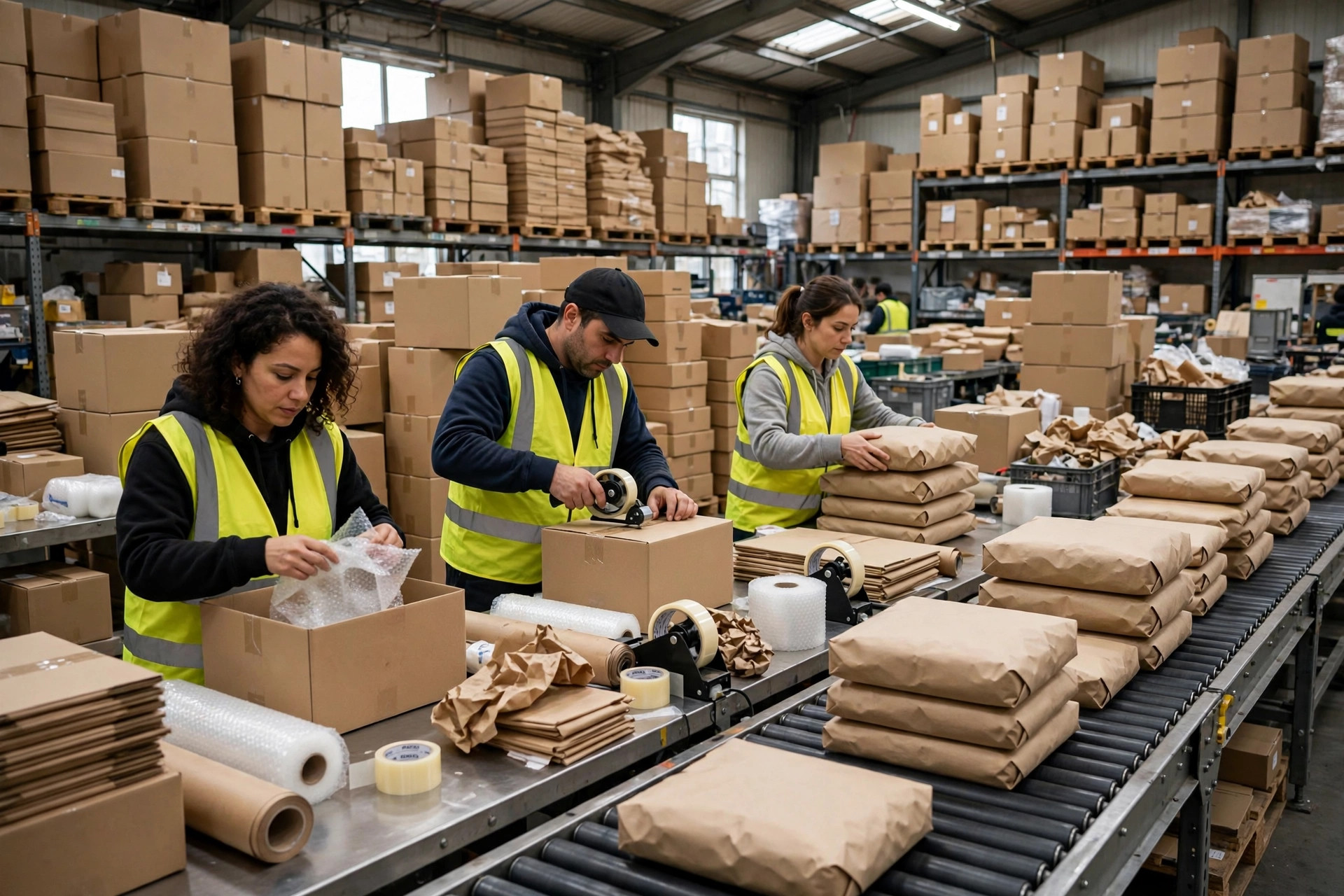
The 3PL processed 40% of the orders and their cutoff was 2pm Pacific, which covered the entire deal window. FBA handled the rest. Refund rate stayed flat because nothing shipped late.
My Three-Tier Deal Rhythm
I don't eyeball it anymore. Every deal gets classified before I say yes:
| Deal tier | Expected daily multiple | Inventory rule | Where the buffer sits |
|---|---|---|---|
| Light push (single group, 10 - 15% off) | 2 - 3x baseline | 15 days of baseline sales | FBA alone is fine |
| Standard push (2 - 3 groups, 20 - 30% off) | 4 - 6x baseline | 10 days at deal pace, split FBA + 3PL | 3PL holds the overflow |
| Full blast (front page, 30%+ off, multi-day) | 6 - 10x baseline | 7 days at deal pace, FBA 60% + 3PL 40% | 3PL with same-day cutoff |
The key row is the middle one. Most sellers either understock for a light push or overstock for a full blast. Standard pushes are where the money is and where most people blow it — they treat it like a light push on inventory and like a full blast on discounts.
Baseline means your trailing 14-day daily average, not your best day, not your hope. Be honest with yourself here or the whole table lies to you.
The Uncomfortable Truth: A Deal You Can't Fulfill Costs More Than No Deal
Everyone treats traffic as the prize. It's not. Traffic you can't fulfill is a liability.
Think about what actually happens when you stock out mid-deal: your conversion rate during the deal is the highest it'll ever be, which means every lost hour costs more than a normal hour. The ranking algorithm sees a velocity spike followed by a dead listing and reads it as a flaky product. And your deal partners? They remember the seller whose link went dead on day two. Good luck getting premium placement next quarter.
I'd rather run a smaller deal I can fully cover than a big one that exposes me. A 20% off deal with zero stockouts beats a 35% off deal that dies on day two, every single time. The math isn't close once you count the ranking damage.
One more trade-off nobody talks about: deals inflate your return rate for about two weeks after. Impulse buyers return more. I now budget a return rate roughly 1.5x normal for the two weeks post-deal, and I make sure the 3PL has return-processing capacity lined up, not just outbound.
Four Traps That Keep Biting Sellers
Booking the deal before the freight lands. FBA inbound takes time — check current receiving windows before you commit to a date, and add a week. I once had a pallet sit in receiving for nine days while my deal ran on fumes.
Going all-in on one listing. If the deal product is 80% of your revenue that week, one stockout kills your whole account's momentum. I cap any single ASIN at 50% of my deal-week inventory budget now.
Forgetting the listing will look different after. Post-deal, your review velocity, conversion rate, and ad costs all shift. Don't compare next week's numbers to pre-deal numbers and panic. Give it three weeks.
Treating the 3PL as a backup plan. A 3PL you onboarded yesterday is not a fulfillment partner, it's a stranger. Onboard them a month early, run a small batch through, test the cutoff times and the packing quality. Then they're a weapon.
The One-Liner Version
Pick the tier, do the inventory math first, split the risk between FBA and a tested 3PL, and never let a deal run on hope. Traffic is rented. Your ability to ship is owned.
This approach got me through three promo seasons without a single stockout. It works.
By Ah K, E-commerce Seller (5 yrs)