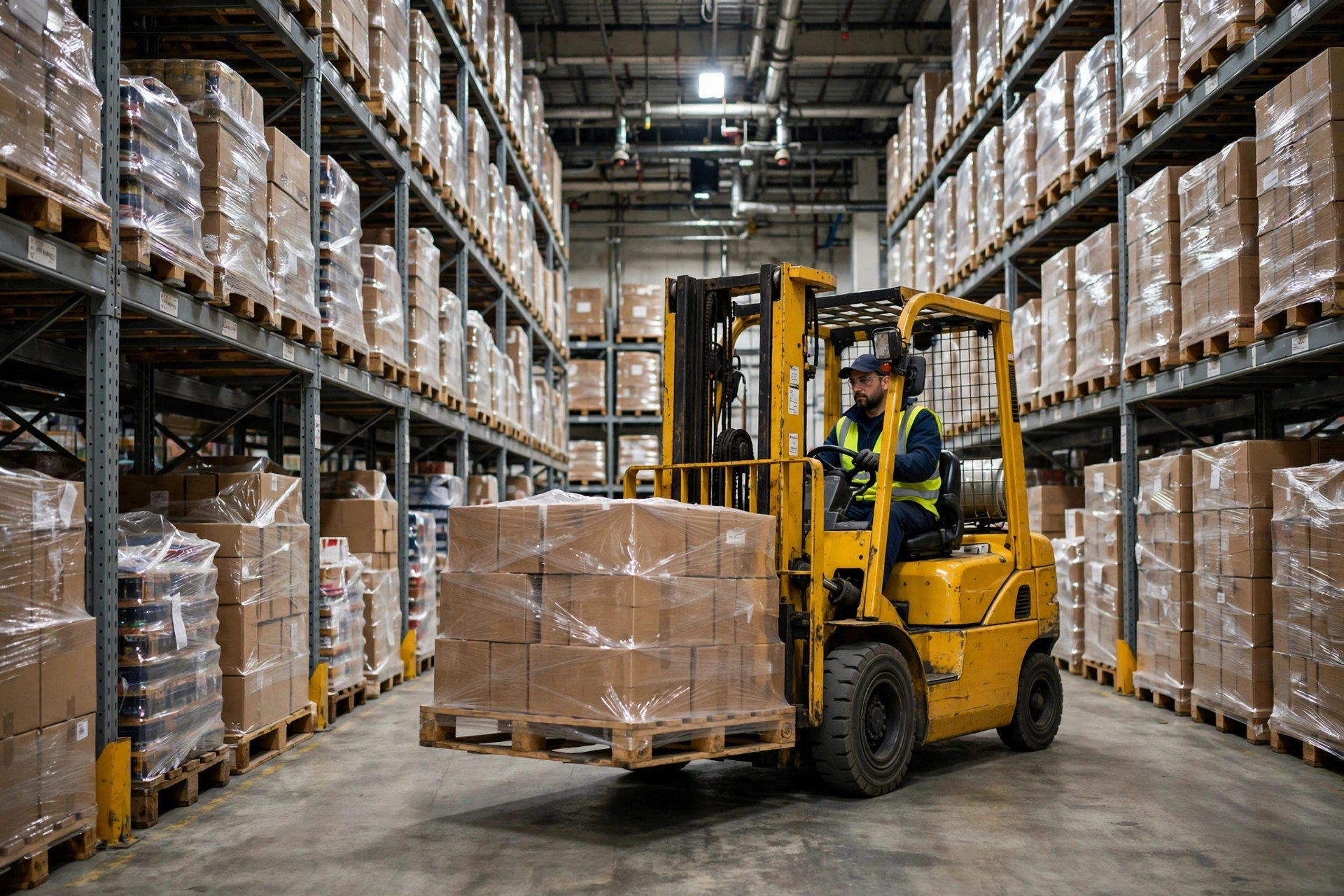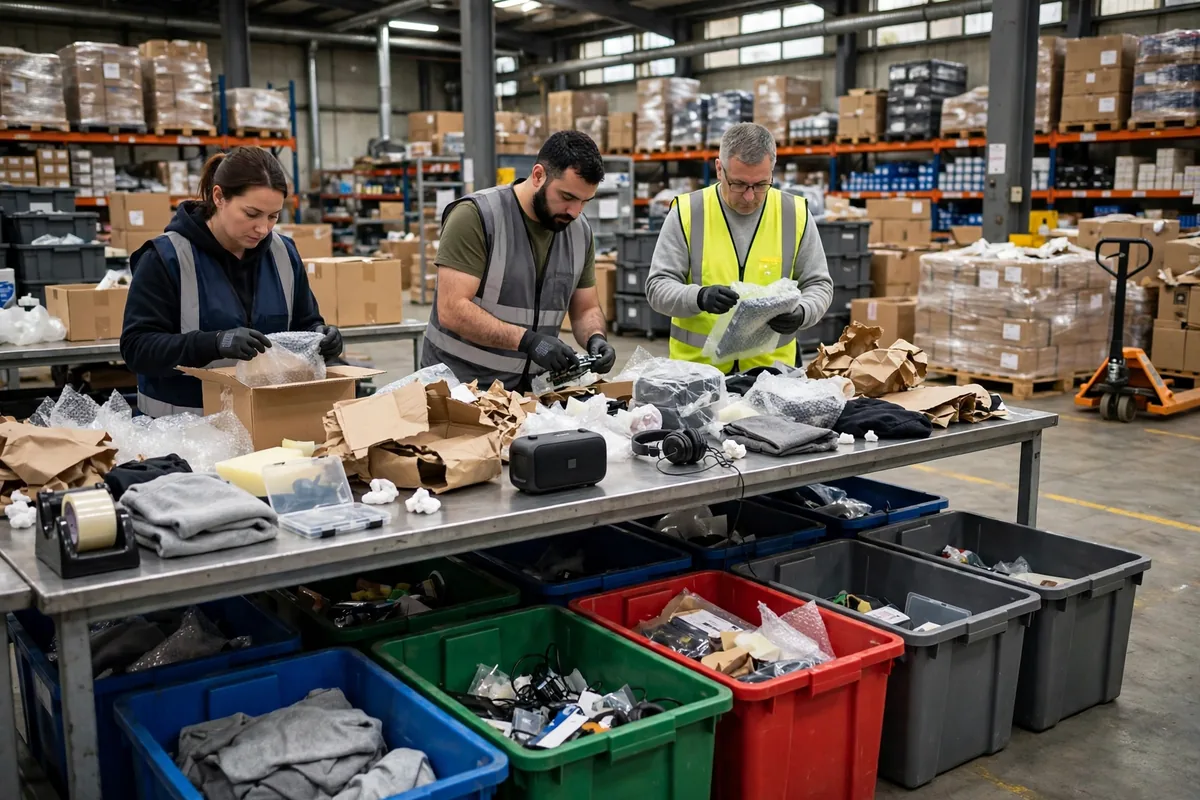
Last month I stopped by my partner warehouse outside Los Angeles and walked straight into a multi-platform return policy pile-up. The manager pointed at three piles of boxes in the corner and just sighed. One pile came back from Amazon, one from eBay, one from my own store. Three piles, three sets of paperwork, and his crew was burning two hours a day just sorting returns. I laughed, because that was my daily headache three years ago. When every platform runs its own return rulebook, using one standard for all three is how your returns corner turns into a junkyard.
Here is the uncomfortable truth most sellers skip: people calculate profit up to the moment of sale, then act surprised when returns show up. On a product with an 8% return rate, 8 out of every 100 orders come back. Return shipping, inspection, restocking, write-offs — every step costs money. And the rules are not even close to aligned: return windows differ, who pays shipping differs, and inspection standards range from strict to whatever-goes. One warehouse serving three channels without a single unified process is asking for chaos.
Multi-Platform Return Policy Compared: Three Platforms, Three Rulebooks
Let me lay the differences out. Treat every number below as approximate — platforms change their rules constantly, so always check the official policy page before you act on a specific window or fee.
| Amazon | eBay | Your own store | |
|---|---|---|---|
| Return window | Relatively fixed, usually a few weeks for most categories | Seller-set, commonly around 30 days, some go 60 | Whatever you set, typically 30 days |
| Return shipping | Rules are fairly clear, often platform- or seller-covered by category | Depends on your settings; free returns raise costs | Your call; free returns convert better but cost more |
| Inspection and disposal | Graded outcomes; FBA returns can be returned to you or disposed | Comes back to you; you make the call | You own the whole chain |
| Refund speed | Fast, buyer experience comes first | Moves at your processing speed | Depends on your support response time |
| Classic trap | Auto-refund fires before the item reaches your warehouse | Buyer-remorse disputes over who pays shipping | Vague policy text leaves every dispute to support |
The real difference is not any single rule. It is who gets to decide. Amazon decides. On eBay, the platform and the seller split the decisions. On your own store, you decide everything. So the first design principle for the warehouse floor is simple: workers should never have to memorize platform rules. Workers judge the condition of the item, not the name of the platform.
One Warehouse Process That Handles Any Multi-Platform Return Policy
My warehouse process has five steps, and every return walks the same line no matter where it came from:
Step 1, tag it. The moment a return arrives, it gets an internal return code scanned against the order number, platform, SKU, and return reason. No code, no entry to the returns area. Every later number depends on this tag.
Step 2, triage. Sort by return reason into three lanes: unopened, opened but resalable, damaged or missing parts. Unopened goes express and gets back on the shelf within 24 hours. Opened goes to inspection. Damaged or incomplete goes to a hold zone — do not write it off in a hurry.
Step 3, inspect. Four checks only: appearance, function, accessories complete, packaging good enough to sell again. All four pass, it goes back on the shelf. My inspection bar sits halfway between the strictest platform and the loosest one — one standard for every channel.
Step 4, disposition. Four possible outcomes, no more: restock, clearance at a discount, repair then sell, write off. Every outcome gets logged, and write-offs get a photo. You will need that record at month-end reconciliation.
Step 5, weekly review. Every Friday I pull a returns report: return volume and rate by platform, restock rate, write-off value. If one platform's return rate jumps, that product gets investigated the following week.
Two stories from real life. In September 2025, a home product of mine in that LA warehouse hit a 12% return rate on Amazon. It was not a quality problem. One size image in the listing misled buyers — the item looked bigger than it was. We fixed the main image and the size wording, and two months later the rate was back around 7%. Return data is the best product feedback you have. Do not treat it as pure cost.
The other story is an eBay dispute from late 2024. A buyer returned a small appliance worth over $300 as "not as described," and we argued about $20-something in return shipping for two weeks. Then I did the math: two weeks of support time plus the rating risk cost far more than the shipping. After that I made low-ticket eBay items free-return, and dispute volume dropped by half.
One more detail that saved me a lot of arguments: a big card on the returns-area wall spelling out the five steps and the four dispositions. New hires follow the card instead of needing a veteran to walk them through it. I also set aging alerts in the system — unopened returns must be restocked within 24 hours, and any inspection sitting over 3 days turns red and gets reviewed at the weekly meeting. Put the process on the wall and the deadlines in the system, and the process survives staff turnover.
Doing the Return Math: The Cheapest Handling Is Not Always the Cheapest
A lot of sellers think returns handling should be as cheap as possible — skip inspection, write things off fast. My tested conclusion is the opposite: money saved on inspection comes back doubled somewhere else.
Take a home product of mine at around $40. The hard cost of handling one return runs roughly like this: $6 to $9 in return shipping, about $2 in warehouse labor and materials. If inspection passes and it goes back on the shelf, you spent around $10 to save a $40 item. Write it off on sight and you lose the full $40 plus disposal cost. Even if only six out of ten inspected items make it back to the shelf, inspection still beats blanket write-offs by a wide margin.
Here is the counterintuitive part: a high return rate does not always mean a bad product. I nearly delisted a product at a 15% return rate once. Turned out most buyers were ordering the wrong size. One spec-comparison image and a short Q&A later, the rate fell to 9%, and that product became a profit mainstay. When returns spike, check the listing and the support scripts before you blame the product.
A few more traps, all learned the hard way. First, never write your return policy in stone — keep a "special cases handled manually" clause, and peak-season disputes drop noticeably. Second, put your own store's return policy somewhere visible on the checkout page, not buried in a footer link — buyers who see it before ordering argue less afterward. Third, clear out and expand the returns area before peak season; Black Friday week can double or triple return volume, and a space that works in October will jam solid. Fourth, never reconcile FBA returns and self-fulfilled returns in the same sheet — Amazon's refund timing and your warehouse's receiving timing will never line up, and the books will never balance.
I also keep one red line for myself: any product whose return rate stays above 12% for two straight weeks gets pulled for investigation no matter how well it sells. Misleading images, unclear size charts, weak protective packaging — those three explain most abnormal spikes. Investigate first, relist after, and you usually make more than you would by toughing it out.
A multi-platform return policy headache does not get solved by memorizing each platform's rules. It gets solved by having one hard process in the warehouse that does not care which platform sent the box. Platform rules change every year; my five-step process has barely changed in three years. What changes are the refund and shipping parameters per platform. Keep the process steady, and every rule change becomes a parameter update, not a process rebuild. I have tested this myself, and it works.
By Ah K, E-commerce Seller (5 yrs)