Let me complain first: in Mexico avocado export, the hardest part is not growing the fruit, and it is not selling it. It is getting across the border. One APHIS inspection, one degree off in precooling, and a whole container sits extra days in a border warehouse while ripeness runs out of control. I learned that the hard way in my first year on this lane, and the playbook below is the one I actually use now.
The Mexico avocado export cold chain warehouse game comes down to two words: win time. Fruit picked in Michoacan carries a lot of field heat. If you do not pull that heat out fast, no amount of refrigeration later will fix it. Newcomers think cold chain means "keep it in a fridge the whole way." Wrong. It is a relay race: orchard precooling, origin warehouse, border warehouse, US distribution warehouse. Every handoff needs a temperature check, a signature, and a record. Drop one baton and the whole race falls apart.
The Mexico Avocado Export Cold Chain Warehouse Mistake I Measured Myself: Precooling Six Hours Late
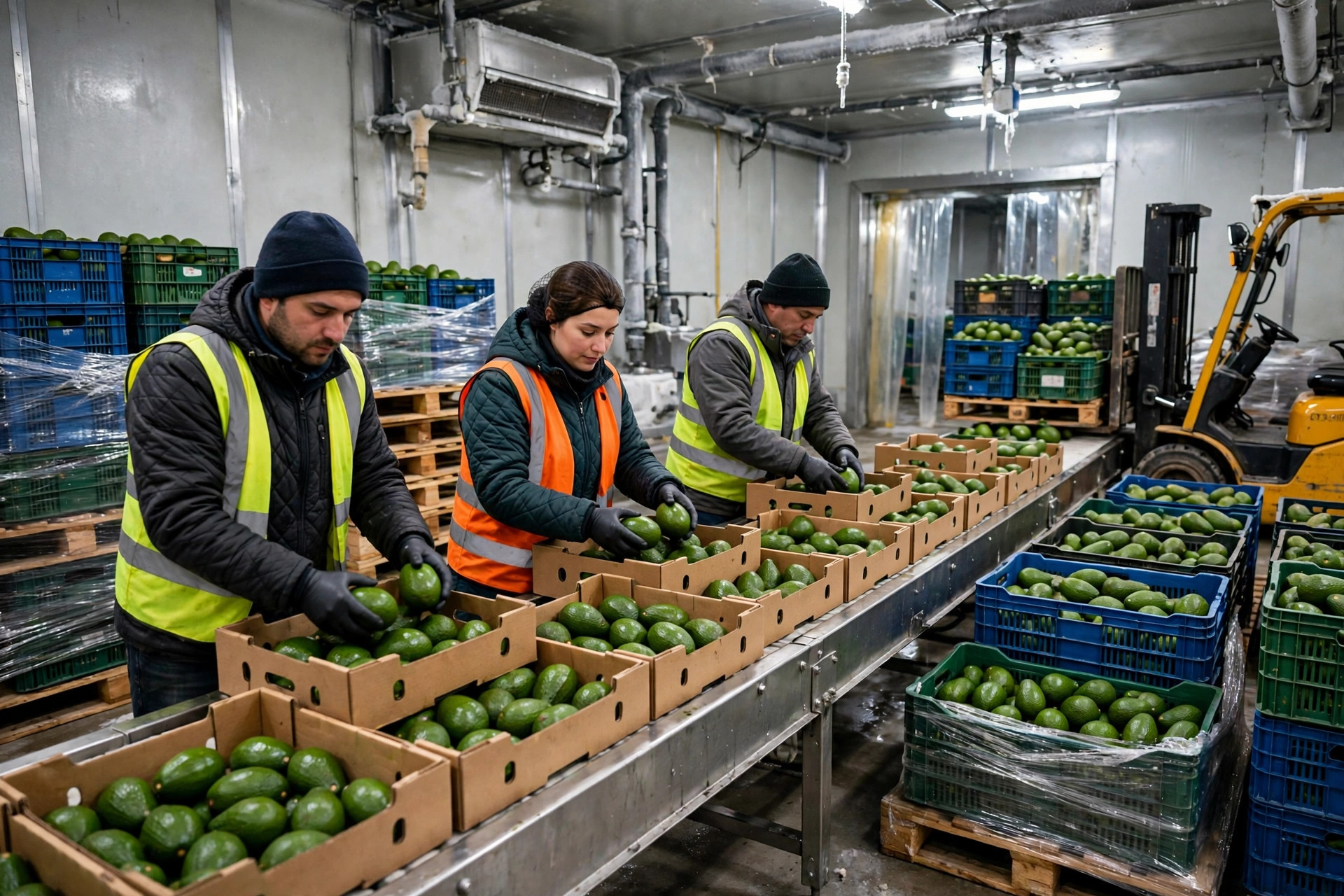
In October 2023, I followed a lot of Hass avocados from Michoacan. Picking started at 6 in the morning. The truck did not reach the origin precooling facility until 11, after the fruit sat in the field for five hours in the sun. Pulp temperature climbed to about 28 degrees Celsius. The precooling room did its job and brought the fruit down to 5 degrees in 12 hours, which looked like a pass. But at the border, APHIS opened boxes for inspection and found uneven ripeness, with one part of the lot turning soft early. The buyer cut the price by 10 percent.
That lot taught me two things. First, the precooling clock does not start when the fruit enters the cold room. It starts at picking. Those five hours in the field were the real loss of control. Second, a pass cannot be judged by room temperature alone. Room at 5 degrees with pulp still at 12 is a fake pass, and once the fruit reaches a US ripening room, the ripeness splits into layers.
After that, in this Mexico avocado export cold chain warehouse lane, I changed the contract language. Orchards must get picked fruit into precooling within 2 hours, and any lot that misses the window gets stacked and labeled separately, never mixed with a normal lot. The short-haul truck switched to a refrigerated unit too. It costs more per trip, but it costs far less than a price cut at the border.
The Mexico Avocado Export Cold Chain Warehouse Gate: How APHIS Checks Actually Play Out
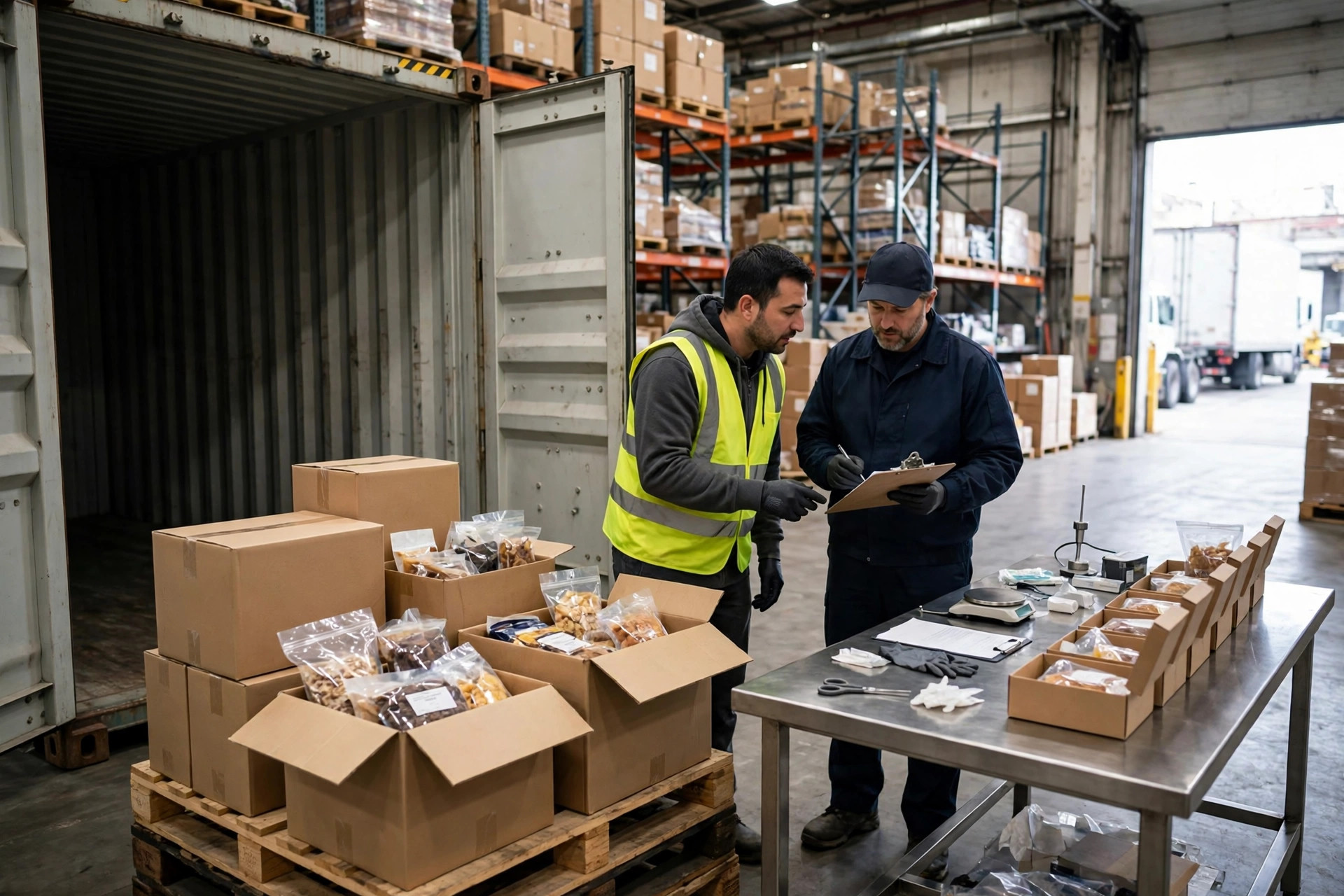
Here is a second case. In spring 2024, one shipment waited 3 days at a border warehouse for an APHIS check. Why? One letter differed between the orchard code on the file and the packing list, so the inspector held the load for re-verification. The fruit stayed cold in storage, but avocados keep ripening even when cold, and after 3 days the ripeness window was scrambled. By the time the US customer received it, some fruit was hard as stone and some was too soft to put on a shelf.
Since then, in the Mexico avocado export cold chain warehouse lane, I have run one hard rule: documents first, truck second. Orchard code, picking date, lot number, and precooling record get photographed and sent to the border warehouse for checking before the truck leaves. If anything does not match, the truck does not move. It sounds fussy, but it beats waiting 3 days at the border by a mile. The APHIS check itself is not scary. What is scary is discovering a one-letter file error only after the whole container is already stuck.
There is another trap at the border warehouse: temperature zones. Colder is not always better for avocados. I have seen a warehouse run its zone too cold, leaving chilling injury marks on the skin, which the buyer mistook for disease and rejected in part. At handover, always confirm the zone record, and follow whatever temperature range the warehouse and the buyer agreed for that shipment. Do not adjust by feel.
The Money in the Mexico Avocado Export Cold Chain Warehouse: Where It Spends and Where It Saves
For a roughly 20-ton lot, the Mexico avocado export cold chain warehouse cost structure breaks down like this:
| Stage | Main spend | Smart way to save |
|---|---|---|
| Orchard picking to precooling | Refrigerated short haul, precooling energy | Hit the 2-hour window, do not bake fruit in the field |
| Origin storage and grading | Grading labor, packaging | Grade properly once, do not rework at the border |
| Border inspection wait | Warehouse rent, container rent, ripeness loss | Documents first, do not ship with one wrong letter |
| US distribution | Ripening, distribution freight | Manage ripeness in layers, do not sell one container to one standard |
Here is the counterintuitive part: sellers who squeeze border warehouse rent hardest often lose the most. They pick the cheapest warehouse, then face slow inspection queues and unstable temperature zones, and the rent they saved goes straight into ripeness loss. This trick worked for me: pay a bit more for a warehouse that knows the APHIS process well and keeps complete temperature records. The premium buys on-time shelf placement for the whole container.
Three warnings to close. First, never mix orchards or picking dates in one container, because inspections and ripeness both go sideways. Second, precooling records must match lot numbers one to one, because a record you cannot produce at inspection counts as no record at all. Third, in peak season, book border warehouse space 2 weeks ahead, not when the truck arrives, because the good warehouses are already full by then.
This trick worked for me: write three rules into the contract, picked within 2 hours into precooling, documents first, ripeness managed in layers. After three months on those rules, my border holds fell from about 2 per month to zero. In the avocado business, the winner is not whoever has the most fruit. It is whoever keeps the cold chain unbroken, the documents clean, and the ripeness under control. Do that, and buyers renew on their own.
By Ah K, E-commerce Seller (5 yrs)