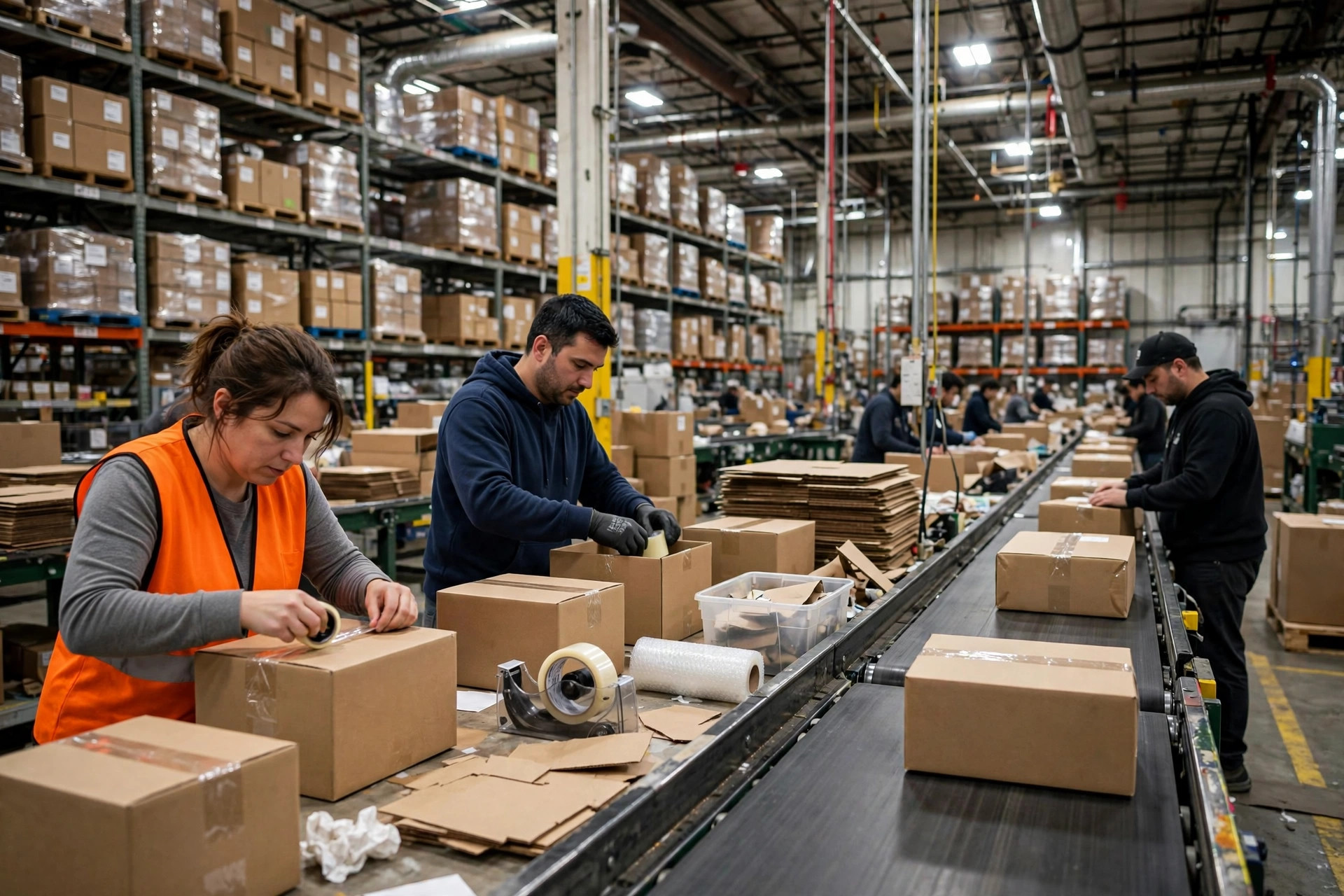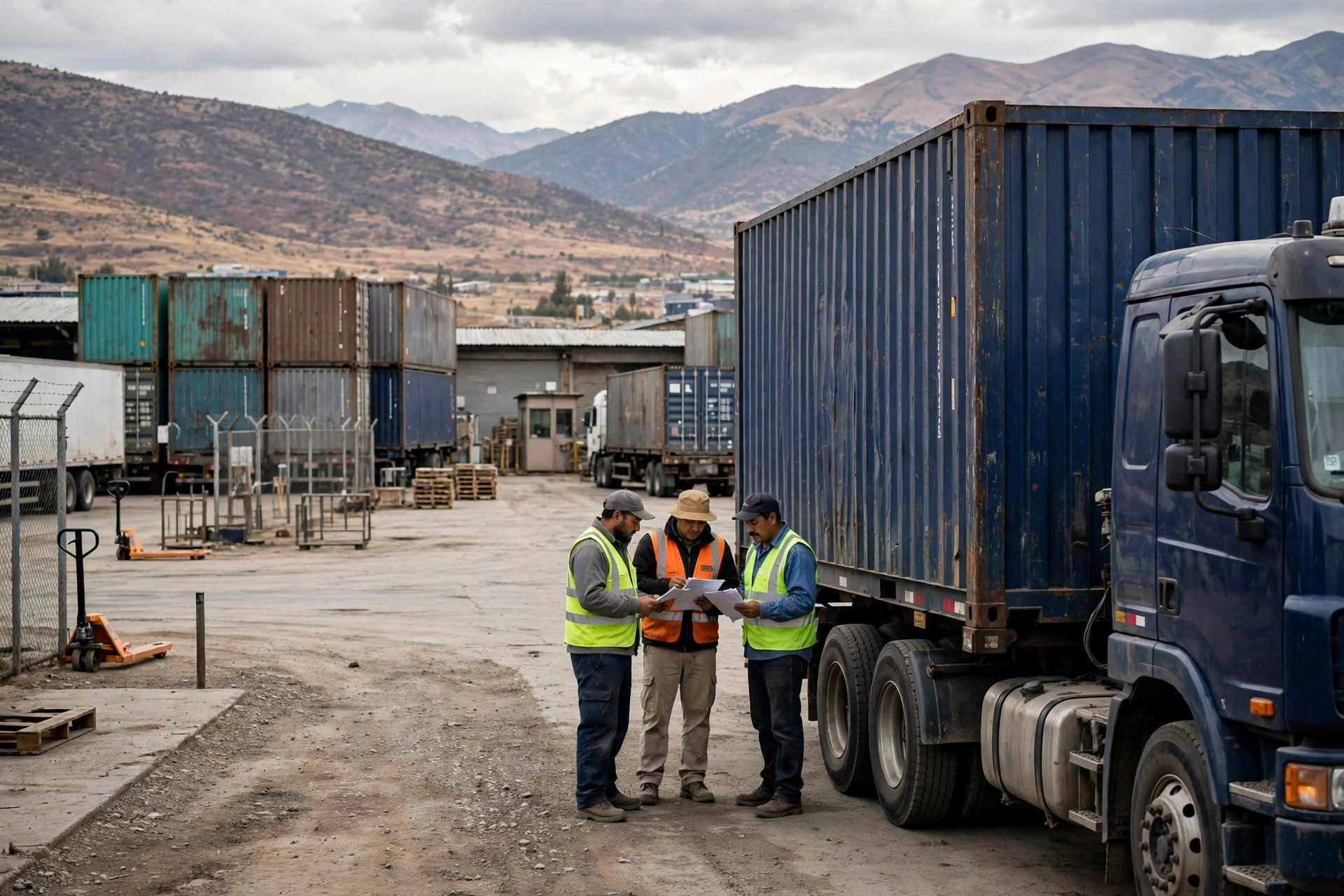
Let me be blunt: in a Mercosur cross-border warehouse operation, the money is mostly decided before customs ever stamps anything. Too many sellers treat South America as one market. They land goods in São Paulo and assume they can casually sell them on into Buenos Aires. I have watched that assumption die in the same place, over and over again: the paperwork does not line up, the shipment sits at the border for days, the split-shipment plan falls apart, and storage and detention charges eat the margin that looked so good on a spreadsheet.
There are two sides to this. On the good side, Brazil and Argentina do operate inside a regional framework, and a compliant shipment moves more smoothly than a shipment routed through a third country for no reason. On the bad side, a framework is not a free pass. A certificate of origin, a product classification, an invoice detail, or a consignee name that does not match will stop a clearance node cold while you scramble for corrections. The border does not care about intent. It cares about documents agreeing with each other.
Mercosur Cross-Border Warehouse Routes: Map the Clearance Nodes First
I always draw the line before I talk about warehouse layout: origin warehouse, export declaration, border clearance, destination-country receiving, and final split shipment. Every point where the shipment must stop needs its documents ready in advance, not hunted down after the truck is already waiting.
The first painful lesson I saw up close came in the second half of 2023. A Chinese seller of home goods shipped a full load, twelve pallets, from Shenzhen to a third-party warehouse in São Paulo. The certificate of origin carried a consignee name that differed from the registered importer name in the destination country by a single word. The border held the shipment for verification. The seller chased the freight forwarder from China, the forwarder chased a customs broker in São Paulo, and the broker asked the seller for a written explanation. The whole load sat for nine extra days. Receiving slipped, pre-sold orders had to be rescheduled, and customer-service messages roughly doubled in that period. The goods eventually entered the warehouse, but after detention and rescheduling costs, that month's South America ledger was effectively wiped out.
The lesson is narrow and non-negotiable: align four documents before the shipment leaves. The contract, the invoice, the packing list, and the certificate of origin must agree, word for word, on the shipper, the consignee, and the product description. “Close enough” does not exist in clearance. That seller later changed the process so the customs broker reviews the full document set before release. It adds half a day up front and can save a week at the border.
Brazil–Argentina Dual Clearance: Two Traps, Both on Paper
The second trap sits on the Argentine side. In early 2024, another seller tried to transfer leftover stock from the Brazil warehouse to Buenos Aires for a cross-border split shipment. The goods themselves were fine. The problem was that the stock had entered Brazil prepared for local sale, with invoices and inventory ownership recorded under the Brazilian entity. Moving it to Argentina meant going through export and import again, rebuilding the chain of title, the invoice trail, and the origin information from scratch. The seller had priced the move as if it were a domestic transfer plus a leg of freight. The document rework, the change of entity, and the reclassification roughly doubled both cost and time.
Here is the counterintuitive judgment most sellers miss: in a cross-border transfer, the most expensive part is often not the freight. It is the cost of explaining, in two countries' paperwork, exactly what this shipment is and who owns it at each step. Freight is visible. Document rework is invisible, and it eats profit more quietly. So before any transfer, answer three questions: what was this stock's import identity in Brazil, who is the importer in Argentina, and does the origin certificate cover this particular movement? If you cannot answer all three, do not book the truck yet.
On duties and timelines, I will not hand you fixed numbers. Both countries have complex tax systems, and the rules change. Any table that prints a permanent duty rate will mislead someone within a couple of months. Treat duties, rates, and clearance times as items to confirm against the latest official policy, and get written estimates from the destination-country customs broker and a time range from the carrier. Build the uncertainty into your quoted price as a buffer instead of guessing a number and hoping.
Split-Warehouse Layout for Mercosur Cross-Border Stock: Do Not Bet Everything on One Country
On layout, my judgment is equally direct: do not put all your South America stock in one country and one warehouse. Brazil is the bigger market, but its clearance and tax chain is heavy. Argentina can absorb part of the regional demand, but transfers into it are expensive. The steadier structure is layered. Use the Brazil warehouse as the main stock base for Brazilian orders. Start Argentina with small test batches, run one complete transfer end to end, and only then decide whether standing stock in Argentina is justified.
In-transit inventory needs its own ledger. Goods at the border, goods on the road, and goods waiting for put-away in the destination country are not sellable stock. Many sellers count only what sits on the warehouse shelf and ignore what is in motion, so the storefront shows availability that the warehouse cannot ship. The fix is unglamorous: one table, three columns — in transit, in clearance, and available to sell — reconciled every week. It does not need to be fancy. It needs to reconcile.
Returns deserve the same attention, and they are usually forgotten. Sellers plan the outbound leg and forget the reverse one. When an Argentine customer returns an order, does the item go back to the Brazil warehouse or get handled locally? If that was never decided, the return sits in the destination warehouse, occupying stock that cannot be resold. My rule is to write the return route into the contract at the same time the transfer route is proven: handle locally what can be handled locally, and route the rest back through its own declaration. When return volumes are small, the rule looks like overkill. When they grow, it is the rule that saves money.
A simple decision frame helps here. If Argentine orders are still under a fifth of your South America volume, do not set up standing stock in Argentina; serve it from Brazil with scheduled transfers. Once the share holds above a fifth and you have run at least two complete transfers without document trouble, then talk about local stock. That threshold is not a universal standard. It is a brake against enthusiasm: prove the process first, then scale the inventory.
A Pre-Shipment Checklist for Sellers Entering South America
Before any shipment leaves, run this list: the four documents agree on shipper and consignee; the certificate of origin has been pre-reviewed by the customs broker; the product classification has been confirmed in writing by the destination-country broker; the invoice chain covers every change of ownership from origin to destination; transfer stock is recorded separately from Brazilian local-sale stock; in-transit inventory is reconciled weekly; and duties and timelines are taken from the latest official policy and written broker estimates, never from a guess.
Every item on that list sits on top of a real, paid-for lesson. South America is worth doing, and it is worth doing compliantly: documents first, layered inventory, small batches to prove the route before scaling it. When goods are stuck at the border, no operations trick will conjure them into the warehouse.
So here is the question to take back to your own operation: can you pull out your four documents for your current South America shipment and check them against each other right now?
By Lao Mi, Supply Chain Veteran (20 yrs)