Here is my verdict up front: in Manaus, do not let the rent decide. If your goods must reach Brazil's interior and you cannot afford to fly everything, Manaus is a solid hub. If your goods are only passing through Brazil on their way to customers in São Paulo, routing them through Manaus usually adds a layer of paperwork for no good reason. To put it bluntly, a free trade zone gives you a ticket in, not a free lunch.
I have seen too many people talked into a lease by a rent sheet. Warehouse space in Manaus looks far cheaper than in São Paulo, labor looks cheaper too, and the park promoters say "free trade zone" as if those three words settle the argument. Then the lease is signed, and the real costs show up somewhere else: on the river, on the road, and on the customs form. This story has two sides, and you have to price both. The policy upside is real. The compliance burden is real too.
The Manaus Free Trade Zone: Real Advantage, Real Gatekeeping
Manaus sits deep in the state of Amazonas, and its free trade zone has been running for decades. Electronics, motorcycles, and home appliances cluster there. Goods come into the zone, get processed or assembled, and ship out across Brazil. The supporting cast is already in place: industrial park space, workers, customs brokers, and freight forwarders.
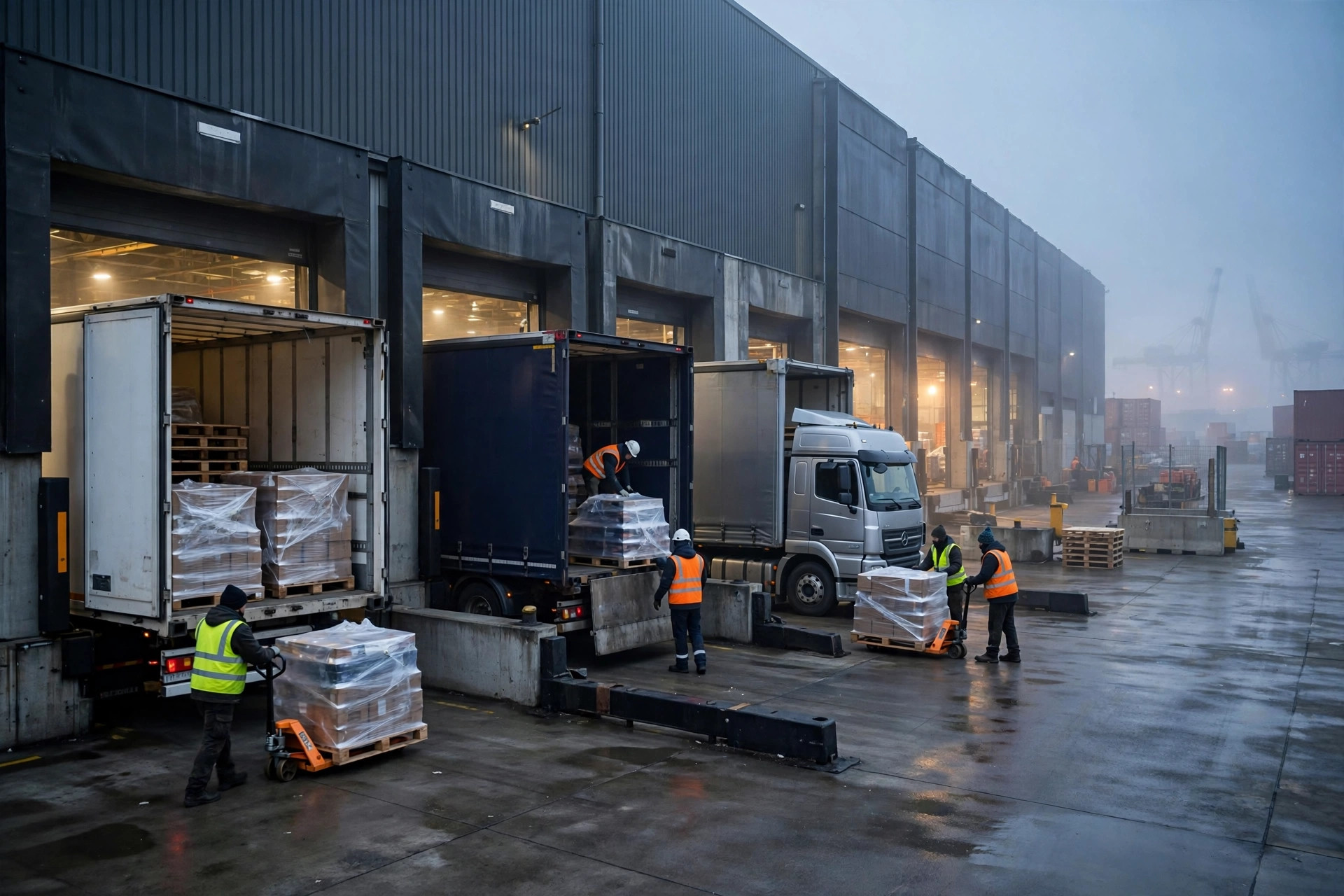
In 2022, a small-appliance seller I know rented just over 800 square meters beside the industrial district, close to an assembly plant. Parts arrived and went straight to the line the same day, and finished goods left the zone the next day. That proximity was the whole point of the lease.
But his first year still cost him tuition. The paperwork for entering the zone, the product classifications, and the origin rules did not match what he was used to in São Paulo. He went through two customs brokers before the process ran smoothly. One shipment sat in the zone for nearly three weeks because a product description was written too vaguely, and while the extra rent was small, the lost sales from the stockout were not. My lesson: for specific tax rates and incentive rules, go by the latest official policy, not by a park brochure or an old story from another seller. Before you sign, pay a local broker to check your product categories line by line. That fee is the best money in the whole deal.
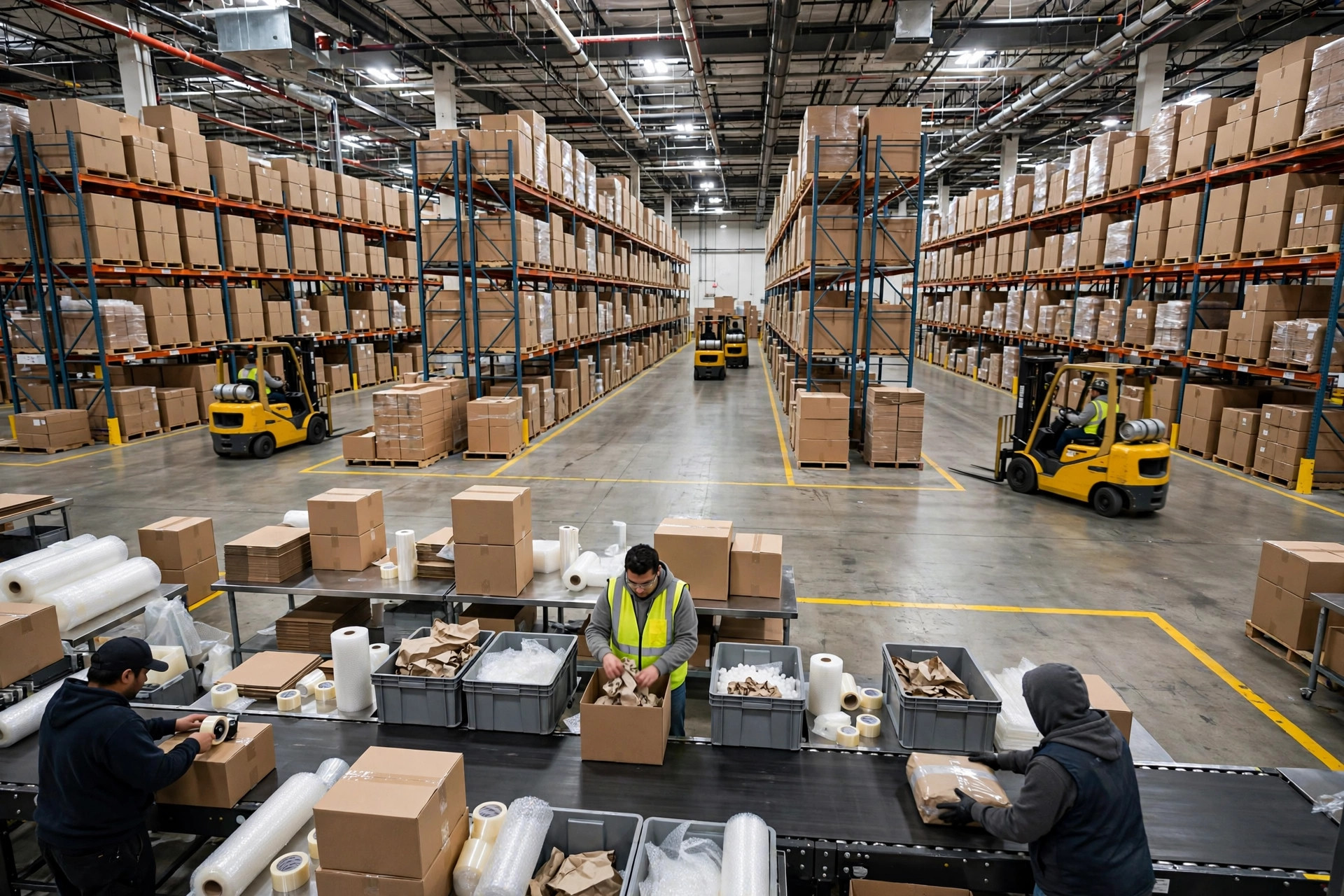
Location works the same way. A warehouse inside the industrial district sits close to the factories and the labor pool, but every movement in and out goes through the zone's controls. That suits a seller who is settling in for the long term with steady volume. A warehouse on the outskirts has looser procedures and more room to negotiate rent, which suits a distribution warehouse with volatile volume. Do not just compare rent per square meter. Compare the time from the warehouse door to a river berth and to the airport. Before signing, I always ask three questions: can we expand into the next bay at peak season, and are the expansion and exit clauses written clearly; is the ceiling height and floor load good enough for high racking, or will we be stuck stacking on the floor; and who owns the backup plan when rain knocks out power for half a day. If a landlord cannot answer those three, I walk away.
Manaus River vs Air: Run the Numbers Before You Choose
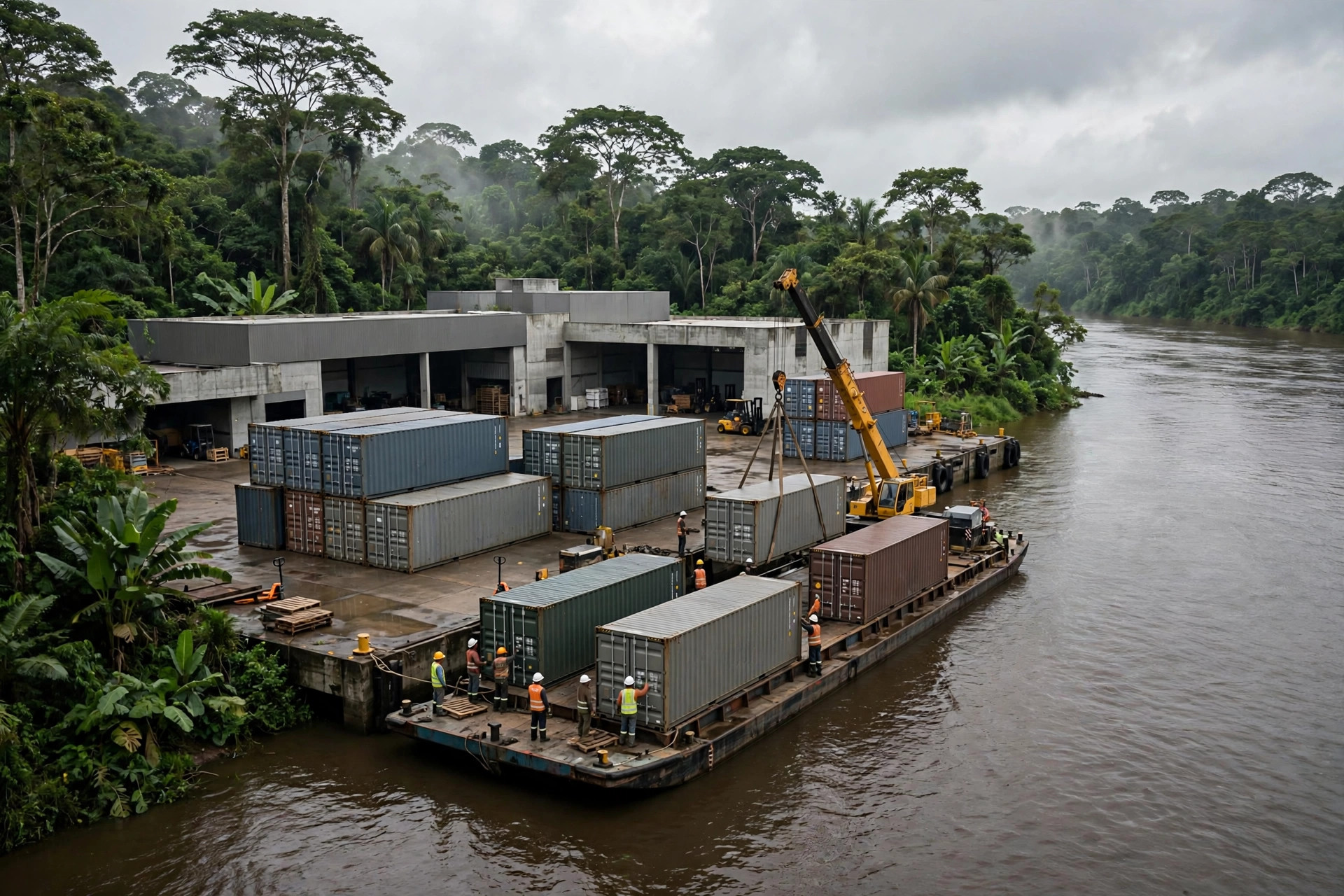
Manaus has no direct highway network to Brazil's southeast. Bulk freight moves on the Amazon River, urgent freight flies, and much of the rest moves as a river-plus-road combination. This is not a choice between cheap and fast. It is a choice about what your goods can afford to wait for.
| Route | Cost feel | Time feel | Best for | Biggest trap |
|---|---|---|---|---|
| Amazon River barge | Lowest | Slowest, counted in weeks | Bulk, heavy, delay-tolerant goods | Low-water season stretches sailings |
| Air freight | Highest, several times river cost | Fastest, counted in days | High-value, small, urgent goods | Freight eats margin, peak-season capacity is tight |
| River plus road | In the middle | In the middle | Regular goods headed southeast | The handover between legs loses the most time |
Right after the rainy season in 2023, I followed a shipment of household goods moving into Brazil's interior. River to a transfer port, then road from there, took nearly three weeks door to door. The per-container cost was far below air, but the customer missed half of a promotion window because the goods arrived late. The same seller later switched a high-priced new product to air. The unit value was high and the volume was small, so the extra freight per unit was acceptable, and gaining a week on launch paid for the freight in sales. Same lane, two products, two different answers.
Here is the counterintuitive part: in Manaus, the most expensive transport option is often not air freight. It is a stockout caused by a delayed barge. On paper the river is cheap, but once a sailing slips by two weeks, you pay for emergency air freight, penalties, and lost ranking, and the total passes what air would have cost from the start. My method is to split by product: volume lines go by river, booked a sailing early; new and high-margin lines fly, because time is the product; the middle tier goes river-plus-road, but with a backup plan at the transfer port so a late barge can be rerouted immediately. Only split this way after three numbers are clear: whether unit margin covers the air premium, how many orders one day of stockout costs, and how fast the quickest replenishment really is. Without those three numbers, any split is guesswork.
Manaus Rain, Site Choice, and Distribution: Where the Money Leaks
The trouble with rainforest distribution is not the rain. It is the water level. Most newcomers assume the rainy season is the hard part, but high water actually helps barges move. The real choke point is the low-water season, when falling levels expose shallow stretches and side channels, barges must lighten their loads or wait, and a one-week schedule can stretch to two. I have seen a seller enter the low-water season without extra safety stock and watch three inland distribution points run dry at once; the emergency air bill wiped out a quarter's profit. The fix is unglamorous: raise inland safety stock before the low-water season, and plan on the worst case, not the average.
Labor deserves its own line in the budget. Hiring warehouse workers in Manaus is not hard. Keeping experienced hands is. Attendance swings with the rainy season and holidays, new hires make more picking and labeling mistakes, and every wrong shipment comes back as freight cost. The steady approach I have seen work is a fixed core crew with a piece-rate bonus, plus temporary workers at peak who only handle standardized tasks, never the jobs that need judgment. Cutting training to save money is the worst saving of all: one wrong shipment costs more in freight than several days of training. Leave slack in the roster for the rainy season too, because a delayed barge followed by a surge of arrivals is a second stockout waiting to happen.
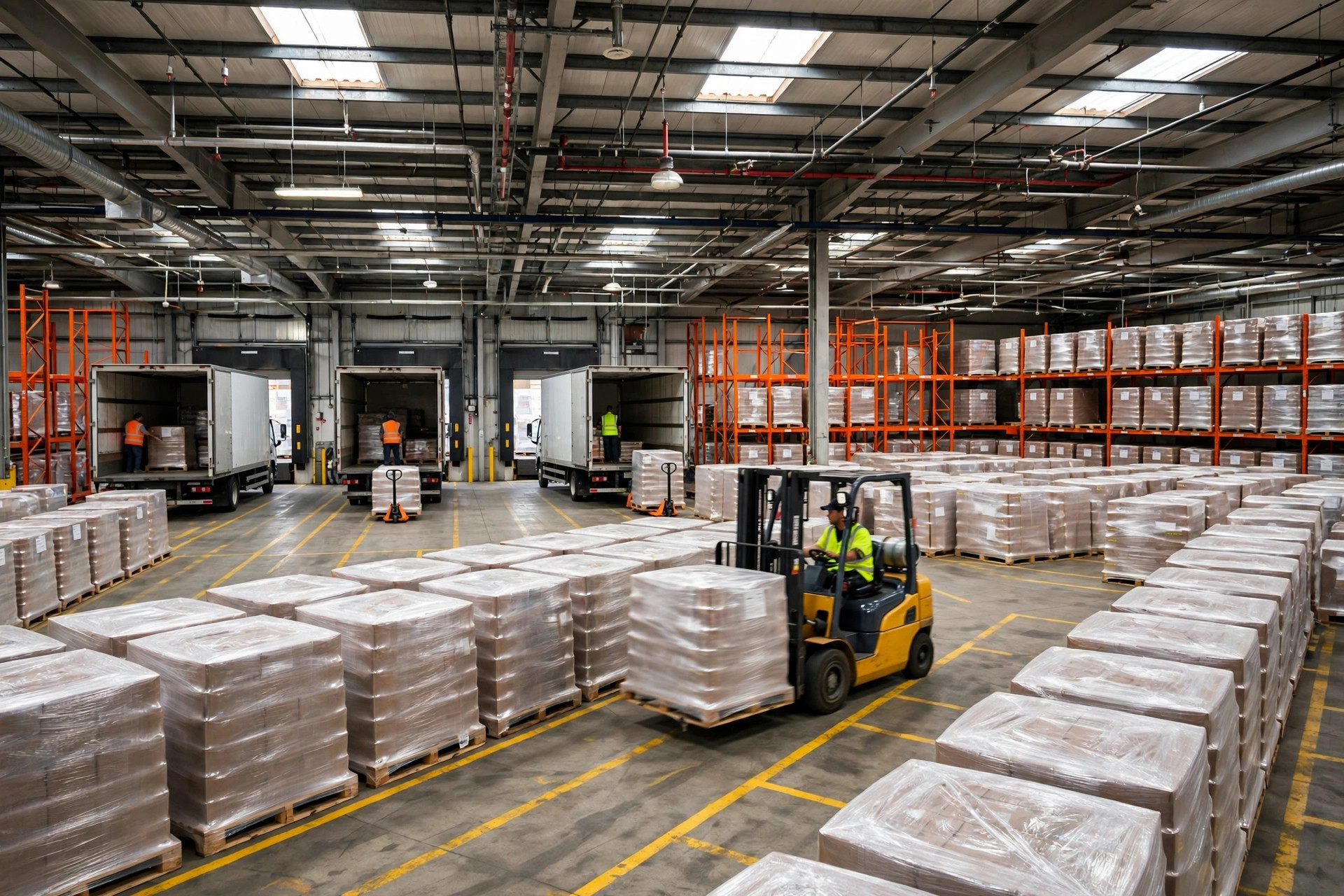
I have also seen the opposite mistake. In 2024, a seller trying to save inland warehouse rent kept everything in one Manaus warehouse. When the low-water season delayed the barges, every inland customer went out of stock at once. The rent saved did not cover a single emergency air shipment. An inland distribution warehouse is not an extra rent bill. It is insurance for your sailing schedule, and insurance is not the place to cut corners.
Keep the distribution radius honest. Inland points north and west of Manaus have thin road networks, and the last mile often runs by small boat and small truck, at higher cost per order and more damage. Do not try to cover the whole state of Amazonas on day one. Hold Manaus itself plus two or three inland points that ship reliably, get those running smoothly, and only then expand. On systems, a small operation does not need heavy software on day one. A basic process that controls batches and bin locations beats a fancy system nobody follows.
So here is my closing question, and it is the only one that matters: does your freight actually have to go through Manaus? If the answer is yes, then talk rent, talk sailings, and talk compliance, in that order. If the answer is fuzzy, run the numbers around São Paulo first, and do not let three words on a brochure make the decision for you.
By Lao Mi, Supply Chain Veteran (20 yrs)