When a buyer first asked us for Malaysia SIRIM certification, my honest reaction was: this sounds like a game only big companies can afford. We run a small warehouse, about 3,000 square meters, a dozen people, and every dollar on our books already has a name on it. Turning the order down meant another slow season. Working through it taught me something useful: the process itself was not the scary part. What was scary was approaching it with a big-company playbook and a small-warehouse budget.
Our warehouse sits on the edge of Dongguan. We serve small sellers nearby with storage and light assembly, and sell some simple equipment we put together ourselves: light racking, plastic totes, small manual handling carts. In the spring of 2024, a buyer from Penang, Malaysia, ordered more than sixty racking sets plus several hundred totes, about two weeks of work for our crew. The price talks went smoothly. Then, just before signing, the buyer added one line: please provide SIRIM certification documents. I said we would confirm the process, then started asking everyone I knew. That was how I learned that SIRIM is Malaysia's national standards and certification body, and that many products entering the Malaysian market have to clear its requirements. Which products, which route, and which documents depend on the product category and Malaysia's latest rules, so always check the official source for the current policy.
Which equipment needs Malaysia SIRIM certification
Here is the first trap small operators fall into: assuming that because something is called "equipment," it must all need certification. Warehouse equipment is a big basket, and the regulatory logic differs by kind. Powered equipment, such as electric handling devices and powered conveyor parts, is far more likely to run into mandatory safety requirements. Plain steel racking and plastic totes usually turn on materials, structural safety, and labeling instead. The exact answer depends on classification and the current Malaysian list.
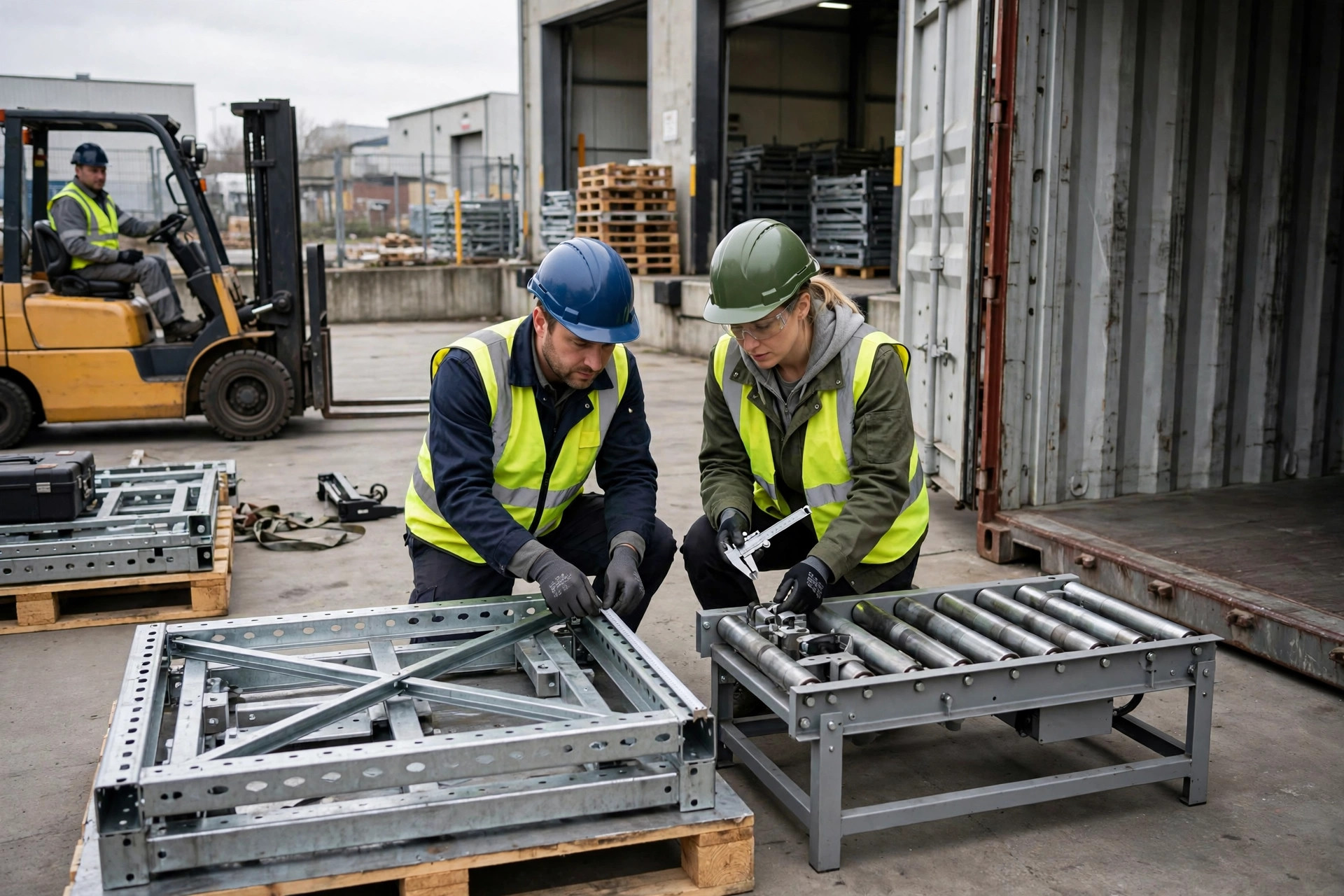
Our scrappy method is to lay the product list out and ask three questions about every line: does it use electricity, is its load-bearing structure safe, and will the buyer sell it locally in Malaysia? In the Penang order, the racking was unpowered steel, the totes were plastic, and only a small batch of powered accessories needed serious attention. Once we split the order apart, the heavy work shrank from "the whole order" to "a small slice." Lesson one: break the order down before you panic.
The second point is easy to miss: the documents your buyer asks for do not always mean you must start a brand-new certification from zero. Sometimes upstream suppliers already hold test reports for the same materials or components. If the model numbers match, the scope fits, and nothing has expired, those documents can serve as supporting evidence. That is how we handled the totes: we went back to the material and mold suppliers and gathered complete records. Reuse is not copy and paste, though. One mismatched model number, and the file is worthless.
Filing and paperwork: a small warehouse checklist that actually works
Big companies have compliance staff. We do not. So we built a folder, named after the Malaysia order, holding just four kinds of documents. First, product identity: specification sheets, drawings, a clean model list, and nameplate information, with no product going by two different names. Second, supply-chain evidence: purchase records for key components and test materials. Third, safety and use notes: load limits, installation requirements, and plain-language warnings. Fourth, correspondence: the buyer's original request, the confirmed list, and the conclusion of every discussion.
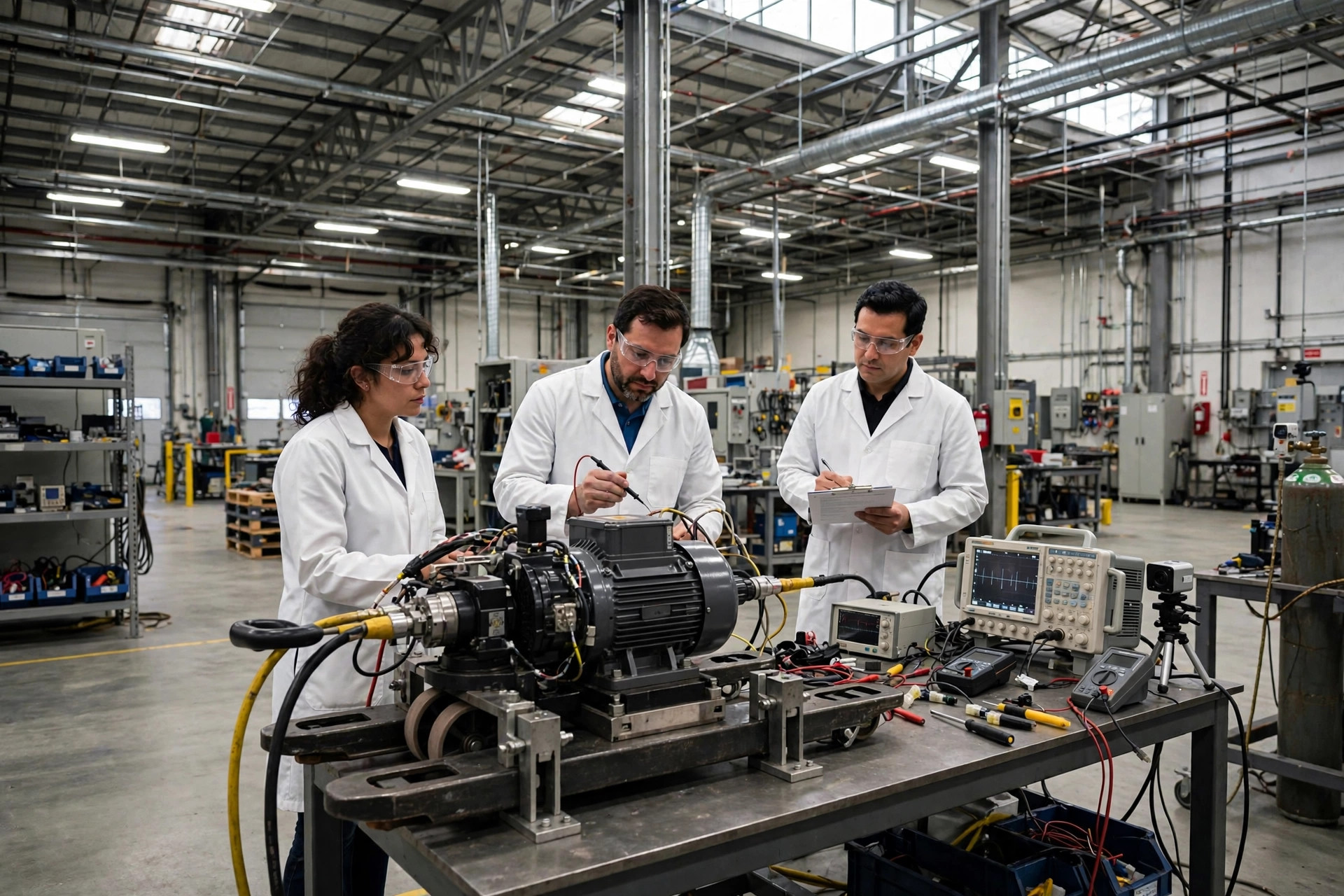
The testing stage is where patience gets tested too. How to ship samples, how many to send, what labels to attach, and what to do if a test fails all have to be confirmed one by one with the testing body and the buyer. Our rule is simple: do not be stingy with samples. Saving one shipment by sending too few, then paying for a second shipment and a new place in the queue, is the most expensive saving you will ever make. Before you submit anything, ask a knowledgeable friend to read the file once; they regularly catch errors you could read a hundred times and miss.
Here is the counterintuitive part about Malaysia SIRIM certification, and it is the one most small owners get backwards. People assume faster is always better, and that express handling is worth any price. Our experience says the opposite. For a small warehouse, the most expensive part is rarely the visible fee. It is the chain reaction when a delivery date slips: goods arrive but paperwork is incomplete, clearance stalls, storage charges pile up, and buyer trust takes a hit. For the Penang order, we negotiated a wider delivery window and wrote the certification steps into the contract schedule. Half a step slower, but far steadier. That is small-warehouse math.
Local agents and SIRIM testing: spending a little to avoid spending a lot
I resisted the idea of a Malaysian local agent at first. Why add another person and another fee in the middle? Then I realized that for a small operator, an agent is not "extra spending." It splits one big, risky cost into smaller pieces. Going alone in an unfamiliar market often costs more than the agent's fee. Do not pick on the lowest quote alone. Pick someone who has handled similar products, who can explain the process clearly, and who will keep you updated at every stage. An agent who cannot explain the process is not a bargain.
There is also a money-saving idea that costs nothing: share experience, not shipments. In early 2025, a neighboring small factory making plastic pallets was also eyeing Malaysia. Our products differed, but the paperwork logic overlapped, so we shared the learning: same advisory channel to check our lists, proofreading each other's templates, staggered submissions. What we saved was the time each of us would have spent making the same mistakes separately. For a small warehouse, time is another form of cash flow.
| Route | Best for | How the money goes | Biggest risk |
|---|---|---|---|
| Run it all yourself | Operators with a dedicated person and steady volume | Low visible fees, high time cost | Unfamiliar process, rework delays delivery |
| Use a local agent | First-time exporters, smaller orders | An extra service fee, fewer wrong turns | An agent who cannot explain the process |
| Cover part fresh, reuse upstream files for the rest | Small warehouses with a clear supply chain | Only fill the gaps, lowest outlay | Mismatched models void the file |
That table is a decision framework, not a universal answer. The larger your Malaysia volume becomes, the more it pays to build the process into your own capability.
How a small seller keeps this bill under control
First, put the Malaysia SIRIM certification cost in your quote instead of quietly absorbing it. Many small owners feel awkward raising certification with a buyer, as if mentioning it makes them look unprofessional. The result is that they pay in money and time and the order slowly bleeds. List it as a separate line, settled against the actual process, with any difference refunded or topped up. Our Penang buyer later told us their biggest fear was not a high price. It was a supplier who stayed quiet upfront and added charges later.
Second, reuse whatever can be reused, and phase whatever can be phased. Not every model needs certification at once. Start with the models the buyer explicitly requires, complete one order, collect feedback, and then decide whether to widen the range. We started with a single main racking model.
Third, turn every certification round into a template. The document checklist, the wording you used with the agent, the timeline, and the mistakes you made all go into one file. Next time, you open the template and change the model numbers. A small warehouse has no compliance department, but it can have a scrappy compliance folder that gets smoother with every use.
Looking back, the SIRIM hurdle did not shut us out of the market. What it shut out was quoting first and figuring things out later. Export certification, for a small warehouse, is not a wall to smash through. It is a bill to work out properly: what must be done, what can be reused, what is worth paying for help with, and what is better done slowly than done twice.
We are still the same 3,000-square-meter warehouse, still the same dozen people, still running the numbers before every new order. The only difference is that the certification line is no longer a mystery expense. Small warehouses survive their own way: by keeping the math clear, the pace steady, and a little room to maneuver at every step.
By Xiao Ma, Small Warehouse Owner