We had a client distributing home appliance parts who spent the better part of a year looking for space around Madrid. His starting rule was simple: the closer to the city, the faster the delivery. After touring site after site, he changed his own mind. A city-edge warehouse did sit near his customers, but dock queues, restricted access windows, and drivers circling for parking ate up the morning. Orders that should have gone out early kept slipping toward midday. He ended up in a warehouse on the southern corridor of the capital region, a longer highway run from the city, with steadier cut-off times. I have told that story to plenty of clients since, because choosing a warehouse is not about measuring a straight line on a map. It is about costing a full working day.
Madrid City-Edge Space: Close to Customers, Costly in the Fine Print
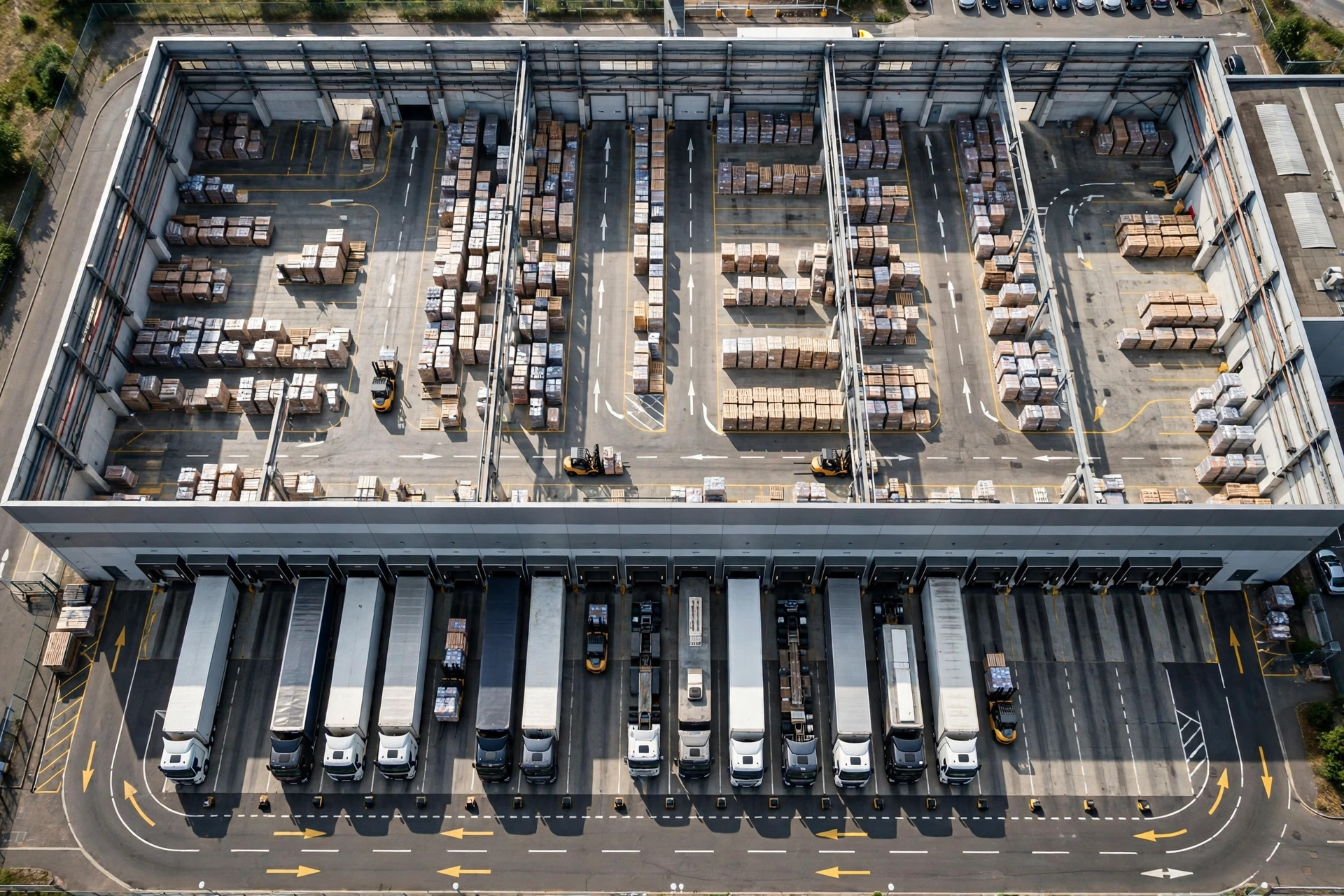
The pitch for a city-edge site writes itself: you sit next to your Madrid delivery points, and urgent replenishment can turn around the same day. The costs behind that pitch often sit somewhere other than the rent line. Docks are few, so morning arrivals queue. Roads around the site clog at peak hours, so promised delivery windows need slack built in. And there is little room to expand, which means a growing business soon needs an overflow site anyway.
I watched one client sign a city-edge lease that spelled out area and term and not much else. It said nothing clear about exclusive dock windows or what happened when another tenant's trucks blocked the bays. Come peak season, a neighbour's vehicles held the docks for half a day, his own trucks could not get in, and he paid for ad-hoc transport to keep orders moving. Spread across that month's orders, the emergency spend cost more than the road miles he thought he was saving. A city-edge warehouse is not a bad choice. It is a choice that has to be contracted properly, with docks, time windows, and expansion written down rather than agreed over coffee.
Madrid's Capital-Region Corridors: What Each Direction Is Actually For
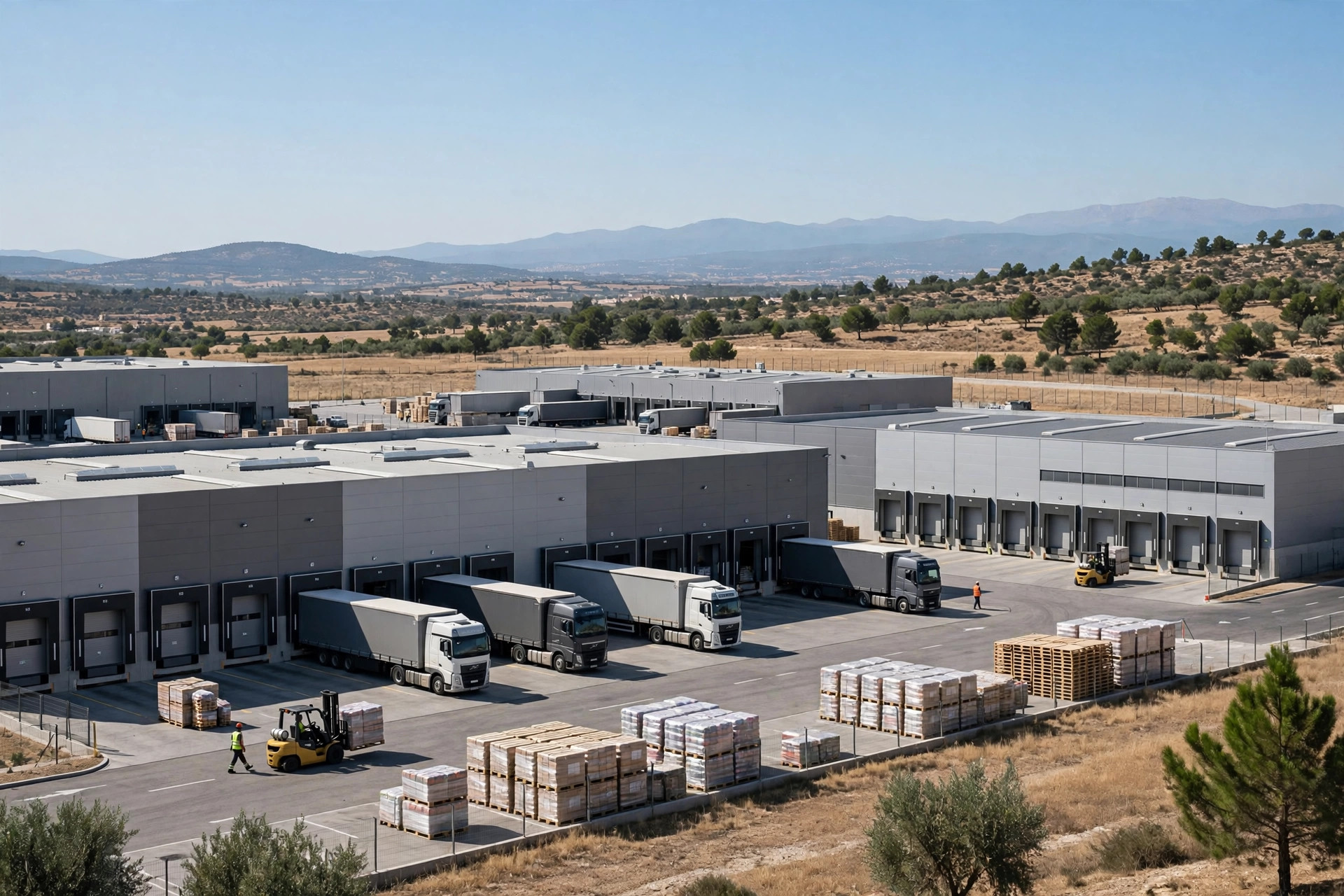
Space around Madrid clusters along a few corridors, and each corridor has its own temperament. The southern corridor connects well to the main highway network and suits distribution across central and southern Iberia, with flexible fleet scheduling. The eastern corridor sits near industrial estates and many suppliers, which suits businesses that receive supplier deliveries constantly. The airport side wins on air-freight connections and fast handling of high-value goods, though for a purely road-based operation that advantage may never be used.
| Location | Suits | Strength | Cost to watch |
|---|---|---|---|
| City edge | Frequent urgent city replenishment | Near delivery points | Tight docks, slow peak-hour access |
| Southern corridor | Central and southern Iberian coverage | Smooth trunk-road connections | Longer run to city customers |
| Eastern corridor | Frequent supplier inbound | Close to industrial areas | Peak congestion around the estates |
| Airport side | Air-freight and high-value goods | Fast in and out | The air advantage is wasted on road-only flows |
Take that table on a site tour and the questions get concrete. Which routes does your freight actually travel? Where do your suppliers come from? Do peak road flows collide with your outbound waves? If you cannot answer those three, a fashionable address is just a guess. Better still, drive the real route on tour day: leave the warehouse on a normal outbound wave, drive to a city delivery point, and note every wait. Then drive the supplier inbound direction in the afternoon. A route that looks tidy on a map can hide its bottleneck in one stretch of road, and more than one client has changed their mind during that single drive.
Madrid Labor and Shifts: Being Able to Hire Beats a Low Rate
We had another client, in seasonal home goods, with two big promotional peaks a year. He started by chasing the lowest labour rate around the warehouse, and moved toward whichever site quoted cheapest. Two weeks before a peak, he still had not filled his night shift, running at roughly seven-tenths of planned headcount, with picked goods backing up and delivery promises unraveling into apology emails. He changed approach: first check how deep the local labour pool runs, whether public transport can actually get workers to the warehouse door, and whether shifts can be rostered without gaps. Only then negotiate the rate. Once he moved to a corridor with workable commuting, hiring smoothed out. The headline rate barely moved, but total cost fell, because the overtime and agency gaps closed.
That is the counter-intuitive judgment I repeat most often: labour cost is not the hourly rate. A site that cannot hire, cannot retain, or cannot roster will hand back every saving through overtime, mis-picks, and rework. On a tour, look at the bus lines and the commute time for a warehouse worker, not just the rate card in the meeting room. And get flexibility into the contract: a channel for peak-season hiring, notice periods for shift changes. Agreed in advance, those clauses cost little. Negotiated mid-peak, they cost everything.
Madrid as an Iberian Hub: How Far Should One Warehouse Reach?
Madrid is often cast as the natural hub for Iberian distribution, and the logic holds, but the radius has to follow the freight. Time-sensitive goods run most cleanly from Madrid across central Iberia; stretch the promise toward coastal port cities and border crossings and the trunk-road time grows, so service promises need tiers rather than one blanket commitment. A common pattern is a Madrid central warehouse plus a satellite or partner site toward the coast: urgent orders flow through the satellite, steady volume through the centre.
Port and airport links need separate costing. Imported freight arriving through a port still needs customs clearance, transfer, and put-away as one chain, and a warehouse near the trunk road keeps that chain short. If the site forces transfer trucks onto a daily detour, the time and freight loss quietly lands on every order. Air freight reverses the logic: the airport-side site connects fast, but the warehouse roster has to follow flight waves, or the speed advantage never materialises. Supplier direction matters the same way. When inbound comes from one fixed direction, a warehouse on that trunk road makes receiving windows plannable and ad-hoc arrivals manageable.
So back to the appliance-parts client: he settled on the southern corridor not because it topped every category, but because his order mix was weighted to central and southern Iberia with city urgent orders as the smaller share, and the southern site's roads and rosters matched that mix. Rent, labour, and location each mislead on their own. Run them together against the order profile, and the answer usually shows itself.
Next time you sit down to negotiate, ask these three questions: how are dock access and time windows guaranteed, and are they written into the contract? Is there a channel for peak-season hiring and shift changes, and how much notice does it need? When the business grows, how does expansion work — on site, or through an overflow warehouse, and who pays for it? Get those three answered, and the rent negotiation has something solid to stand on.
By Susan, 3PL Sales Director