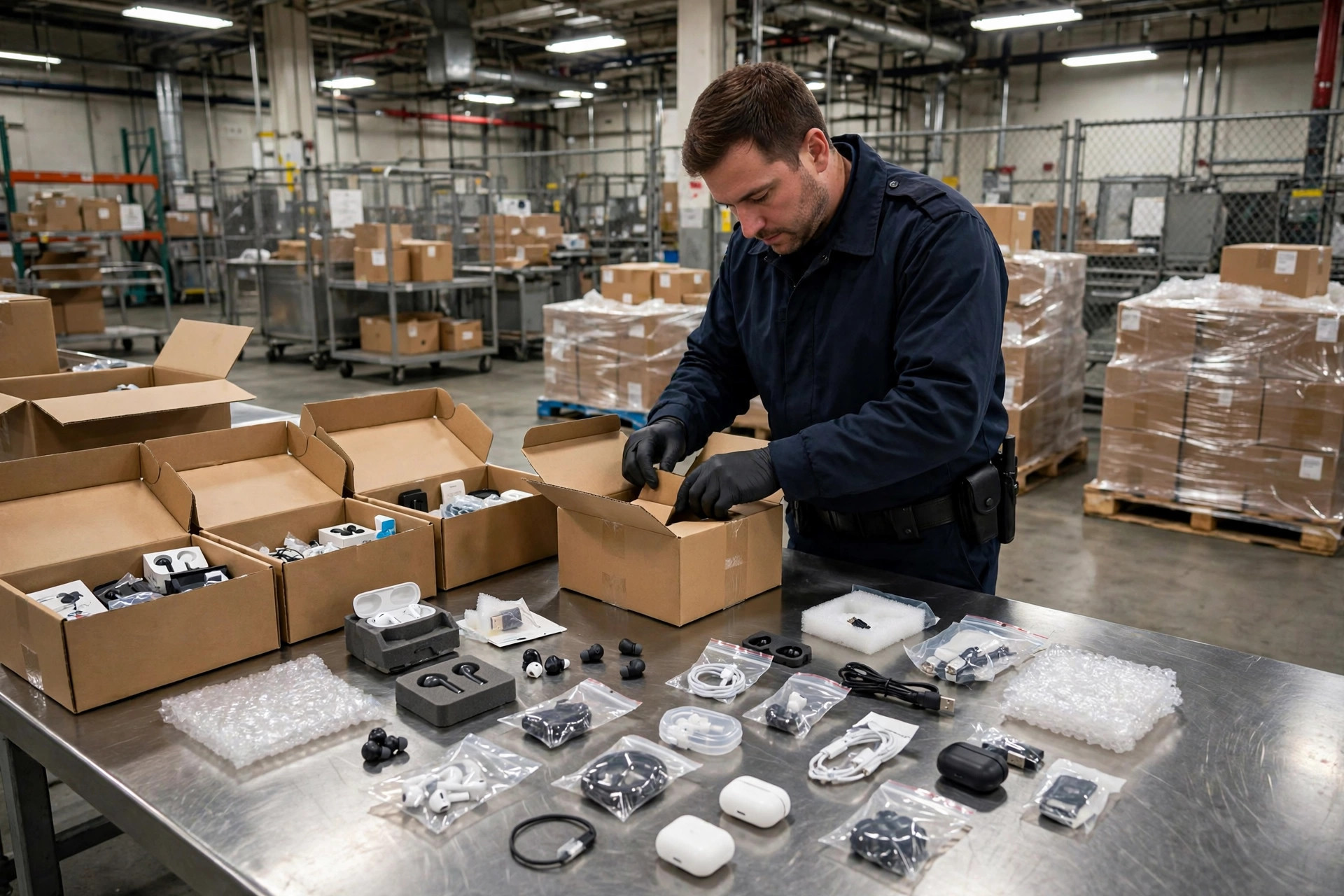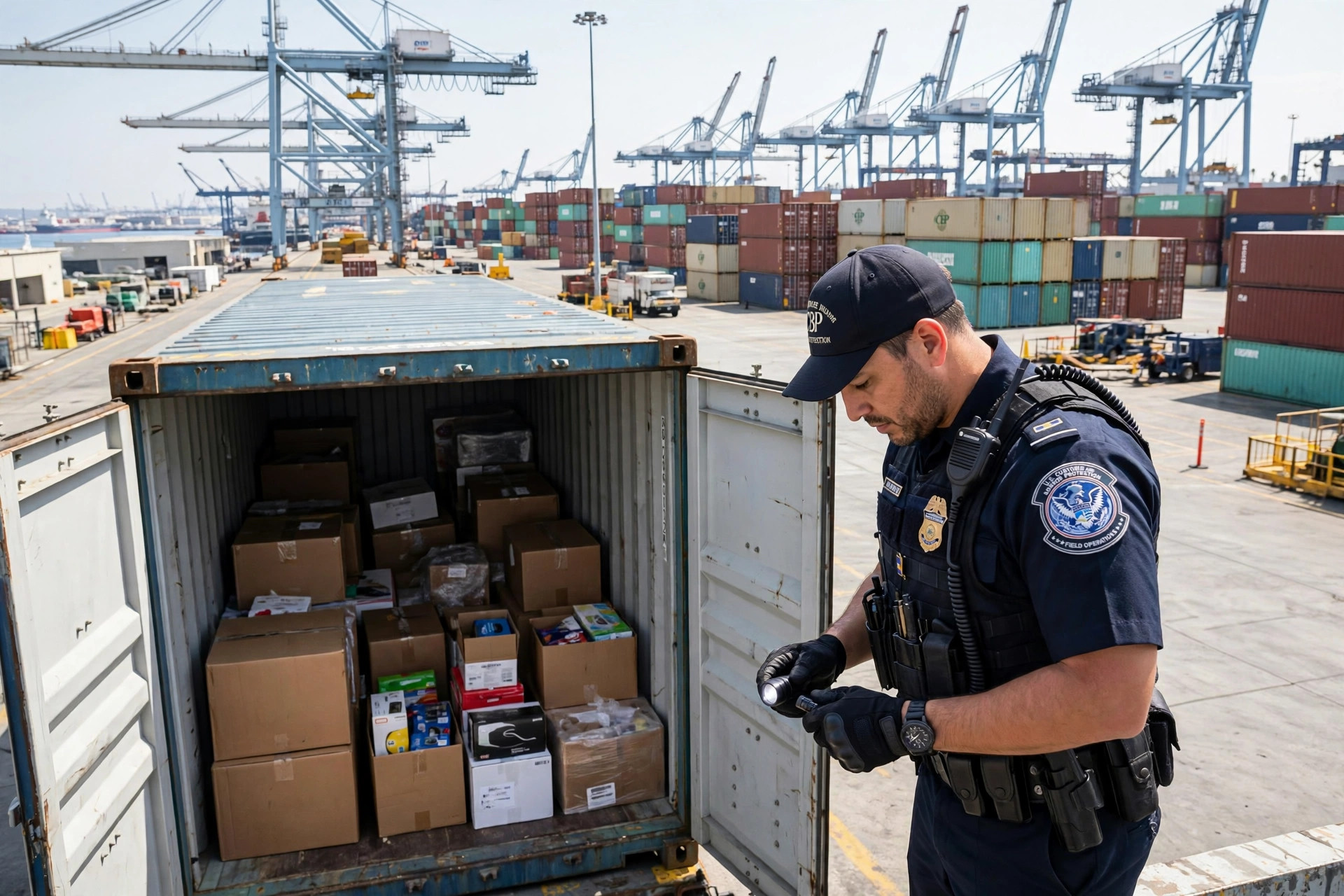
In the summer of 2024, a client who had ordered two AGVs from China called me, furious. The shipment had been sitting at the Port of Long Beach for over ten days and he couldn't get it released. The paperwork was clean, the equipment was fine. The port's answer was one line: the wooden pallets had no marks. Detained.
I asked him what the equipment was packed in. Wooden crates on wooden pallets, he said. I told him to have the manufacturer send a photo of the stamp on the crates. The photo came back — bare wood, not a single mark. I told him right there: this one's going to hurt, and there's nobody to blame but the shipper.
This is the most overlooked rule in importing equipment into the United States: any solid wood packaging material that arrives with your goods — pallets, crates, dunnage — must comply with ISPM 15, the IPPC's international standard for treating wood packaging. USDA's Animal and Plant Health Inspection Service (APHIS) enforces it at the ports. When inspectors find unmarked solid wood, they can detain the entire container. Not just the offending pallets — the whole container. Your automation line can sit in a yard for weeks because of a pallet.
What the mark says — and what inspectors actually check
The ISPM 15 mark is easy to recognize once you've seen it: the wheat-sheaf IPPC symbol, followed by a short string of codes. Country code (CN for China), the registration number of the certified treatment provider, and the treatment code. The treatment you'll actually encounter in the field is HT — heat treatment, which requires the core of the wood to reach 56°C and hold it for 30 minutes. There's also MB, methyl bromide fumigation, but methyl bromide has been restricted in many jurisdictions for environmental reasons, so compliant wood packaging you see in practice almost always carries an HT mark.
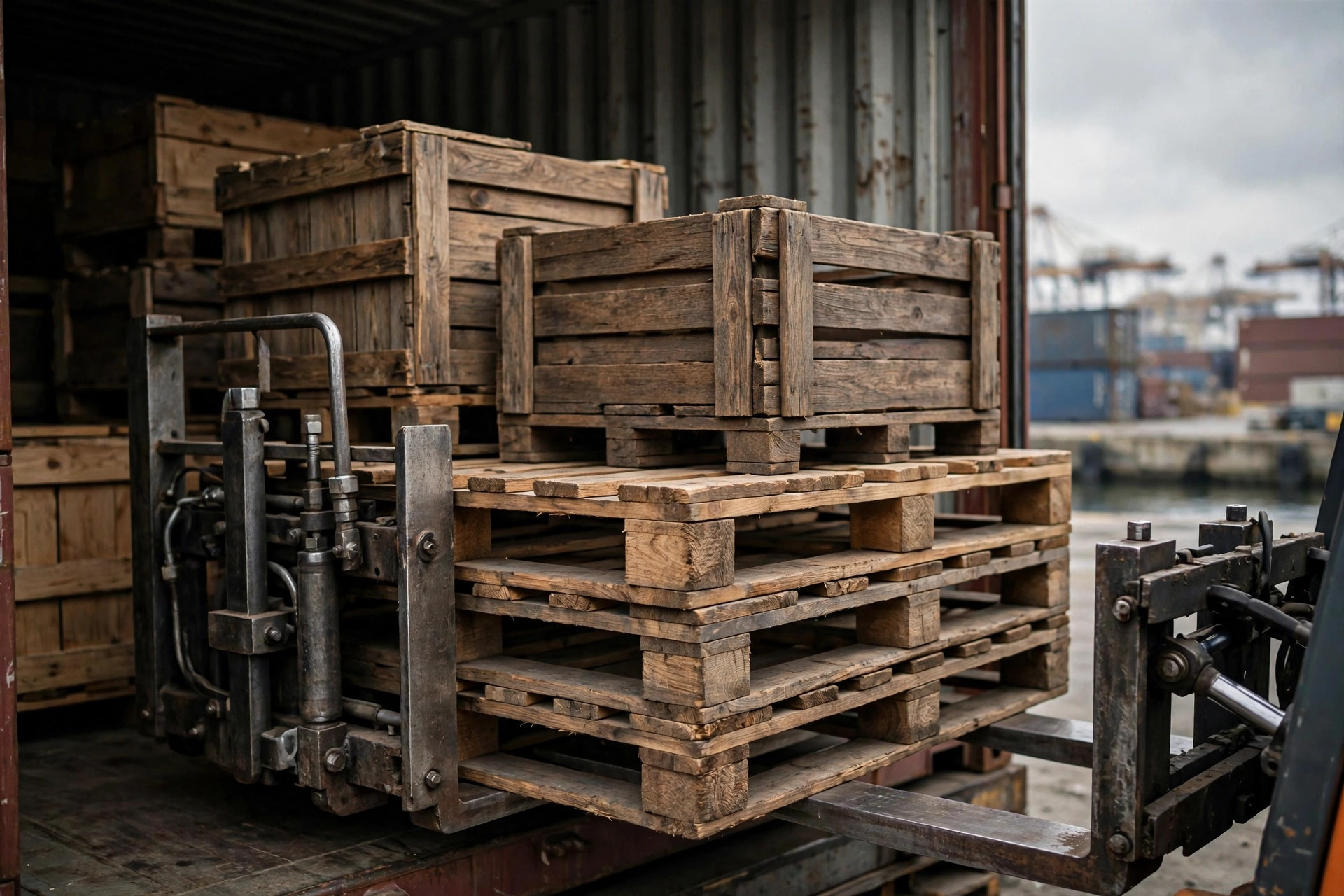
Three details decide whether the mark counts. First, it has to appear on two opposite faces of the wood packaging, applied with paint or a heat brand. Handwritten marks don't count, and neither do illegible ones. Second, only solid wood needs the mark. Manufactured wood products like plywood, particleboard, and OSB are heat-treated during production and fall outside ISPM 15. Third, the mark follows the treated wood, not the crate: a plywood crate sitting on solid-wood pallets means those pallets each need their own mark. That last one is the classic trap, and I've seen more than one shipment die on it.
One more misconception worth killing: the mark cannot be added after the fact. ISPM 15 requires the wood to be treated before it's turned into packaging — the mark is evidence of treatment, not a sticker you apply later. If an inspector finds a mark that doesn't match the treatment records, the problem escalates from "non-compliant packaging" to "fraudulent marking," and the consequences get much worse. So don't let a supplier talk you into "we'll figure it out once it lands in the US." That road doesn't exist.
Whose job is the stamp? The chain of responsibility usually breaks here
On paper, the shipper is responsible: you bought the equipment, the manufacturer owns packaging compliance. In practice, equipment manufacturers rarely build their own crates — crating and pallets get subcontracted to a packaging shop. Whether that shop uses heat-treated lumber, whether it holds a valid certification, whether the marks are applied correctly — the equipment maker may never check. The longer the chain, the thinner the accountability.
So don't rely on assumptions. The purchase contract needs a packaging clause with teeth: all wood packaging material must comply with ISPM 15, be sourced from an officially registered treatment provider, and carry clear, traceable marks; all inspection, detention, and treatment costs caused by non-compliant packaging fall on the supplier. Once money is on the line, manufacturers suddenly find the time to supervise their packaging vendors.
And before the container is sealed, do one thing yourself: have the supplier send close-up photos of the marks on the crates and pallets — the wheat sheaf, the CN code, the provider number, the HT code, all of them, sharp enough to read. Ask which treatment company did the work and what its registration number is. It's five minutes of diligence that saves two weeks of port purgatory. The 2024 AGV shipment was the cautionary tale: the manufacturer swore "we always ship this way," but its packaging shop had no valid certification and had sprayed on somebody else's mark. The port checked the number, it didn't match, and the container stayed put.
If your container gets held: the three exits, none of them cheap
Once APHIS detains a shipment, there are generally three ways out. First, fumigation at the port — the wood gets treated on site and the shipment is released. It sounds simple, but fumigation has to be scheduled, the treatment vendor bills at current rates, and meanwhile container demurrage and port storage charges accrue daily. Check the carrier's and terminal's current tariff for the numbers; they won't be small. Second, re-export the whole container. You pay freight twice, and the wood packaging has to be fixed before it ships again — the delivery schedule is effectively dead. Third, destruction of the wood packaging. That one is mostly theoretical — the equipment has to go somewhere — but it's written into the regulations, which tells you how seriously they take it.
So here's my verdict: wood packaging compliance has exactly one correct solution, and it's getting the marks right before the container is sealed in China. Every dollar you spend at the port afterward is paying for the five minutes you skipped before loading.
Pre-shipment packaging checklist
- Write the packaging clause into the purchase contract: all wood packaging must comply with ISPM 15, marks must be traceable, and all costs from non-compliant packaging fall on the supplier
- Confirm the treatment provider's official registration and record its number
- Get close-up photos of the marks on crates and pallets before loading — wheat sheaf, CN, provider number, HT, all legible
- Verify materials: a plywood crate on solid-wood pallets is the classic trap; the pallets need marks too
- Keep loading photos and mark close-ups on file for customs inquiries
- Confirm with your forwarder that the bill of lading and customs documents accurately declare the wood packaging
Before you place your next equipment order, add one line to your purchase contract template: "All wood packaging shall comply with ISPM 15." It costs nothing. It saves you a whole container's worth of trouble.