If you sell warehouse equipment into Indonesia, here is my judgment up front: SNI certification is not a formality you sort out the week before shipment. It is the gate that decides whether the order makes money at all. I have watched too many exporters price a deal carefully, win it, and then watch the margin burn away in port storage while a certificate was still pending.
The story has two sides. On one side, demand in Indonesia is real. New warehouses keep going up around Jakarta, and racking, forklift attachments, conveyors, and sorting gear all have genuine buyers. On the other side, the SNI gate does not bend because your contract has a tight delivery date. A container that cannot clear customs is not a sale, it is a liability sitting in a yard. The exporters who get hurt are usually not the ones who ignored certification. They are the ones who treated it as something an agent would quietly finish in the background.
What SNI Actually Covers in Warehouse Equipment
Start with scope, before money or timelines. Warehouse equipment is not one category. A racking system, a pallet, a forklift attachment, a conveyor line, and a lift each sit under different treatment. Sometimes the whole machine is in scope. Sometimes only a load-bearing component is. The beams and uprights of the same rack can be judged differently, and a system sold as a set is not judged the same way as its parts sold separately.
I will not hand you a fixed master list here, because scopes, standard numbers, and applicability change, and a stale list is worse than no list. For your specific product, check the current official position — always go by the latest official policy published by the Indonesian authorities — and then have your buyer and your local agent verify it against your drawings and specifications. Get all three aligned in writing before you schedule production. Taking a single intermediary's word for it is the most common way a project starts wrong.
Labels and manuals deserve the same attention. Indonesian-language markings, product information, and safety warnings are not decoration. A missing item can send a full container back for relabeling, which means opening cartons, reapplying labels, and booking another inspection. That is never just the price of a sticker.
A Shipment I Watched Stall in Jakarta
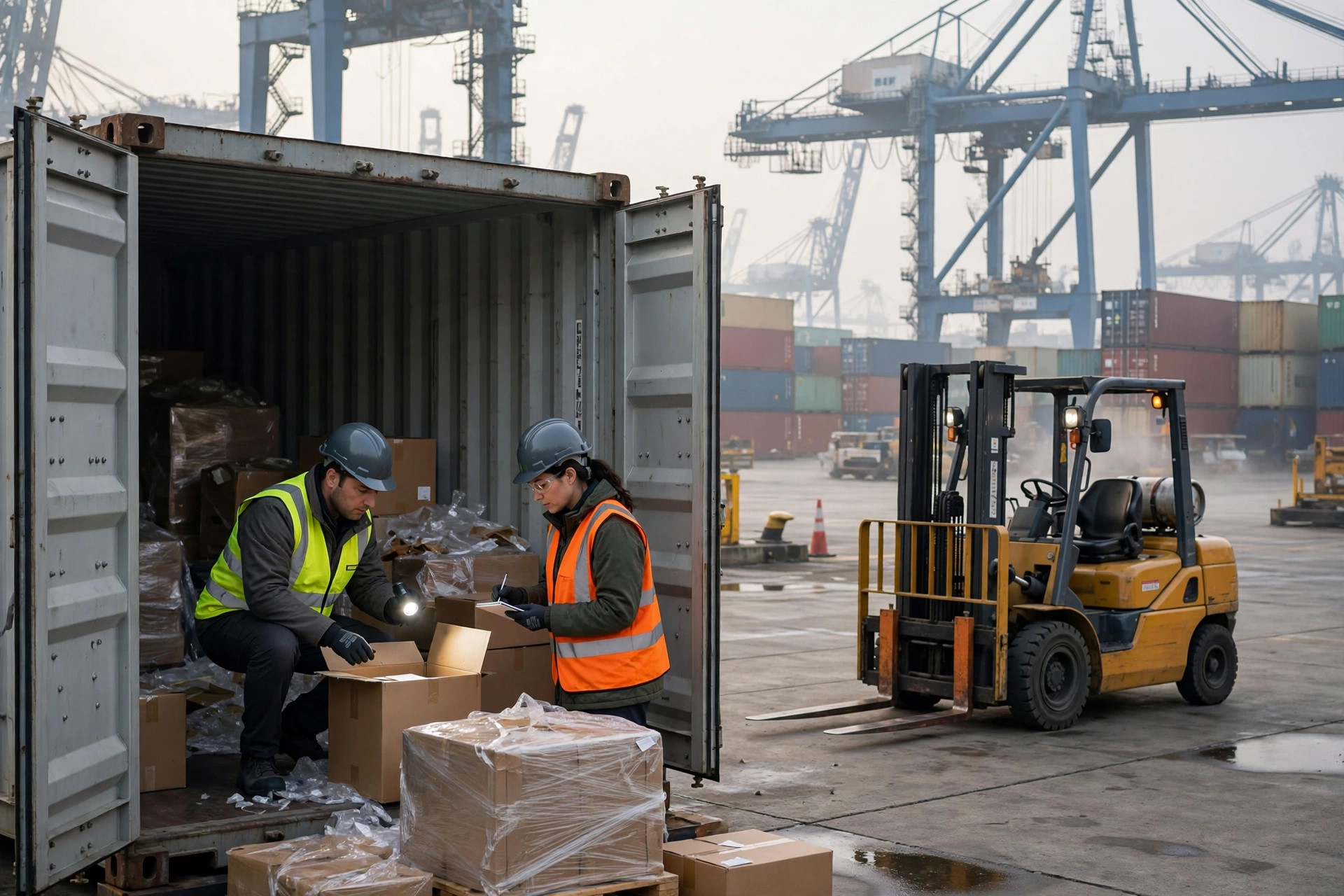
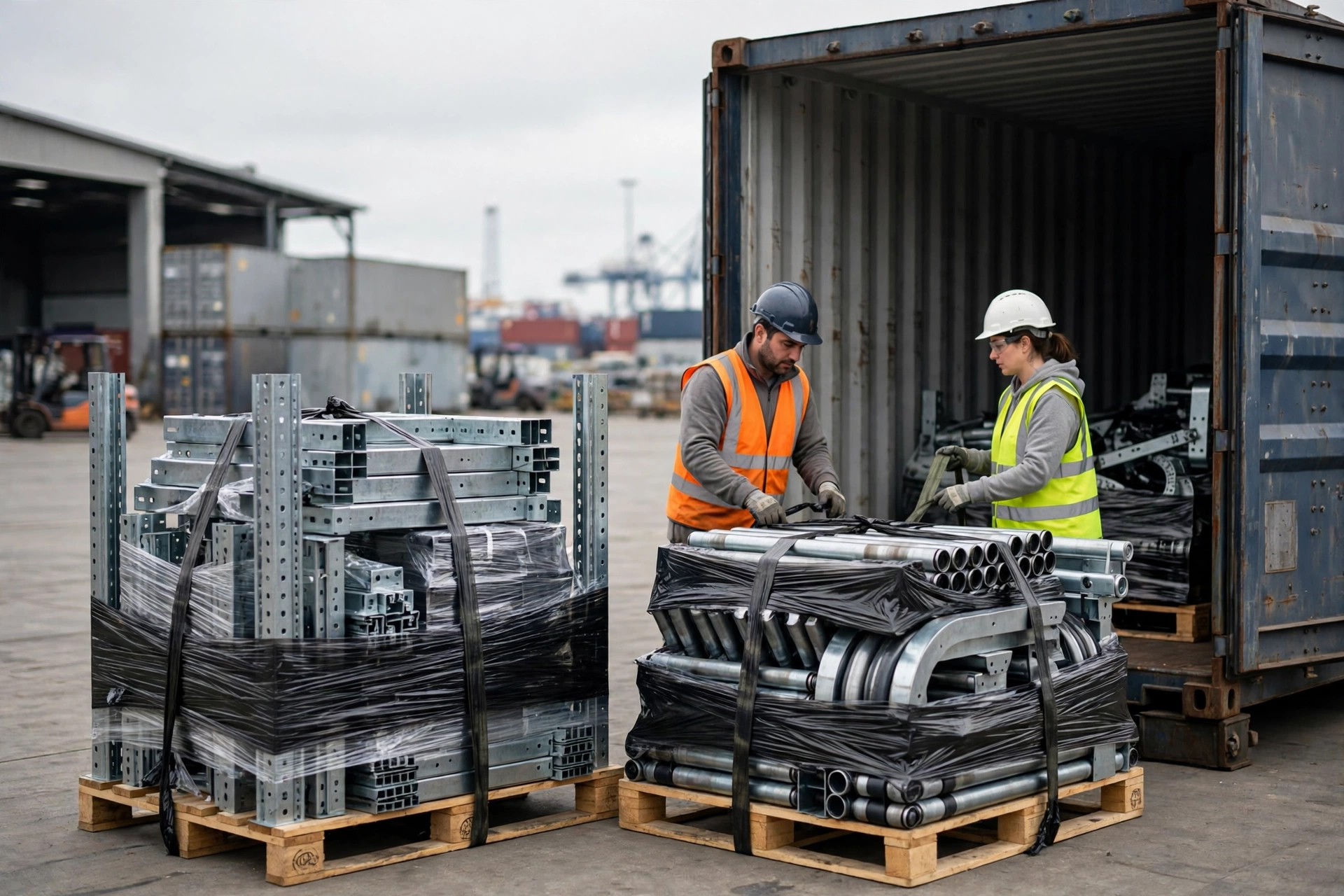
In the second half of 2023, a steel racking factory in Ningbo won an order from a Jakarta distributor: two 40-foot containers of beams and uprights, with a tight delivery clause. The factory did what it had always done. It scheduled production first and left certification to an intermediary, who said the process was underway and told them not to worry. The containers reached Jakarta before the certificate did. The distributor's warehouse expansion was waiting on that racking, so the goods sat in the port area while the factory and the customer argued over who would carry the mounting charges. By the time the missing documents and tests were completed, more than a month had passed, and the order's profit had largely been eaten by storage and rebooking.
The lesson is about sequence, not difficulty. Shipping first and certifying second hands control to the port schedule. The right order is the reverse: write the certification milestones into the delivery plan before the contract is signed, and do not run production at full speed until the critical certification gates have passed.
A second story points the other way. In early 2024, a small conveyor roller maker in Suzhou took a different route on its first Indonesian order. It sent a small sample batch through the certification process first. The batch was small enough that a failure would not hurt much, and it exposed every gap: a missing document, a label problem, a test report in the wrong format. When the main shipment followed, the path was already cleared. That sample batch cost a little money and bought something far more valuable: a main shipment that did not stall.
Sequencing Certification, Production, and Shipment
The order I give clients has four steps, and the order matters. First, settle scope: with drawings and parameters in hand, agree with the buyer and the agent whether the product is in scope and whether it travels as a whole machine or as components, and put that agreement on paper. Second, prepare documents in one pass: business license, product description, technical drawings, existing test reports, and draft Indonesian labels. This stage causes more delay than testing itself, because one missing paper stops everything while replacements are couriered back and forth.
Third comes testing and any factory audit. I will not quote you a fee, a timeline, or a certificate validity period here, because those figures vary by product, by body, and by year. Check the latest official policy before you sign, and price the order against the figures in force at that moment. Fourth, ship only once the certificate is in hand. It sounds slow. In practice it is the fastest route, because rework and port delays are the real slow path.
One more timing trap: certification, production, and vessel booking are three parallel tracks, not one straight line. Prepare them side by side. While documents are being reviewed, keep production flexible: build common parts first and hold product-specific parts until the certification direction is settled. Book shipping on terms you can change. When the three tracks are tied into a single chain, one jam stops everything.
SNI as a Cost Decision: Certify First or Ship First
When you cost the job, do not compare certification fees alone. The real cost has four parts: the certification itself, samples and testing, the time value of waiting, and the cost of failure — port storage, rebooking, and a damaged customer relationship. Exporters who optimize only the first part tend to pay heavily on the fourth.
| Approach | When it fits | Where the cost sits | Biggest risk |
|---|---|---|---|
| Certify, then ship in bulk | Repeat supply, large volume, stable customer | Up-front certification and samples | Slow start, may lose rush orders |
| Sample first, bulk follows | New customer, new product, first entry into Indonesia | Sample and small-batch cost | A passed sample does not guarantee the bulk batch; documents must stay consistent |
| Ship first, certify later | Only if you have confirmed the product is out of scope; otherwise avoid it | Looks cheap up front | Port storage, rebooking, lost customer — the most expensive outcome |
Here is the counter-intuitive part: the most certified route is not always the most profitable one. For a borderline product, pouring money and months into full certification can be worse than first confirming whether it is truly in scope, or adjusting the product structure or supply format so it takes a lighter compliance path. Compliance is not a contest for who holds the most certificates. It is the discipline of getting goods delivered inside the rules. Exporters who treat certification as a cost center try to save on it everywhere; exporters who treat it as part of order delivery lose the fewest orders.
So before you quote your next Indonesian price, ask one question first: where exactly does SNI stand on this order?
By Lao Mi, Supply Chain Veteran (20 yrs)