Tuesday, 8 a.m. My phone rings. It's the customs broker: "Lao Mi, your shipment got flagged. The inspection notice is out — 2 p.m. today, exam yard."
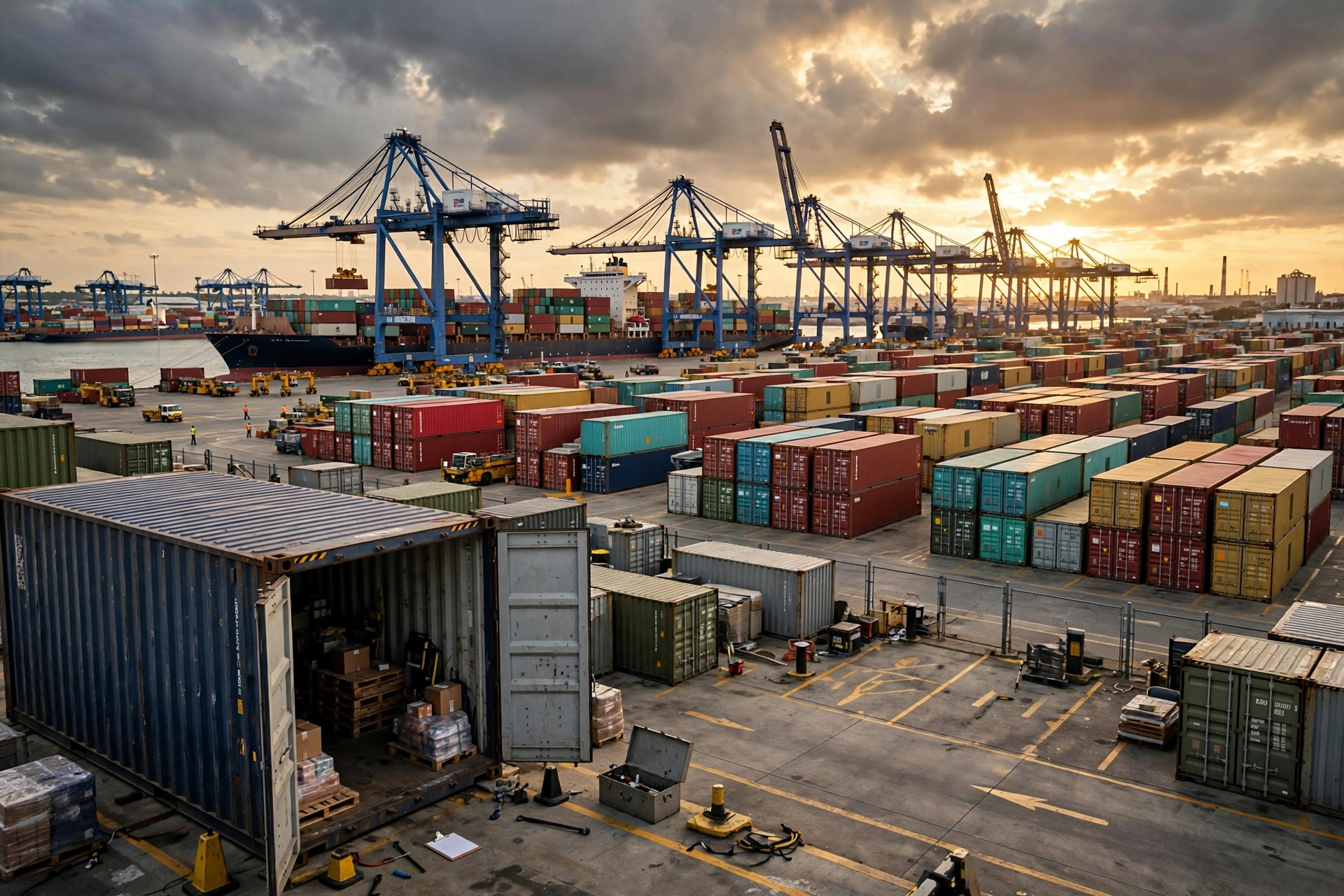
I glance at the manifest: a 40-footer, discharged at Ningbo Beilun last week, small home appliances. I hang up and my mind is already running: is the dock clear? Is the forklift driver on shift? Is the box-opening kit complete?
Twenty years in warehousing: import receiving is half cargo, half dancing with customs and commodity inspection. Dance well, clear in a day. Dance badly, sit a week while fees bleed.
The full playbook: what to stage when a notice lands, how sampling differs, how to handle exceptions, and how to sync scheduling with your broker so containers don't sit. Checklist at the end — print it, pin it.
Three kinds of inspection, three different jobs
People talk about "customs inspection" as one thing. It's three, and the warehouse prep is completely different for each.
First, machine screening. The container rolls through a scanner; officers read the image. If it's clean, it clears. The warehouse barely lifts a finger — just get the box to the screening lane on time. But don't celebrate early: a suspicious image converts straight into a manual exam.
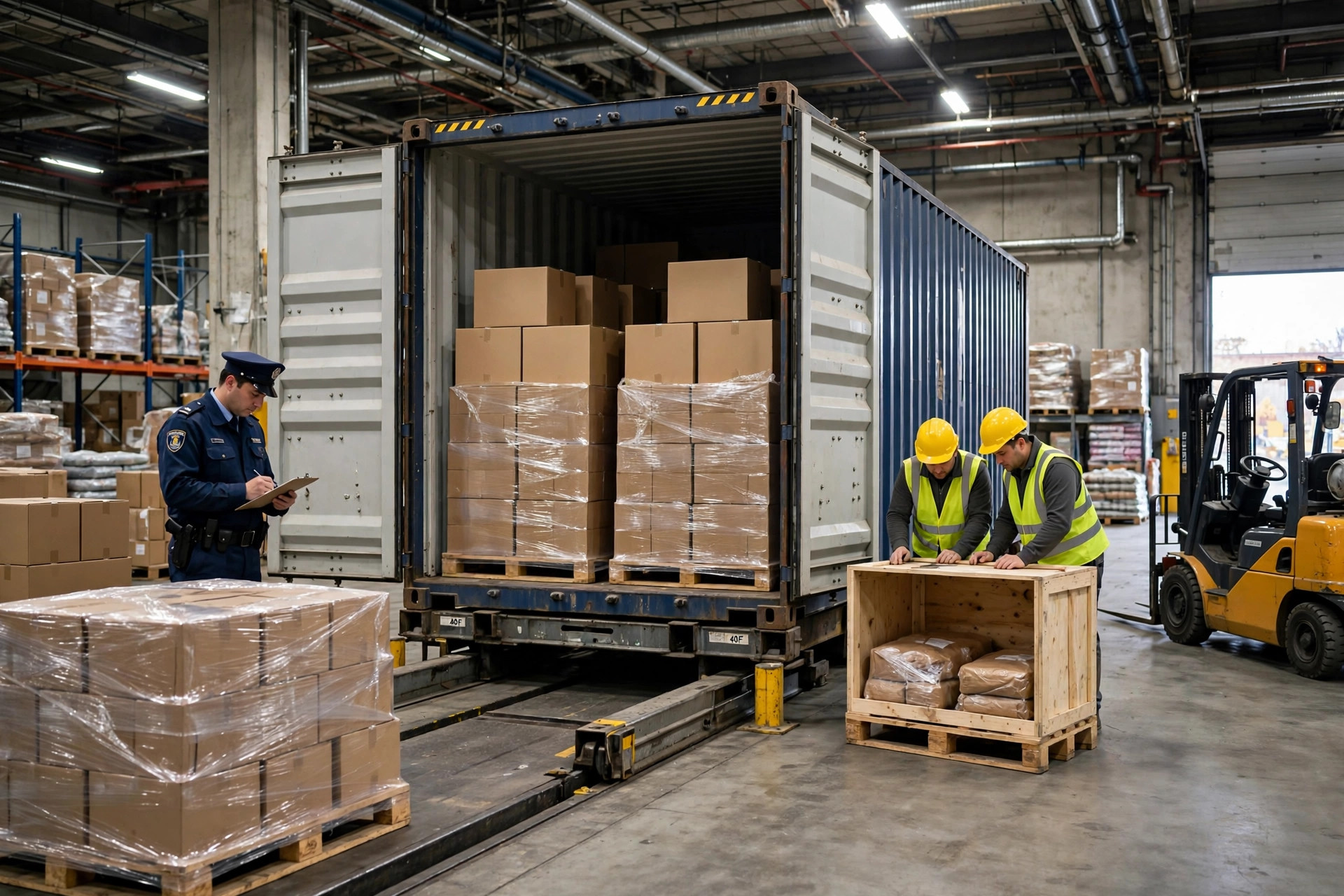
Second, the manual exam — the opened box. This is the warehouse's main event. Officers show up, point at which cartons to open and which pieces to pull, and the warehouse does the lifting, opening, staging, and restoring. A "targeted" exam — flagged by the risk system on commodity, importer history, routing — is almost always manual. When the notice says targeted, don't hope for a scan-and-go.
Third, commodity-inspection sampling, for regulated goods. Since the institutional reform folded commodity inspection into customs, the work hasn't changed: sample, send to the lab, wait for the report. Food, cosmetics, children's products, electronics with batteries or magnets — much of it sits on the regulated list. This one runs the longest because lab testing takes time. The warehouse supports sampling, witnesses the sample sealing, and waits.
Manual exams test your floor; sampling tests patience and paperwork. Know which you're facing.
When the notice lands: four things, immediately
Notices usually come through the broker, with a time, a place, and the exam type. The window is tight — same day or next.
Space first. You need a dedicated exam area: room for the full container to dock, plus space for opening, staging, and restoring. I've seen warehouses where one exam container paralyzes the entire dock — that's a facility with no exam zone planned. Mark a fixed area. It can hold flex freight on quiet days, but it must be clearable within two hours of a notice. Floor clean and dry; for food or pharma, basic hygiene standards apply.
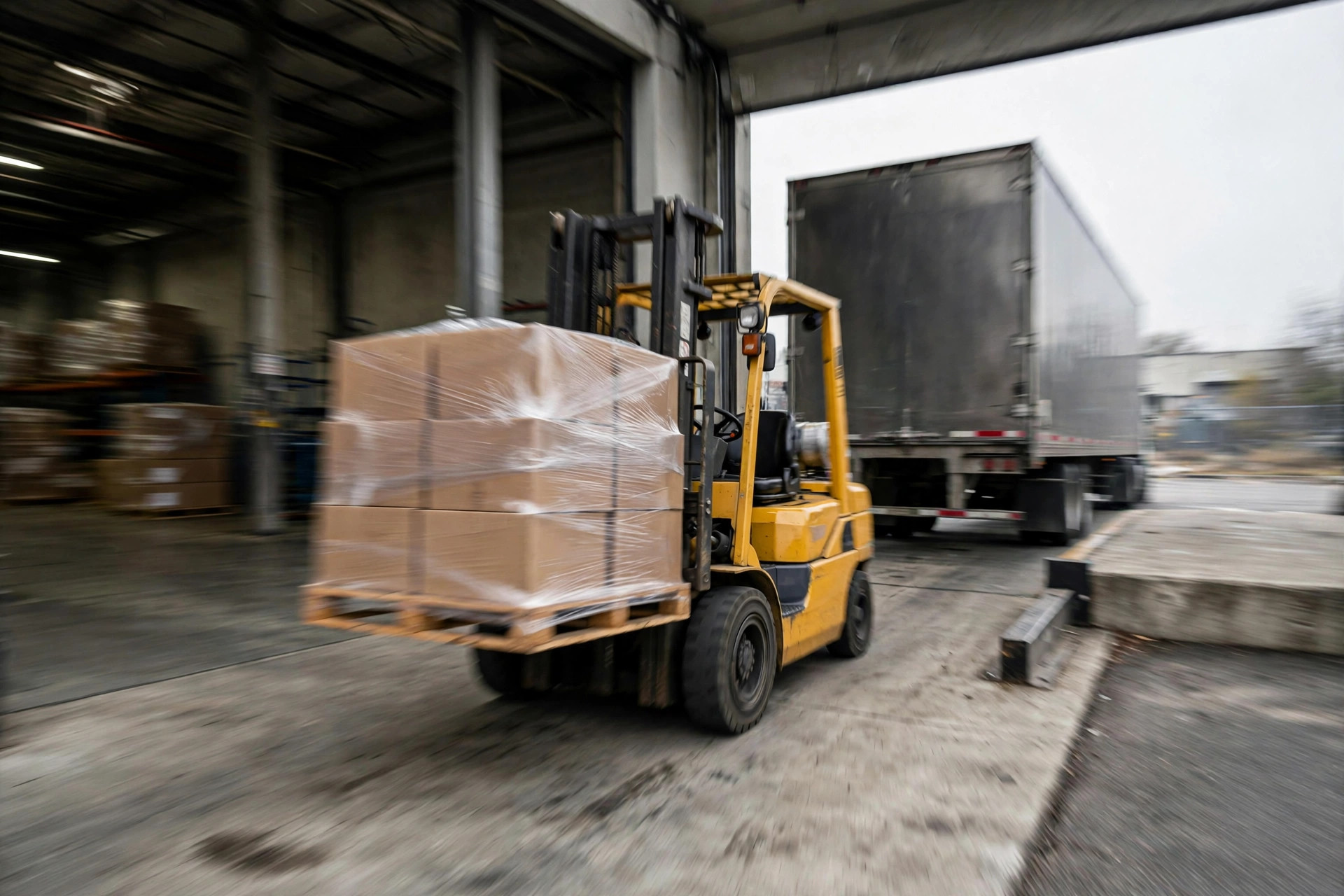
Equipment next. A forklift is non-negotiable — keep a 3-ton electric dedicated to exam support. Diesel exhaust around open food or apparel cartons is a bad idea. Keep a standalone box-opening kit: utility knives, pry bar, packing tape, stretch film, markers, tape measure, digital scale. When the officer says "open the third carton in the second layer," you don't want to be borrowing a knife. Tape and film are for restoring — opened cartons go back the way they came, and if they don't, that's on you.
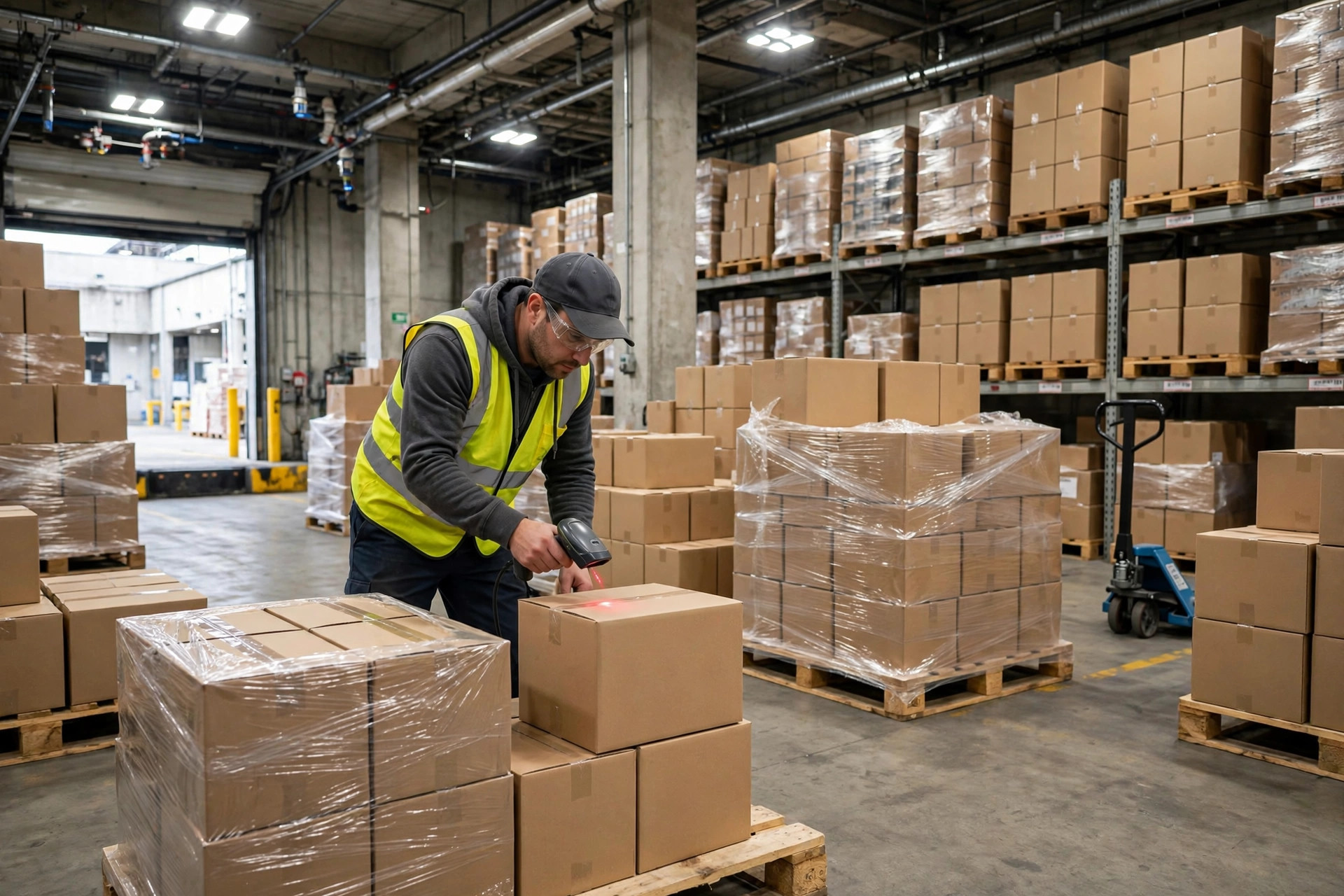
Then people. Name one exam coordinator, on-site for the whole thing. Three requirements: know the cargo (what it is, what the packaging looks like), know the paperwork (packing list and invoice copies in hand), and document everything (photos, timestamps, the officer's instructions). Don't send a temp to "just watch." When the officer asks "how many pieces should be in this carton" and gets a shrug, the exam takes twice as long. The broker's rep will be there too, but they're there for procedure — the lifting and the floor choreography is the warehouse's.
And paperwork. Three copies each of the packing list, commercial invoice, and bill of lading: one for the officer, one for the broker, one for your file. Cargo-document match is the whole point. Show up short and the officer goes carton by carton. The clock runs on you.
Commodity sampling runs on a different script
For regulated goods, the logic changes. Customs exams ask "does the cargo match the documents." Commodity inspection asks "is this stuff actually compliant."
Officers sample per plan — whole cartons, or proportional picks across opened cartons. The warehouse moves the designated cartons, assists opening, and witnesses the sealing. Don't rush it: once the seal goes on, custody transfers, and the sealing record stays in your file.
After sampling, the goods don't move. Days at best, two to three weeks at worst. Set aside a quarantine zone and lock the shipment in the system under "pending inspection." There's a hard rule: apply for the inspection certificate with the local authority within 30 days of import; only cleared goods may be sold or used. The broker tracks the deadline, but the freight sits in your building — when it goes overdue, you're the first call.
If sampling fails, customs issues a result notice and the importer remediates under customs supervision. Can't remediate, or still fails — re-export or destruction. The warehouse then supports sealing and loading for re-export. Never "help" with remediation yourself — it must happen under supervision. Touch it and the nature of the act changes.
The three exceptions that hurt most
Exams don't fear slowness. They fear exceptions. Three common ones.
Cargo-document mismatch. The contents don't match the packing list: short cartons, mixed models, a shipment that isn't what's on the papers. First move: stop, photograph, log. Time, carton number, quantities — hand it to the broker and importer to explain. Never explain on the importer's behalf. The moment you say "the factory probably mis-shipped," your words become testimony. You're witness and record, not defense counsel.
Label mismatch. Outer marks don't match the documents, or product labels — origin, composition, specs — don't match the declaration. Apparel, food, and personal care are the usual suspects. Same handling: log, photograph, escalate. And never "help" by swapping labels on-site — altering cargo labels is enforcement-sensitive territory. Touch them and cooperation becomes interference.
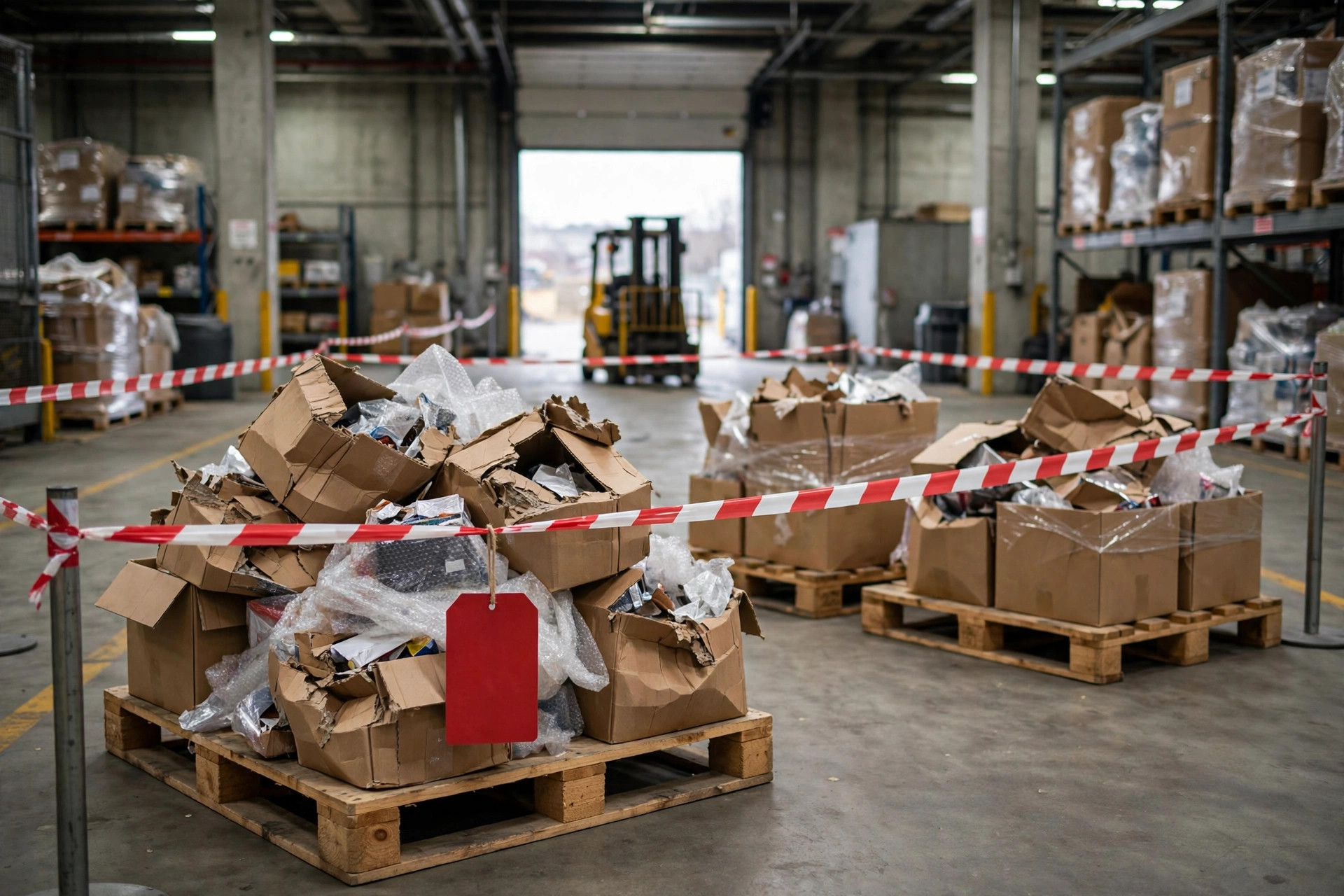
Damage. Breakage, moisture, mold on opening. Photograph first, then determine: transit damage or exam damage? If the exam caused it, confirm with the officer on the spot and log it — your basis for any claim. If it predates arrival, notify importer and forwarder to run insurance.
Together, these define the compliance boundary: assist with opening and handling, record truthfully — but never touch the seal, never pre-open flagged cargo, never explain classification or valuation for the importer, never promise a release time. Hold the boundary and exceptions stay someone else's problem.
Demurrage bleeds quietly
The exam is free; time is not. Free storage at the terminal is typically 7–14 days; past that, demurrage and storage stack daily. Three lost days wipe out whatever you saved on freight.
Cutting dwell time is schedule sync with your broker and forwarder. Three things.
Get information early. The moment the vessel berths, ask the broker: flagged? Regulated? Flagging data lives in the system well before the notice — half a day of early prep means no panic on exam day.
Schedule off the peak. Exam yards and dock doors are finite; Monday and Tuesday are rush days. If the cargo isn't urgent, book Wednesday or Thursday — queue time can drop by half.
Pre-plan the exception path. For regulated and high-risk categories — chemicals, food, medical devices — agree before arrival: quarantine location, lab timeline, who pays. Settle it in calm weather and there's no argument in the storm.
And the one people miss: pull fast after release. Release notice drops, container out within 24 hours. Sitting at the yard after release still burns money. Pure waste.
The wall checklist
Print it, pin it in the receiving office. When the notice lands, work down the list:
- Exam type confirmed: machine / manual / sampling; broker's arrival time locked
- Exam zone cleared: dock slot plus work area, available within two hours
- Equipment staged: one 3-ton electric forklift, one box-opening kit (knives, pry bar, tape, stretch film, markers, tape measure, scale)
- Coordinator named: one person, carrying packing list, invoice, and B/L copies
- Floor discipline: don't touch the seal, don't pre-open, don't explain for the importer, don't promise release times
- Process log: photos, timestamps, officers' instructions; exceptions confirmed in writing on the spot
- Restore and reseal: opened cartons returned to original condition
- Sampling extras: sealing record kept, quarantine isolated, system locked to "pending inspection"
- Pull fast: container out within 24 hours of release
Import-exam cooperation comes down to four words: don't make it worse. Customs wants speed and truth; the warehouse supplies space, equipment, people, and records. Get those four right and an exam is just a procedure.