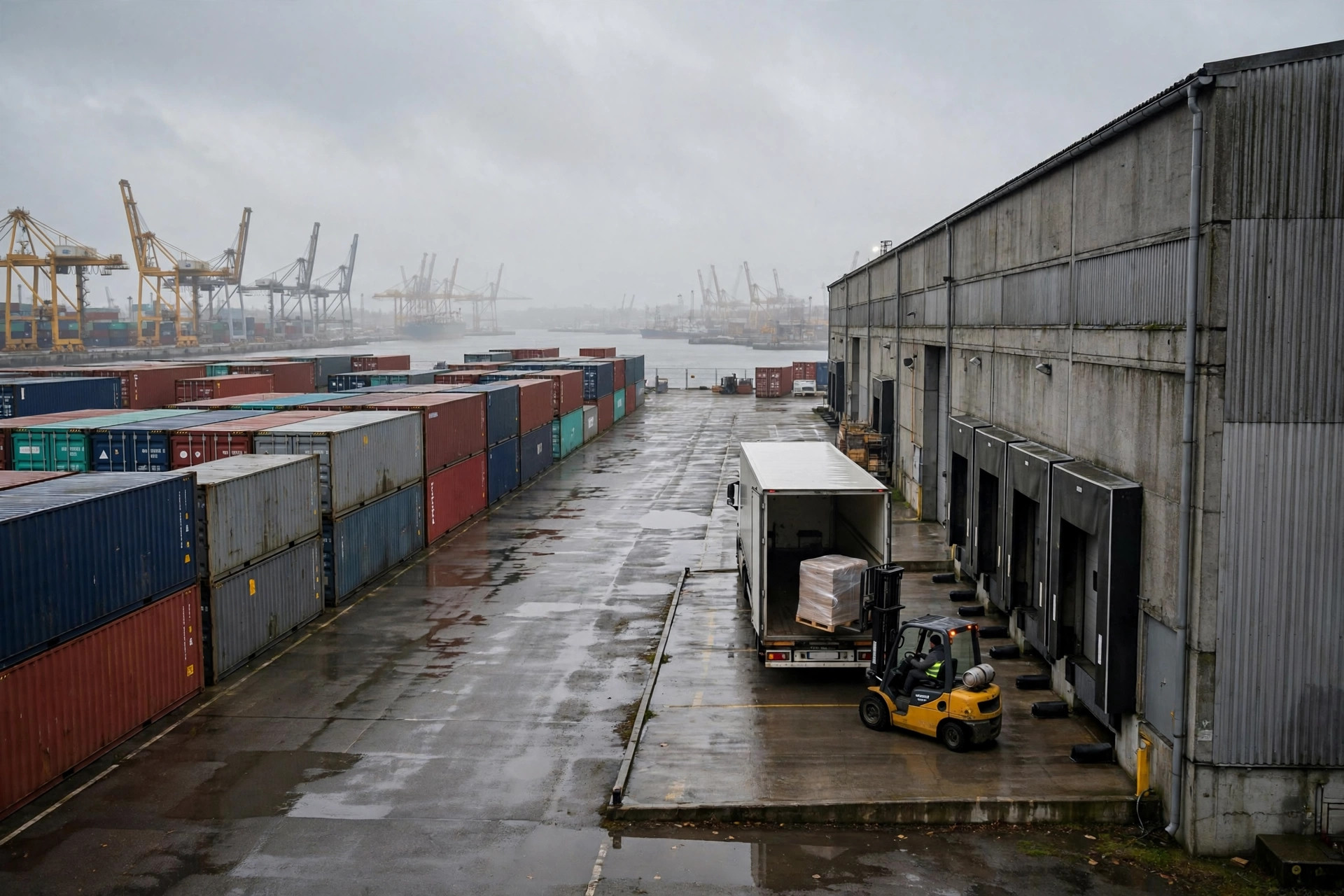
Let me tell you how I first got to know Gdansk. Not from a map. From the road. One late autumn night I was hauling a load from Germany up toward the north of Poland, and by dawn I was outside the port of Gdansk in thick fog, the cranes standing in it like shadows, and a line of trucks waiting to pick up containers that seemed to have no end. The Polish driver ahead of me got out for a smoke and said, don't let the queue fool you. Freight comes off the ship here and goes south into Poland, west into Germany, and east to the Baltic states. This place was born to be a distribution point. I have driven for fifteen years, and I believe one thing: before you ask whether a place is worth a warehouse, watch where the trucks actually run, check whether you can book a dock door, and ask what winter does to the place.
I have since run Gdansk lanes for several shippers, and the lessons came the hard way. One customer sold small home goods, shipping in from Asia through the port of Gdansk for the Polish market and eastern Germany. A forty-foot box, timed to land before the Christmas season. The ship berthed on schedule, but picking up the container took most of a day, trucks stacked outside the gate waiting for release. The shipper called me in a panic, and I told him straight: you planned the sailing, you forgot the pickup. We changed the play. Instead of holding everything in a port-side warehouse, we pulled the freight out to a suburban transit warehouse and split it in two flows, one toward Warsaw and one toward Poznan. Store replenishment actually got smoother. The port warehouse was close to the ship, but it was expensive, tight on space, and it seized up the moment volume spiked. The suburban warehouse added a few dozen kilometres of trucking and gave us back dock doors we could book, room to hold stock, and a real distribution rhythm. That is a lesson you learn on the road, not in a brochure.
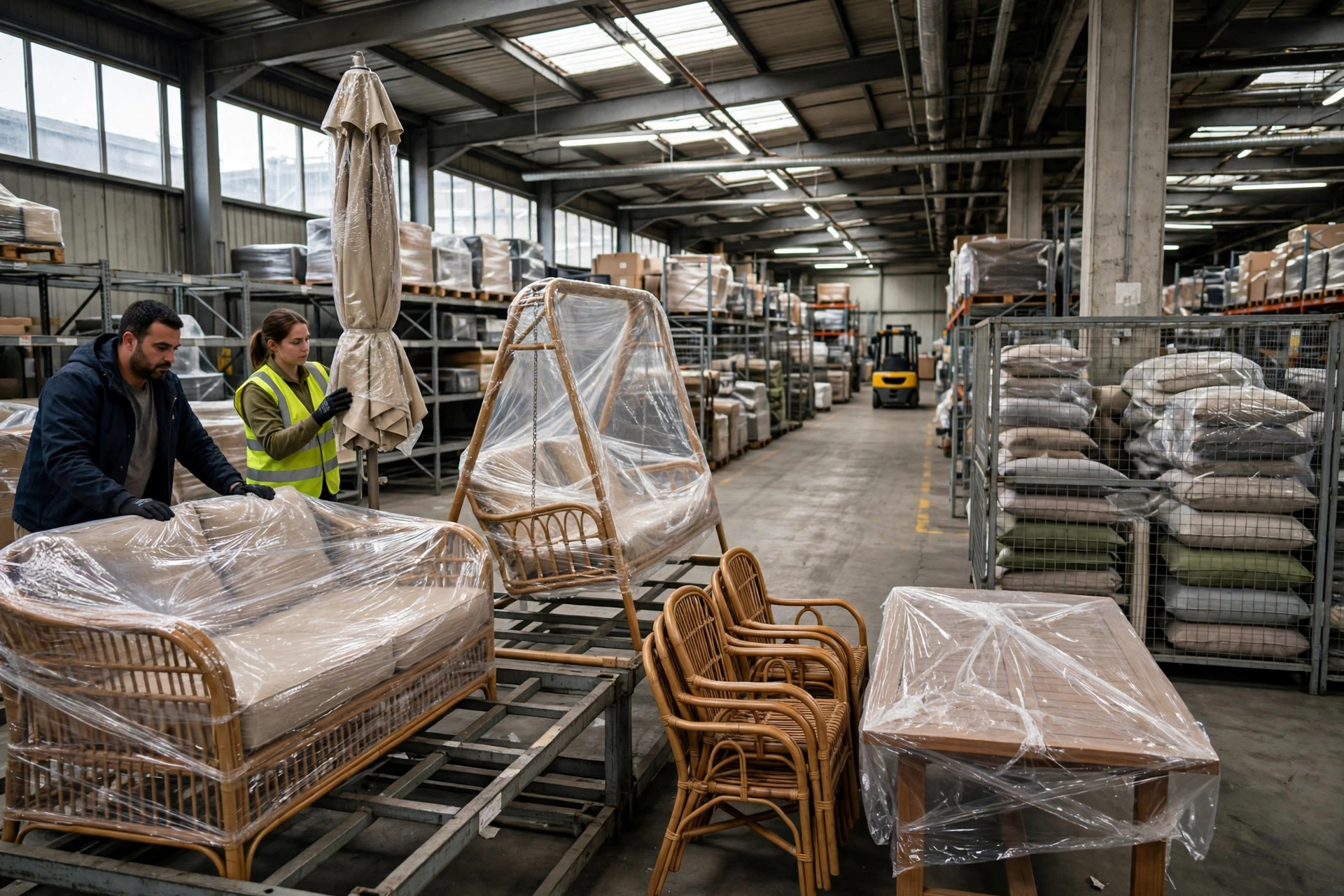
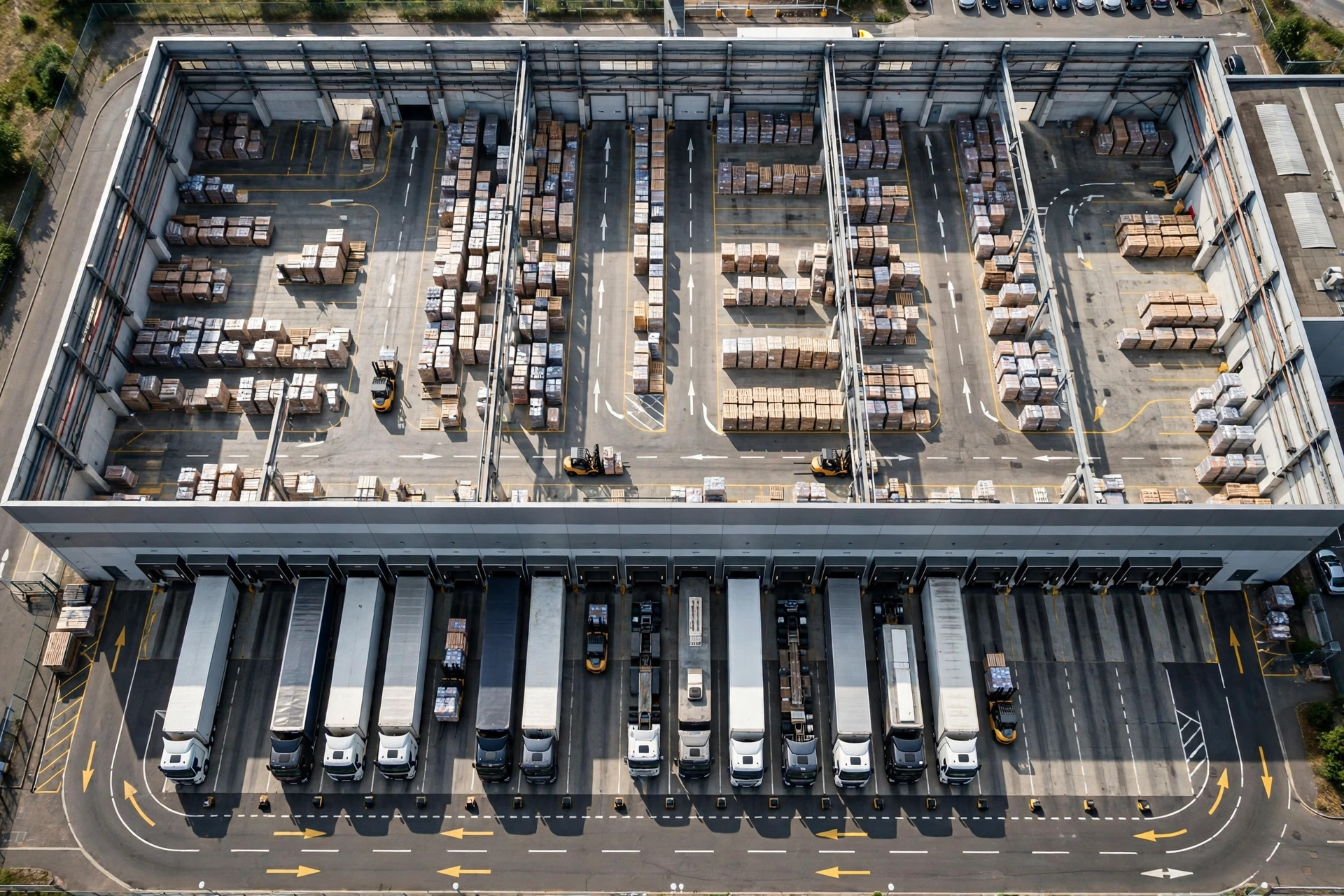
Another job was furniture, big pieces that do not like being knocked around. The customer wanted a warehouse right by the port at first, figuring that unloading straight off the ship saved a handling step. I went to look at the site and told him to think again. Big furniture is not afraid of one more truck leg. It is afraid of a warehouse where you cannot turn, where the dock doors are few, and where a slow load blocks the door all day. Port warehouses have exactly that problem, and a furniture load that takes hours to unload can sit in the queue for a day. He ended up in a suburban warehouse with enough height, enough doors, and room to line trucks up and load them at the same time. Damage went down, not up. After all these years on the road, here is the rule I live by: being close to the port saves you a trucking leg. Being a little farther out saves you loading time and waiting time. Which one costs more depends on whether your freight hates the road or hates being handled.
Gdansk Warehouses: Run the Numbers on Three Options
Gdansk warehouses fall roughly into three groups, and you have to price each one separately. Warehouses near the port let you pick up freight the moment the ship is in, which suits fast-turning, time-sensitive goods like seasonal consumer products and e-commerce replenishment. The downside is plain: the highest rent tier, tight space, dock doors that are hard to book in peak season, and pickup times that go out the window when winter wind and congestion hit the port. Suburban warehouses are the middle road, a few dozen kilometres from the port, one trucking leg away, a tier down on rent, with room and dock doors to spare. They fit regional distribution and safety stock. The third group sits farther south, around the big warehouse clusters near Warsaw and Poznan, closer to the consumer market with a shorter distribution radius. But that is no longer a Gdansk calculation. That is a Poland-wide network decision.
| Location | Best for | Rent tier | Docks and space | Biggest trap |
|---|---|---|---|---|
| Near the port of Gdansk | Fast-turning, seasonal freight | High | Tight, hard to book | Peak season and bad weather make pickup unpredictable |
| Suburban Gdansk | Regional distribution, safety stock | Mid | Roomy, easy to book | One extra trucking leg |
| Warsaw and Poznan area | Nationwide coverage, close to market | Mid to high | Plenty of choice | Far from the port, imports need an extra leg |
Here is how to use that table for real. First count how many containers a year come through the port of Gdansk for you, then count how many of those must be on shelves within three days. If the urgent share is high, keep a small buffer near the port. If it is low, make the suburban warehouse your main base. And there is one cost most people leave out: labour. Polish labour costs less than Western Europe, but drivers and warehouse workers in a port city are not easy to hire, especially in peak season. Rent two tiers cheaper means nothing if you cannot staff the shift and the dock queue eats your shipping day. Whenever I cost a warehouse for a shipper, I cost labour and waiting time together. Comparing rent per square metre alone is a fake calculation.
Gdansk Distribution Into Central Europe: The Routes Matter More Than the Building
A warehouse is a dot. The routes are the business. From Gdansk you run south to Warsaw, west toward the German border, and east to the Baltic states, and those three lanes behave differently. The Warsaw lane carries the biggest volume and you know it best, so it fits routine distribution. The German lane is about timing and handover: freight has to hit the German customer's receiving window, and half a day late can mean a missed shelf slot. The Baltic lane is smaller, but competition is thinner, and it suits small, frequent shipments. I watched one shipper push all three directions through one warehouse on one rhythm, and the result was exactly what you would expect: Germany complained about late arrivals, and the Baltic freight kept waiting for a full truck. Once we split the rhythm, fixed departures for Germany, consolidated loads for the Baltics, wave-based dispatch for Warsaw, the complaints dropped away.
Here is the counterintuitive part, and most people get it backwards: in a port city, closer to the quay is not always better, and bigger is not always better. What makes Gdansk cheap is the word gateway. Freight comes off the water, gets broken down and sorted here, and goes back on the road, saving a long detour later. But if you sit on that freight for months, the gateway advantage is gone, and rent plus tied-up capital will cost you more than an inland warehouse would. A port warehouse is for passing freight through, not for sitting on it. Fast in, fast out earns its keep; slow in, slow out, and the suburbs win.
Winter deserves its own line in the budget. Baltic winters bring strong wind, and when port operations slow down, container pickup and vessel loading both slip. My advice is plain. First, place winter stock orders about two weeks earlier than usual and stop planning to the sailing date. Second, keep only about two weeks of buffer stock in the port warehouse and hold the bulk in the suburbs, so a weather delay still leaves you with freight to ship. Third, book dock doors and overtime windows with the warehouse early, because in peak season a dock door is something you grab, not something you wait for. Dealing with a warehouse comes down to a few rules: book early, say plainly when something goes wrong, and remember that a warehouse you have worked with for years is the one that will run overtime for you when it counts.
So the real choice in Gdansk is not which building to rent. It is which rhythm to run. Freight that moves fast, chases a season, and cannot afford a stockout deserves a small buffer near the port. Freight that needs distribution, stockholding, and several directions deserves a suburban warehouse as its main base. Freight covering the whole country should treat Gdansk as the import door, not as one warehouse doing everything. After fifteen years on the road, my old saying: rent is the cost you can see, time stuck on the road is the cost you cannot, and a real calculation counts both.
By Shifu Zhao, Trucking Veteran (15 yrs)