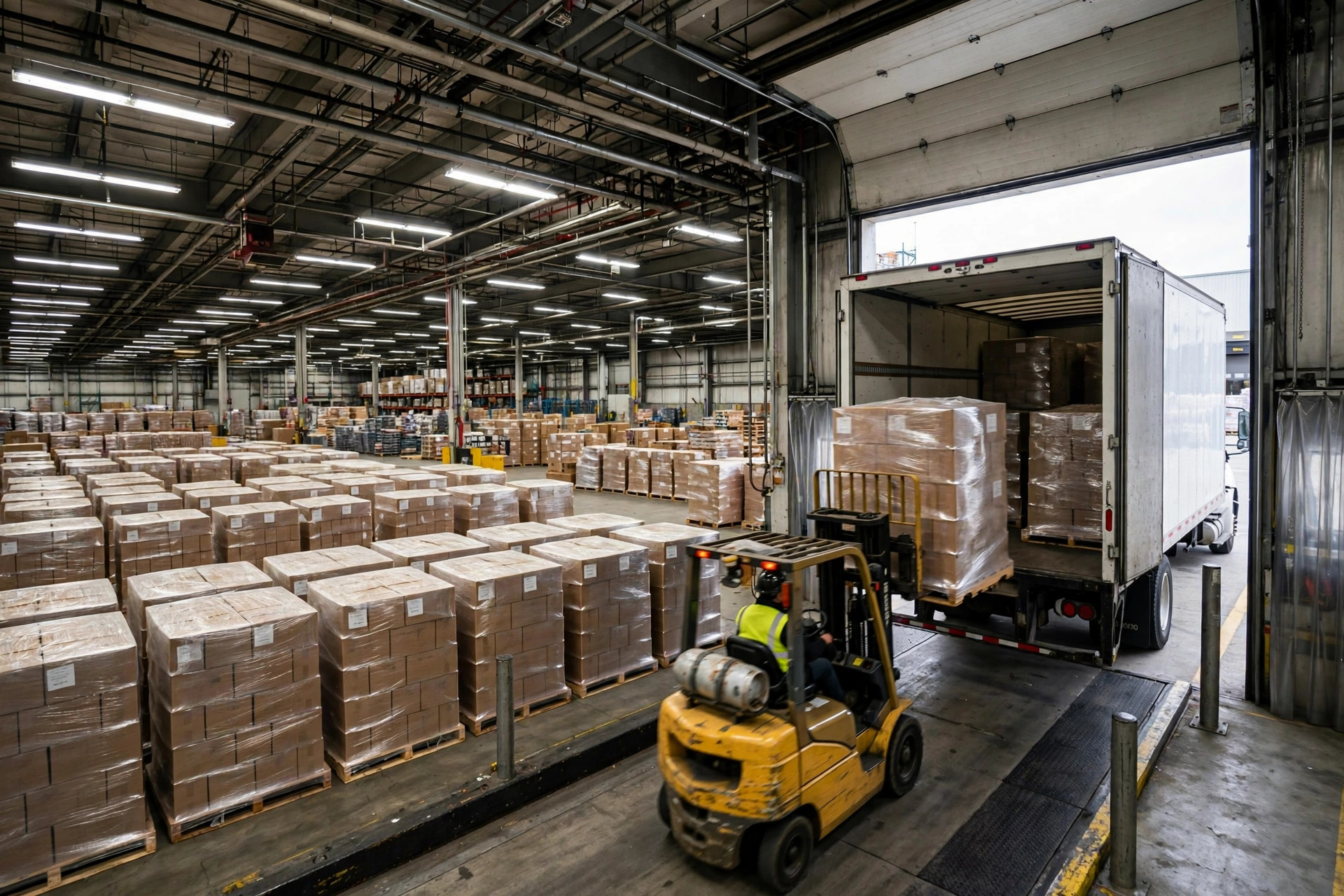
Last fall, a home-goods seller called me close to midnight, his voice cracking. A full truck — eleven pallets — had just rolled out of his 3PL in the City of Industry and pulled up to the FBA gate. The receiving crew walked around the trailer and waved it off: pallets too tall, shrink wrap sagging, a few carton labels upside down. Three strikes, no discussion.
That trailer sat in a parking lot by the warehouse for two days, then went back for re-palletizing, re-labeling, and a fresh delivery appointment. Nine days lost. When he ran the numbers, it came to nearly three thousand dollars: wasted freight, overtime at the warehouse, inventory that never made it onto the shelf before the season. But the real damage came that October: two hero SKUs went out of stock for six days, slid two pages down the rankings, and never fully recovered — a month of ad spend burned for nothing.
Twenty years in this business, and I've seen this story more times than I can count. My verdict up front: a rejection is never bad luck. Ninety-nine percent of them are preventable before the truck ever leaves. And the finger-pointing between sellers and 3PLs — "I labeled it exactly how you told me," "you never told me" — helps nobody. So here are the eight rejection reasons I see most, each with what it looks like at the dock, why it really happens, and the move that prevents it.
Half the Rejections Start With the Pallet and the Label
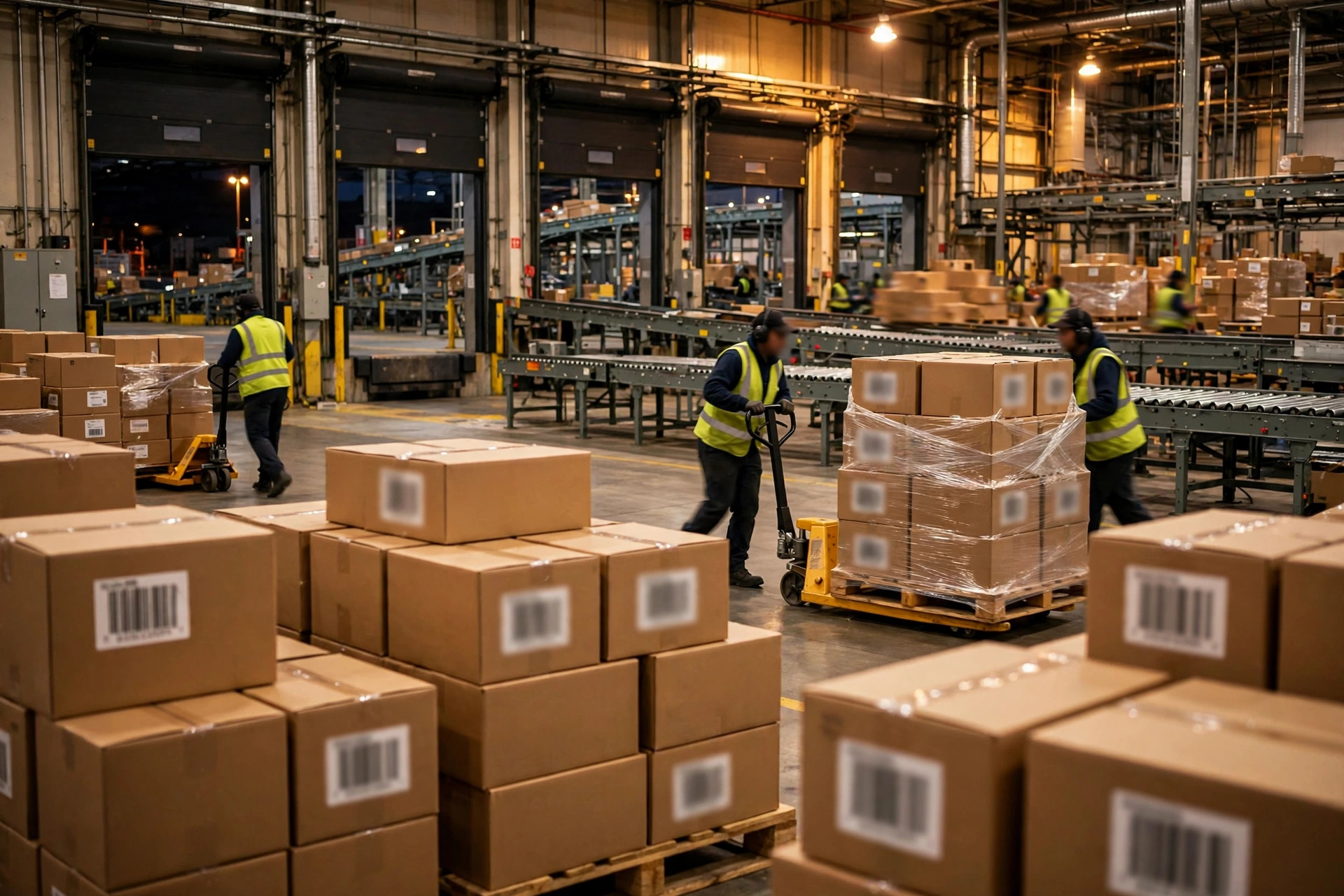
Pallets first. FBA has clear pallet requirements — dimensions, height, wrap — and the details shift with policy updates, so always check the latest official policy and never ship on three-year-old habits. What it looks like at the dock: the driver arrives, a receiver pulls out a tape measure, the stack is too tall. Or a forklift picks up a pallet and the bottom deck board snaps, scattering boxes. Instant refusal, no negotiation.
The root cause is usually laziness at the origin: the factory or 3PL stacks as high as it can get away with and wraps two token loops of film. Sometimes it is sneakier — the pallet itself is wrong, cracked, moldy, or the wrong size, and the receiver spots it in one glance. In the fall of 2024, a seller trying to save money used recycled pallets with cracked deck boards; the whole truck was turned away at the gate, and re-palletizing cost him over a thousand dollars. The fix is boring and works: build every pallet to the latest FBA spec, set one internal standard — height, layers, wrap count — write it down, and tape it to the wall at the palletizing station. No improvising.
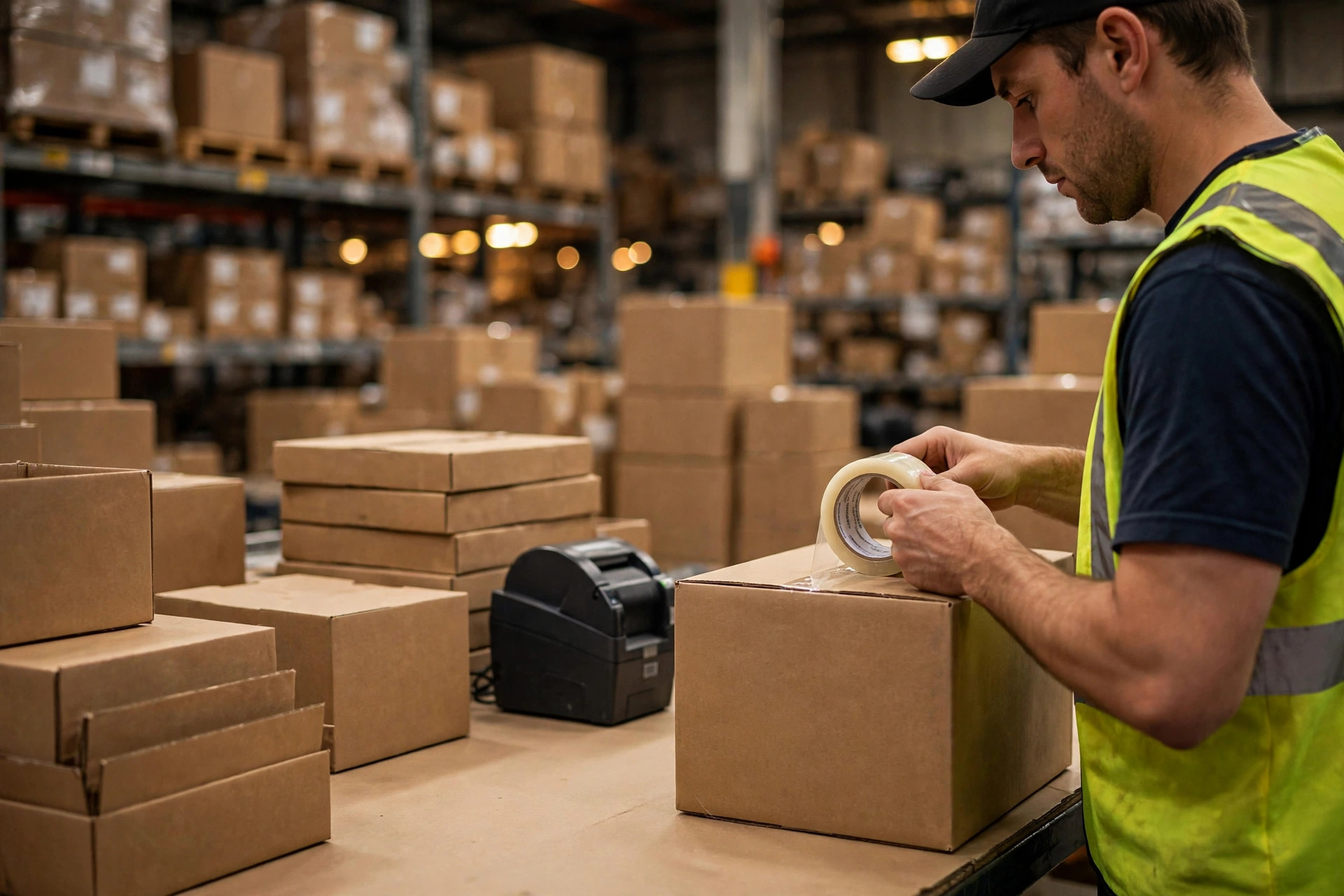
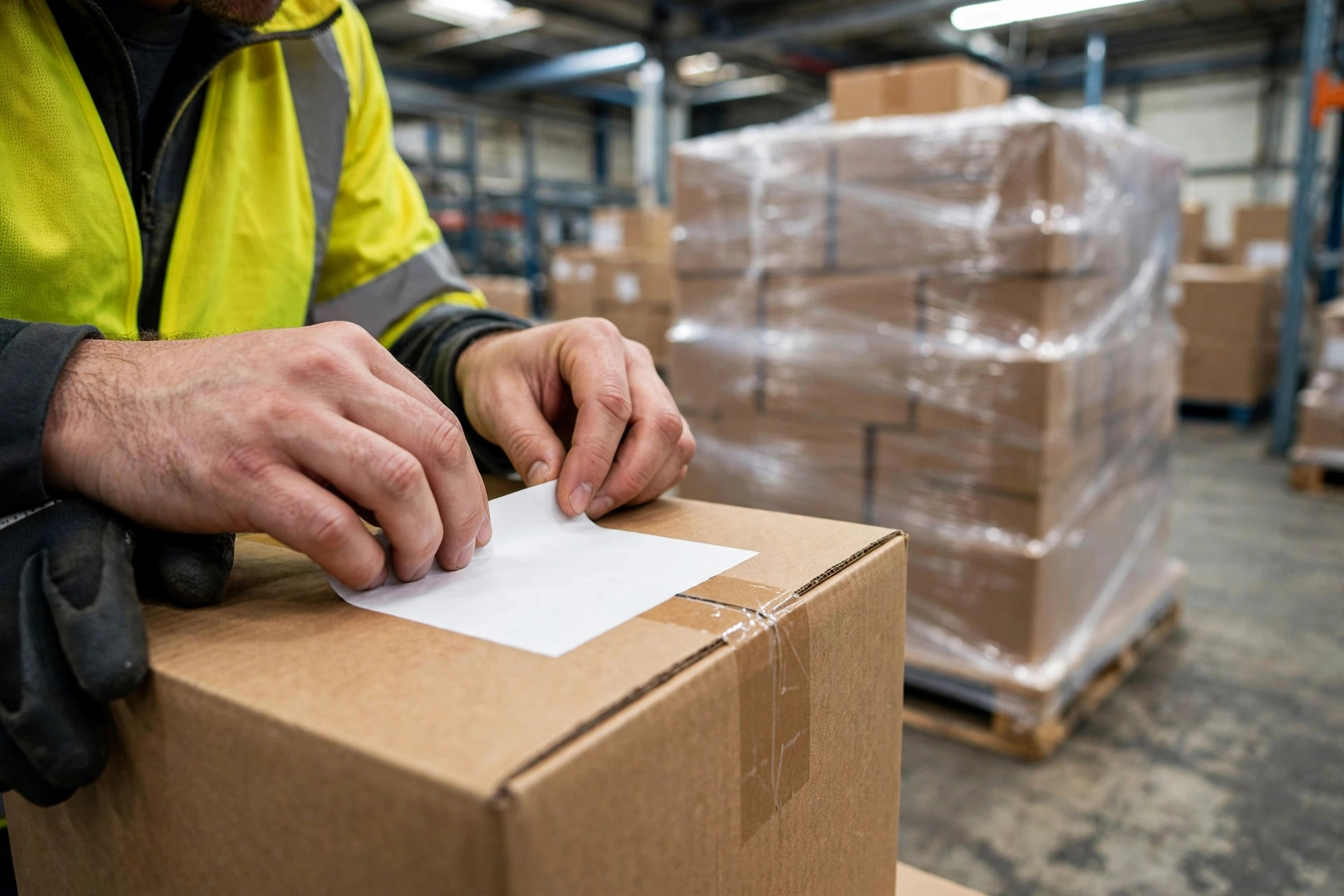
Then the carton labels — the perennial number one on the rejection charts. Wrong label, upside-down label, label half-covered by shrink wrap, a print so faded it won't scan, two different shipment labels on the same box. I have seen all of them. Last year at an 80,000-square-foot warehouse in Fontana, I watched a worker at the outbound station slapping labels on boxes and tossing them onto the conveyor without checking which shipment they belonged to. At the FBA gate, two of three scanned cartons didn't match the system, and the entire truck was refused.
The root cause is a broken chain of custody: one person prints the labels, another packs the boxes, a third sticks the labels on, and nobody checks anybody. Another common break: the seller builds the shipment in Seller Central, emails the label PDFs to the 3PL, and the 3PL prints and applies the wrong version — or a leftover label from the previous shipment ends up on a new box. The fix: match labels to boxes on the spot, label first, then wrap, and keep the film clear of the label. And one iron rule — one box, one valid label. Old or voided labels get torn off. When a seller and 3PL hand off, keep a shared sheet: shipment ID, carton count, label version. Nothing rolls until all three agree.
Then there is mixed packing — stuffing two or three SKUs into one carton to save boxes. FBA generally wants one SKU per carton; check the latest official policy on mixed cartons before you try anything clever. At the dock: a random carton gets opened, mixed SKUs are found, the whole shipment goes back. The root cause is a seller thinking "it's all my product, why split it up?" The fix: one carton, one SKU, no exceptions. If you must mix, read the current mixed-carton rules first. Saving a few dollars on cartons isn't worth one rejection.
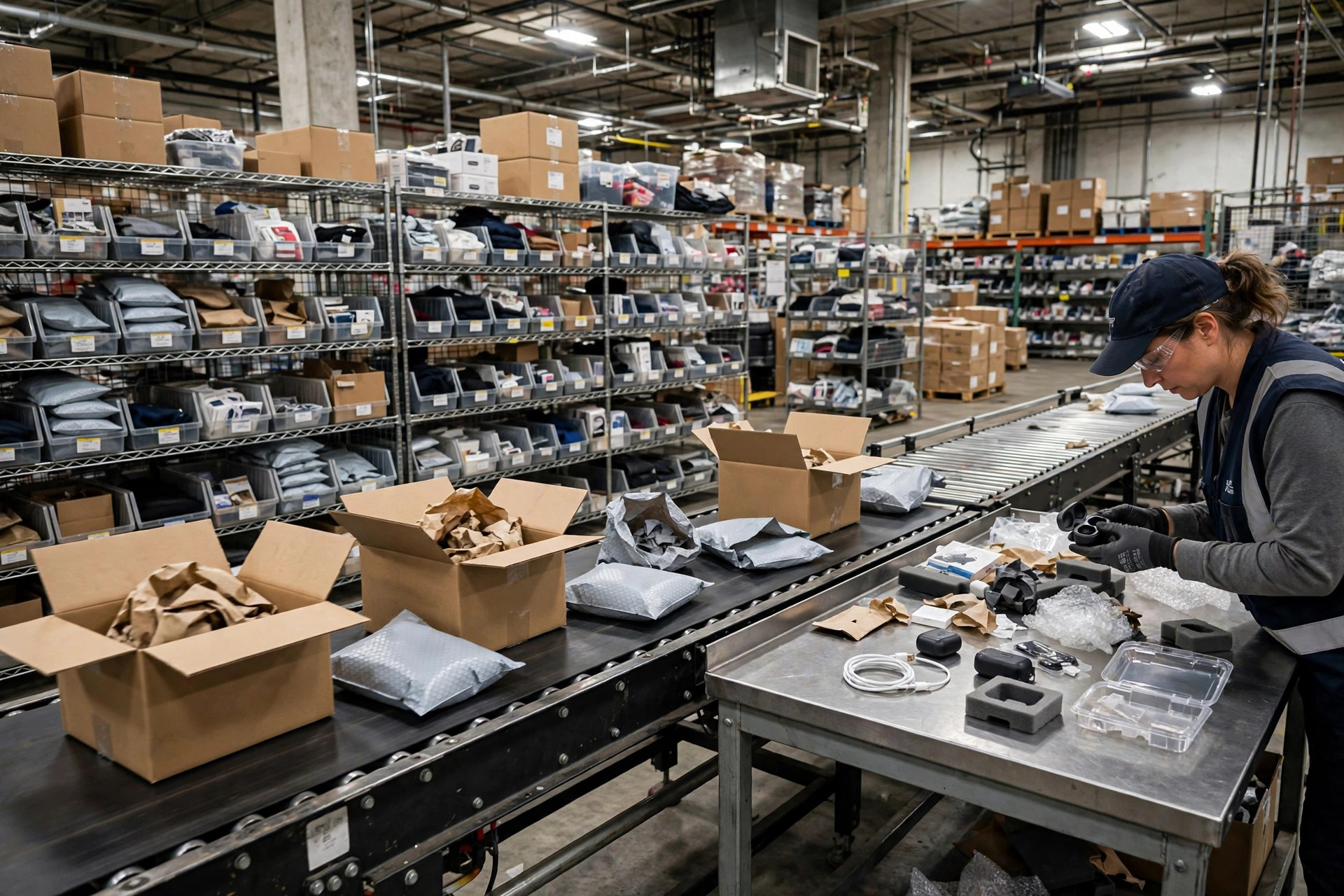
The fourth one is failed prep: fragile items not secured, liquids not sealed, textiles not bagged, battery products missing hazard labels. This is the most unfair-feeling rejection because many sellers genuinely don't know FBA has prep requirements by product category. The root cause: nobody told them, or they figured "I shipped it this way before." The fix: before the first shipment of any new category, spend twenty minutes checking that category's prep requirements against the latest official policy — and when in doubt, do the strictest version. Twenty minutes beats a rejection every time.
The Truck Made It to the Gate. The Appointment and Paperwork Didn't.
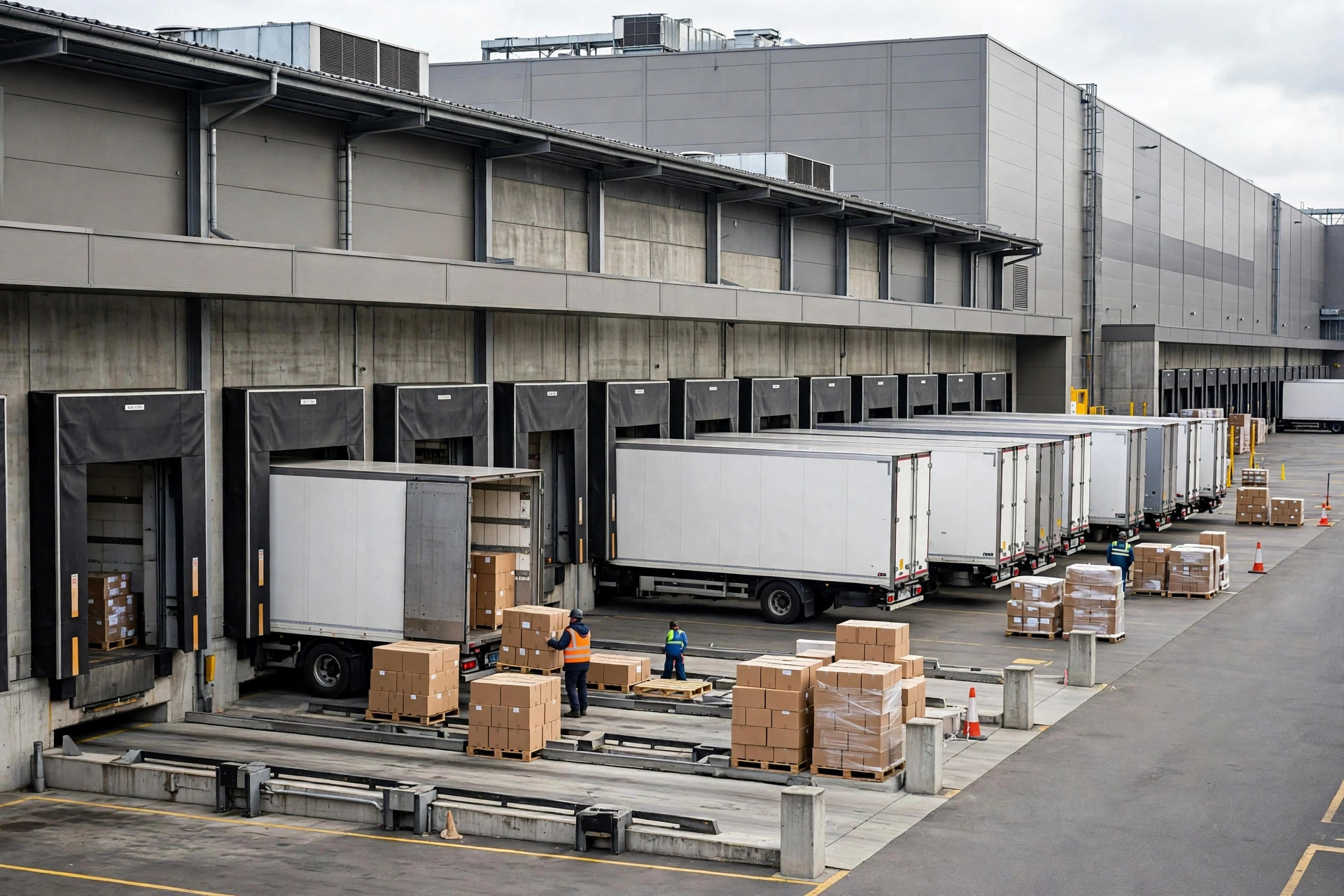
Perfect freight can still get turned away. The first dock-side killer is the appointment: none booked, wrong date, or arriving past the window. FBA receiving runs on a schedule — if your truck isn't on the list, the guard doesn't open the gate. The worst case I saw: a driver waited four hours in line, got to the front, and was told the day's appointment slots were full. Come back tomorrow. He slept in the cab and got back in line the next morning.
The root cause: people treat the appointment as a formality, booking it after the truck is already loaded — or booking it and never sending the confirmation to the driver. The fix: book the appointment before the freight is ready, send the confirmation straight to the driver's phone, and have the driver re-check the date and the warehouse address before rolling. One metro area can have several FBA sites, and sellers around Los Angeles know the pain: ONT8, LGB8, SBD1 — one wrong letter in the navigation and it's dozens of miles. Wrong building, wasted trip.
The second is a carton count mismatch: the system says 200 cartons, 198 show up. Two cartons sounds like nothing; to the receiving system it's a discrepancy, and the whole shipment can be refused. The root cause is almost always last-minute adds or pulls that never got updated in the system. The fix is unglamorous: count the cartons before sealing the trailer, and the truck doesn't leave until the physical count matches the declared count. Counting boxes sounds low-tech. It stops more rejections than any software I know.
The third is paperwork: the BOL doesn't match the freight, the shipment ID is mistyped, or a multi-seller consolidated truck leaves with the wrong documents. The root cause: nobody matched paperwork to freight when the truck was consolidated. The fix: whatever is in the driver's hand must match what's on the trailer, verified before departure. This is where 3PLs running FBA prep for multiple sellers get burned most — Seller A's freight leaves with Seller B's paperwork, and the gate says no.
Run This Checklist 48 Hours Before Every Shipment
None of these eight is unfixable at the gate; all are stoppable 48 hours before the truck leaves. I've given this checklist to every 3PL and seller I work with: print it, tape it to the outbound wall, check every item before the trailer seals. Assign one person to own the check — a checklist with no owner is just wall decoration:
- Pallets: spec, height, and wrap meet the latest FBA requirements; pallets themselves undamaged, no mold
- Labels: every carton carries exactly one valid label — visible, legible, not covered by film
- Packing: one SKU per carton; any mixed cartons meet the latest official mixed-carton rules
- Prep: fragile, liquid, textile, battery, and other special categories checked against requirements and done right
- Count: physical carton count matches the declared count in the system
- Appointment: booked, and the date and warehouse address re-confirmed with the driver
- Paperwork: BOL and shipment IDs match the actual freight on the trailer
Rejection at the dock isn't a technical problem. It's an attention problem. An FBA building takes in thousands of shipments a day; the receiving crew has neither the time nor the obligation to cut you slack. Run this checklist and your rejection rate drops to near zero.
Last question: what's the wildest reason you've ever been turned away at the gate? Drop it in the comments — I'm curious whether there's a ninth trap I haven't seen yet.