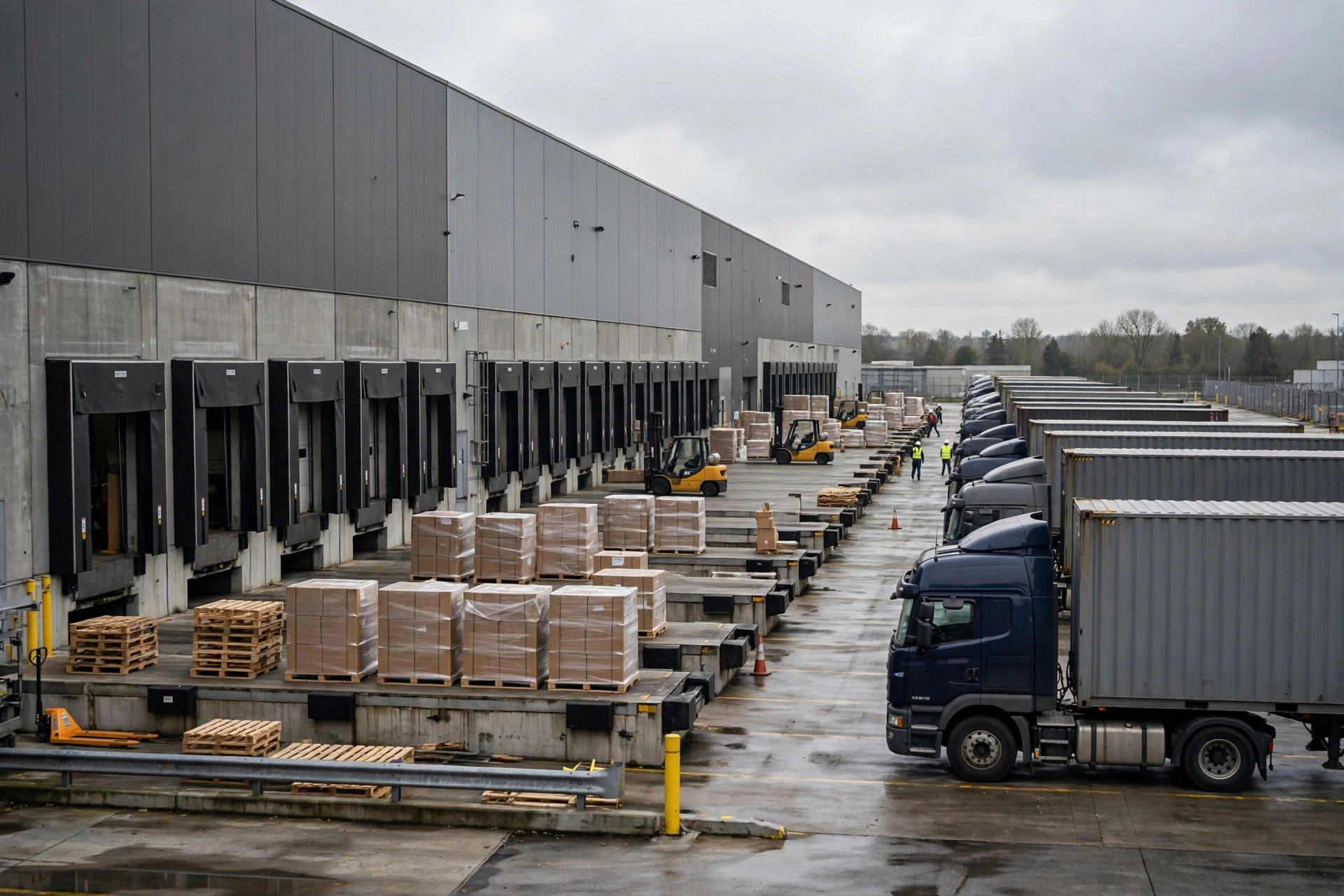
The call came at 7 a.m. on a Tuesday. My drayage driver: "Mike, I'm at the gate. They just told me today's appointment is canceled — come back next Wednesday."
The container had been pulled from Long Beach the previous Friday. Free time ran out in two days. Inside: two thousand-plus cartons of holiday inventory. One canceled appointment, and the whole container was suddenly homeless.
I've gotten that call dozens of times in twenty years. Here's what most sellers get wrong about ocean freight: the hard part was never the ocean. It's the last mile between the port and the fulfillment center. Let me break it down — who ghosted you, what it costs, and how to get out of it.
Who actually stood you up
Uncomfortable truth first: seven times out of ten, it wasn't the fulfillment center.
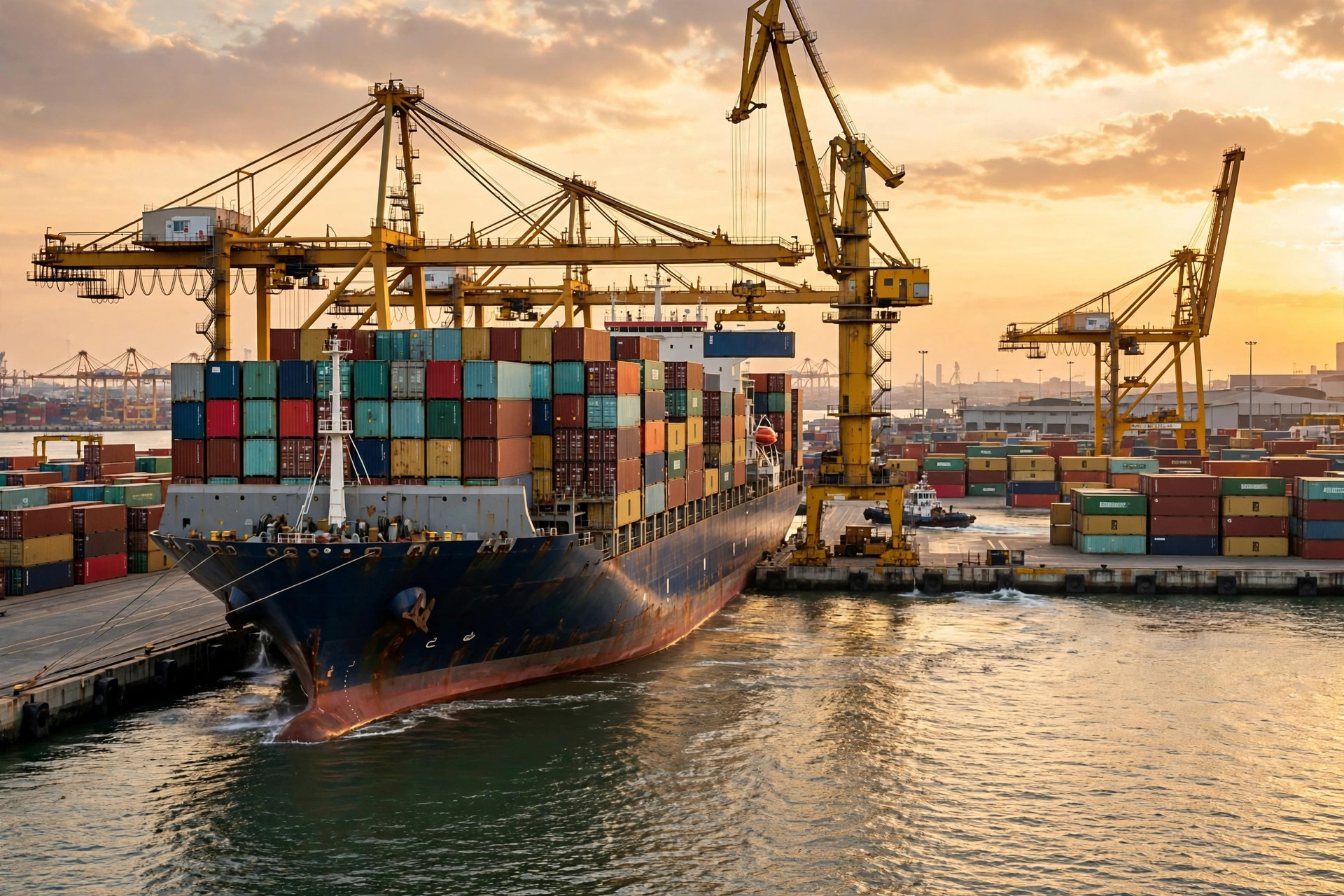
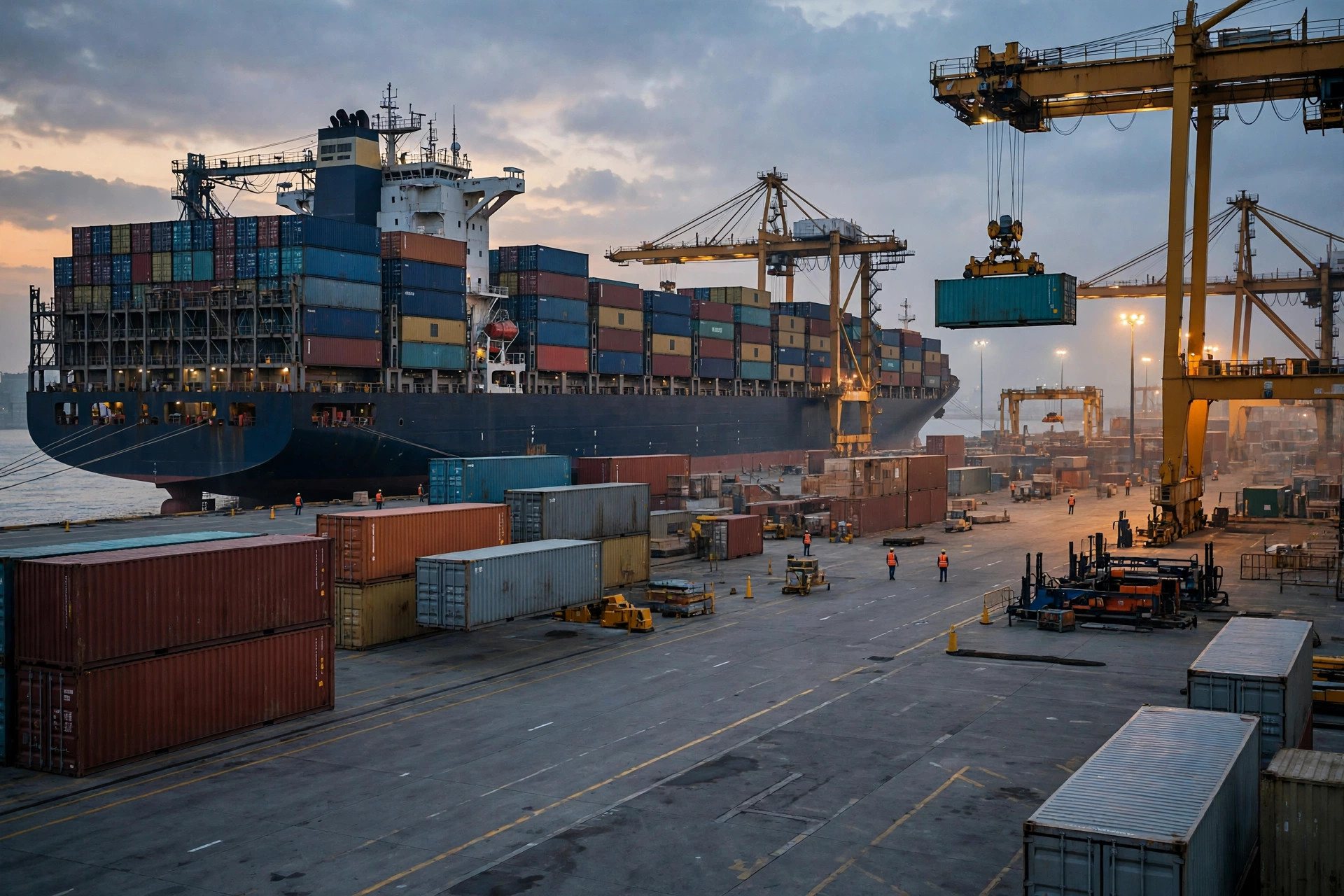
Suspect one: the container never came out on time. In September 2021, the ports of Los Angeles and Long Beach set records nobody wanted — on September 15, sixty container ships were waiting at anchor or adrift in San Pedro Bay, with twenty more on the way; two days later, 147 vessels were in port. Together the twin ports handle roughly forty percent of America's containerized imports. When they're that jammed, your container coming out three to five days late is normal. Your appointment was booked against an estimated pickup date. No container, no appointment. The extreme years are behind us, but every peak season brings its own version: chassis shortages, customs exam queues, missing drivers.
Suspect two: the trucking company ghosted you first. In peak season, trucks are worth more than containers. Your forwarder subcontracts the job, the driver sees a half-day queue at the big Moreno Valley facility, and takes an easier run instead. "Truck broke down," they tell you on the phone. Good luck arguing with that. The fault is the carrier's. The bill is yours.
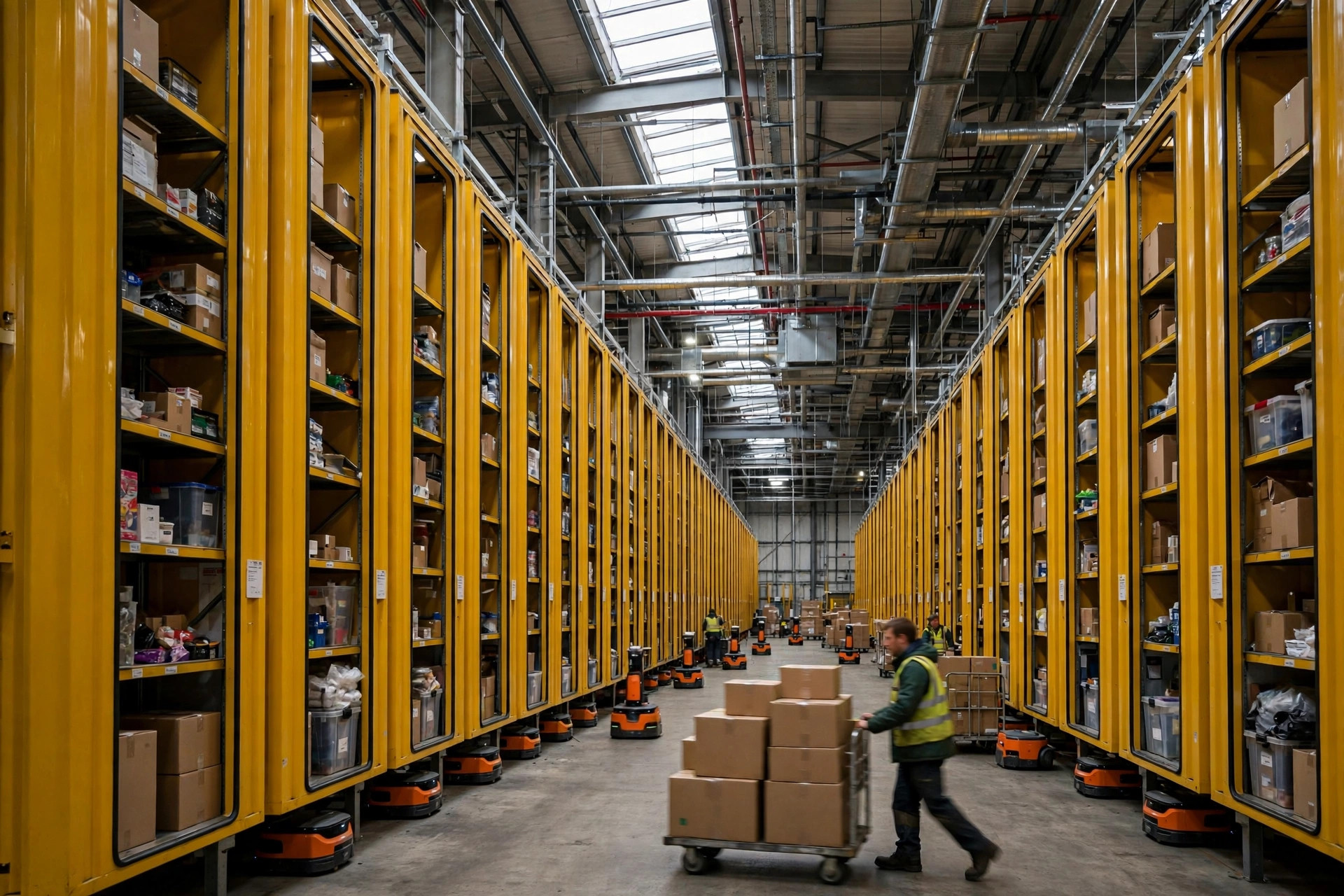
Suspect three: the fulfillment center is simply full. Amazon's ONT8 facility in Moreno Valley, California once publicly acknowledged delays in receiving and carrier appointment scheduling after inbound volume blew past projections — sellers got a letter about it. Every year once September rolls around, appointment slots get scarce and the system pushes you back a week with nobody to negotiate with. The most frustrating kind: your freight is at the gate, and the building says it can't take it.
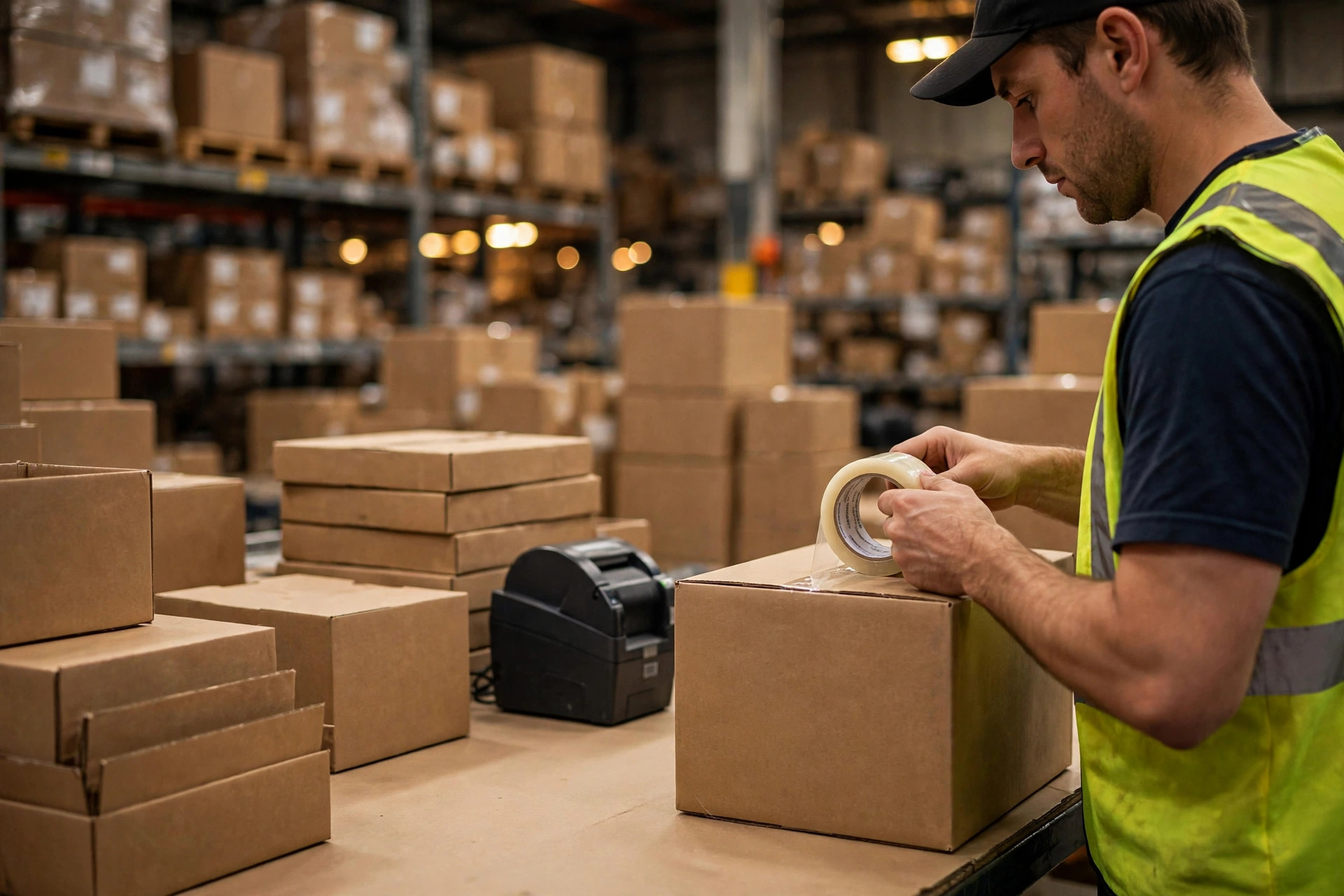
Suspect four — the dumbest, and the most common: your own shipment data doesn't match. Carton counts differ from what you declared, labels in the wrong spot, markings that don't match the appointment. The gate turns the truck away. Your driver just says "they wouldn't let us in," and you blame the warehouse for ghosting you. It was your own paperwork.
See the pattern? Of the four suspects, three and a half aren't the warehouse. If you can't name who's at fault, any talk of compensation or fixes is theater.
What one missed appointment really costs
Fine. The appointment's dead. Let's count the damage. Money leaks from four pockets.
Pocket one: the truck. Driver showed up, couldn't unload, burned half a day. Detention is billed by the hour. How much? Check your contract with the carrier — every company prices it differently. Read your own paperwork instead of taking your forwarder's word for it.
Pocket two: the container. Every extra day it sits at the terminal, demurrage stacks up daily. Free-time allowances and rate schedules change constantly — go by your ocean carrier's and the terminal's latest published policies, because any number I quote here would be wrong by the time you read it. Remember the logic, not the number: this meter runs per day, and a week of it in peak season will ruin your month.
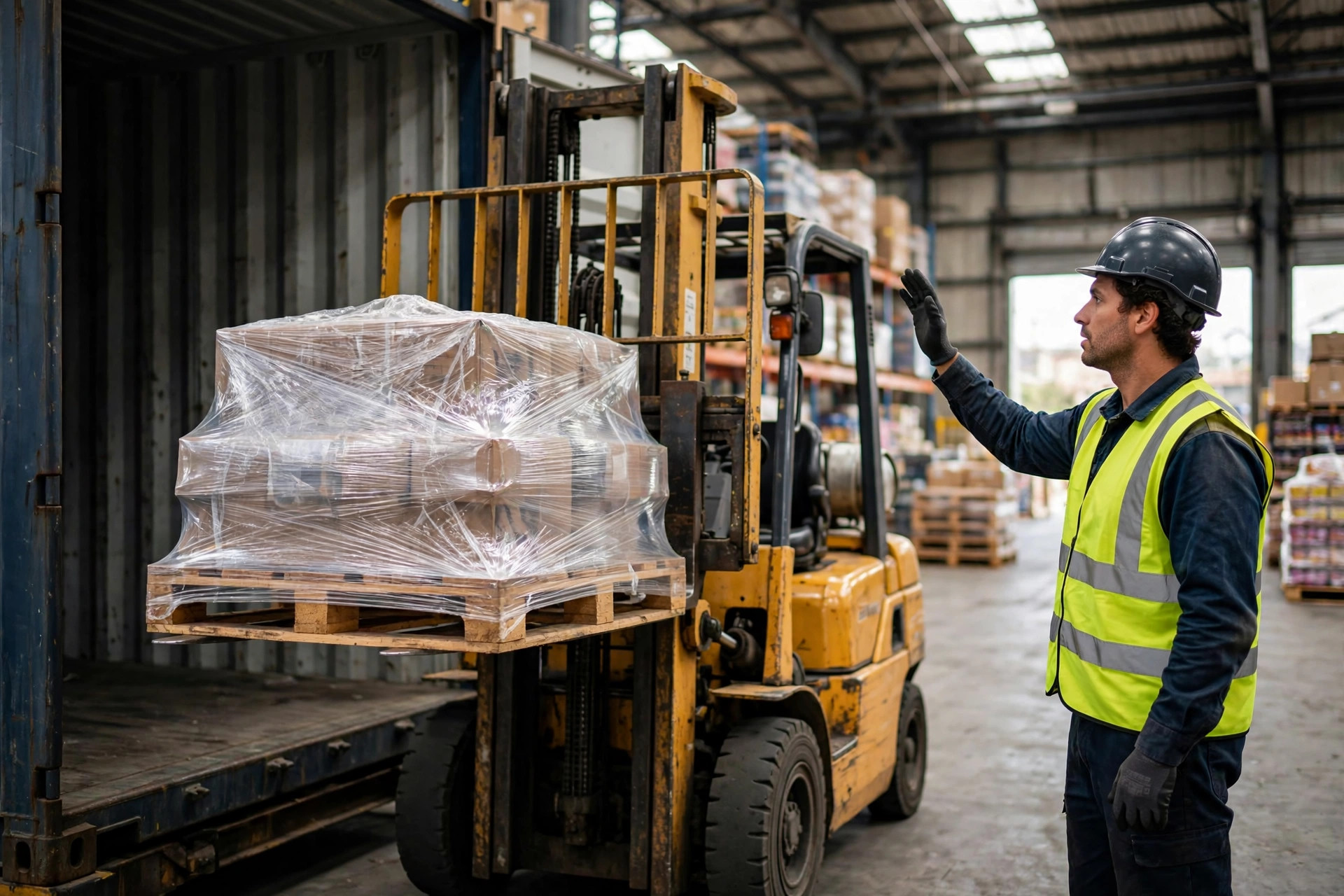
Pocket three: the inventory itself. Freight stuck outside means freight not checked in. No stockout, no harm — but the moment you stock out, your listing rank slides and your ad spend burns for nothing. Going dark for a week during holiday peak doesn't cost you freight money. It costs you the quarter.
Pocket four: the firefight. Odds are you'll need a nearby 3PL to receive the container, transload it, and trickle the freight into Amazon in smaller appointments. Transload fees, storage fees, redelivery fees — all unbudgeted. Sounds expensive? Here's my honest take: compared to a stockout, it's cheap. Any problem money can solve isn't really a problem. Rank you lost to a stockout — money can't buy that back.
So the real cost of a ghosted appointment was never the rescheduling fee — whether Amazon charges for reschedules and how much is governed by Amazon's latest official policies. The real cost is time. Every extra day that container sits homeless, your risk compounds.
Set up your umbrella before it rains
Prevention isn't luck. It's lead time.
First: book early, book aggressively. The moment you have the bill of lading and a reliable estimated pickup date, lock in the delivery appointment. Don't wait until the container is at the port. From September onward, slots are scarce — one day of hesitation can cost you a week.
Second: always have a plan B warehouse. Never bet a full container on a single appointment at a single building. When you create the shipment, decide in advance: if the primary warehouse can't take it, where does it go? Another fulfillment center, or a 3PL partner for temporary storage? A fallback you never use costs nothing. The one time you need it, it pays for itself.
Third: get the ugly conversations into the contract. Spell out with your forwarder and your trucking company who eats the cost when their failure kills an appointment — detention, rescheduling, redelivery. Verbal promises don't count. Paper counts. I've seen sellers work with the same forwarder for five years on a one-page agreement that says nothing about any of this. Then the day comes, and there's nothing to point at.
Fourth: check your own shipment data twice. Carton counts, labels, markings — reconcile every line against the shipment you created in the system. Getting turned away over mismatched data is the dumbest way to lose a week, and it's also the easiest to prevent. Ten minutes of checking before the container leaves saves a week of firefighting after.
None of this is high tech. It's all fundamentals. Twenty years in supply chain taught me one thing: it's never the black swan that gets you. It's the fundamentals you skipped.
Ghosted anyway? Don't panic. Work this list in order:
- Find out who actually canceled — the warehouse system, the trucking company, or your own bad data. Get it in writing: email, chat screenshots, whatever. You'll need it when fault gets assigned.
- Have your forwarder grab the earliest available slot immediately, and ask about backup warehouses in parallel. Two tracks, never one.
- Do the math in ten minutes: what does another day outside cost versus pulling the box to a 3PL for transload and storage? Decide fast. Don't agonize.
- Call your 3PL partner: can they receive it, what's the transload fee, how is storage billed? Price first, move second. No partner yet? Go sign one now as your standby.
- If you decide to wait: get the container out of the terminal to a cheaper yard. Stop the demurrage meter first, argue later.
- Stockout triage starts now: raise prices, cut ad budgets, do whatever your playbook says. Don't wait until the listing actually goes dark — by then it's too late.
- After-action review: whose fault was it, and which clause or process was missing? Close the gap. A lesson you paid for should at least get documented.
Getting ghosted on a delivery appointment happens to every Amazon seller sooner or later. The difference is that some sellers take the hit the same way every time, and others turn the list above into standard operating procedure after the first one. Your choice.