Let me start with a complaint: those "start dropshipping with zero inventory" posts all over the platforms leave out the second half of the story. Dropshipping doesn't cost nothing. It just takes the money out of your pocket in a different way. I've been selling cross-border for five years now, and I've done both dropshipping and bulk stocking properly. The mistakes alone could fill a book. So let's lay the numbers out and find where the overseas warehouse cost line really falls.
My dropshipping year: busy, broke, and always waiting
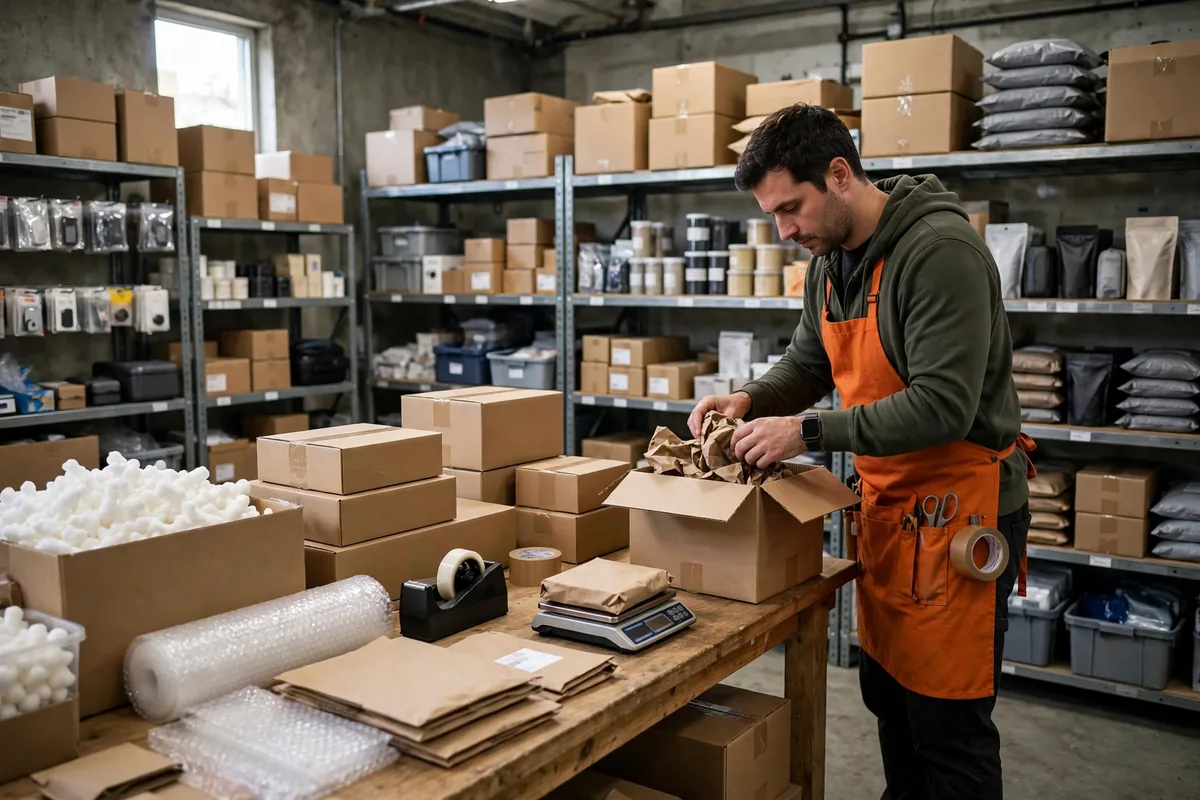
When I started in 2021, I had almost no cash, so dropshipping was the obvious choice. Order only when a customer orders, zero inventory. Sounds perfect, right? Here's what it actually looked like. I had a small home-storage item where the dropshipping unit price ran close to 40% higher than the bulk price, plus a per-order dropshipping service fee on top. Worse was delivery time: 10 to 15 days from a China warehouse to a US customer, with tracking that sometimes didn't move for days. The most common word in my bad reviews was "slow."
One lesson from that year still sticks with me. A storage box suddenly went viral and I got more than 80 orders in a day. I was happy for about half a day. Then I found out my supplier could only process 50 dropshipping orders a day, so the rest queued for three days before shipping. By the time the goods arrived, more than a dozen customers had asked for refunds because they'd waited too long. A viral hit turned into a refund wave, all because dropshipping has a capacity ceiling you don't see until you hit it.
Then there's the hidden bill: returns. With dropshipping, a returned item basically never comes back. Either it gets abandoned overseas or it costs more to ship back than it's worth, so most of the time you just write it off. My return rate that year was under 5%, but every single return was a total loss: product cost plus shipping, gone. The per-order margin looked fine on paper, but when I closed the month, there was barely anything left.
My first bulk order nearly snapped my cash flow
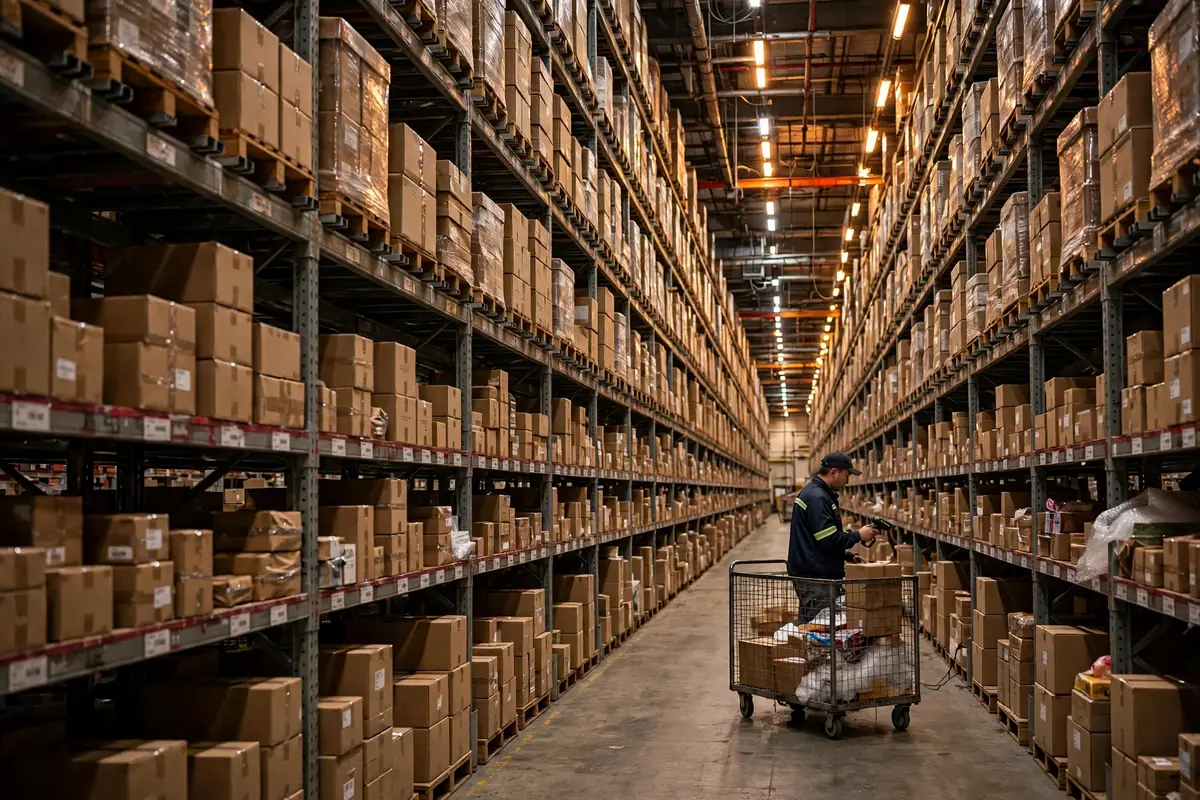
In mid-2022, I switched to bulk stocking. My first shipment was 2,000 units of a small appliance sent by sea freight into an overseas warehouse. Unit cost came down by more than 30% compared with dropshipping, delivery time dropped from over 10 days to 2 or 3 days, and the conversion rate visibly went up. For a while I was telling everyone I should have stocked up sooner.
Then reality hit back. One model in that batch sold painfully slowly. After three months, less than half of it had moved, and the rest sat in the overseas warehouse with monthly storage fees piling up. Worse, a new version of the product came out, and the old one went dead. I cleared it at a discount and lost money on every unit. That was the day I understood the deal: bulk stocking saves you unit cost, but it bets on your product judgment and your cash flow. Stock too much of the wrong thing and every cent you saved comes straight back out, plus storage fees on top.
So don't believe anyone who says bulk stocking is always cheaper than dropshipping. That line is only half true. Yes, the unit cost is lower. But it assumes everything you stock actually sells. Unsold stock isn't an asset. Every piece of it is a liability.
How I draw the line now: dropshipping or bulk, three tables side by side
After a few years of this, my decision comes down to three tables. I run them for every product before I choose.
Table one is per-order profit. List everything for dropshipping: supplier price, service fee, allocated freight, last-mile delivery, platform commission, ad spend. Then list the bulk version: bulk purchase price, allocated sea freight, overseas warehouse storage, last-mile delivery, commission, ad spend. On this table alone, bulk stocking almost always wins, saving 20 to 30% per unit. But this is only table one.
Table two is cash tied up. Bulk stocking means paying for goods and freight up front, then waiting while the shipment spends a month at sea and sits in the warehouse. That money can take two months to come back, sometimes closer to half a year. My rule now: one product's stocking budget never exceeds 30% of that month's cash flow. Past that number, even a great product gets a small test batch first.
Table three is the risk table, which is really the odds of slow stock. I check three signals: is this a strongly seasonal item, has sales been stable over the past 90 days, and is a newer version stealing traffic in the same category. If two of those three flash red, I don't bulk stock. I keep running dropshipping, even at a thinner margin, because zero inventory risk beats a fat margin on paper.
| Comparison | Dropshipping | Bulk stocking |
|---|---|---|
| Unit cost | High, 20–40% above bulk price | Low, 20–30% cheaper per unit |
| Delivery time | 10 to 15 days | 2 to 3 days |
| Cash tied up | Almost zero | Goods plus freight paid up front, two months or more to recover |
| Slow-stock risk | No inventory risk | Unsold goods mean storage fees plus clearance losses |
| Returns | Mostly unrecoverable, total loss | Resellable from the overseas warehouse, loss contained |
| Best for | Testing new products, unstable sellers | Stable bestsellers, repeat-purchase items |
Real numbers from my store: I have a storage product I've sold for over two years, steady at around 800 units a month. Bulk stocking earns roughly 30% more profit per order than dropshipping on that item, and over a year the extra profit covers the whole testing budget for a new product. On the other hand, I still run a strongly seasonal outdoor item on dropshipping today. When the season ends, I stop, with zero inventory risk. Same store, two models running side by side. That's the normal state, not the exception.
Don't keep hopping across the line
A few warnings from things I've personally tested. First, don't take a product that went viral under dropshipping and double the bulk order straight away. Test-phase sales carry ad support, and they don't always mean natural demand. Run one small bulk batch to verify first. Second, calculate overseas warehouse storage as if the goods will sit for three months. Anyone who budgets for one month gets a nasty surprise when stock slows down. Third, build the return policy into product selection: in categories with high return rates, even a good-looking margin should stay on dropshipping, or returns will turn your overseas warehouse into a junkyard.
Here's the short version. Stable sales, repeat purchases, low returns: stock in bulk with confidence. New products, seasonal items, sales that jump up and down: stick with dropshipping. The line isn't a fixed number. It's whatever those three tables say for the product in your hand. This one I've tested myself, and it works.
By Ah K, E-commerce Seller (5 yrs)