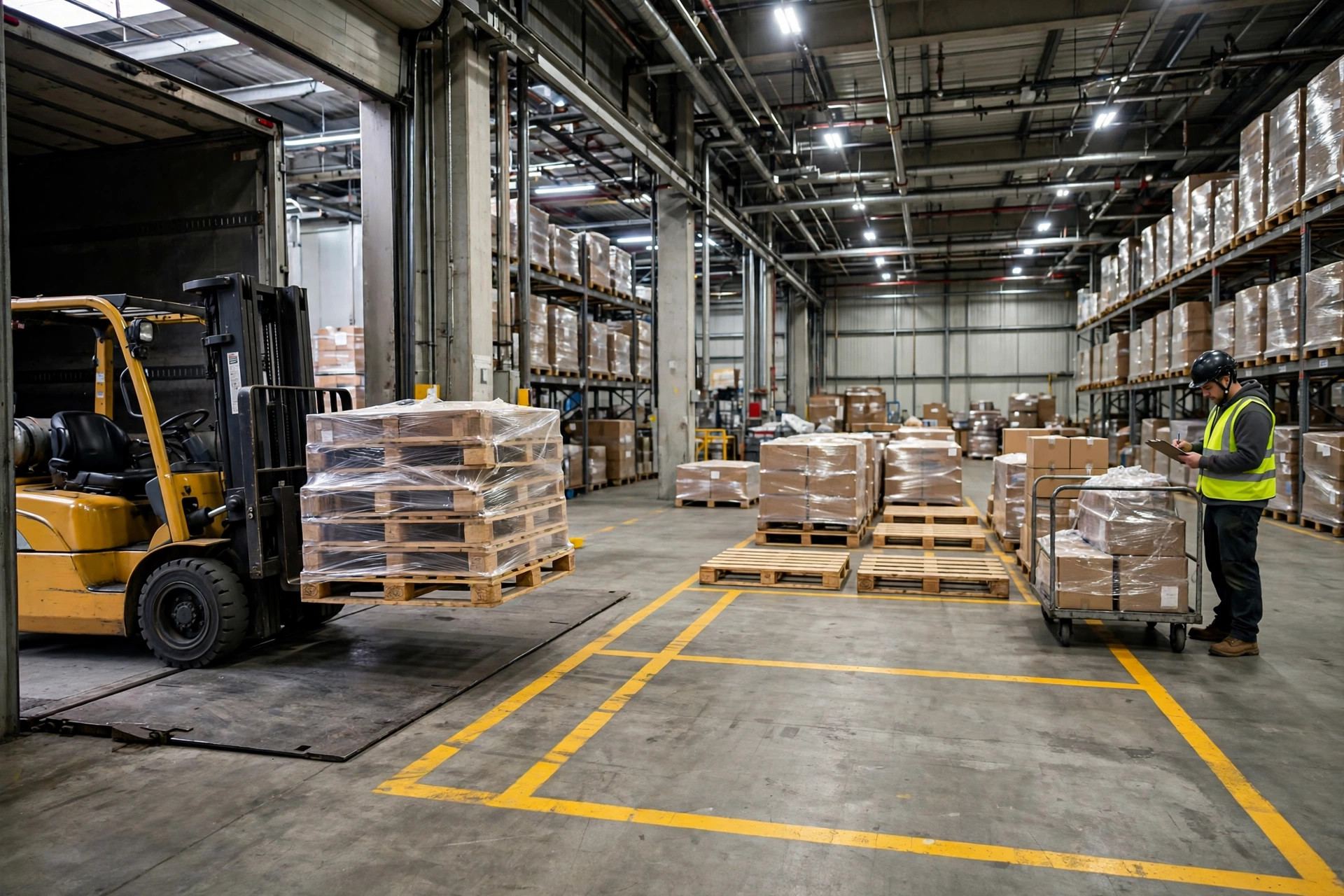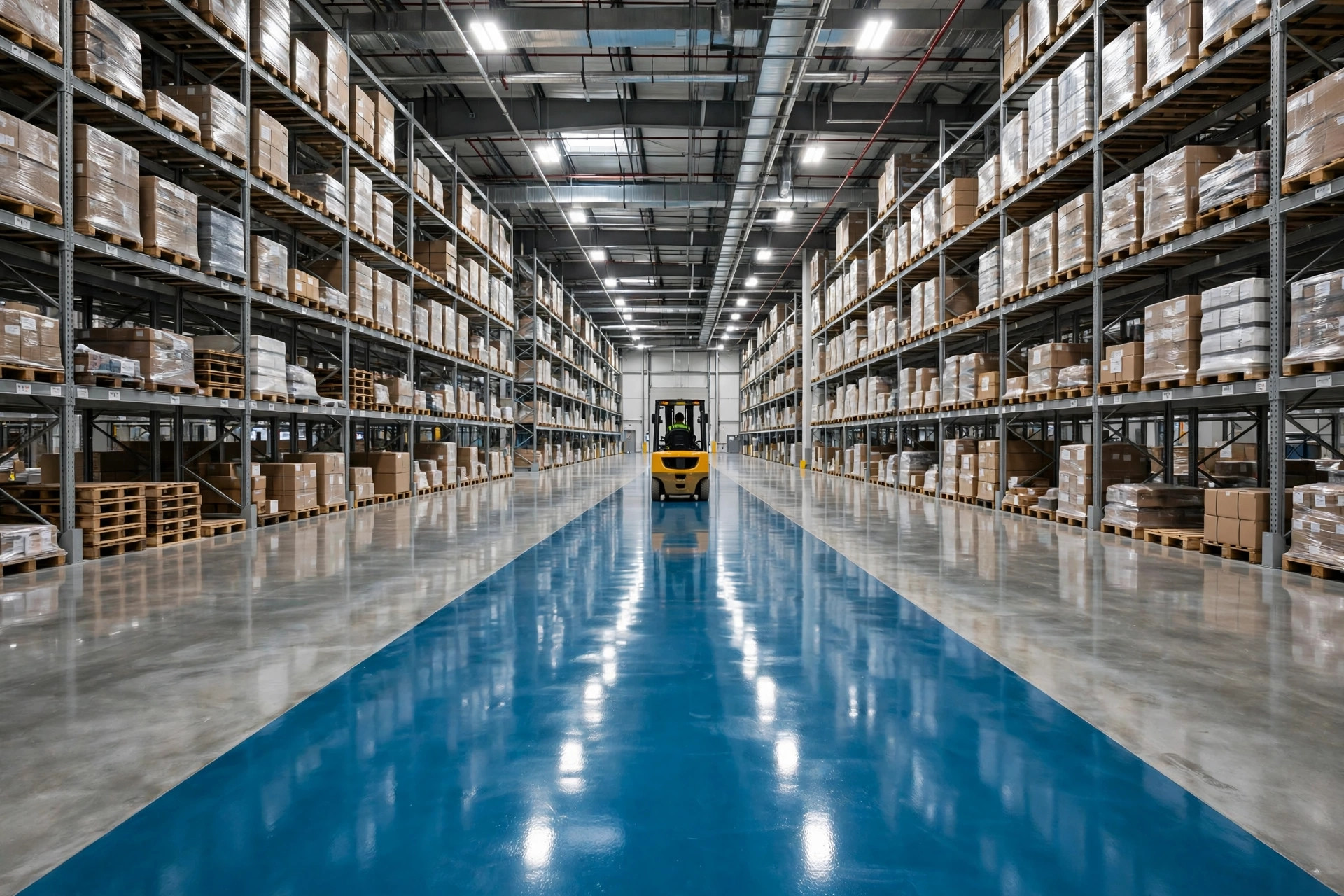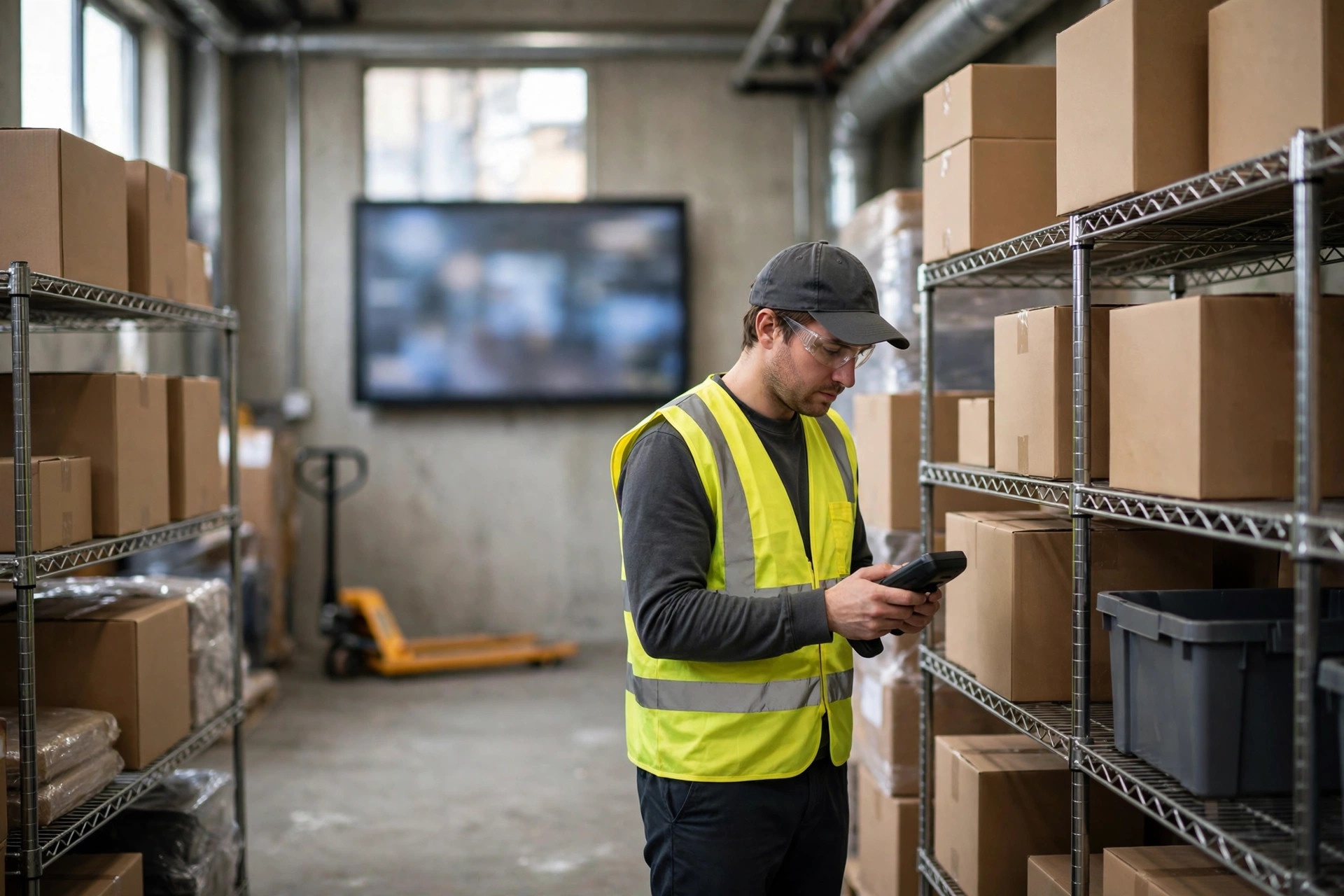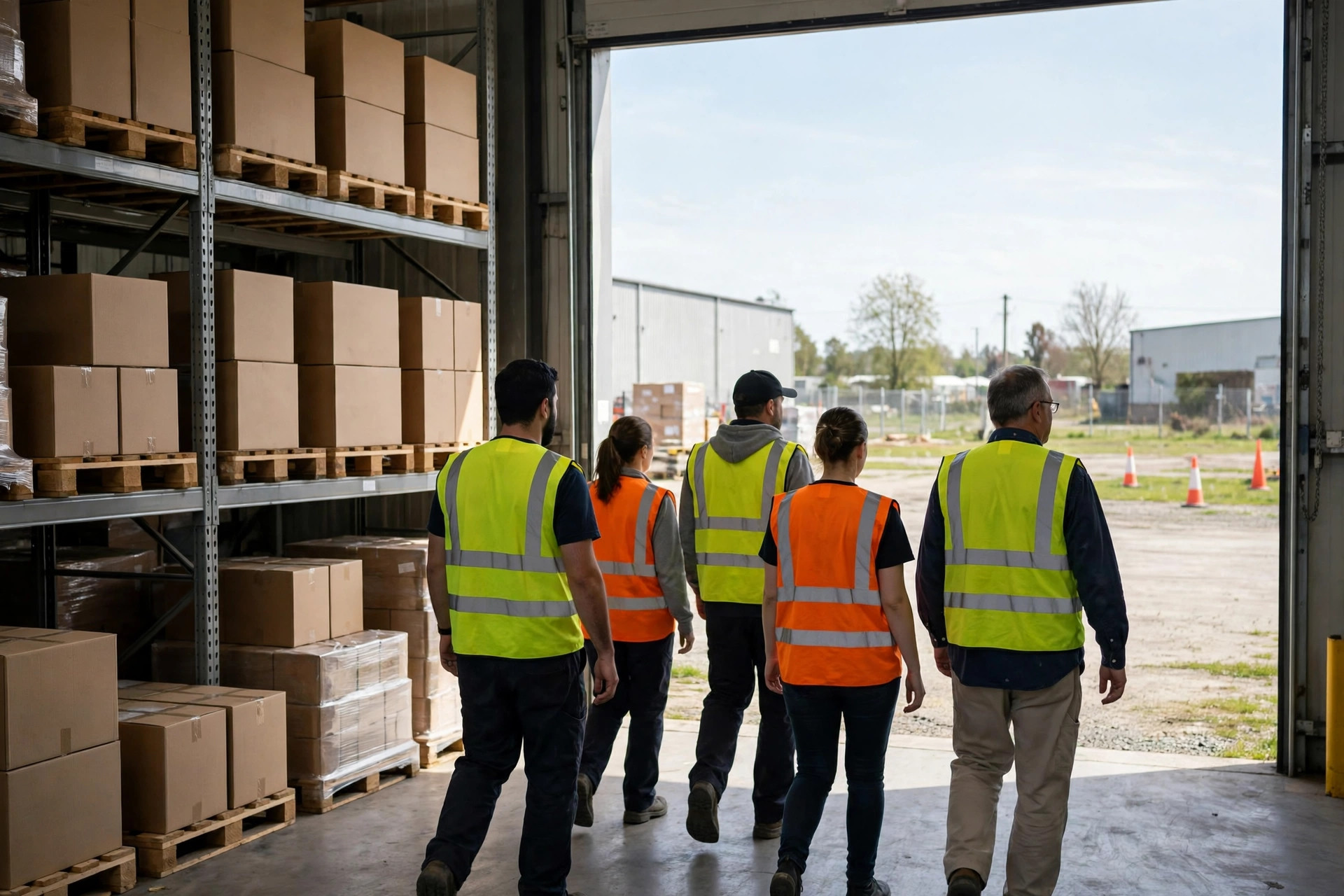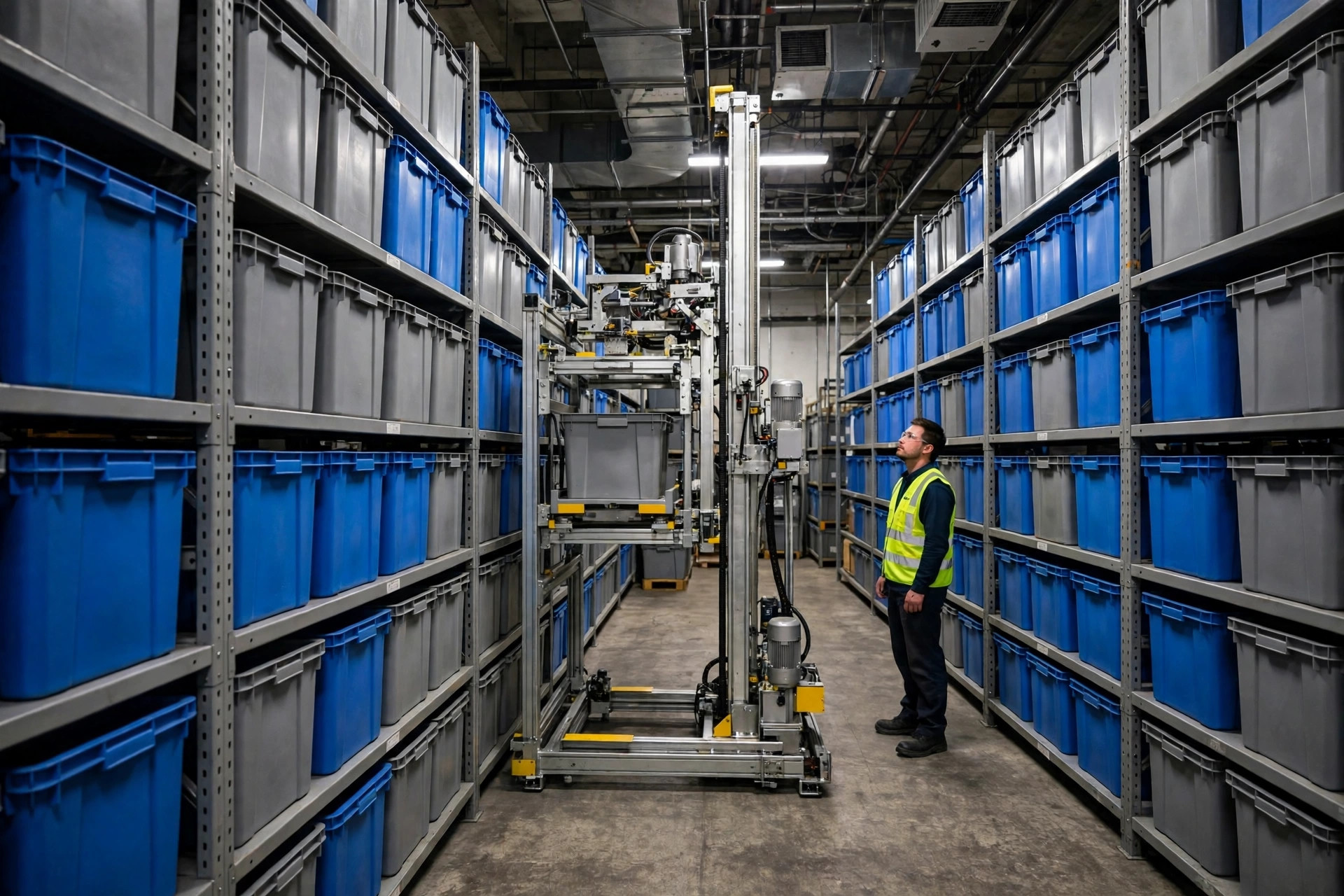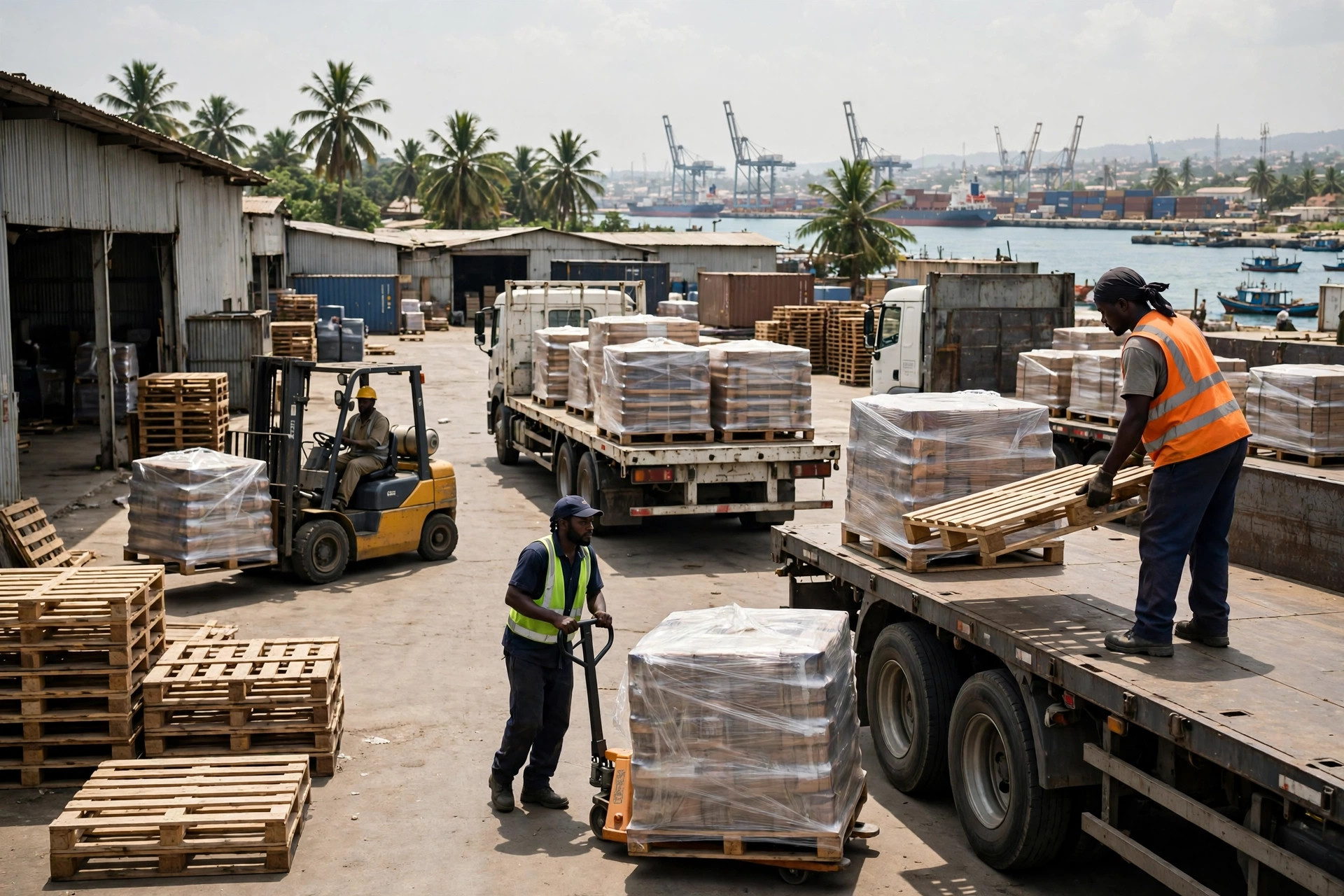
On a dusty morning near the end of the dry season, I walked the Dakar warehouse market with a friend who imports everyday consumer goods. His container had just landed, trucks were queued outside the port waiting for pickup, and a driver was smoking by the roadside waiting for a call. My friend stood there scrolling through quotes on his phone and asked me the question every newcomer asks: in Dakar, should a warehouse sit as close to the port as possible, or as close to the customer as possible? I did not answer right away, because my own warehouse is a small three-thousand-square-meter shed run by a handful of people. We cannot afford the big-company site-selection playbook, and we definitely cannot afford to copy it and hope for the best. Small operators like us look at the problem differently: we do not start with a map, we start with where the goods actually go and which leg of the journey is most likely to jam.
Dakar does three jobs at once. It is a port city, a consumer market, and a starting point for distribution into the West African interior. Those three jobs pull a warehouse in different directions. The port wants the shed near the quay, so containers can be received, stripped, and held when vessel schedules slip. City delivery wants the shed near shops and households, so frequent small orders can go out fast. Inland distribution wants a place that can consolidate freight and send it onward in stages. One building rarely does all three well, and trying to force it usually means paying too much in all three directions. So the first step is not comparing quoted rates. It is splitting your own freight into lanes and asking which lane eats the most cost and which lane panics first when something slips.
The most useful thing I heard on that walk did not come from a quote sheet. A local driver told us that whether freight moves on time often has less to do with how big the shed is and more to do with whether trucks can get in and goods can get out on schedule. A small shed with smooth in-and-out flow and a steady rhythm can survive first and grow later.
Dakar Warehouse Trade-Off One: Hug the Port, or Hug the Customer
A port-side shed buys certainty. When the container lands, you can receive it, strip it, and move on without a long transfer leg, and when vessel schedules bunch together you have somewhere to land the freight first. My friend learned this the hard way in his first year. Trying to save money, he took a site farther from the port, and then a cluster of vessels arrived together, pickup trucks could not be booked, and his freight sat for days while his shops ran out of stock. He spent the following week apologizing to customers and paying emergency transport to rescue the situation. When he added it up later, the rent he had saved did not cover one rescue round plus the orders he lost.
But port-side space has port-side problems. Traffic around the port is heavy, peak-hour pickup means queuing, and the sheds there are mostly built for large volumes. A small shipper walking in with a few consignments has almost no bargaining power, and nobody is keen to carve out a handling area for you. That is the part the big-company brochures never mention. So when you are doing the Dakar warehouse math, do not just measure the distance to the quay. Ask whether your volume is big enough to earn normal treatment in that neighborhood. If it is not, being close to the port mostly means queuing with bigger players and paying for facilities you will never fully use.
Here is the counterintuitive bit most newcomers get backwards: closeness to the port does not automatically mean lower cost, especially for small shippers. A port-side shed saves you one transfer leg but charges you for capacity and waiting time you do not need, while a suburban shed adds a short shuttle leg that sometimes costs less than the hours you would have burned queuing at the port. The real question is not distance. It is whether your volume can spread the fixed cost of a port-side site thin enough to make it worthwhile. If it cannot, do not hug the port out of habit.
Dakar Warehouse Trade-Off Two: One Big Shed, or Several Small Points
The second trade-off is scale, and my advice to small teams is blunt: do not start by copying a big company's all-in-one warehouse. A big shed looks impressive, but it concentrates every risk in one place. If that one place jams, everything jams. If it sits idle, you still pay the full cost. Our way of surviving is the opposite: secure one main point that can keep the business alive, then use light, flexible points to cover the gaps.
Early this year I helped a small seller of building accessories rethink his distribution route. His freight came into Dakar, part of it supplied local shops and part of it headed inland. His first instinct was to rent one large shed to handle everything, but the shape of his freight fought back: city delivery vans had to run back and forth from the big shed all day, while inland freight sat in the shed waiting to be consolidated, so both ends moved badly. We switched to a scrappier setup. The main shed went to the suburbs, reasonably placed for both city delivery and onward departure. At the port end he rented nothing long-term and instead paid a local warehouse per job for temporary handling, so containers were stripped and moved on without stock sitting around. Inland freight stopped waiting for a full load and moved on a fixed schedule instead, small batches included, because a predictable rhythm kept downstream customers confident even when the cost per shipment was a little higher. Nothing became the cheapest option on any single leg, but the chain stopped breaking because of waiting, and his stockout complaints dropped sharply.
Big companies optimize each point; we optimize for the chain not breaking. When the chain holds, customers stay. When customers stay, the warehouse gets a chance to grow slowly. When you break the chain to save money on one leg, the savings usually come back as a bigger bill later.
A Scrappy Checklist for Small Teams
Here is the comparison I now hand to other small operators: find your freight shape first, then match it.
| If your freight looks like this | Lean toward | Watch out for | | Stockout-sensitive, vessel schedules unreliable | Port-side handling paid per job | A long lease on a big shed your volume cannot justify | | Many small city orders | A suburban main shed serving both city and onward routes | A main shed so far from the city that vans run empty half the day | | A large share heading inland | Suburban consolidation plus fixed departure schedules | Waiting for full loads until customers drift away | | Small volumes, mixed product types | A light combination of points, no single big bet | Trying to build everything yourself and draining cash first |
Beyond the table, a few rules we learned by getting them wrong. First, keep contracts short and pay per job where you can, then negotiate longer terms in the busy season instead of locking yourself in during the quiet one. Second, visit a local partner's site before you sign anything, and look at the actual handling area rather than the area figure on the quote: one visit tells you whether trucks can enter, whether the yard floods in rain, and whether the place works at all. Third, give downstream customers a fixed departure rhythm, even if the batches are small, because reliability keeps customers longer than a slightly lower rate does. Fourth, keep a small emergency reserve, because when vessel schedules slip or a carrier drops out, a small shed has no corporate backup plan, and cash is the backup plan.
This checklist is not a standard answer; run your own numbers once you bring it to a Dakar warehouse site. Port, suburbs, and inland routes are not ranked in some universal order, and the mistake is choosing a shed before looking at your freight. My shed is still three thousand square meters, my team is still small, and I have no plan to out-scale the big players. We aim at one thing: a chain that does not break, costs we can carry, and customers willing to order again. Small warehouses have their own way of surviving.
By Xiao Ma, Small Warehouse Owner