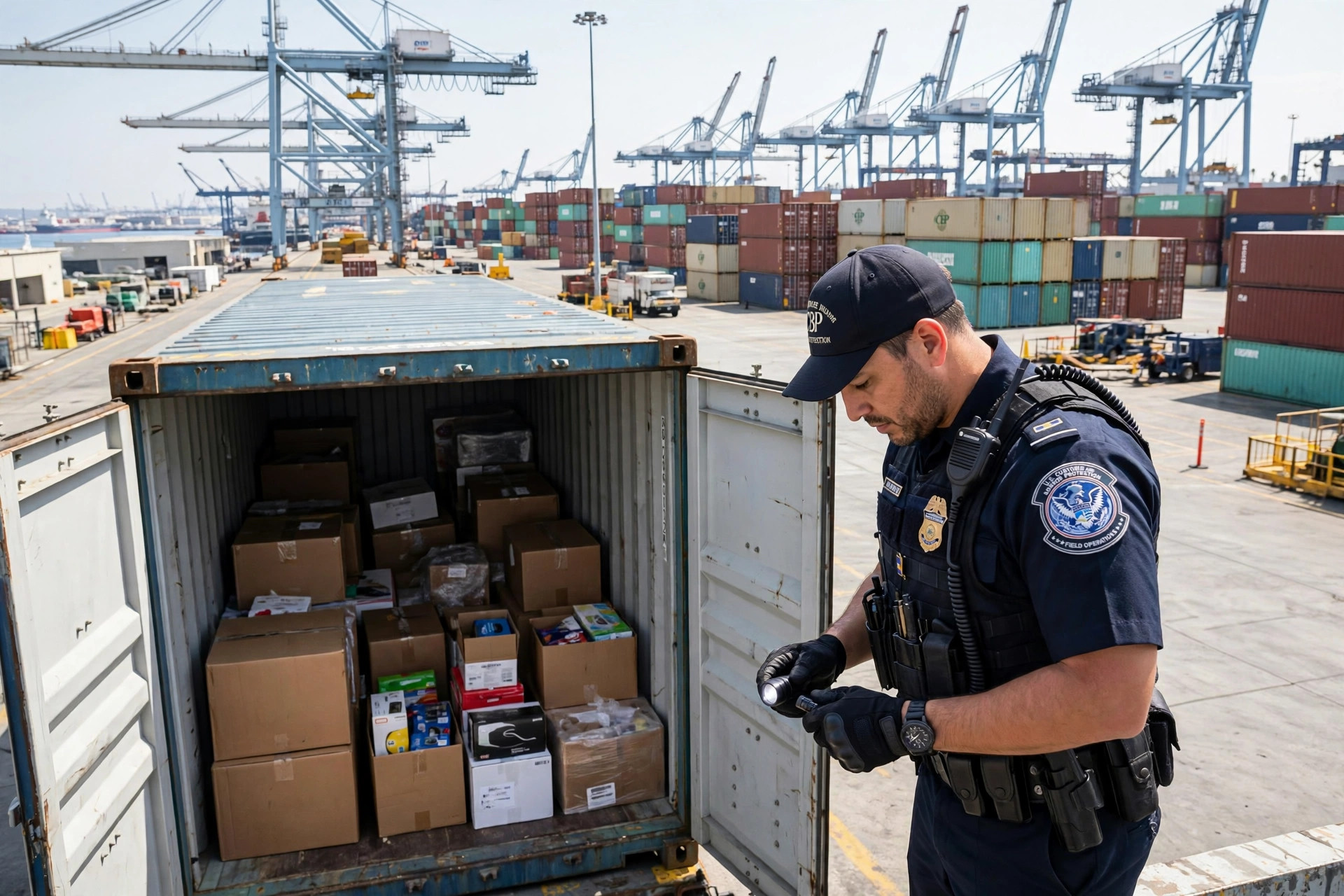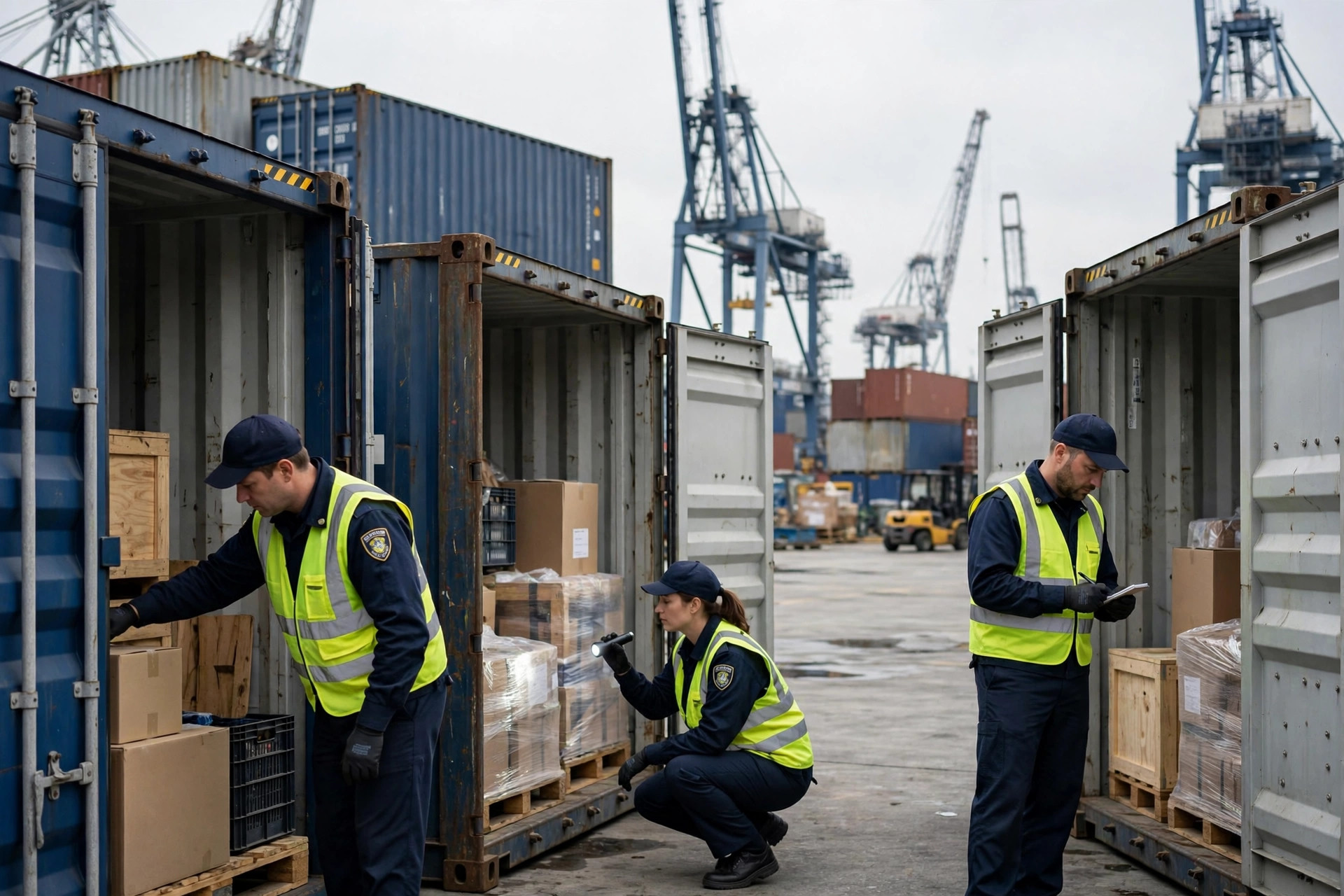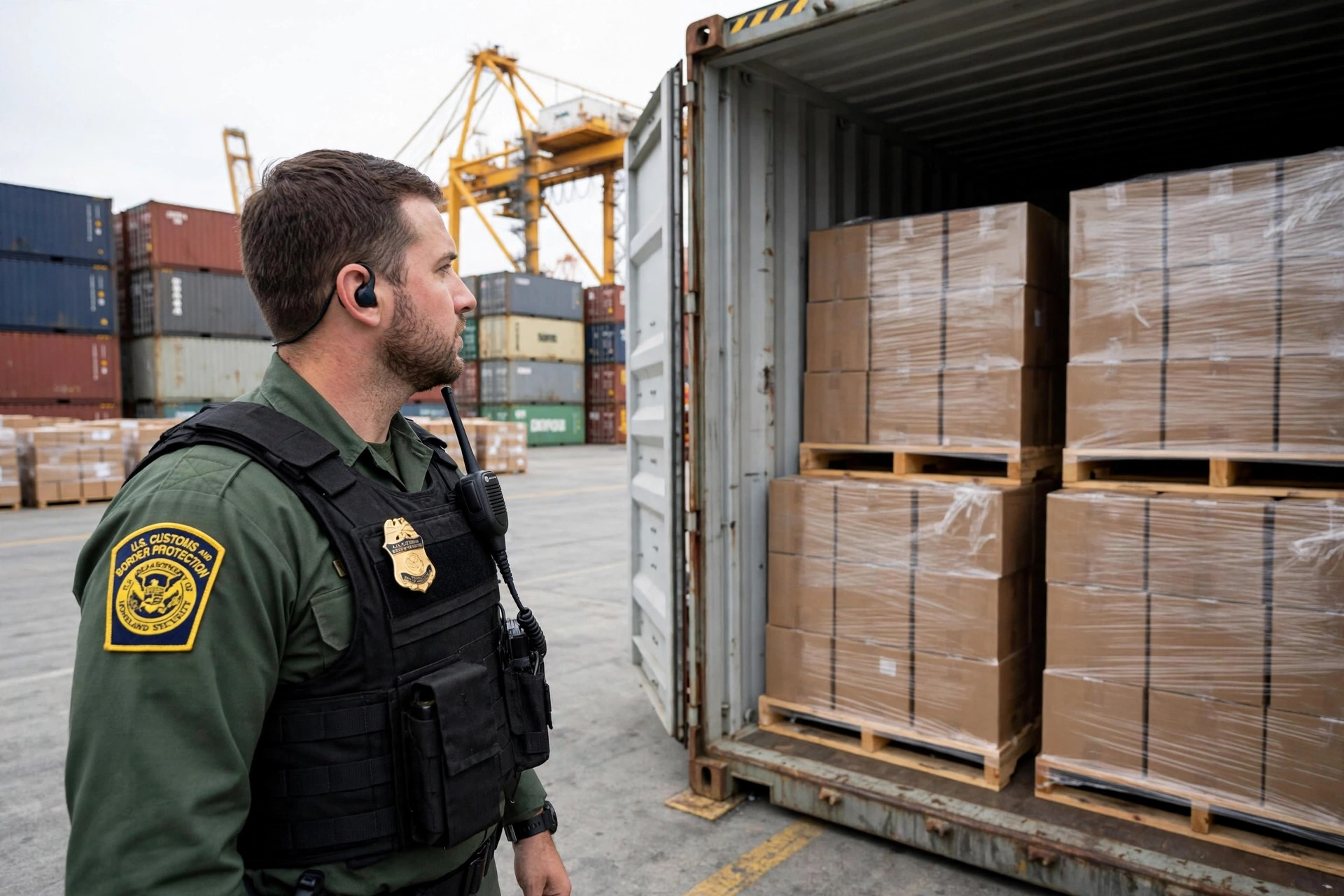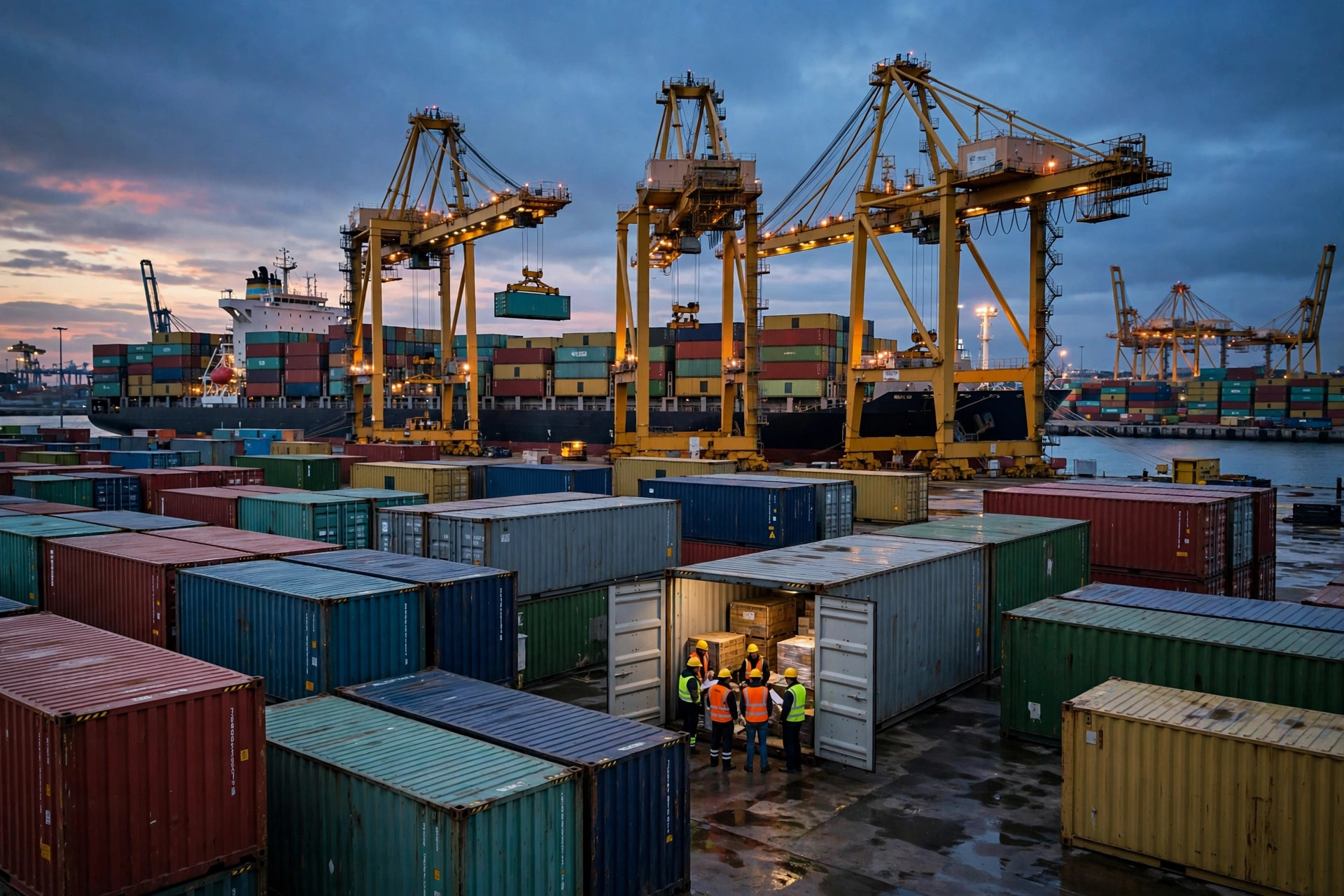
Last November, a client of mine who imports lighting fixtures called me in a panic. His 40-foot container had been sitting at the Port of Long Beach for nine days. The cargo was fine. The paperwork was fine. The problem was his customs broker — CBP had issued an exam notice, and the broker didn't see the email for three days. Per the carrier's published tariff, demurrage kicks in at $275 a day starting on day five, plus terminal storage and exam drayage. The final bill was headed toward four or five thousand dollars.
Money that never needed to be spent.
I've spent 20 years on the front lines of US warehousing, and I've watched importer after importer get burned by their broker choice. A broker might save you a few thousand dollars a year in service fees — but one mistake can cost you tens of thousands. When I vet a licensed customs broker, I check five things.
Check the license yourself — it takes ten minutes
CBP publishes a public list of licensed brokers searchable by port. Type in your port and look for the name. If it's not there, stop talking to them. Ten minutes, and it's the biggest filter you have.
The sneakier trap: some forwarders say "we work with a broker" and subcontract the filing while taking a cut. Subcontracting isn't illegal, but your power of attorney (CBP Form 5291) must name the licensed company actually doing the work. Whoever's name is on the POA is legally filing on your behalf.
The worst case I ever saw: a client signed a POA with a forwarder, who handed the entry to another broker. A classification error drew a penalty, and the notice went straight to the client. US law has a doctrine called reasonable care (19 USC 1484): the importer of record bears ultimate responsibility for the declaration. The broker is your agent. "My broker filed it, not me" is not a defense CBP recognizes. So verify the license and the POA yourself before you sign. Don't skip it because it's tedious.
A quote that's $30 cheaper can be the most expensive one
Broker pricing usually has three parts: the per-entry filing fee, the ISF filing fee, and pass-throughs of third-party disbursements. Entry fees commonly run around $100 per entry; ISF is a few dozen dollars on top. Always look at the whole picture. I once watched an importer switch brokers to save $30 an entry, then get hit with itemized exam drayage, devanning, and warehouse handling that doubled the other broker's total. He "saved" himself into a loss.
The trap that catches newcomers is the bond. Every importer needs a customs bond. A continuous bond starts at $50,000 in coverage and renews annually; single-transaction bonds are bought per shipment and cost more in the long run. Some brokers will "conveniently" set you up with single-transaction bonds, and a dozen shipments a year later you've overpaid by thousands. A good broker asks how many entries you expect per year and does the math with you. One that never asks is just running a paperwork machine.
One more thing: the MPF (merchandise processing fee) is CBP's money, not the broker's — roughly 0.3464% ad valorem, with the minimum and maximum adjusted every October. The broker just collects it. Don't mix it into your price comparison.
An exam is when you find out what your broker is worth
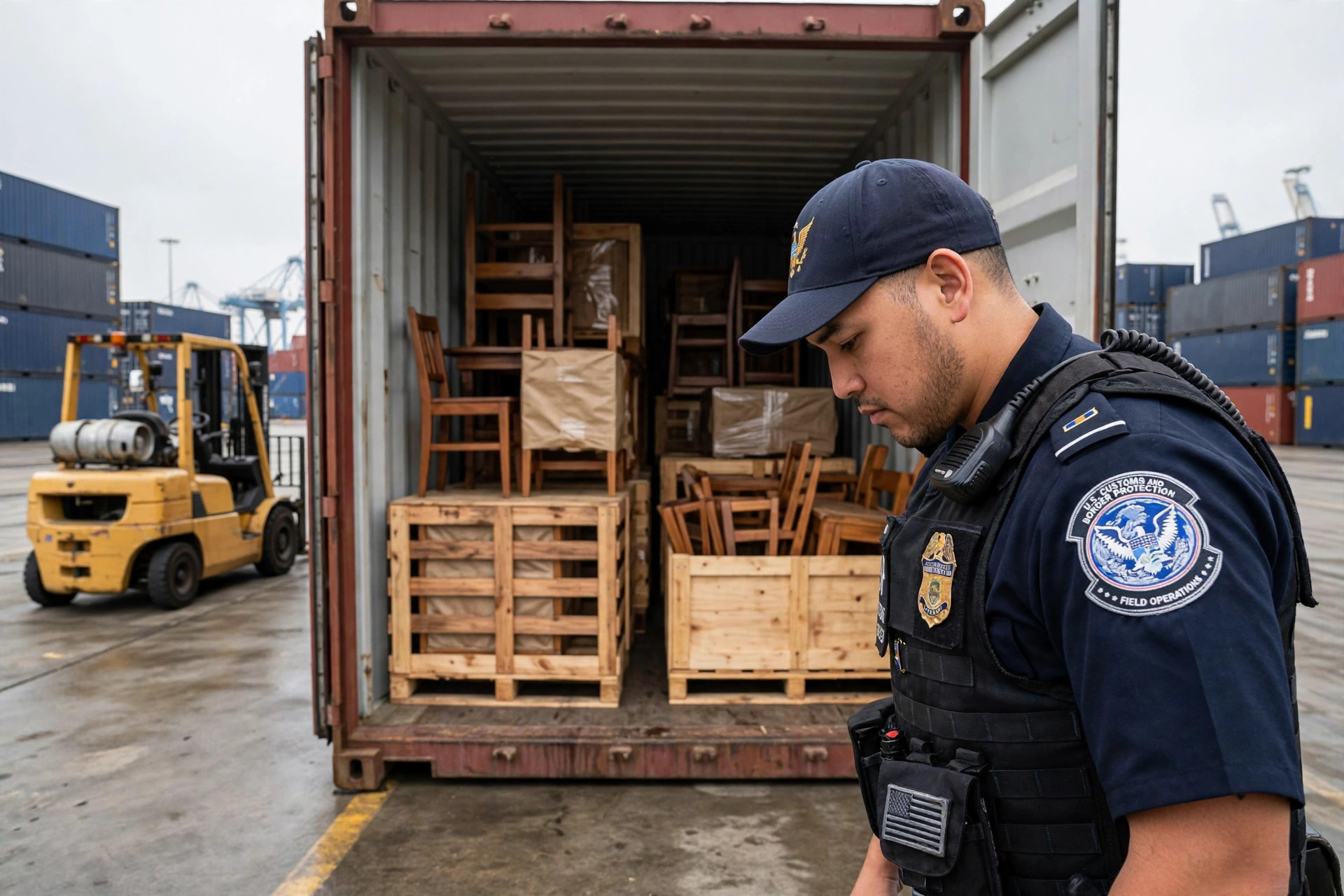
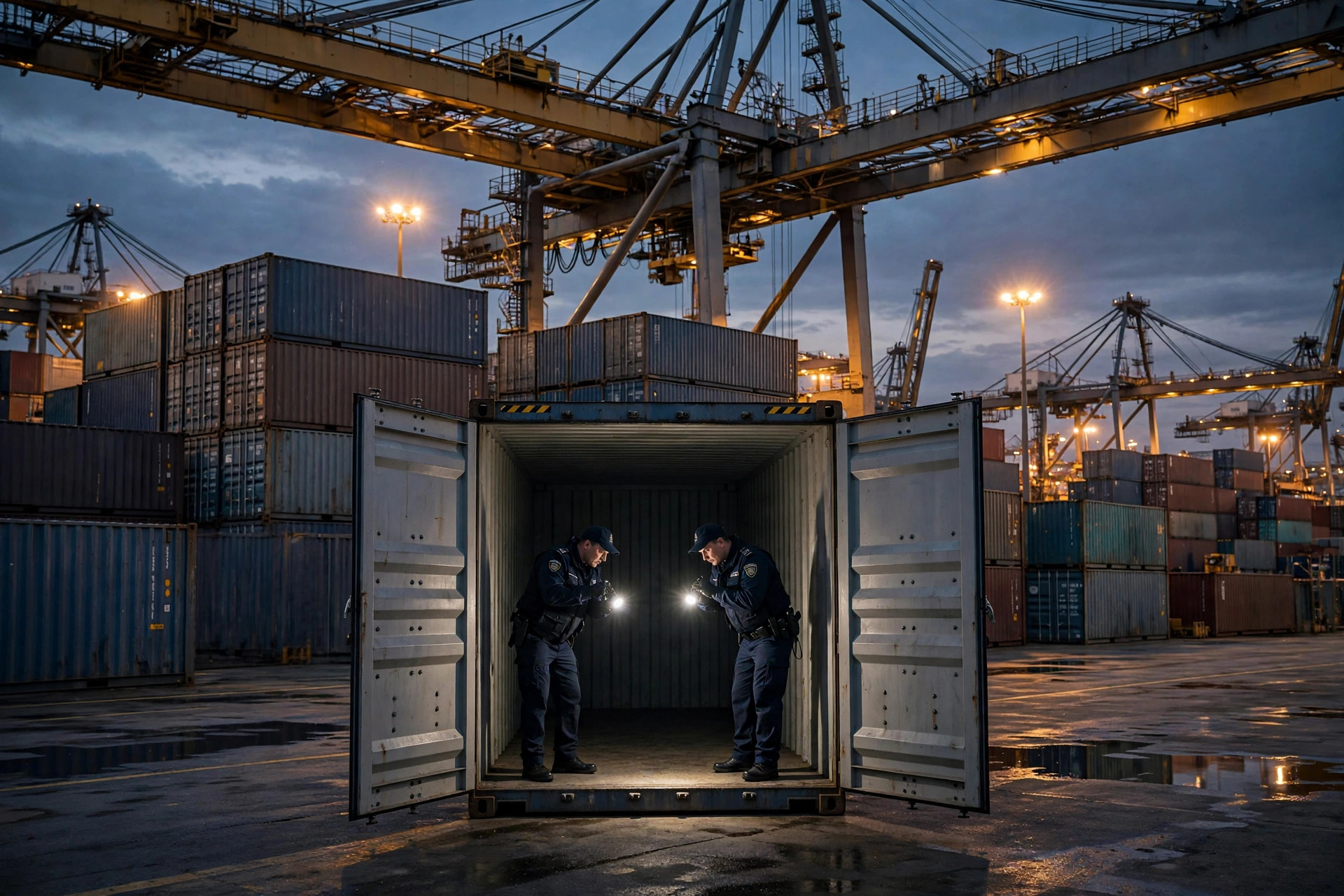
CBP exams come in tiers. X-ray and VACIS scans are the fastest — sometimes same-day release. CET exams and intensive exams mean dragging the container to a designated exam site and devanning it, with drayage, labor, and storage stacking up. A single intensive exam easily runs past a thousand dollars, and the meter doesn't stop while you argue about it.
What the broker can do is keep the paperwork clean up front, react the hour an exam hits, and chase the drayage and the timeline. That's the whole job, and it's where cheap brokers go quiet.
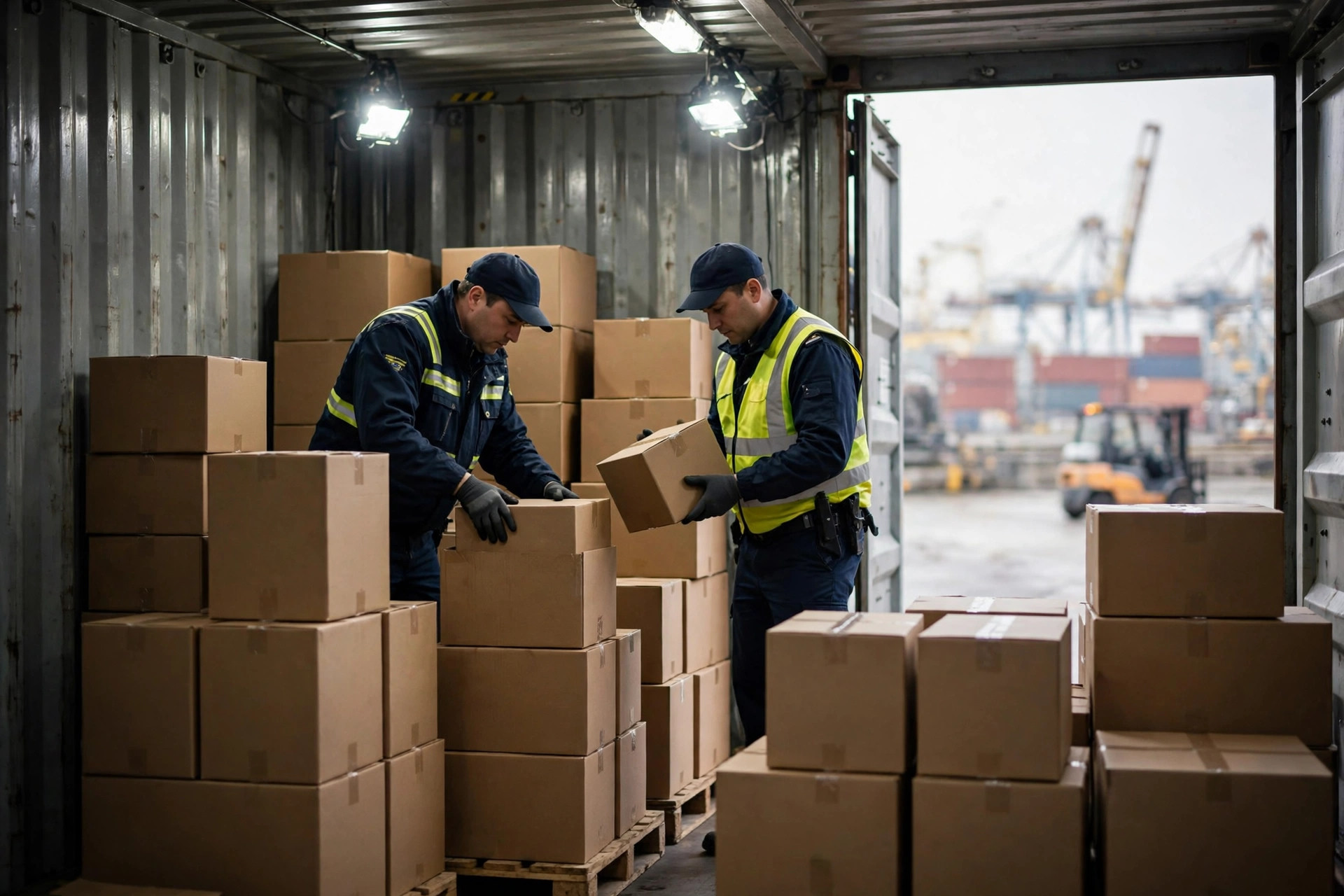
Two things to check before you sign. First, has this broker handled exams for your kind of product? Food, lighting, anything with batteries — the exam logic and the PGA (partner government agency) requirements are completely different. If they've never touched your commodity, your cargo is their training exercise. Second, who owns the ISF? It must be filed 24 hours before vessel loading; late or wrong, and CBP can penalize $5,000 per violation. I've seen brokers toss the ISF to the overseas forwarder to "handle," the data didn't match, and the client ate the penalty.
Ask one direct question: "How many exams did you handle at Long Beach/LA last year?" If they can't answer, walk away.
Put response time and liability in writing
Exam notices, releases, duty bills — none of them can wait. Negotiate it up front: replies within two business hours on business days, exam notices relayed same-day. One broker I work with puts every client in a group chat with live exam status updates. Ask about that kind of detail before you sign, not after something breaks. The broker who answers fast in the sales process usually answers fast in a crisis. The one who takes two days to return your quote will take two days to return CBP's exam notice, too.
Liability matters more. Ask whether they carry E&O (errors and omissions) insurance, then read the indemnity clause: if their mistake triggers penalties or demurrage, do they pay, and how much? Plenty of standard contracts cap it at "refund of service fees" — which means you eat the loss. If that clause doesn't change, you have no insurance. Push back on it. The brokers worth keeping will negotiate; the ones who won't are telling you something.
The one-page checklist
Before you sign, check every box:
- License verified on CBP's public list; the POA names that licensed company, not a subcontracting forwarder
- Quote shows entry fee, ISF fee, and pass-through disbursements in detail — not just the entry price
- Bond strategy worked out: continuous vs. single-transaction, based on your annual entry count
- Exam track record asked about; the broker personally owns the ISF filing
- Response-time commitments in writing, not just verbal
- E&O confirmed and indemnity negotiated — "service-fee refund only" is not acceptable
Choosing a broker deserves an afternoon of your time. Your cargo spends over a month on the water. Losing it on the last mile, on shore, is the most pointless loss there is.