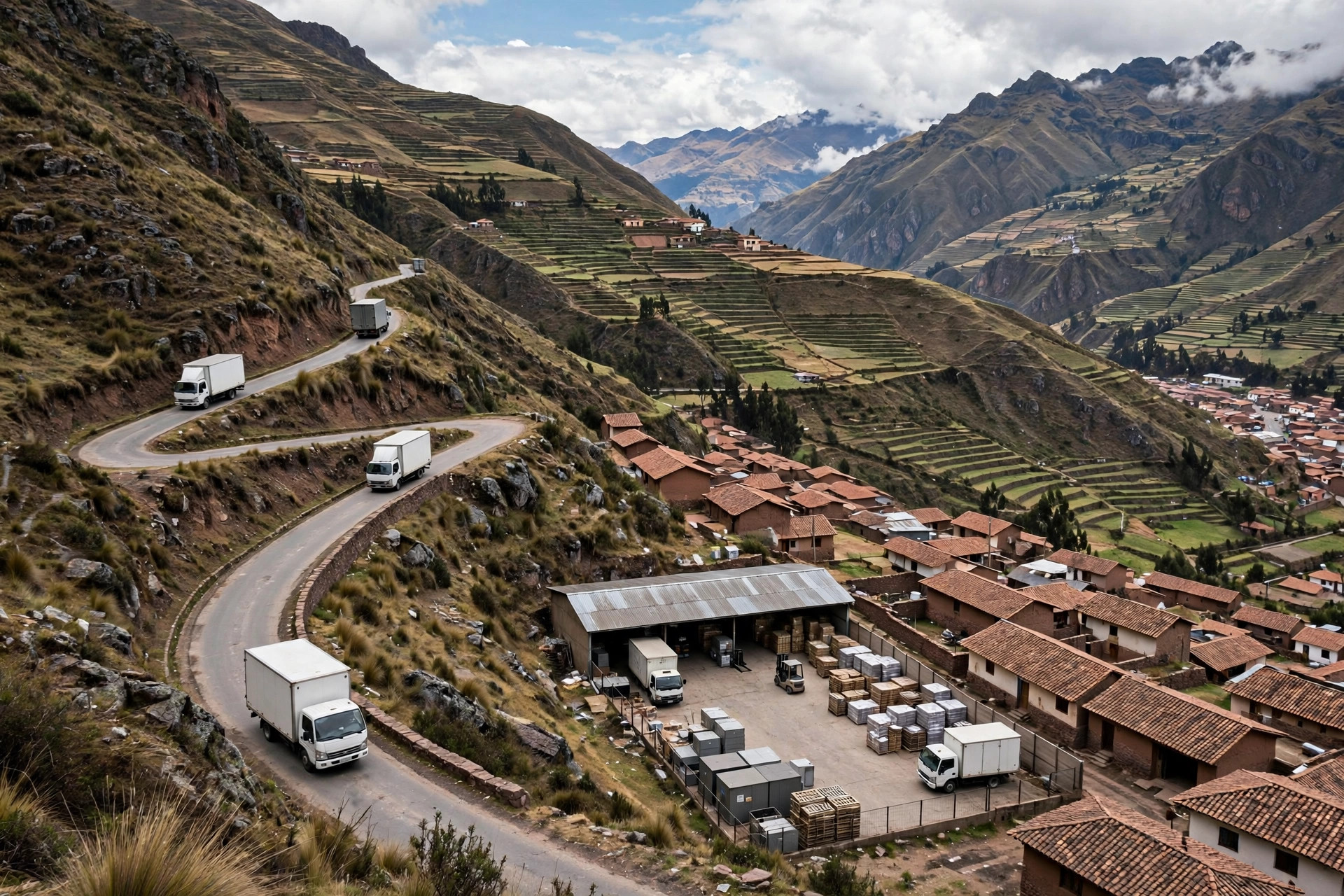
Let me tell you something. After all these years on the road, the thing I fear most is not distance. It is slope. One early morning I picked up a load outside Cusco, drinks and daily supplies bound for hotels in the Sacred Valley. The fog was still sitting on the hillsides when we set off, and the road kept climbing, bending, and dropping again. The engine worked harder than it ever does on flat ground. On one long descent I dropped a gear early, and still the brakes came up hot enough to smell. A delivery planned for before noon did not finish unloading until well past two in the afternoon. The customer was on the phone asking where we were, and I had no better answer than the mountain itself: this road runs on its own clock.
That trip taught me the first rule of putting a warehouse near Cusco. You cannot judge the place by distance on a map. Two points that look close together may be separated by a ridge and a valley, and the truck still has to climb over one and wind around the other. Where you put the warehouse is really a decision about grades, weather, and what kind of truck you run.
Cusco Warehousing Starts With the Climb
Cusco sits high, around 3,400 metres above sea level, where the air is thin. Trucks lose power, drivers tire faster, and a heavy load crawls uphill while burning noticeably more fuel than it would on the flat. Coming back down is no holiday either, because brakes take a beating on every long descent. A driver who makes three runs a day on the plains may manage two here, and that is a good day.
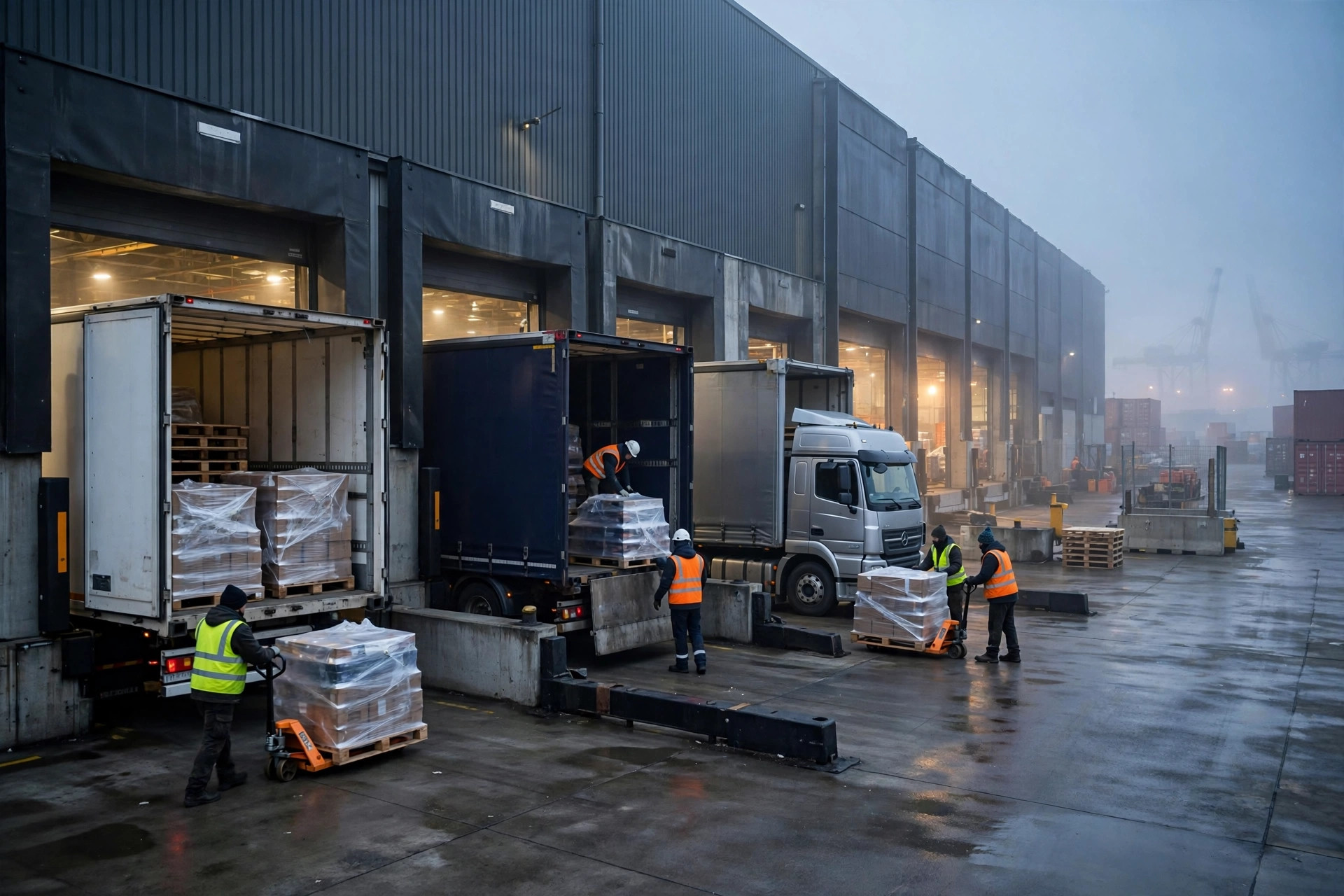
I knew a small operator who supplied hotels and restaurants from a ground-floor space in the middle of town. He liked being close to his customers. The trouble was that big trucks could not get down his narrow streets, so every load had to be broken down at a junction and carried in by small van, trip after trip. Time and labor leaked away at that junction. He eventually moved to a flat yard beside a main road outside town, where a big truck could pull right up to the door and unload. Small vans then took goods into town and out to the valley. The rent per square metre looked a little higher, but with one whole handling step gone and less damage along the way, his monthly total came down. Rents and wages in this market move from year to year, so check the latest local rates before you commit to anything. A price from last year is a poor basis for this year's decision.
There is one more thing people forget: the rainy season. When heavy rain comes, a stretch of road can be closed or diverted at short notice. A warehouse that holds only a day or two of buffer stock can leave several customers short after a single storm. Before you sign for a warehouse, ask whether the road stays open in the rains, and which alternative route you would use if it does not.
Cusco Distribution: Big Trucks and Small Vans Each Do Their Job
In Cusco, my rule is simple: pair big trucks with small vans, and do not expect one kind of vehicle to do everything. Big trucks handle the trunk work, bringing bulk stock into the Cusco warehouse from outside. Small vans handle the last stretch into town and the surrounding settlements. They can turn in tight lanes, climb steep streets, and stop at hotels, restaurants, and corner shops without blocking the whole road.
A friend who distributed daily goods once tried to do everything with big trucks. Several delivery points in town were unreachable, so his drivers parked far away and carried goods in by hand. Every hand-carried load cost time. He switched to big truck to warehouse, small van to customer, and gave each van driver a fixed patch of town. Once drivers knew their patch, they knew which lane jammed at what hour and which shop took deliveries in the morning, and delivery speed picked up fast. His method was not fancy. He simply treated the final stretch as a real job to plan, not as an afterthought to the big truck's run.
Another rainy-season run taught me the same lesson from the other side. I was hauling building materials to a mountain town when falling rock closed the road ahead. We waited more than two hours where we stood, and by the time the road reopened, daylight was nearly gone. That load spent the night in a relative's yard at the edge of town and went on to the site first thing the next morning. After that, my friend started checking road conditions a day ahead for every mountain delivery, and his trucks carried water and food as a matter of course. Better to arrive early and wait for the customer than to chase a deadline down a mountain road at night. For deeper Andean routes, morning departures beat afternoon ones: the fog has lifted, the road is visible, and if something goes wrong there is still daylight to deal with it. Load in reverse delivery order too, so the first drop comes off without digging through the whole truck.
Renting a Warehouse Near Cusco: Four Things to Check
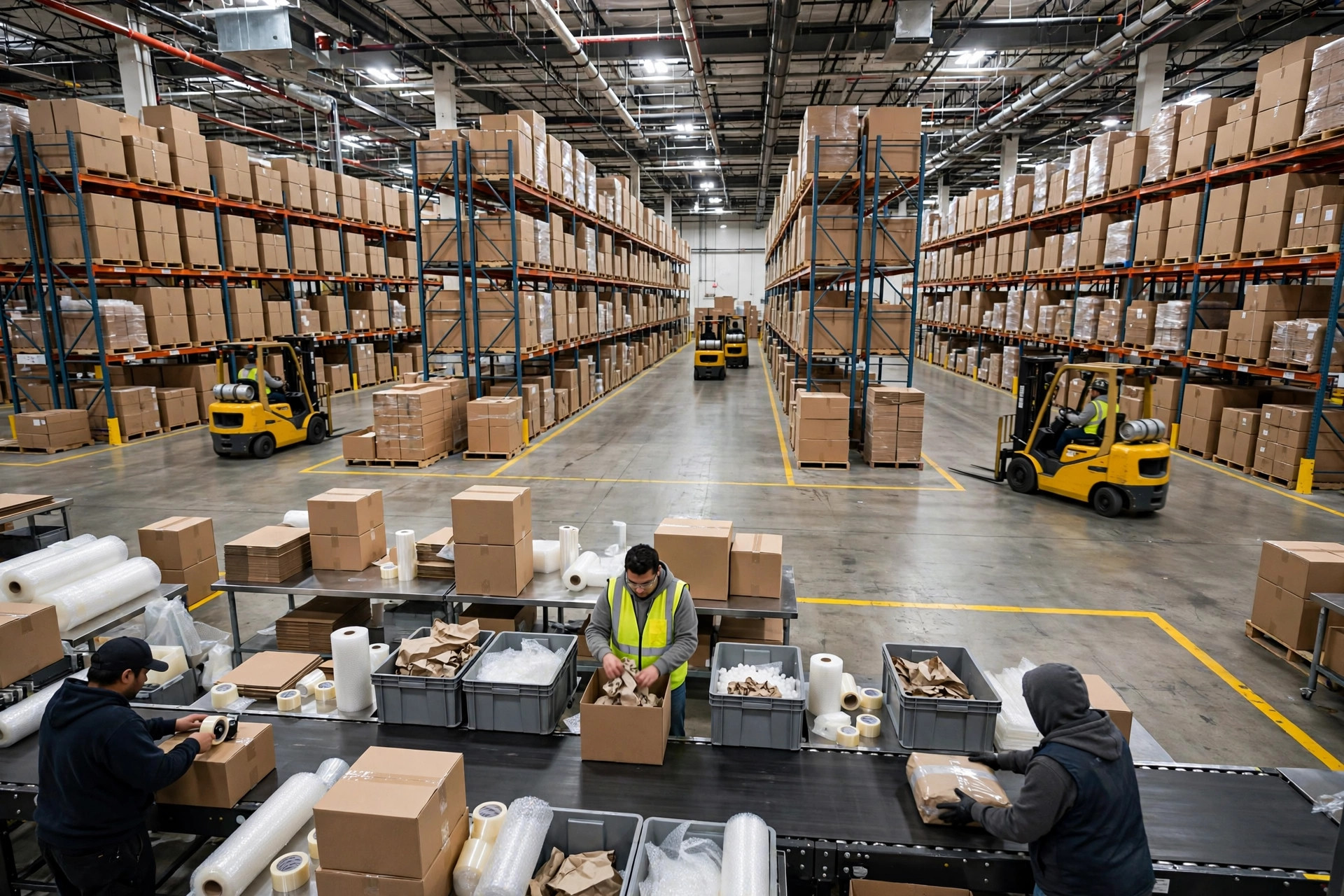
Before renting, I always check four things. First, access: can a big truck reach the door, turn around, and can the yard hold two trucks at once? Second, the floor and the height: is the floor level and strong enough, can forklifts and pallets move freely, and is there room to stack two levels? Third, damp and rain: with big swings between day and night temperatures up here, a leaking roof or a damp floor will damage stock sooner or later. Fourth, people: can you hire loaders and drivers nearby, and is the commute reasonable? If the crew is steady, the warehouse is steady.
If any one of those four fails, a cheap rent is a false bargain. I have seen a low-lying yard rented for a song, and one rainy-season downpour soaked the stock on the ground floor. What the owner paid in damaged goods would have covered months of rent somewhere better. On a warehouse decision, it is worth making several trips to look at the place in person rather than regretting a signed contract later.
| Option | Best for | What it costs you | Biggest trap |
|---|---|---|---|
| Small warehouse in central Cusco | Small distributors serving dense hotels and restaurants | Extra handling and labor | Big trucks cannot reach it, lanes jam |
| Larger warehouse beside a main road outside Cusco | Distributors covering the city and the Sacred Valley | Slightly higher rent per square metre | A little farther from downtown customers, needs small vans |
| Direct delivery from a warehouse elsewhere | Sellers with small volumes and infrequent orders | High cost per trip, unreliable timing | One storm or road closure breaks supply |
No row in that table is right for everyone. It depends on volume, frequency, and where your customers sit. With small volumes, direct delivery from elsewhere may be perfectly sensible. Once volume and frequency rise, the roadside warehouse plus small vans usually wins. Here is the counter-intuitive part: the warehouse closest to your customers is not always the cheapest overall. Fuel burned on climbs, labor spent breaking down loads, and the risk of a rainy-season stockout often add up to more than the few extra kilometres a better-placed warehouse would cost you.
The Cusco Location Decision, in Plain Terms
If you are weighing a warehouse in the Cusco area, my advice comes down to three points. First, drive the route before you sign anything. Ride along with a truck, see how steep the grades are, how tight the bends run, and which stretch suffers most in the rains. Then choose the warehouse location. Second, hold a little extra stock. Do not set safety stock by plains arithmetic; in high country, where road conditions change fast, two or three extra days of cover buys real peace of mind. Third, write the big-truck and small-van split into the daily roster instead of improvising it. Fixed patches make drivers familiar and customers familiar, and deliveries start to run smoothly.
Highland business is not won by whoever owns the most trucks. It is won by whoever plans around the character of the place. Learn the road, pick the warehouse to suit it, and then do the daily work steadily. There is an old saying among drivers: slow work makes fine work. On a mountain road, that saying holds especially true.
By Shifu Zhao, Trucking Veteran (15 yrs)