Let me give you my judgment on Chile SEC certification up front: if you sell warehouse electrical equipment into Chile, certification is not a formality to remember before shipment. It is a cost and a timeline that belongs in your quotation on day one. Cost before benefit, worst case first, and only then the upside. I have seen too many factories get excited at the sample stage, only to discover at shipment that certification was missing, labels were wrong, or test reports did not match, and then watch a container sit at port while the customer calls every day. The margin on that order usually disappears into port storage, rework, or a discounted settlement.
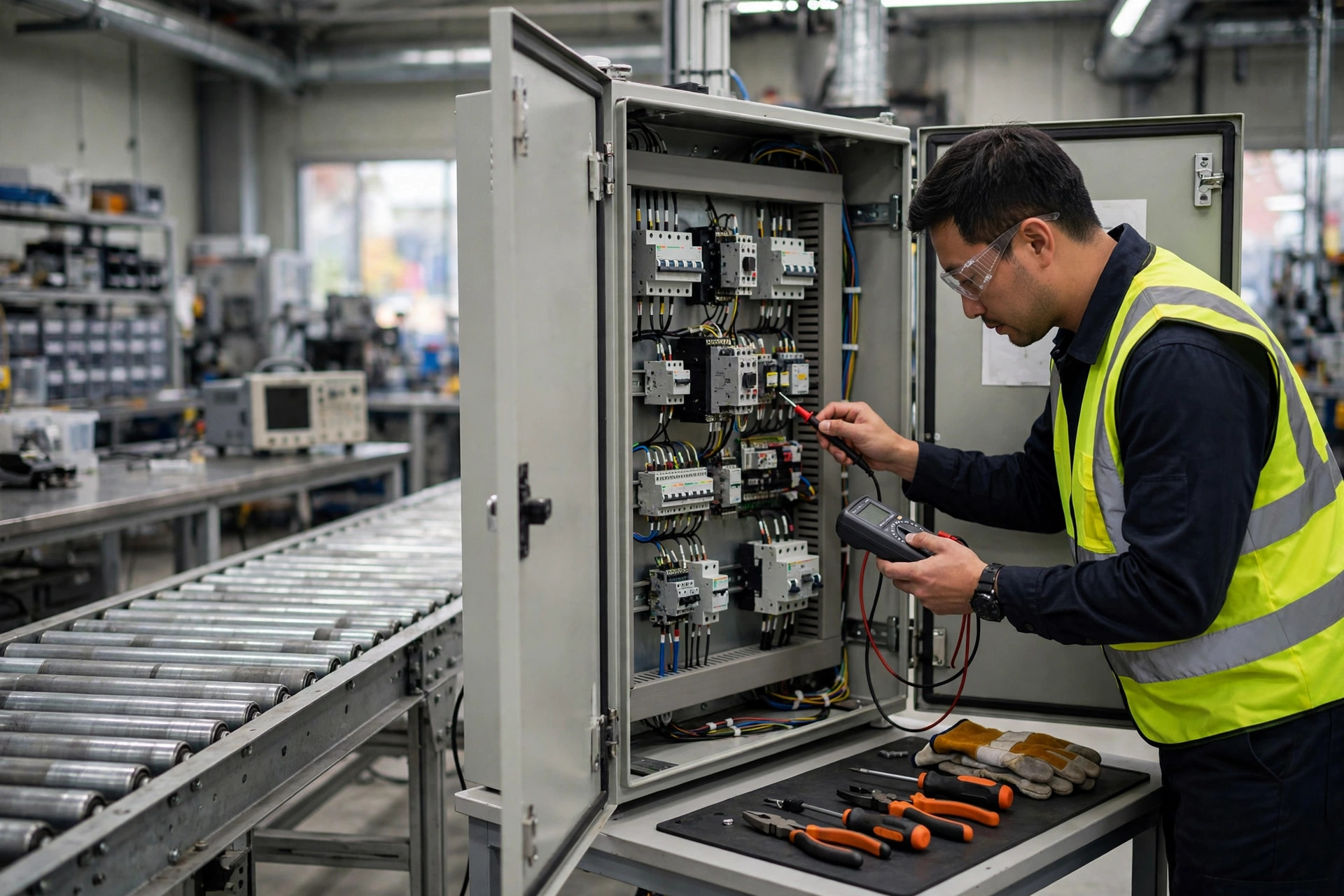
I followed one such case closely a few years ago. A factory making warehouse charging equipment won an order from a Chilean customer, covering chargers and the associated electrical control cabinets. Before shipment, the factory prepared manuals and certificates the way it did for its domestic market, assuming electrical products were much the same everywhere and Chile would accept them. When the goods arrived, the customer's customs broker reported that the products lacked the documentation required under Chile's SEC certification system, and the labeling did not meet local requirements. The shipment sat at port for weeks while storage charges accumulated and the customer's new warehouse opening plan slipped. The eventual fix was to complete certification and relabel everything, and the total time and money spent dwarfed what doing it properly from the start would have cost. Look at it from both sides: Chile is genuinely worth serving, because warehousing, e-commerce, and cold chain are all adding equipment there. But its entry threshold is real. You cannot go around it. You can only go through it early.
What Chile SEC Certification Actually Covers
Chile SEC certification governs the safety compliance of electrical products entering the Chilean market. In plain terms, a product must meet the standards and certification procedures Chile recognizes and hold the corresponding certificate or authorization before it can be sold and used there lawfully. For warehouse electrical equipment, the relevant categories commonly include charging equipment, electrical control cabinets, lighting, motor drives, and power supply products, but which category a specific model falls into and which certification path it follows must be confirmed against the latest rules from Chilean authorities and certification bodies. Do not map it from another country's classification by habit.
The most common trap is assuming test reports travel across borders. A product can carry the same name in two countries and still face different standard numbers or different test items. Factories often submit a report earned elsewhere for Chile, only for the certification body to find key test items missing and send the product back for retesting. My rule before quoting is to settle three questions: first, which regulated category does this model fall into in Chile; second, which documents and test reports does the certification body require; third, what are the local requirements for labels and manuals, including language and mandatory information. Once those three are answered, the certification cost and timeline in your quotation stand up, and you can answer the customer with confidence. Where anything is uncertain, the honest line is that details follow the latest official policy. A confident wrong number is far worse than a hedged correct one.
The Chile SEC Certification Process: Documents, Testing, and Labels
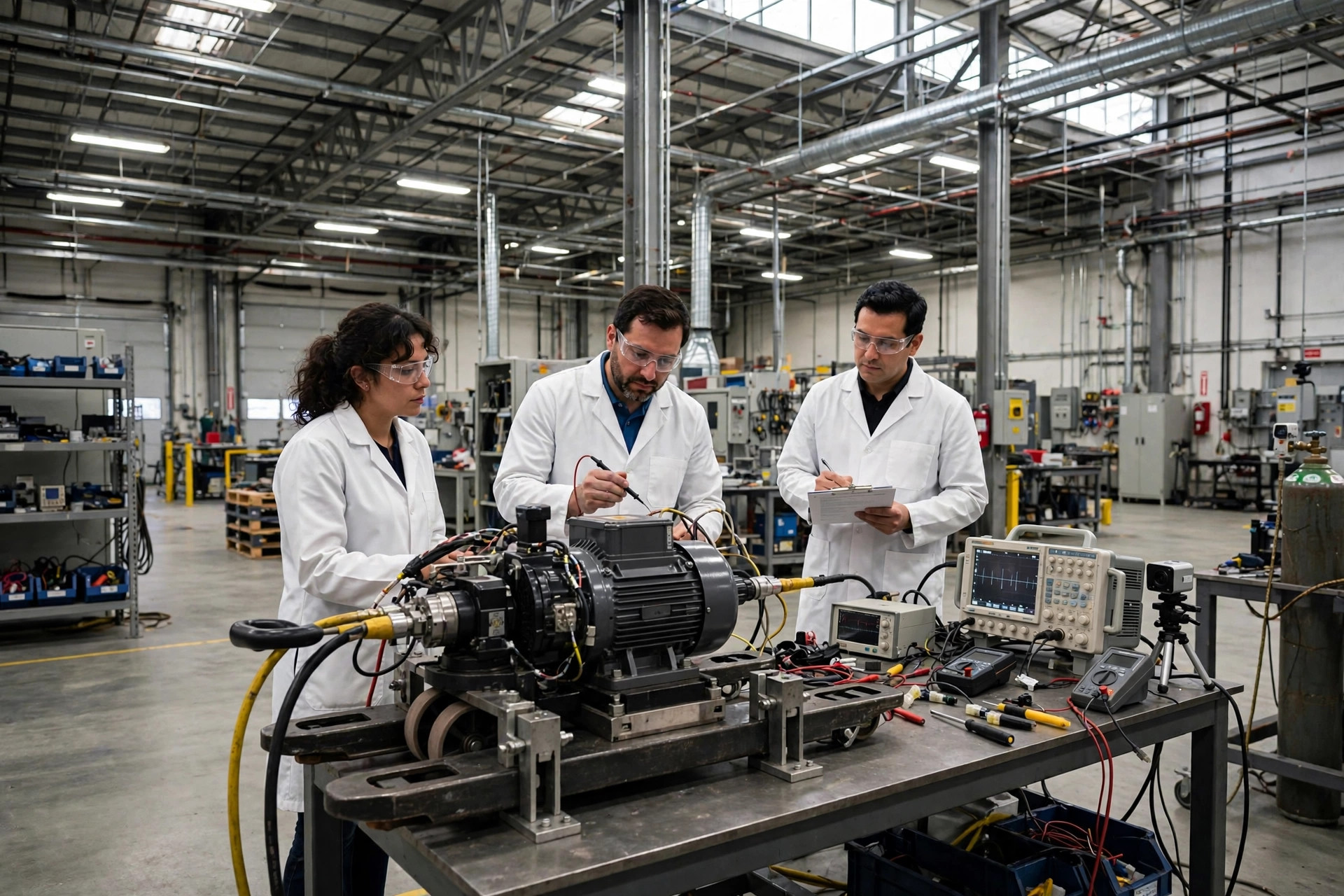
The process itself is not mysterious. What makes it hard is that every step must leave a paper trail, and every document must match. From the projects I have followed, the line runs like this: confirm the product category and applicable standards, prepare technical documents including specifications, circuit diagrams, a list of critical components, and draft manuals, send samples to a recognized laboratory for testing, have the certification body review the results and issue the certificate, and then get labeling right, so the model, ratings, and certification marks on the product match the certificate and the safety warnings in the manual are complete.
The rework I see most often comes in three forms. First, a component changes during mass production without updating the file: the factory swaps a power module, but the certificate still lists the old one, and one inspection exposes the mismatch. Second, labels are printed wrong, with a model number, rating, or origin detail out of step, so the whole batch must be relabeled. Third, manuals arrive in only Chinese or English, without the locally required preparation, and the problem surfaces at customer acceptance, when it is too late to fix cheaply. The unglamorous defense is a certification file that holds everything together: the certificate, test reports, component list, label proofs, and the final manual. Every time a critical part changes in production, ask first whether the file needs updating. That single habit prevents most rework.
The timeline deserves the same honesty. Certification time depends on samples, laboratory scheduling, retesting, and document turnaround, and any one of those can slip. When promising delivery to a customer, keep the certification period separate from the production period, and do not squeeze it to zero just to win the order. Fees work the same way: testing fees, certification fees, sample shipping, and possible retest costs should all be listed. A vague total price that later overruns leads to an argument with the customer, and that costs a long-term relationship, not just money.
Certify Early or Fix at Port: The Chile SEC Certification Trade-Off
This is the decision that matters most, so here it is as a straight comparison:
| Approach | Upfront cost | Delivery risk | Best for |
|---|---|---|---|
| Full certification before shipment | Money and time now | Low, smooth port clearance | Long-term Chile business, volume shipments |
| Ship first, fix at port | Looks cheaper upfront | High, port storage, relabeling, retesting all possible | One trial order, and only if the customer can wait |
| Certify the sample first, follow with production batches | Spread across multiple shipments | Medium, production consistency must be controlled | Factories with clear follow-up orders |
My advice is blunt: if you plan to sell in Chile for the long term, choose the first option. Certification money looks like a cost, but what it really buys is certainty. Fixing things at port looks like saving upfront investment, but it bets everything on port handling and the customer's patience. Once a shipment stalls, port storage, relabeling labor, and customer claims together usually exceed the cost of certifying early, and what you lose is not only money but trust. The counter-intuitive part is that early certification can actually help your pricing. With a certificate in hand, you are no longer negotiating whether you can enter Chile at all. You are negotiating how reliable your delivery is and how fast follow-up orders can ship, and that is where a premium can be earned.
Certification does not end when the certificate arrives, either. Market supervision continues: standards get updated, certificates come up for renewal, and production consistency can be checked. I put certificate expiry dates on a calendar and start renewal months early, never waiting until a customer order reveals an expired certificate. In production, I keep a sample unit and a full document set from each batch, so if questions arise, I can produce evidence instead of excuses. That follow-up management takes little effort and prevents a surprising amount of trouble.
Before shipment, run three checks and tick each one off: does the model and rating on the certificate match the physical product; does the label proof match the certificate information; are the manual and safety warnings prepared to local requirements? If all three pass, the shipment can arrive in Chile with confidence. As for exact fees and timelines, they vary by body and by product, so always confirm against the latest official policy rather than trusting a verbal quote.
The certification bill, paid early, is a cost. Paid late, it is tuition. Which one do you want to pay?
By Lao Mi, Supply Chain Veteran (20 yrs)