My first shipment bound for Europe nearly got stuck on the CE certification machinery directive. Not because the product did not work, but because I had misunderstood the whole game. I thought I could pay a body, stick on a label, and move on. Then the customer asked one simple question: where is your technical file? That question changed how I sell equipment abroad, and it should change how you do it too.
Don't Treat the CE Certification Machinery Directive as a Piece of Paper
Let me be blunt: plenty of sellers treat CE certification like a customs sticker. Slap it on, ship it, done. That attitude falls apart the moment you meet a serious European buyer. A buyer who knows the rules will not start with the label. They will start with your declaration of conformity and your technical file, and they will check whether your risk assessment actually covers the real hazards of your machine.
Here is the counterintuitive part. The hardest part of CE certification is not the testing. It is explaining your own machine clearly. Do the guards cover the moving parts? Does the emergency stop really stop the machine? Can a worker reach into a danger zone during maintenance? A test body can measure those things, but only you can answer them. If your paperwork is vague, even good test results look like they belong to somebody else's machine.
A friend of mine learned this the hard way. He builds small sorting machines at a factory in Guangdong, and he sent two sample units to a customer warehouse in Europe for a trial. The machines ran well. But during acceptance, the customer found a service opening in a guard with no interlock: open the cover and the machine kept running. The customer refused to accept the units in that state. My friend changed three things, added the interlock, reworked the emergency-stop circuit, and completed a proper risk assessment, before the customer would keep the samples. The changes were small. The mistake was the order: ship first, fix safety later. Rework plus return freight cost far more than getting the design right at the start.
So I flipped the order. Safety design comes first, paperwork and testing come second. Guards, interlocks, emergency stops, electrical safety, and warnings in the manual are not decorations for an inspection. They are the things you will have to explain to a customer, line by line. If you cannot explain them yourself, why should a buyer trust you?
How I Actually Got Through It: Paperwork First, Testing Second
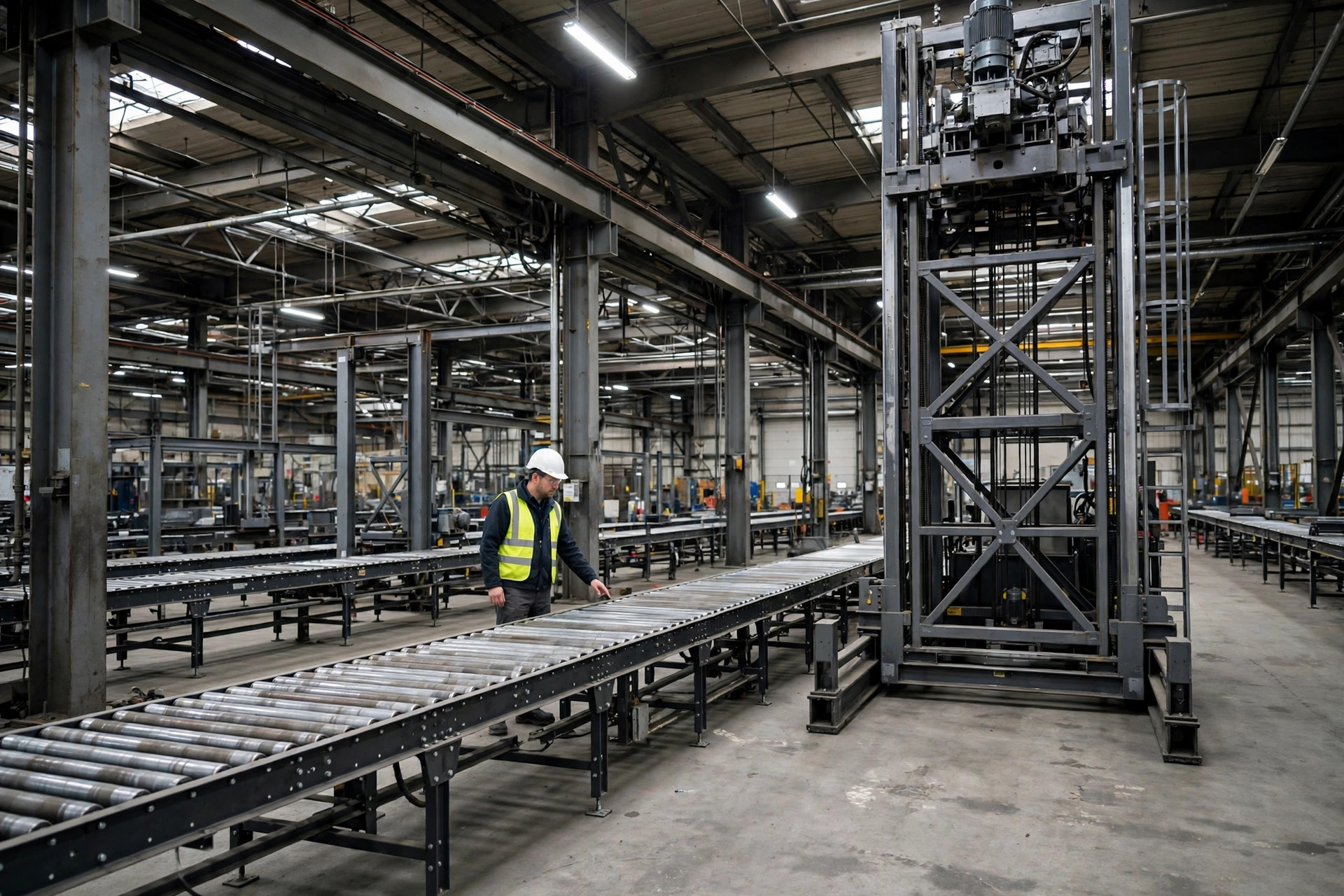
My own shipment was a small automated conveyor line with a sorting station and a palletizing station. Before I touched the test schedule, I wrote my own hazard list in plain language: which parts move, where fingers could be pinched or drawn in, where a load could fall, when an operator is most likely to get distracted, and what unusual moves happen during maintenance. Once that list existed, the design changes wrote themselves: where to add a guard, where to add an interlock, and how many emergency-stop positions the line really needed.
Then came the technical file. In my shop, the technical file is not a single report. It is a set of evidence that tells one consistent story: design drawings, the basis for choosing key components, risk assessment records, test records, and the user manual. I spent extra time on the manual, writing the operating steps in the real order of work and putting each warning next to the step it belongs to, instead of burying all warnings on the last page. European buyers read manuals carefully and will walk through them step by step. A vague manual is a trap you set for yourself.
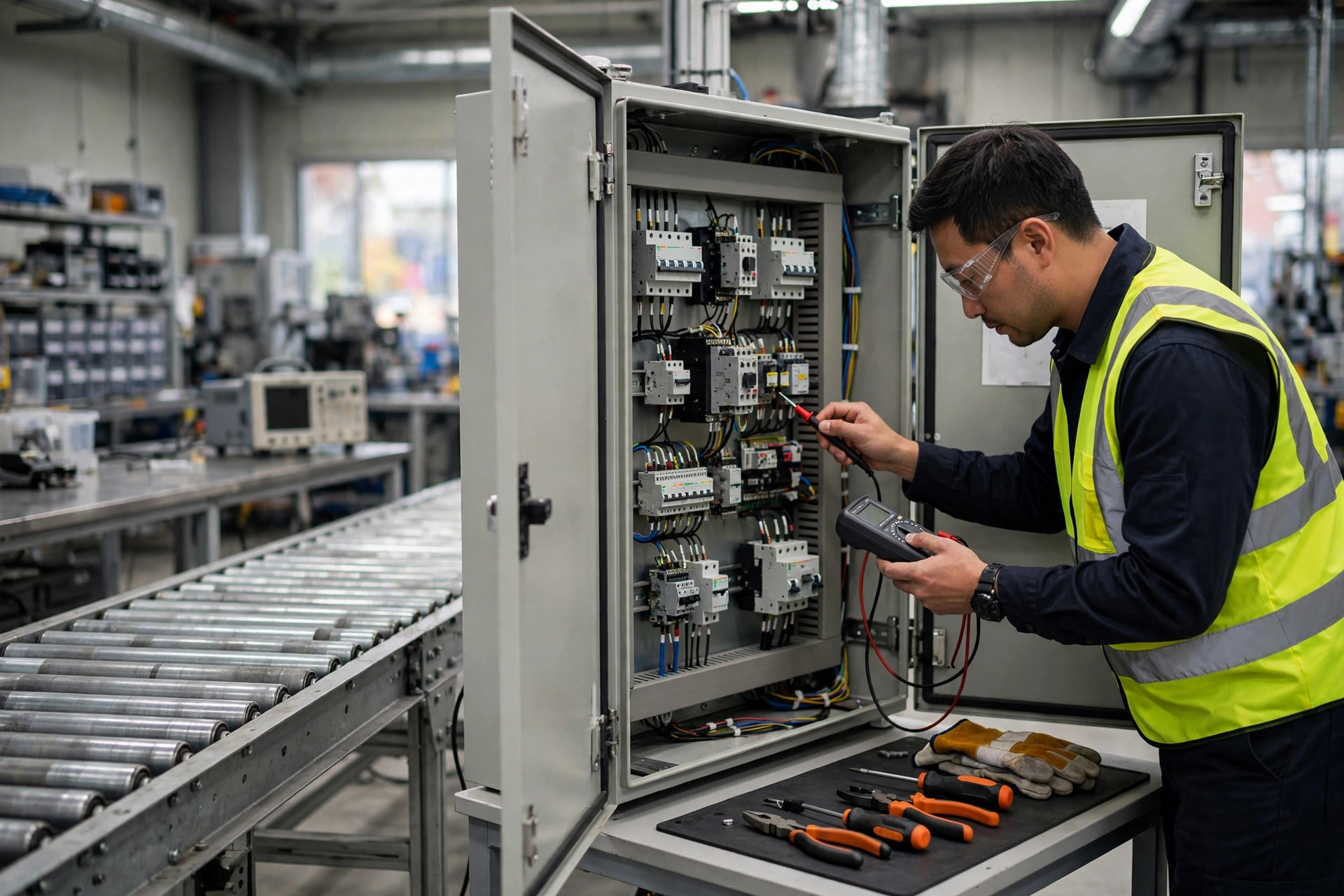
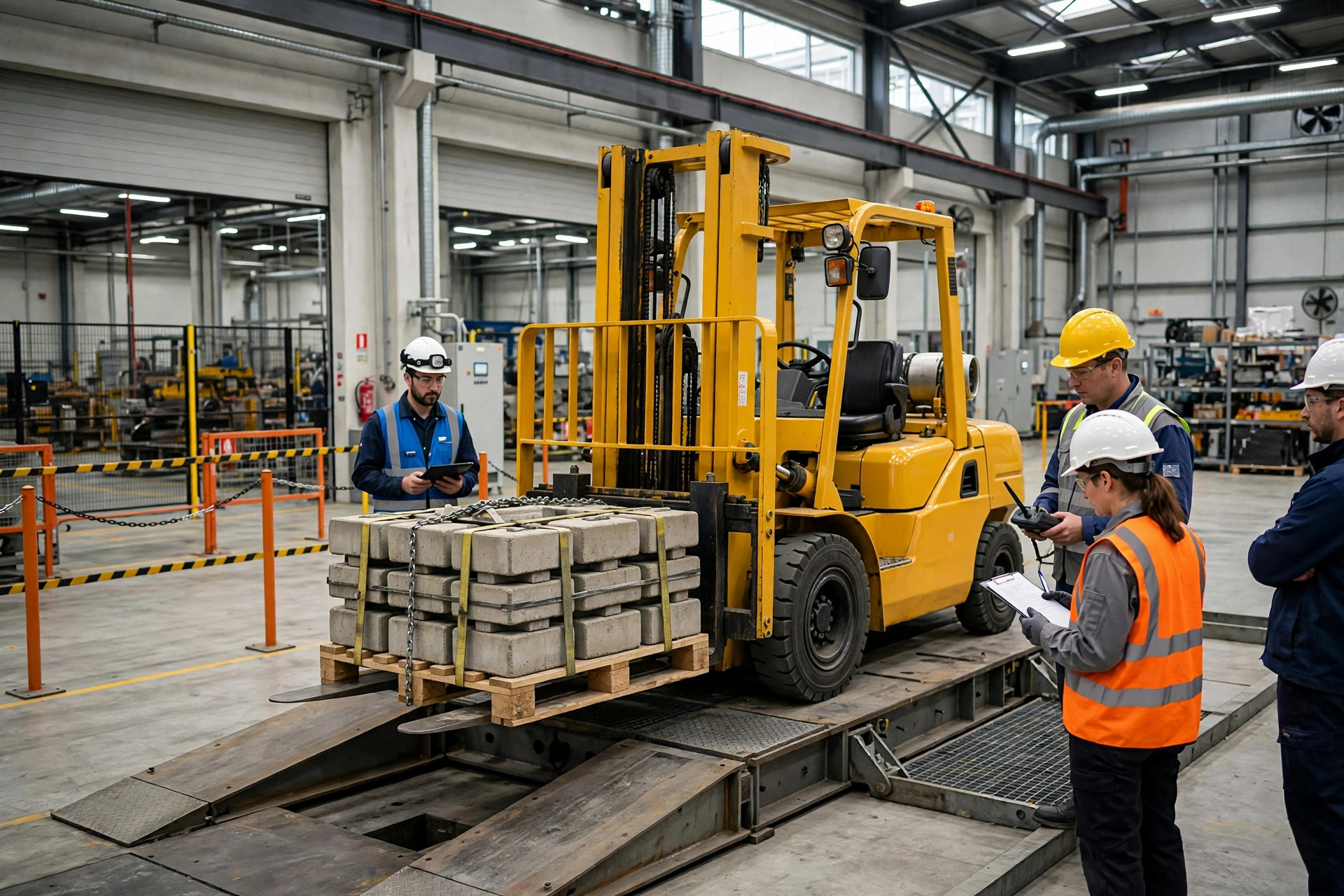
For testing, my rule is simple: never send a machine for formal testing cold. Run it internally first, several rounds, and check every safety function one by one: emergency stop, interlocks, overload protection. Fix the intermittent faults at home. Formal testing costs and timelines vary so much by machine and by body that I will not quote a number here; go by the latest quote from the body you use. One thing I can say for sure: one round of rework costs more than one extra round of self-checking.
Before every shipment, I run through this decision framework:
| Approach | What it costs you | Where it usually fails | | Safety design first, then file and testing | Upfront time and design changes | Feels slow, tempting to skip | | Ship first, fix the file later | Looks like saved time | Customer rejection, rework plus freight | | Label only, no technical file | Almost no time | One customer question exposes everything | | Outsource everything, stay uninvolved | Fees per the latest body quote | File does not match the real machine |
None of these rows is easy, and compliance is not supposed to be easy. But the first row has a cost you can control. The other rows have costs you cannot control. I will take the controllable one every time.
Before shipment, I also run my own acceptance check using the questions a customer is likely to ask: does the emergency stop actually stop the machine, does the machine keep moving when a guard opens, and can the manual steps be followed one by one without guessing? If a problem shows up, I fix it in the factory. I never leave a known problem for the customer warehouse to discover. Sellers who skip this step to save trouble usually lose something worse than time: they lose trust.
Three Places Where the CE Certification Machinery Directive Trips Sellers Up
The first trap is treating the declaration of conformity as a form to copy. It is not. The declaration must state the manufacturer, describe the equipment, name the applicable directives and standards, and carry a signature. The person who signs is making a promise on behalf of the manufacturer, not on behalf of the test body. Every word in that declaration should trace back to evidence in the technical file. If you cannot find the evidence, do not write the word.
The second trap is a manual that does not match the machine. I have seen manuals that describe a two-hand control while the real machine has a single start button, and manuals that require lockout during maintenance while the machine has no clear isolation point. Buyers love checking the manual against the hardware, item by item. More words do not mean a better manual. Accurate words do. My test is to hand the manual to someone who did not design the machine and ask them to follow it. Every place they get stuck is a place to rewrite.
The third trap is changing the design without updating the file. Upgrading equipment is normal: a different motor, a new guard shape, an added sensor. Each change can affect the original risk assessment. My rule is that every design change gets a file change at the same time, with a change record that says what changed, why it changed, and which items were re-verified. Without that record, after a few upgrades nobody remembers which version of the machine is which, and answers to customer questions turn vague.
In the end, the CE certification machinery directive tests whether you are willing to stand behind your own machine with your signature. Get the file right, get the testing done, sign the declaration, and only then does a European buyer feel safe putting your equipment in their warehouse. This one I tested myself: treat the file as part of the product, not as a chore before shipment, and buyers treat you completely differently.
By Ah K, E-commerce Seller (5 yrs)