The Brazil acai frozen pulp export cold chain comes down to one sentence: from the riverside processing plant in Pará to the buyer's cold store in the United States, the temperature must never rise, not once. Break it once, and the value of the whole container is on the line.
I have seen too many people pour their energy into finding buyers and haggling over price, then hand the cold chain over to "the shipping line will handle it." Look at it from both sides. Yes, the carrier moves a reefer from point A to point B. But who is watching the temperature before the container is loaded, while it waits at a transfer yard, or during the days it sits at the destination port waiting for customs clearance? If nobody owns those stretches, that is where the chain breaks.
Start with the scale. According to Brazil's national statistics institute (IBGE), Brazilian acai production reached roughly 1.7 million tonnes in 2024, with Pará the country's leading producing state, and Brazilian acai exports topped US$200 million that same year, with the United States the largest buyer. This is not a cottage trade anymore. It is an industrial chain with a very low tolerance for error — and the bigger the volume, the more one broken shipment costs.
The Brazil Acai Frozen Pulp Export Cold Chain Starts at the Riverbank
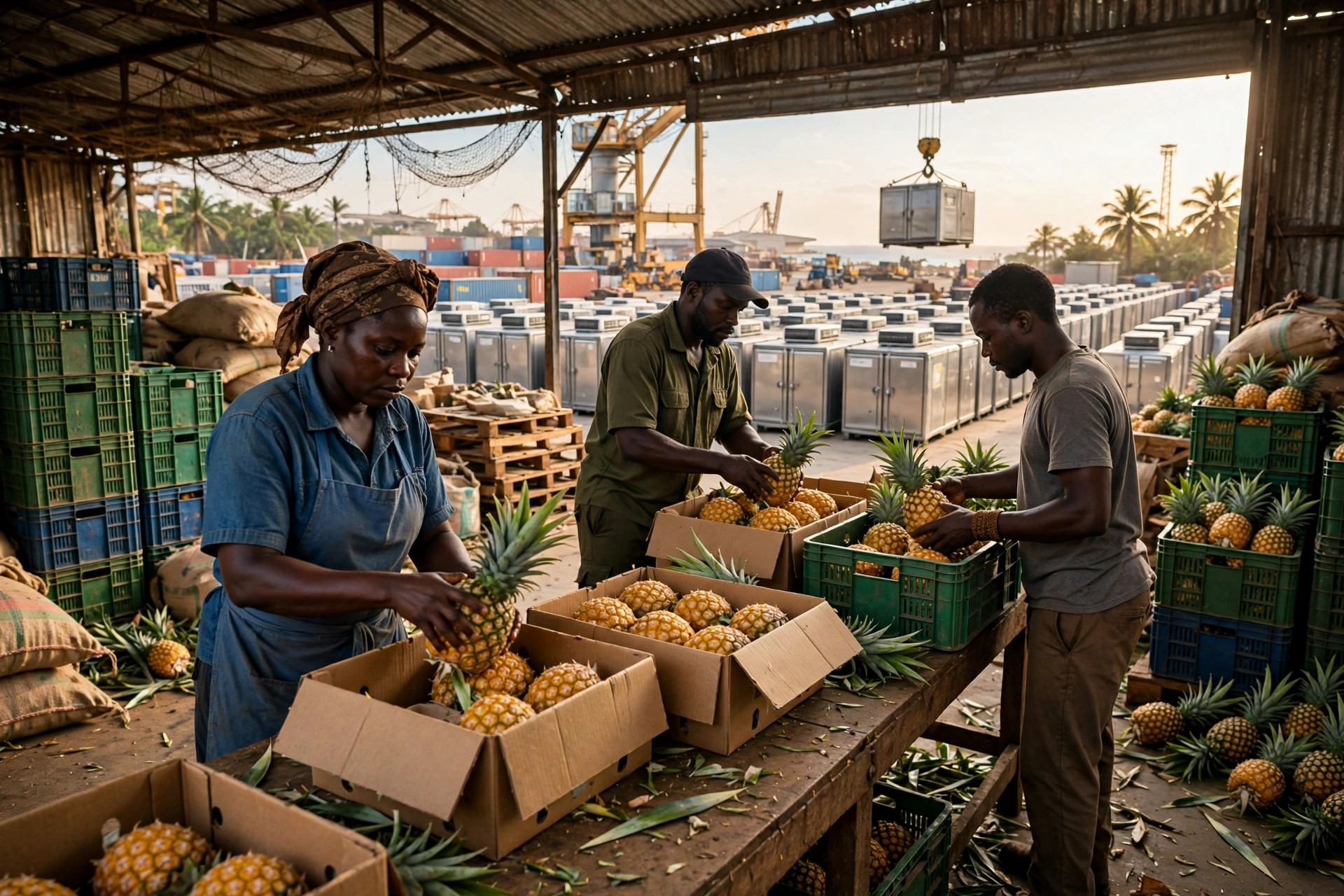
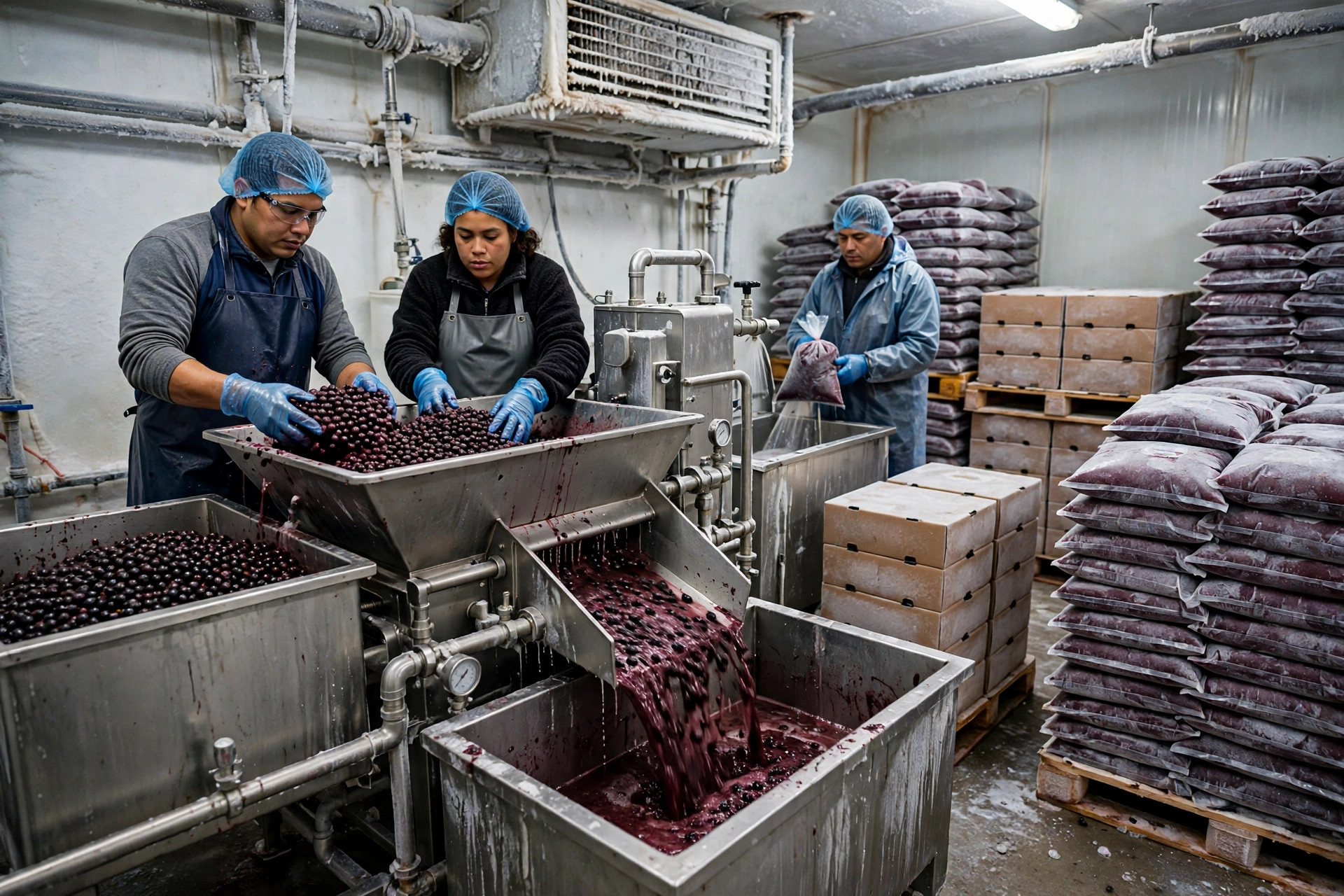
Acai berries ferment fast once they leave the palm, so the first rule of this trade is same-day processing. A plant I know near Belém runs a simple, disciplined routine: harvest crews collect fruit by small boat along the tributaries in the early morning, deliver it by midday, and the plant washes, depulps, pasteurizes, and blast-freezes it the same afternoon. The plant sits close to the producing area, and that is not about cheap rent — it is about time. Every extra half-day the fruit spends on a boat is more fermentation and acidity that no amount of freezing can undo.
The opposite case taught me the same lesson from the other side. In 2023 I watched a newcomer trader buy fruit inland in Pará and move it on a non-refrigerated truck to save money. The truck was delayed a day. The pulp was still produced, but the color and taste were a grade below, and the American buyer downgraded the shipment on inspection. The price renegotiation wiped out the season's margin. The cold chain's first mile is not the port. It is the riverbank.
Why the -18°C Line Allows No Compromise
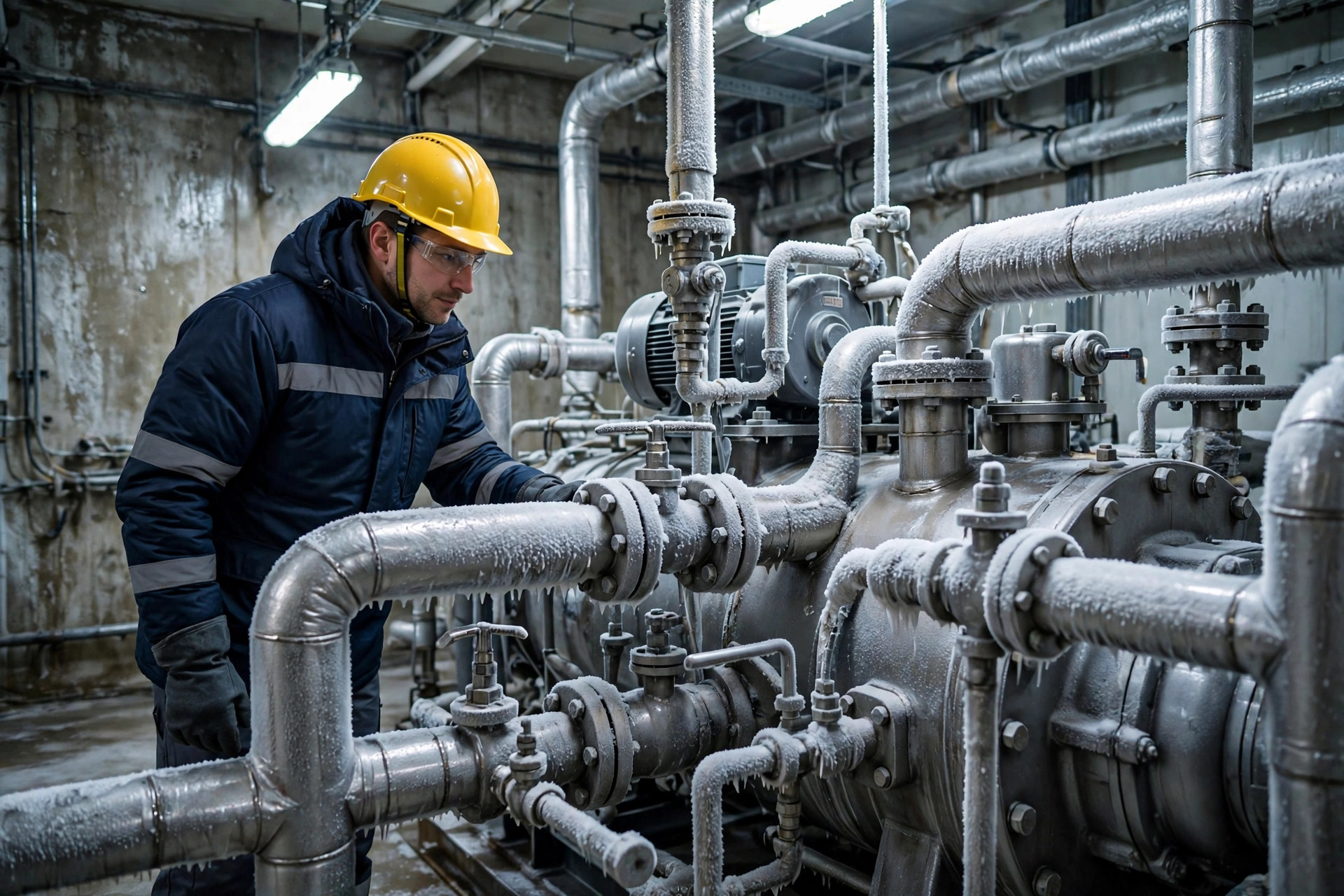
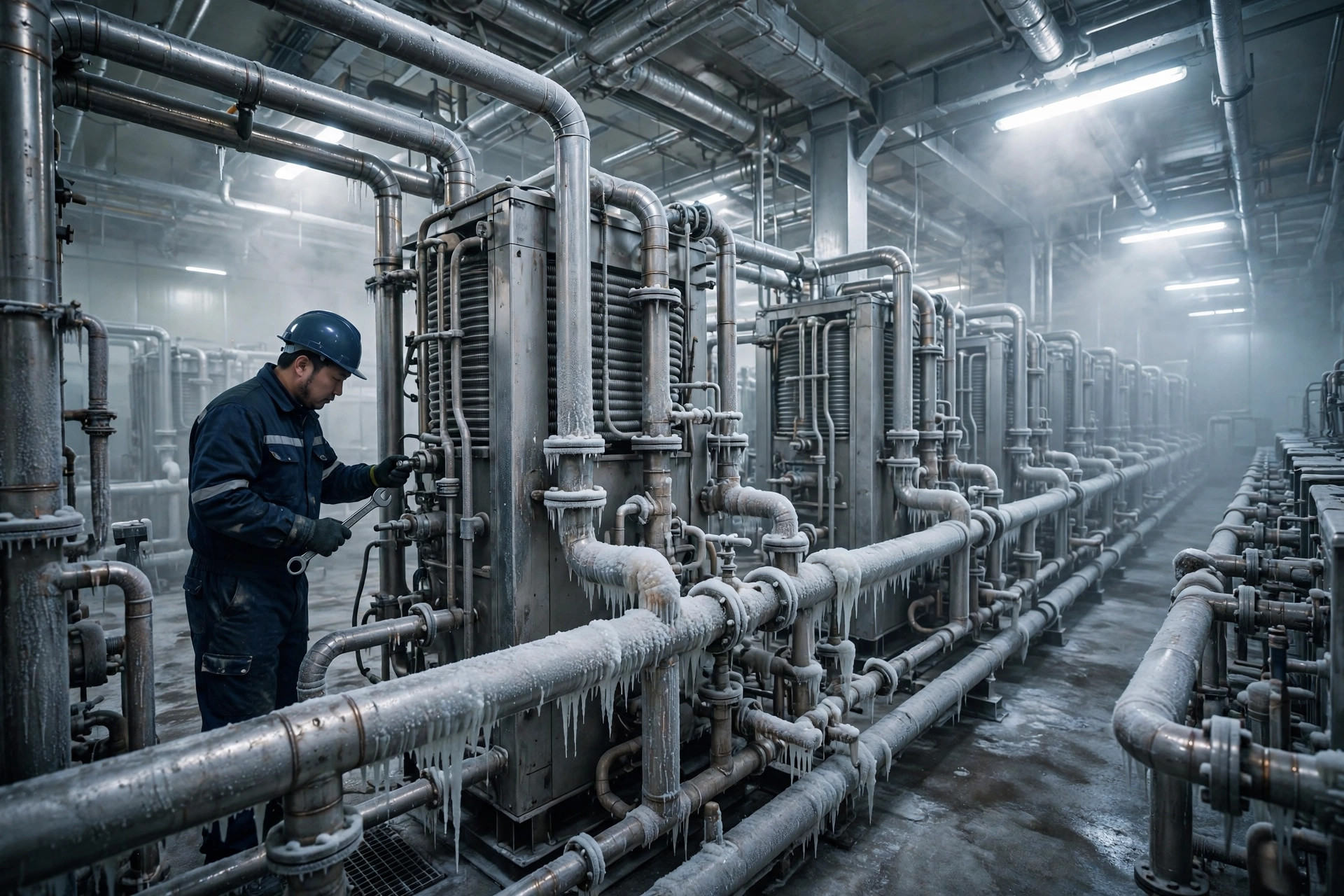
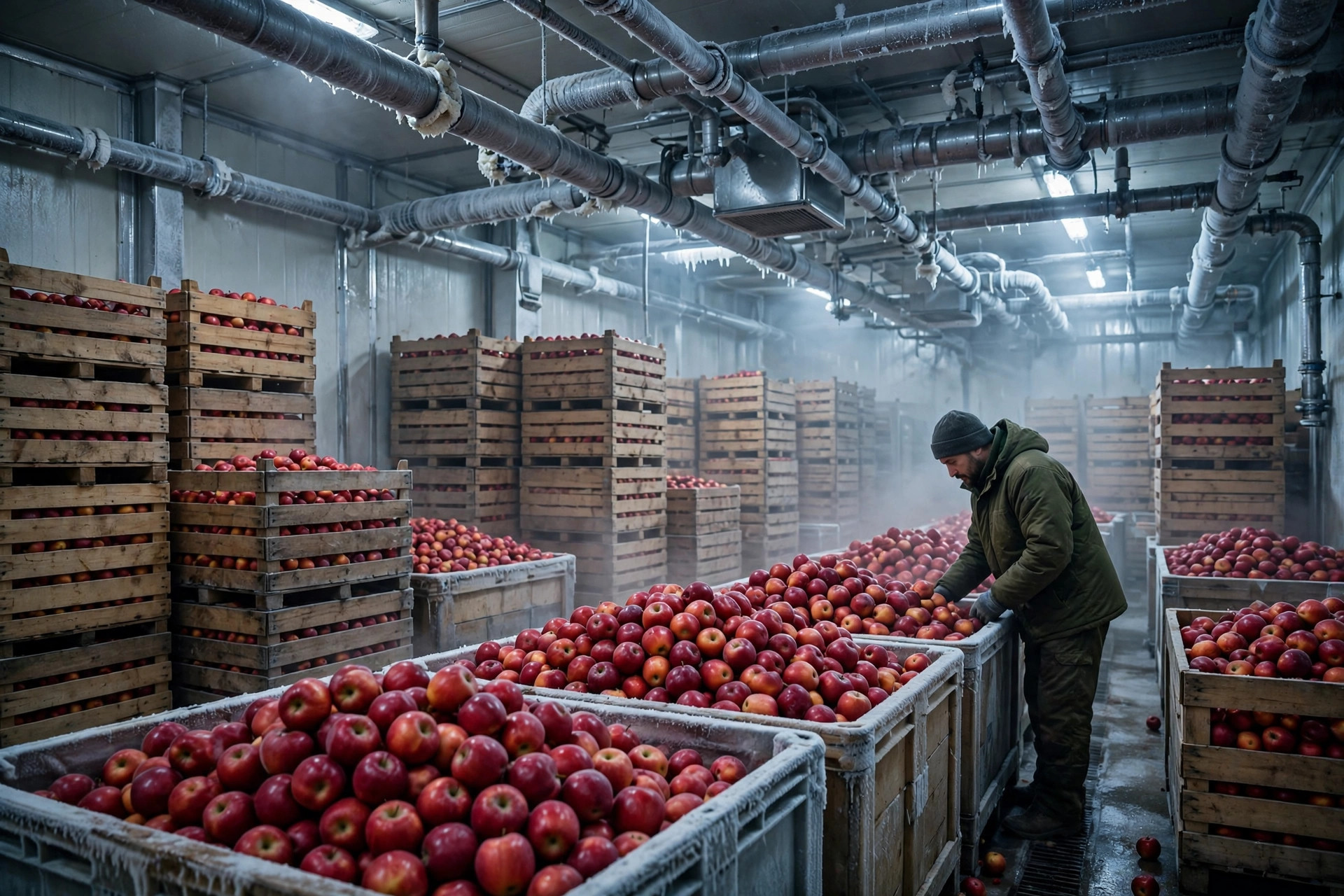
The frozen-storage benchmark is clear: under the Codex code of hygienic practice for quick frozen foods, frozen product should be held at -18°C or colder. That number is the anchor for the whole chain. In practice, the operators I trust set their reefers a few degrees below -18°C, buying room for the fluctuations that come with door openings, inspections, and transfer waits. They also place at least two independent temperature loggers per container — one with the cargo, one near the door — so the two readings corroborate each other. When the container arrives, that data is the evidence you show the buyer and the insurer.
There is a trade-off here worth stating plainly. Running colder costs more in power and equipment wear. But running right on the -18°C edge means any single door opening or transfer delay pushes you over the line. The electricity you saved is nothing next to a rejected container. I make every client work through that math before we even talk about freight rates.
The Cost of a Cold Chain Break: What One Temperature Excursion Really Costs
| Where the chain breaks | What it costs you | What prevents it |
|---|---|---|
| Riverside transfer to the plant | Fermenting fruit, downgraded pulp, a lower selling price | Same-day intake; keep the plant close to the producing area |
| Plant frozen storage | Unstable quality across the whole batch | Independent temperature monitoring in the cold store, held below -18°C with margin |
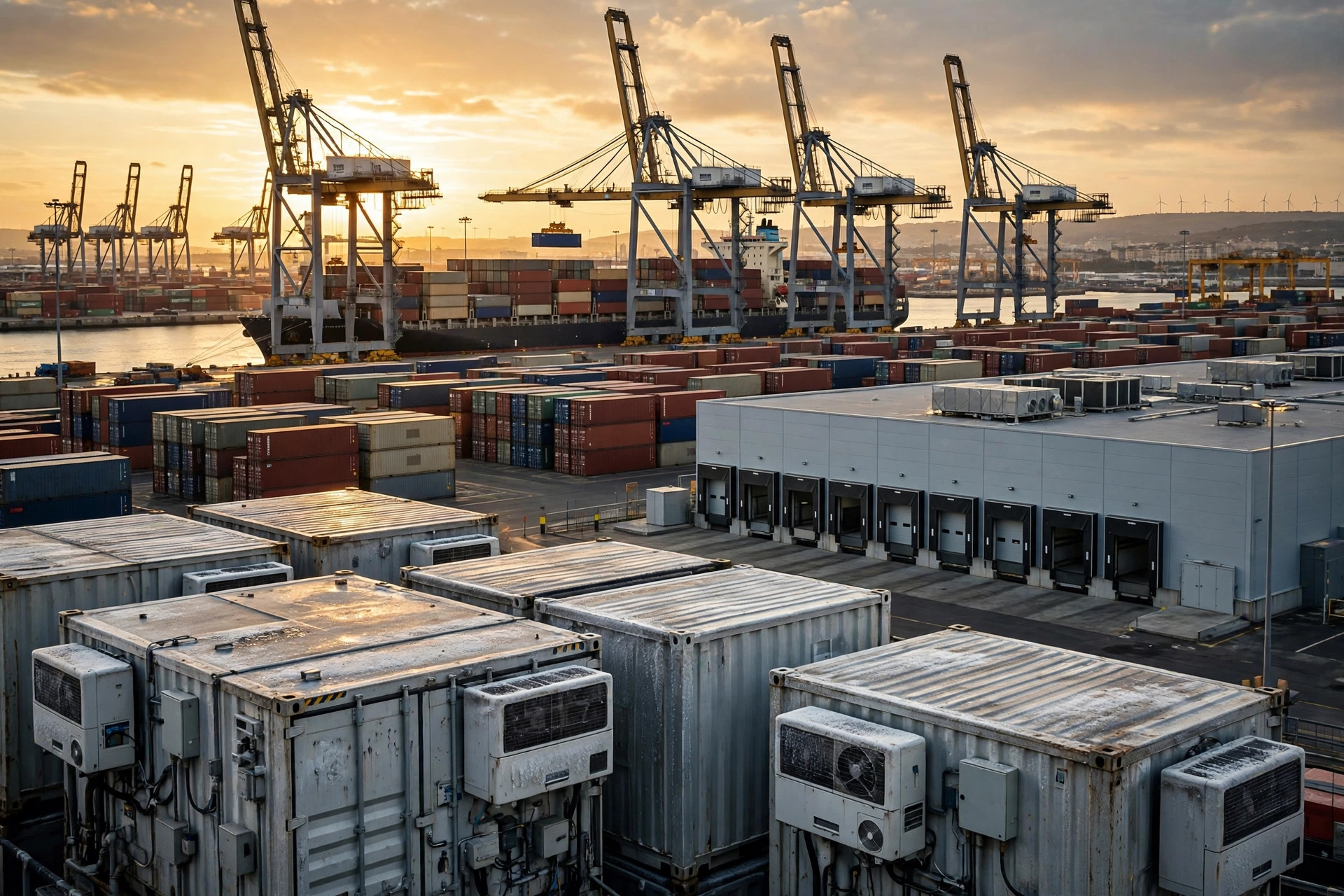
| Port waiting and loading | Reefer unplugged on the quay, temperature creeping up | Book a yard with reefer plug points; confirm the plug-in record |
| Ocean leg and destination customs | Arrival temperature out of spec, buyer rejection or claim | Dual loggers plus the full temperature curve traveling with the shipping documents |
| Handover at the buyer's cold store | Nobody measures at unloading, responsibility becomes a dispute | Measure on arrival and have both sides sign the reading |
The pattern in that table is the whole point: a break always happens in the stretch nobody owns. So the contract should not just say "maintain the cold chain." It should name, for every leg, who is responsible, how temperature is measured, and what happens when a reading goes out of spec. A promise that is not written into the contract is not a promise.
Beginners also tend to obsess over the ocean leg, which is usually the most standardized part of the journey. In my experience, half of all break disputes happen at the two ends — the riverside transfer and the destination port queue. That is where you should spend your planning effort: named contacts for each end, emergency plans for a port power outage, and a backup cold store identified before the ship sails.
Insurance and claims deserve the same advance thinking. Logger data is your evidence. A complete curve, corroborated by two independent loggers, is what an insurer and a buyer will accept. A curve with a gap, or a single reading, leaves you negotiating from weakness. I have seen an importer recover only part of a claim because a logger battery died mid-voyage — the cargo may have been fine, but the evidence chain was broken. Checking logger batteries, confirming the sampling interval, and downloading the data the moment the container arrives belong on a written checklist, not in someone's memory.
When you evaluate a supplier, do not start with price. Ask four questions: how far is the plant from the producing area, does the cold store have independent temperature monitoring, can they send you the full temperature curve from their last shipment, and do they have a partner cold store and emergency contacts at the destination port? If any of those four goes unanswered, slow down no matter how attractive the quote looks. Put bluntly, when you buy acai pulp, you are not just buying pulp — you are buying an unbroken temperature line from the riverbank to the cold store. That is the discipline the Brazil acai frozen pulp export cold chain rewards, and the operators who treat it as a discipline are the ones whose shipments keep clearing inspection.
By Lao Mi, Supply Chain Veteran (20 yrs)