We had a client in consumer goods whose Malawi deliveries were always a guess — classic blantyre malawi warehouse logistics pain, as it turned out.
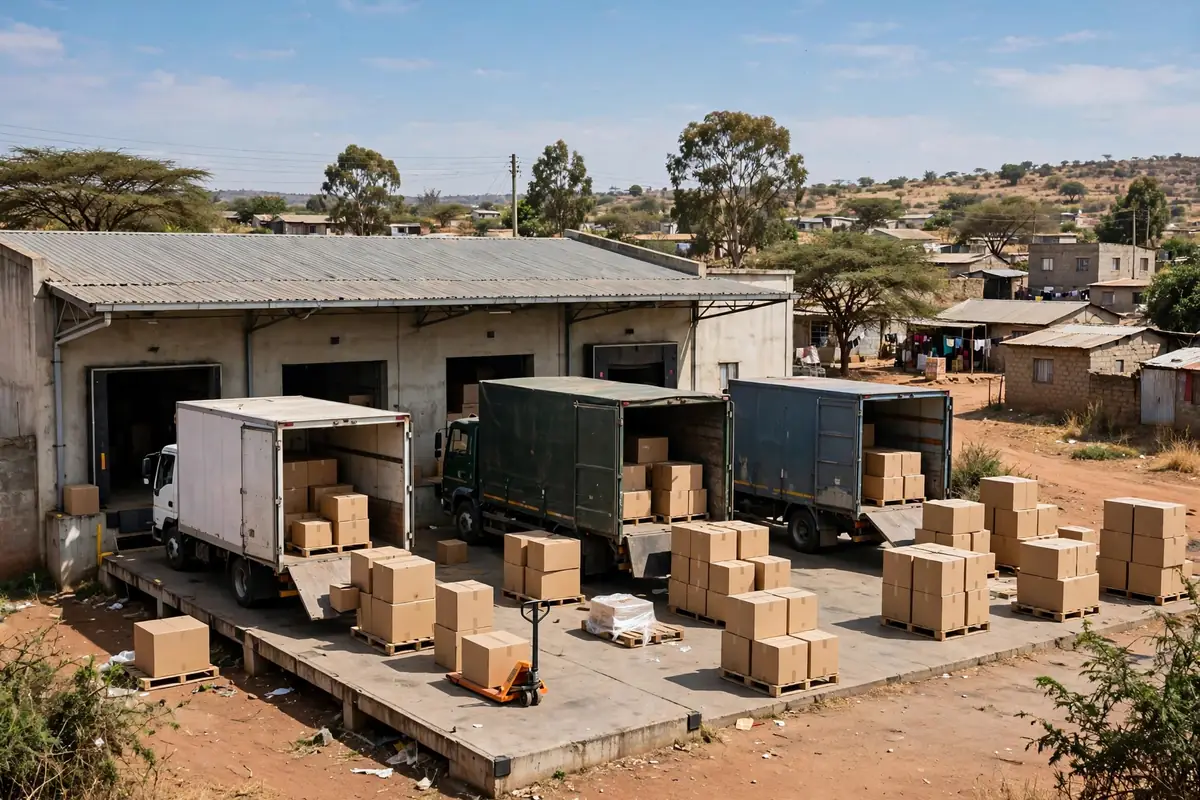
He used to supply Malawi out of South Africa. His first question to me was: "Susan, if I rent a warehouse in Blantyre, does this get stable?" My answer was to stop looking at rent for a minute. The warehouse is the last stop. The corridor decides whether the building ever has anything in it.
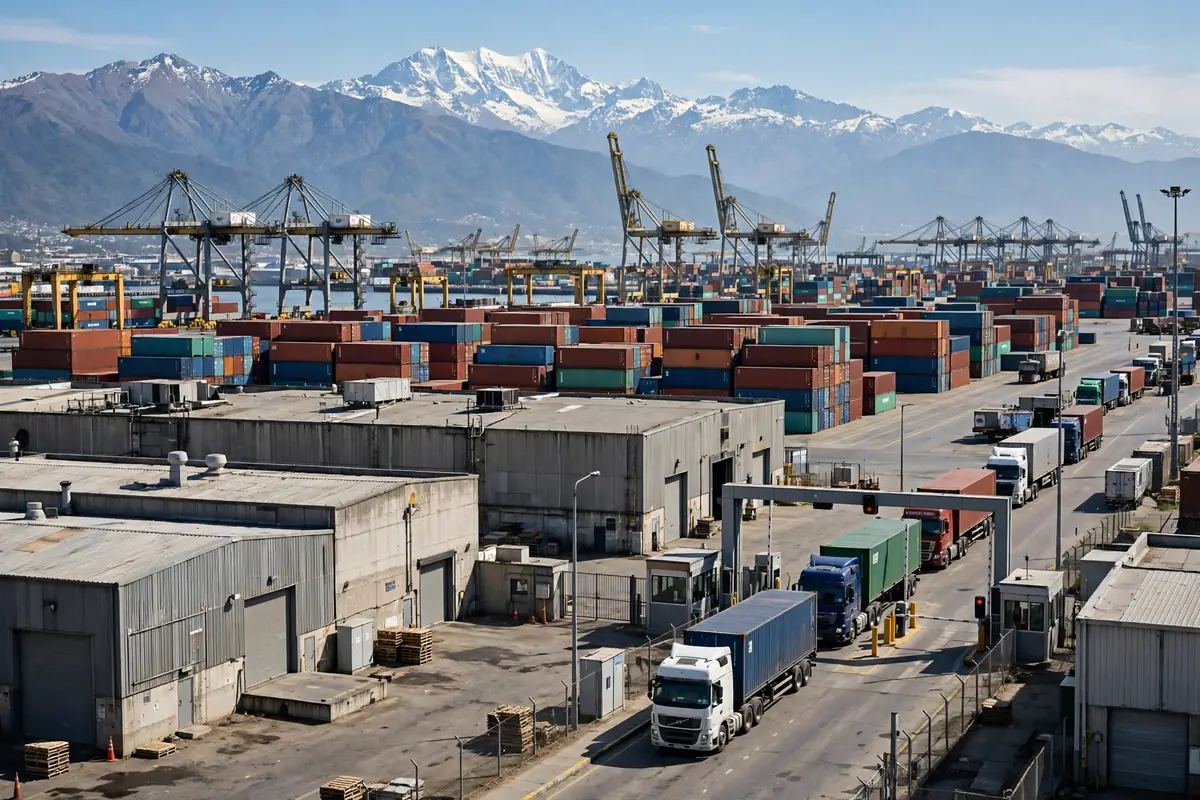
Blantyre is Malawi's commercial centre, with the wholesaler and distributor networks your goods need to reach. That part of the pitch is true. But Malawi is landlocked. It has no seaport of its own, and imported cargo mainly moves in through the Beira corridor in Mozambique, with some freight routed via Tanzania. Port handling, border clearance, transloading — a delay at any one of them means your shiny new warehouse is an empty, rent-charging box. Price the corridor first. Then we can talk about buildings.
blantyre malawi warehouse logistics starts with corridor math, not rent
Most site-selection spreadsheets I get sent have three lines: ocean freight, inland haulage, rent. In a landlocked market, that spreadsheet will lie to you with a straight face. You need to price four things.
| Cost item | What to pin down | What goes wrong if you don't |
|---|---|---|
| Corridor transport, port to warehouse | Which corridor, which carrier, who owns each border step | A cheap quote where nobody owns the full journey |
| Customs and documentation | Which broker, what paperwork your category needs, who shows up if cargo is inspected | Missing documents discovered at the border, not before |
| Border and transfer waiting time | How waiting is measured and who pays for it | A budget built on best-case days, eaten alive by delays |
| In-country distribution | Distributor pickup or delivered, and to which areas | A good warehouse rate and no way to complete the last leg |
Here is the judgment my clients resist most: in a landlocked market you usually carry more buffer stock than in a coastal one, not less. A coastal warehouse that runs dry can often be refilled on a fairly predictable cycle. A Blantyre warehouse that runs dry while the next shipment is still somewhere on the corridor hands the shelf space to a competitor that same week. So the honest cost of the site includes the extra inventory you deliberately hold to absorb corridor uncertainty. Compare sites on rent per square metre alone and you will reliably pick the wrong one.
Put the corridor in the contract, too. Who owns clearance, who absorbs border waiting costs, and how delays get reported — all of it in writing. "We handle everything" said across a table evaporates in peak season, and the leg nobody wrote down is the leg nobody pays for. For clearance rules, duties, and document requirements, rely on current Malawian official guidance and a licensed local broker, not on habits imported from a neighbouring market.
Which products actually earn a warehouse in Blantyre, Malawi
Not every product line justifies stock sitting in Blantyre. My screen is purely commercial: how fast does it turn, how much does a stockout hurt, and can it be replenished locally?
Fast-moving consumer goods and everyday household lines fit well: personal care, paper products, basic packaged foods, home essentials. Distributors order frequently, in modest quantities, and a stockout costs you display space immediately. A distribution point in Blantyre, close to the wholesale trade, keeps replenishment in step with how local business actually buys.
Agricultural inputs deserve a serious look as well. Seed and fertilizer are brutally seasonal; miss the window and the value of the stock collapses. For those clients I usually recommend pushing inventory into Blantyre ahead of the season, even if it means paying rent for longer than feels comfortable. That is the real trade-off: rent is a visible, modest number, while missing the planting season hands over the whole season's trade.
The opposite case is slow-moving, high-value, long-tail assortments. I generally talk those clients out of a dedicated warehouse. A regional hub plus local delivery, or shared space with a 3PL that already has a network in place, is usually the smarter structure. High-value stock parked an extra layer inland ties up cash and adds custody risk for very little service gain.
Illustrative scenario one: ahead of the 2024 rainy season, a cleaning-products client entering Malawi for the first time planned to deliver straight from port arrival to distributors (hypothetical example). Corridor delays meant the first shipment missed most of its selling season. The following year he changed the play: a small distribution space in Blantyre, core SKUs stocked before peak season, and his distributors did not run dry once. At renewal time he negotiated from strength for the first time.
Illustrative scenario two: in 2023, a small-appliance brand asked me about setting up its own Blantyre warehouse (hypothetical example). Once we unpacked the numbers together, he changed his own mind. His range was wide, each line turned slowly, and he needed repair capability alongside storage. The fixed cost of his own site would never spread thin enough. He took shared 3PL space with a distributor pickup point instead, put the savings into distributor payment terms, and sales moved before his warehouse empire would have.
The hidden costs that never appear on the rent quote
When clients negotiate in Blantyre, my worry is always the same: they are staring at the rent line. Three costs sit outside the quote and still take money out of your pocket every month.
Power comes first. Supply stability decides whether you can run electric equipment confidently and whether temperature-sensitive categories are even on the table. On every site visit, ask what happens when the grid drops: whose generator is it, and who pays for the fuel? A warehouse with no backup answer is not cheap. It is a warehouse whose true cost you have not finished adding up.
Second is the repair radius. When a forklift, racking, or packing equipment fails, who locally can fix it, where do parts come from, and how long is the wait? Inland cities have thinner equipment service networks than big coastal hubs, and a minor part can idle a warehouse far longer than it should. Walk the local repair landscape before you sign, and get response expectations for critical equipment into the contract. Written beats argued, every time.
Third is packaging consumables. Cartons, stretch film, and tape are an afterthought in mature markets because they arrive on a phone call. In Blantyre, confirm who supplies them locally, how reliably, and with what lead time, then plan your buffer accordingly. I have genuinely watched a warehouse full of sellable goods unable to ship because it ran out of boxes. Nobody puts that in the glossy proposal.
Add those three back in and the ranking changes. The lowest rent quote frequently lands in the middle of the true cost table, or worse. That is the whole game in this market: not who quotes lowest, but who counted the full chain.
For brands and fellow 3PLs entering Malawi, my advice is three moves. Follow the corridor before the building: do not sign a long lease before your carrier and clearance partners are real. Start small: shared space or a short term, prove your actual turnover across a full selling season, then decide on expansion. And ask your distributors first: they know local ordering rhythms and pickup habits better than any head-office model of distribution radius.
Next time you negotiate a contract, remember to ask these three questions: when the corridor jams, who is responsible and how are the costs split? When the power cuts, what is your backup plan and who pays for fuel? And if my stock runs dry, where exactly is your replenishment commitment written? Ask those three, and you will know on the spot whether you are talking to someone who has actually run a landlocked warehouse, or someone who just quotes one cheaply.
By Susan, 3PL Sales Director