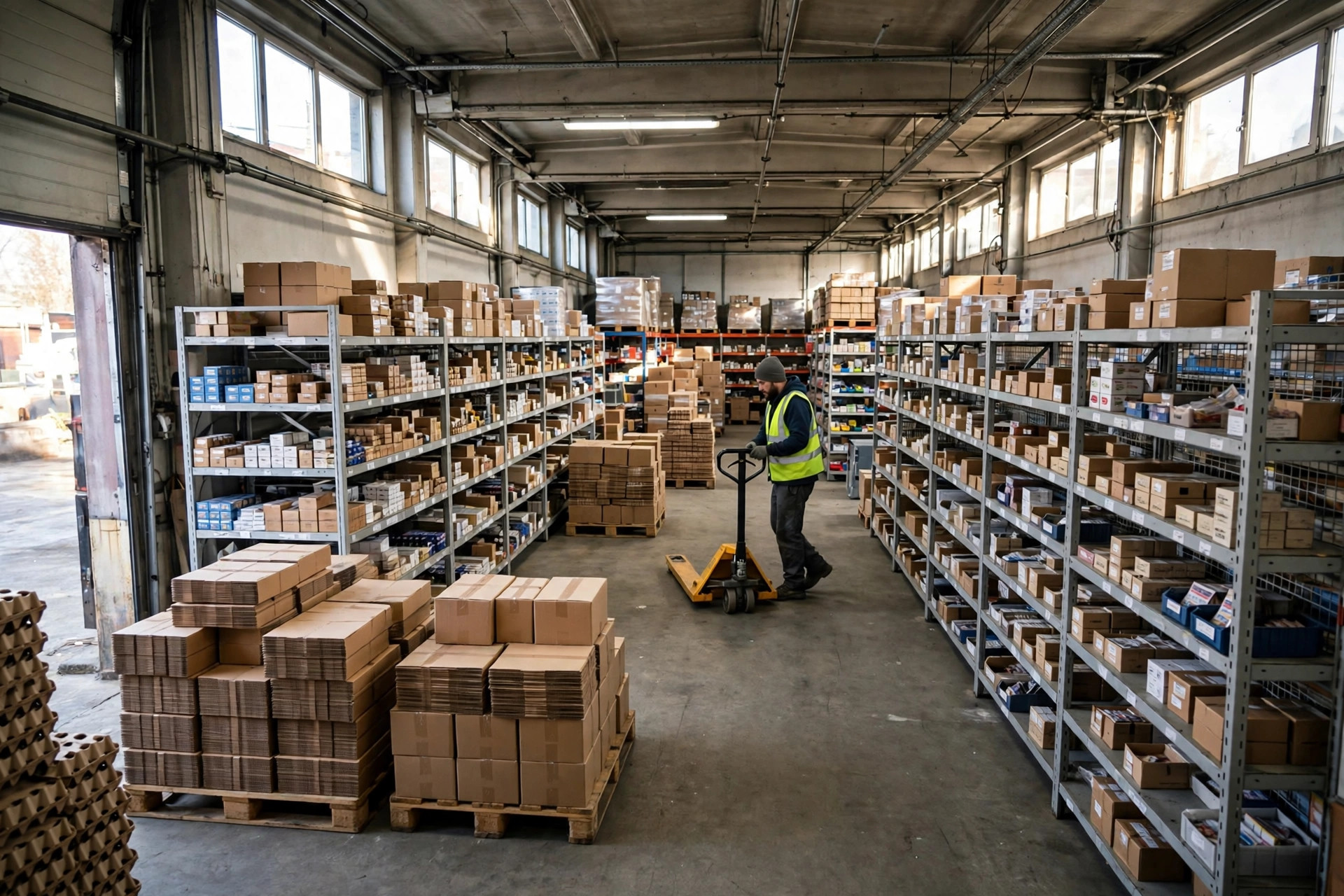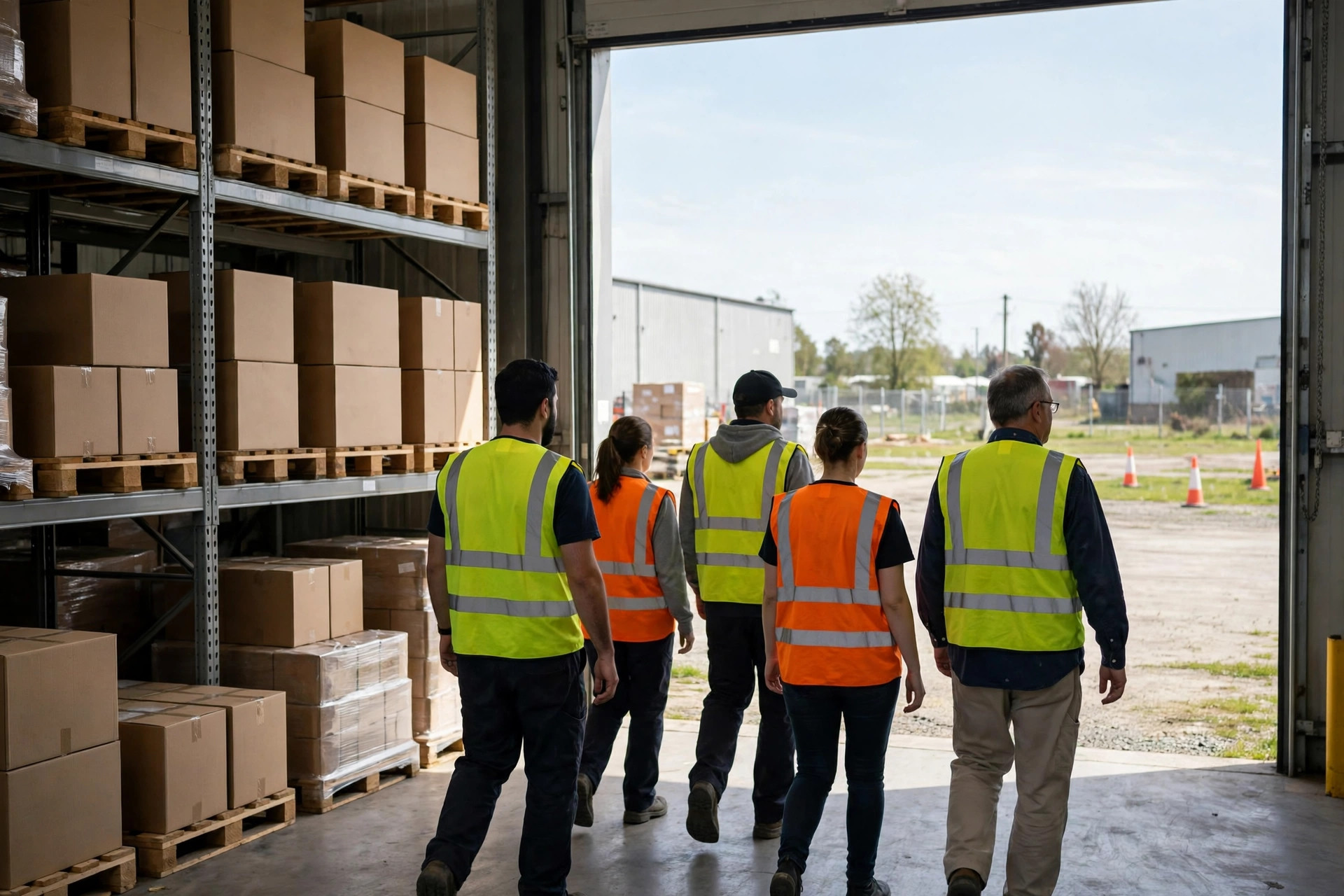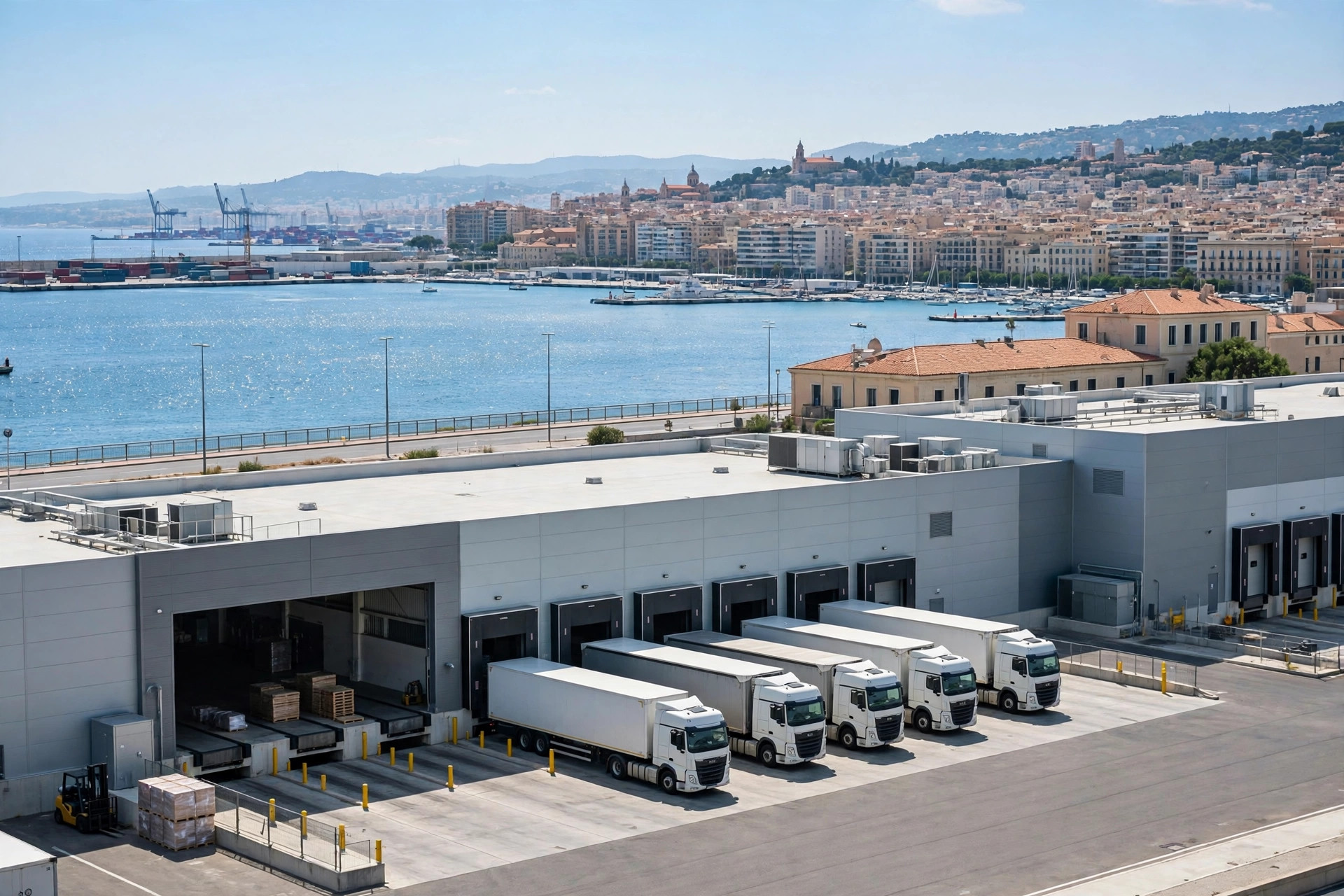
Ask me about the Barcelona warehouse market and my first answer is a small operator's warning: at portside rents, a warehouse like ours would burn through its money before the first container is even unloaded. A friend who sells small home appliances asked me recently whether he should rent a little unit right by the port in Barcelona. His goods come in through the Mediterranean, he wants to serve customers across Spain, and he has a few clients in southern Europe on the side. My answer made him laugh, but I meant every word of it. Being close to the ship does not mean being close to the customer, and it definitely does not mean the goods move faster. This is the Barcelona warehouse market through a small operator's eyes, and the honest math behind port, suburban, and inland-corridor locations.
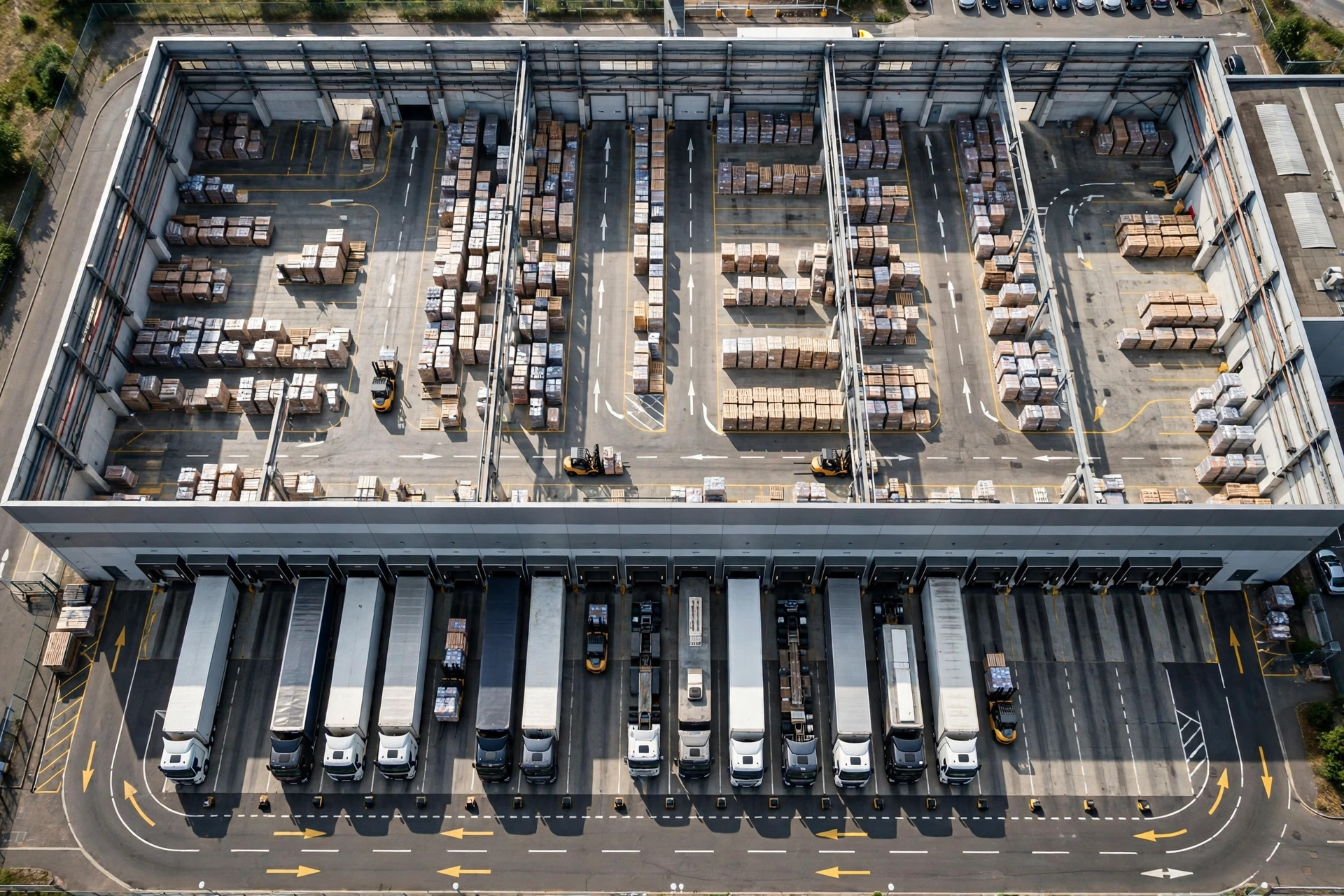
Let me start with a real story. Last summer, my friend Jay rented a unit of under 800 square meters near the port. Four people, himself included, and the whole pitch was one word: close. The truck could be at his door minutes after the ship docked. It sounded perfect. Then peak season arrived, trucks queued around the port area, and the loading windows jammed up completely. One morning pickup he had booked was pushed all the way to the evening, and the orders his customer needed shipped that night simply did not go out. Jay accepted that the rent was high, but high rent that does not even buy you speed is just insult added to injury. Two months of that rent plus the cost of hiring temporary help at peak ate a huge chunk of his first-half profit. Eventually he moved to the suburban fringe. The new place was roughly the same size and further from the port, but trucks could load whenever they arrived, night shifts did not mean fighting the port for a window, and the numbers finally worked.
What the Barcelona warehouse market really charges you for
The Barcelona warehouse market is not expensive only in the rent line. A portside unit charges you three times over: the location itself is fought over, truck movements are hostage to the port's rhythm, and peak-season labor and overtime climb right along with everything else. A suburban unit looks further away on the map, but the roads are easier, the appointments are easier to keep, and drivers actually want the job. A destination drivers hate visiting is a destination you pay extra for on every single trip, and most people never put that line in their budget before signing.
There is a second cost that small operators feel more sharply than anyone: instability. A portside warehouse that runs smoothly today and jams tomorrow makes your roster a guessing game and your delivery promises worthless. A suburban or inland-corridor warehouse adds some driving time, but the time is predictable. You know when the truck leaves, when loading finishes, and when it arrives. For a team of three to five people, predictability is worth far more than being theoretically fastest, because we have nobody spare to throw at a sudden mess.
The Barcelona warehouse market, small-operator style: three routes compared
Here is the comparison I hand to friends when they ask. Match it against your own volumes and customer map, and treat local quotes as the final word, not this table:
| Route | Best for | What it does to your wallet | What scares me most | The small-operator play |
|---|---|---|---|---|
| Portside unit | Urgent goods that must split the moment they clear | Highest rent, plus peak-season extras | Queues, loading windows, truck restrictions | Keep only fast-moving urgent stock here, never slow stock |
| Suburban fringe | Serving Barcelona city and the surrounding region | Middle of the road, flexible access | You must visit several units before you find the right one | Use off-peak pickups to buy reliable timing |
| Inland corridor | Distribution into inland Spain and southern Europe | Friendlier rent, driving costs rise | Longer single trips, empty return runs | Consolidate loads, share trucks, run fixed weekly departures |
A second story shows the inland-corridor route working. Early this year, I helped another small operator, Lao Lin, look for space. Half his goods went to inland Spain and half to southern European customers, and he resisted the portside temptation. He took a unit of around 600 square meters on an inland corridor. Every homespun trick went into it: second-hand racking, tall enough and good enough; pickups booked for the early morning shift to dodge the afternoon congestion; two fixed consolidated departures a week so scattered orders traveled as full truckloads. Three months in, his cost per order was lower than the portside option would have been. The rent he saved easily covered the extra driving, and his on-time rate actually improved. His own summary still makes me grin: the warehouse used to wait on people, and now the trucks wait on the goods.
Let me run a "shares" calculation to give you the feel of it. These are illustrative numbers of my own, not market quotes: call the portside unit's total monthly cost 10 shares, with rent taking the biggest slice. Move to the inland corridor and you might save 3 shares on rent while spending 1 extra share on fuel and labor, netting 2 shares saved. But that only holds if your goods do not need same-day clearance and dispatch. If every order is urgent and must reach the customer the same day, those 2 shares evaporate, and the extra driving may cost you the delivery itself. So the conclusion is not "inland is always cheaper." It is "check your speed requirement first, then talk about cheap."
The counter-intuitive truth: the closest warehouse is not always the fastest
Big-company site selection logic, the closer to the hub the better, often breaks down for a small warehouse. Big companies have staff watching the loading windows, volume to trade for priority, and backup space to absorb shocks. We have none of that. We have three to five people, and one truck arriving half a day late means the whole dispatch plan gets rewritten. For a small operator, real speed is not the straight-line distance on the map. It is whether the chain of "when can we load, when can we leave, when do we arrive" holds together. Portside units have more links in that chain and more ways for it to snap. Suburban and inland units have a longer chain, but a sturdier one. For a small warehouse, steady is fast.
Five things to check in person before you sign
Before the contract is signed, these five things need to be verified with your own eyes, no matter how smooth the sales pitch sounds: which hours trucks can actually enter and leave, and whether appointments and restrictions apply; whether the dock height and forklift access fit your pallets; whether temporary workers can be found at peak season; what the lease says about early exit, expansion, and renewal; and, most important of all, how long the drive to your main customers really takes from this unit in normal traffic. Drive it yourself. Do not trust the ideal time on a mapping app. If two of the five look shaky, walk away. There are plenty of good units out there, and none of them is worth signing in a hurry.
One more homespun negotiating trick is worth learning: do not open with a long lease. Ask for a short term with a priority renewal, and write an expansion option into the addendum before peak season so a quiet off-season does not leave you chained to a long contract. Sharing a unit is another honest option. Two small sellers splitting one space share the rent and the forklift labor, and if their product ranges do not clash, they can even consolidate trucks. The only thing stopping most people is embarrassment about asking. Big companies negotiate strategy; we negotiate survival, and there is nothing embarrassing about that.
Barcelona is a genuine Mediterranean gateway, and its potential for southern European distribution is real. But a gateway's halo does not pay the rent. A small warehouse should not compete with big companies for location. We compete on turnover, on reliability, and on making every cent count. Portside, suburban, or inland corridor, there is no standard answer, only the route that fits your volumes and your speed requirements. Run your own numbers, drive the real road, and then sign. That is how a small operator survives in Barcelona. Small warehouses have their own way of living.
By Xiao Ma, Small Warehouse Owner