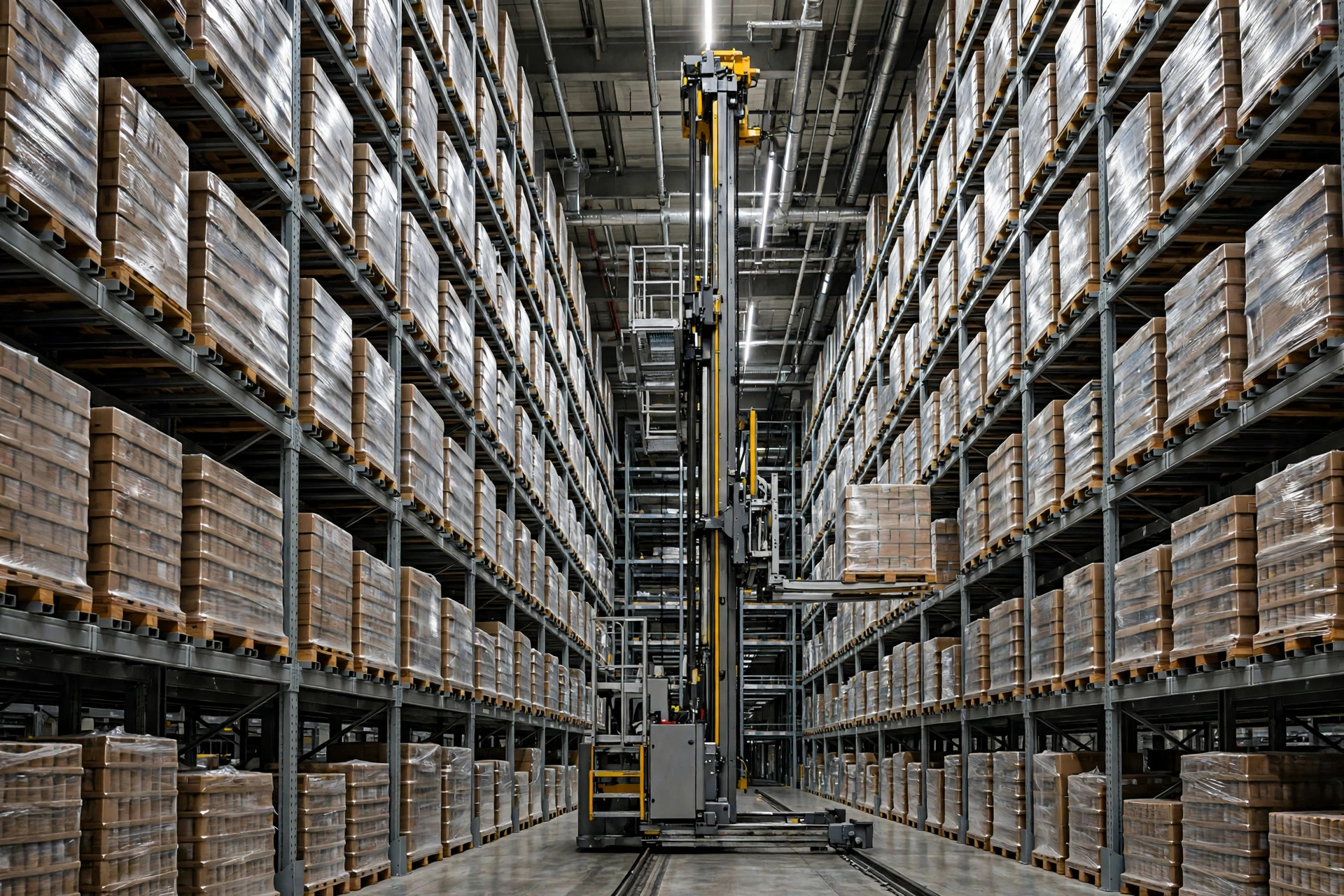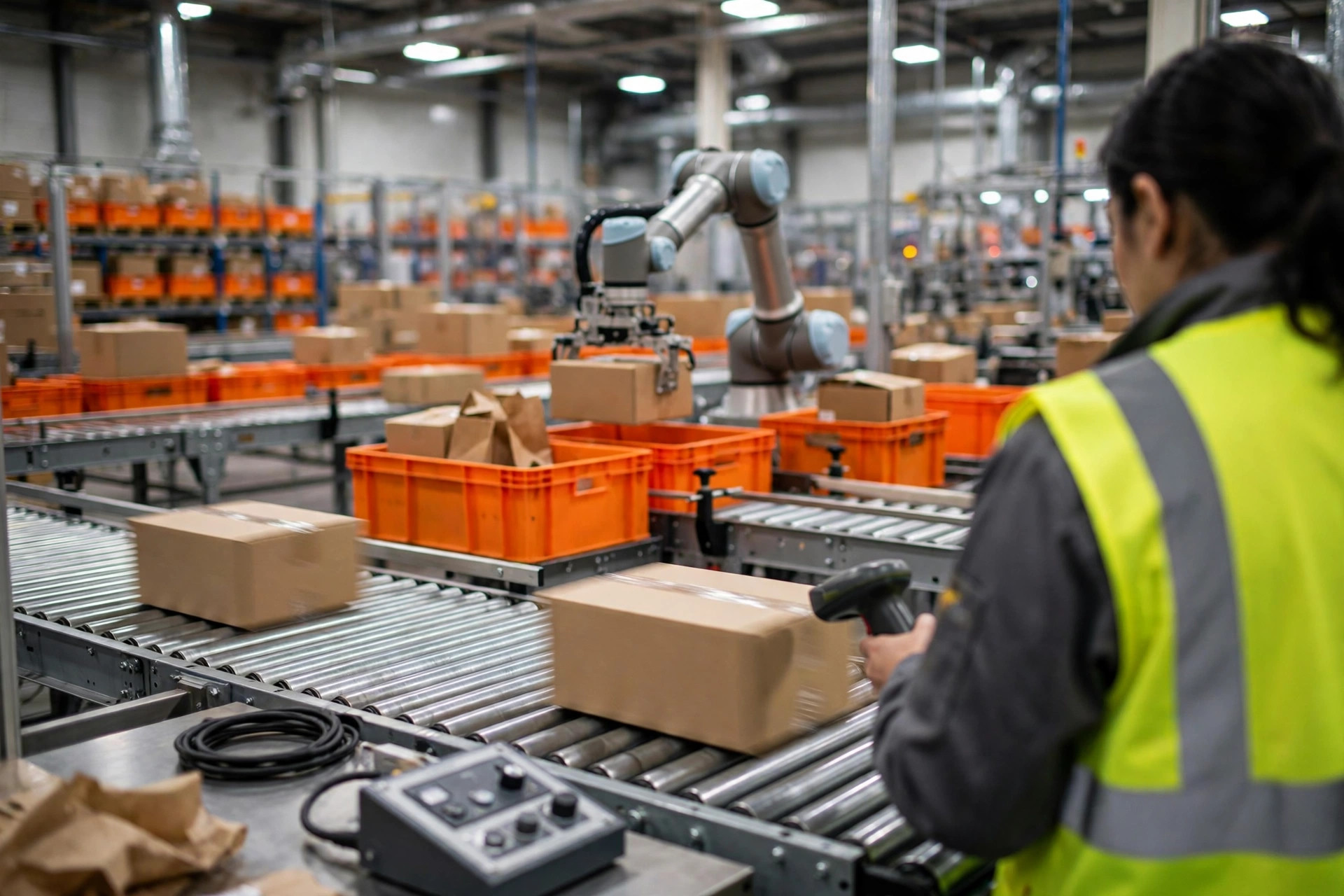
One of our clients sells beauty and personal care products out of a warehouse in Ontario, California — roughly 30,000 orders a month. Before last year's peak season, they installed something unglamorous: scan verification at every pack station, plus whole-order weight checks. If the weight doesn't match, the parcel bounces back to a manual station.
Three months later their ops director called me, sounding like he'd won the lottery. Their error rate had dropped from about 1.1% to about 0.4%, and wrong-shipment support tickets fell from over 300 a week to barely 100. Those are their numbers, pulled from their own system — a case study, not an industry average.
Here's the kicker: when they pitched the project internally, the whole deck was about labor savings — fewer packers, lower payroll. That's what got the budget approved. But once it was running, everyone realized the labor savings were pocket change next to what they saved by simply making fewer mistakes.
This is what I call the hidden ROI of automation. Everyone calculates what automation saves in labor. Almost nobody calculates what halving your error rate saves in support and returns — because that money never shows up on the warehouse's books.
Halving Your Error Rate: Where the Money Actually Goes
One mispick doesn't cost one thing. It costs five things at once:
| Cost item | Typical range | Who pays |
|---|---|---|
| Reshipping the correct order | $8–15 | The brand |
| Support back-and-forth (2–3 touches) | $3–6 | The brand (in-house team) or per-ticket 3PL fees |
| Receiving, inspecting, restocking the return | $4–8 | The brand |
| Bad reviews and lost repeat purchases | Hard to quantify; roughly 10–20% of order value | The brand |
| The 3PL's "mispick credit" | Usually covers reship postage only, with a monthly cap | The 3PL, symbolically |
A single wrong shipment easily costs $20 or more all-in. An Intermec survey of supply chain managers once pegged the average mispick at about $22, with extreme cases near $100. Processing one return commonly runs $20–45 — somewhere around 15–30% of the product's original price.
Do the math on that beauty client: 30,000 orders a month, error rate from 1.1% to 0.4%, means roughly 210 fewer bad orders a month. At $20 a pop, that's over $4,000 a month, nearly $50,000 a year — not counting the overtime their support team stopped working, or the reviews they stopped getting. The scan-and-weigh setup cost a few tens of thousands of dollars. Payback in a little over a year.
But here's the part only someone on my side of the table will tell you.
This Cost Is Buried in Your 3PL Quote
Most brands signing a 3PL contract stare at one number: cost per order fulfilled. Mispicks? There's usually a clause, written in elegant legalese: "the provider shall bear reshipment postage for errors attributable to the provider." Sounds responsible. Three catches:
First, it covers postage, not the full cost. Postage is just the first row of that table. Support labor, return handling, review damage — all yours. The 3PL hands you $10; you actually lost $25. They never lose on this deal.
Second, there's a monthly cap. Plenty of contracts cap mispick credits at a few thousand dollars a month. Peak season hits, error rates spike, and everything above the cap is on you anyway.
Third — and this is the one that stings — errors are a revenue line for the 3PL. Support billed per ticket, returns billed per unit: the more mistakes, the more they collect. I'm not saying anyone ships wrong on purpose. But the fee structure means the 3PL has zero economic incentive to drive error rates to the floor. Driving them down takes equipment and process investment — their money. Cleaning up afterwards — your money, their revenue. Think about that.
That's why error-reduction automation sits on opposite sides of the ledger: the brand saves real money, while the 3PL gives up billable cleanup work. Which explains why so many 3PL warehouses are slow to install cheap, proven things like scan verification. It's not ignorance. It's incentives.
Another client of ours, a small home-appliance seller, learned this the hard way. Wrong shipments consistently made up 20–30% of their returns. After adding light-directed picking aids and pack verification — light-directed systems have been measured cutting picking errors by over 90% in real-world tests — total returns barely moved, but the "wrong item" category got cut in half. Their support lead told me the biggest change wasn't ticket volume. It was the anger level. A customer who receives the wrong item is furious in a way a normal return never produces.
Automation's Most Valuable Payback Isn't Labor
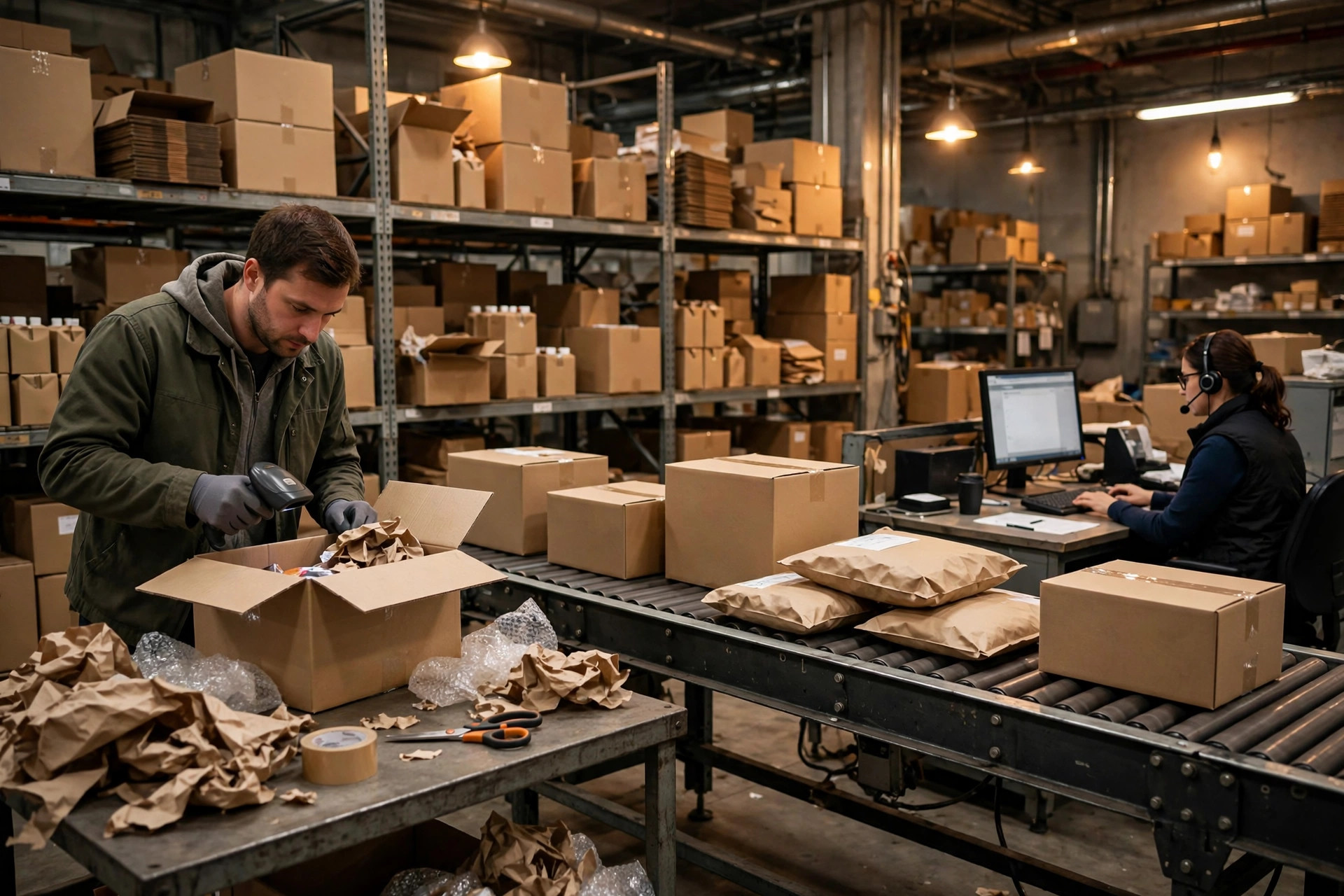
Here's the contrarian take: the most valuable return on automation was never labor savings — it's error reduction. And that return can never make it into the pitch deck.
Why not? Because labor savings fit on a headcount spreadsheet, row by row, and finance believes it. Error reduction? Tell your boss "cutting the error rate from 1.1% to 0.5% saves $50,000 a year" and the first question is: "Where did $20 per error come from? You're quantifying review damage now?" It's all assumptions. Finance doesn't buy it, and it reads like wishful thinking in a deck.
The deeper reason: the cost of errors doesn't live in the warehouse budget. It's scattered across the support team's payroll, the returns dock's overtime, the Amazon ranking lost to bad reviews. The warehouse manager requesting an automation budget is working from the warehouse ledger — which structurally understates the prize. That's why so many obviously-worthwhile error-proofing investments never get funded: the beneficiaries are spread across departments, but only one department pays.
One trade-off worth flagging: error-proofing automation isn't "more expensive equals better." Scan verification plus weight checks — the lightweight stuff — is the sweet spot for small and mid-size sellers. Full vision inspection and auto-sortation belong in facilities doing tens of thousands of orders a day. Small warehouse, don't start by shopping for robotic arms. Put in the two cheap gates — scan and weigh — and you'll cut most of your error rate. Spend where the last verification happens, right before the box leaves.
Next Time You're at the Negotiating Table, Ask These Three Questions
Back to my home turf. Whether you run your own warehouse or use a 3PL, ask these three questions at your next contract negotiation or renewal. They can save you the price of a car every year:
One: how is the accuracy SLA defined, measured — and what does a miss cost? Don't accept a verbal "we run at 99%." In that Intermec survey, more than half of companies actually picked below 97%. Ask: per order or per line? Who measures? What does each tenth of a point cost? If it's not in the contract appendix, it doesn't exist.
Two: does mispick compensation cover postage, or the full cost of the error? If it's postage only, ask who pays for support and returns handling. If you can't get full coverage, at least negotiate the monthly cap upward — or add a clause letting you walk away after three consecutive months over target. A termination clause is the best SLA there is.
Three: does the warehouse run scan verification and weight checks — and can it go into the SOP appendix? This is the litmus test for whether a provider will spend money to stop making mistakes. A warehouse without scan verification promising 99.5% accuracy — do you believe that? Get their error-proofing process written into the SOP. When something goes wrong, you'll want the paper trail.
And here's the honest truth from my side of the table: we sell a service, services have errors, errors have costs. That money gets spent either up front — on error-proofing — or afterwards — on support, returns, and reviews. Up front is far cheaper. It just never walks into your ROI spreadsheet on its own. Somebody has to put it there.
Consider it put there.
By Susan, 3PL Sales Director