A pattern worth noting has emerged in the Australian market for warehouse electrical equipment: a growing number of sellers whose products are technically sound still get held up at the compliance and labelling stage. Australia RCM certification for warehouse equipment is a gate that often blocks not the technology, but the understanding of the pathway. Whether equipment can enter Australia depends not only on how well it is built, but on whether the full compliance chain has been walked.
Under the Australian regulatory framework as publicly described, the logic of the RCM scheme is not complicated. Before electrical equipment enters the Australian market, applicable standards testing must be completed, a responsible supplier in Australia must make a declaration of conformity, the RCM mark must be applied as required, and the importer must carry traceable responsibility. Testing, declaration, labelling, and importer duty are four links in one chain, and a gap in any one of them can draw questions at the border or after listing. Which standards apply, the exact declaration format, and labelling details should be checked against the official source for the latest rules before a project starts, rather than carried over from an earlier project.
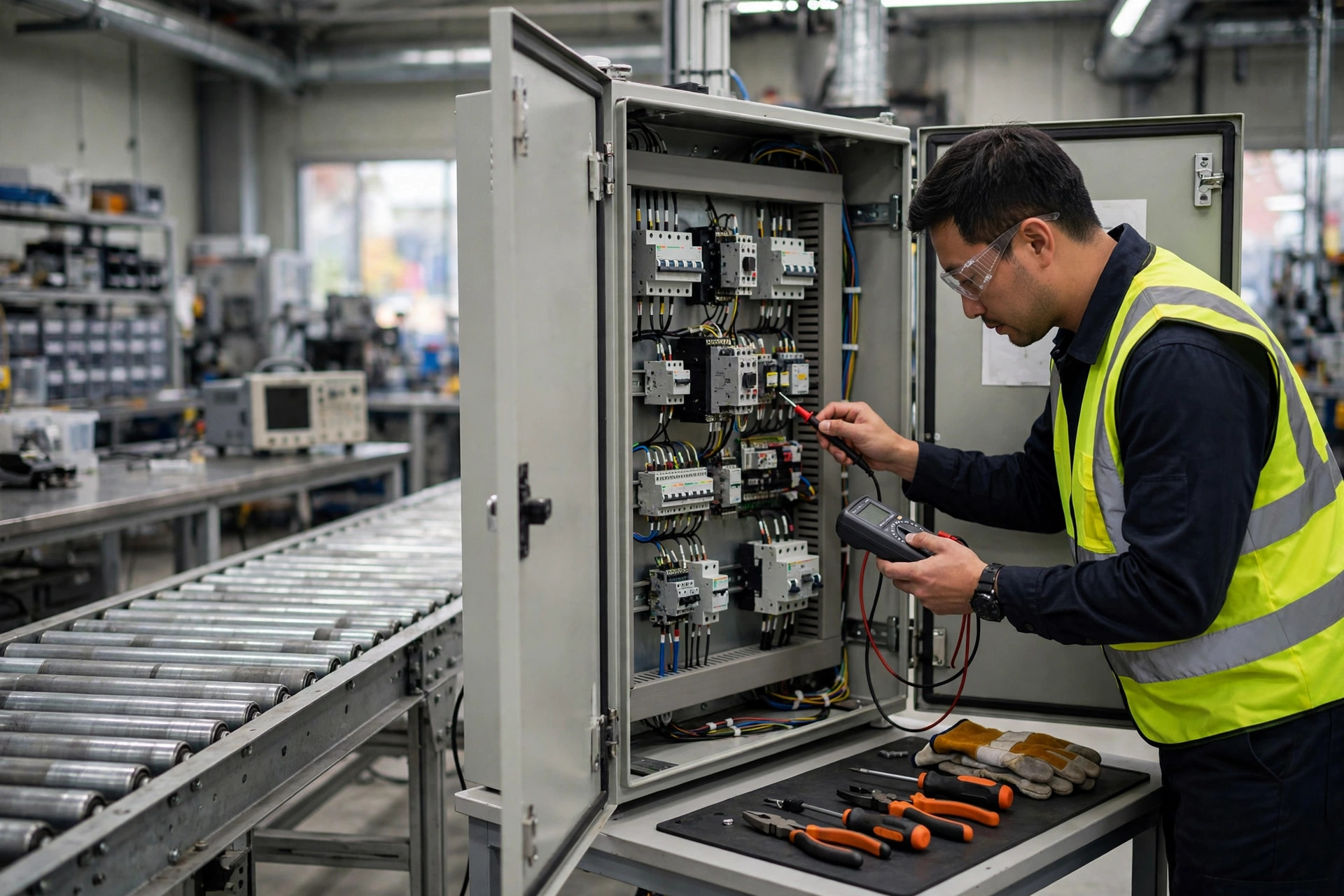
Why does this matter more now? The structure of warehouse automation exports is changing. Where sellers once shipped standalone machines or consumables, they increasingly ship complete electrical systems: conveyor control panels, charging equipment, and the electrical parts of sorting equipment, all of which sit squarely within electrical safety and electromagnetic compatibility oversight. The channel is changing too: equipment now enters Australia through cross-border e-commerce and local distribution in parallel, which spreads the responsible party across more hands, and when something goes wrong the regulator looks for the responsible person inside Australia, not the factory overseas. And the buyer is changing: Australian warehouses and integrators are increasingly treating compliance documentation as a qualification condition, so a supplier without the file package may not even reach the quotation stage.
Consider two illustrative scenarios. In the first, a maker of warehouse charging equipment already shipping in volume at home discovers on arrival in Australia that its test reports do not cover the scope Australian requirements call for. Supplementary testing and a fresh declaration process delay the whole project past the customer's go-live window. The problem is not product quality; it is that the Australian pathway was never confirmed at project setup, so testing was done against the wrong scope. In the second, an integrator shipping conveyor control cabinets passes testing, but fails customer acceptance because the labelling and responsible supplier information are incomplete. Relabelling on site and completing documents is not expensive in cash, but it is expensive in trust. Both scenarios point to the same cause: compliance failures rarely happen because the technology cannot be built; they happen because the pathway starts too late and the division of responsibility was never written down.
Australia RCM Certification for Warehouse Equipment: Testing, Declaration, Labelling, and Importer Duties
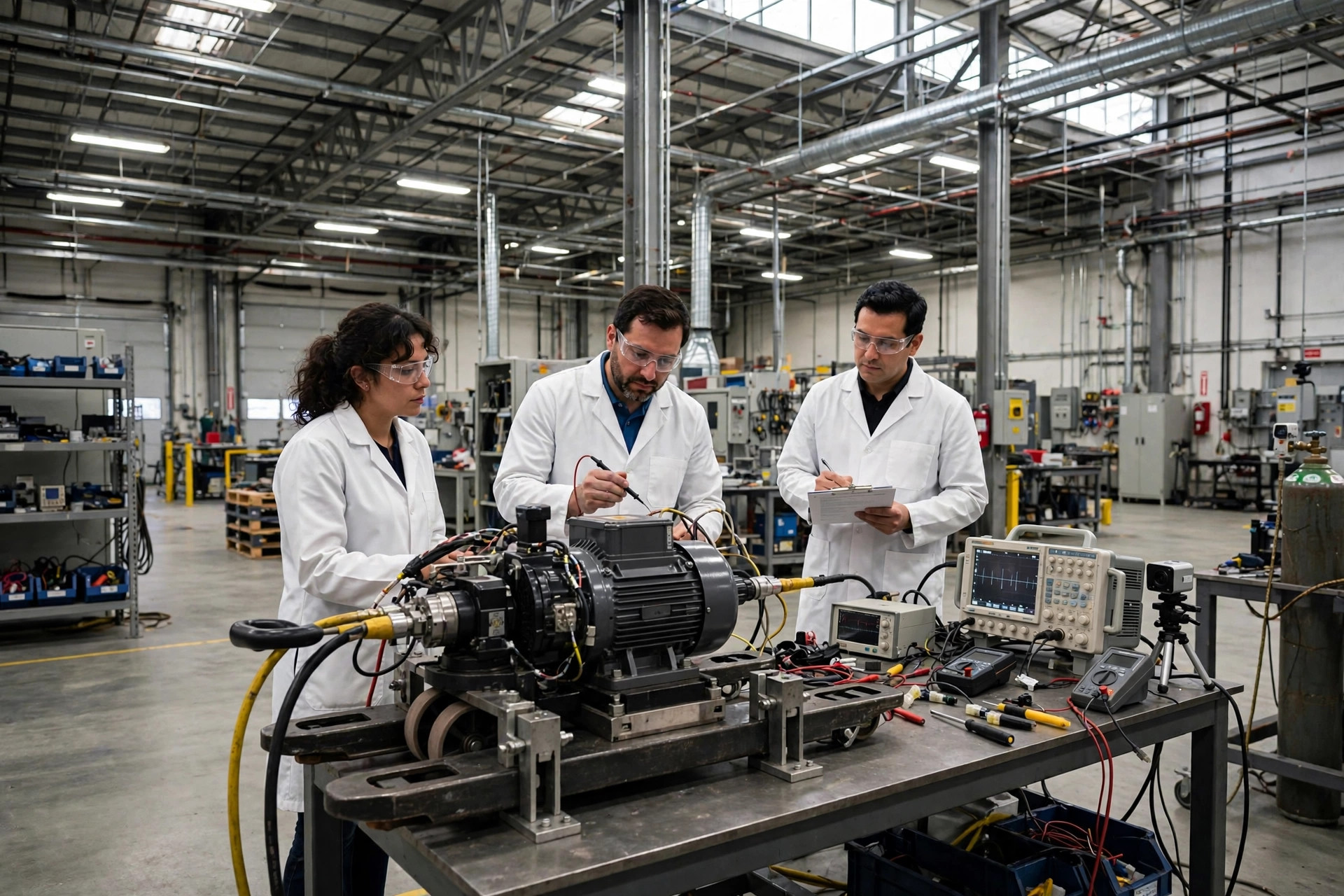
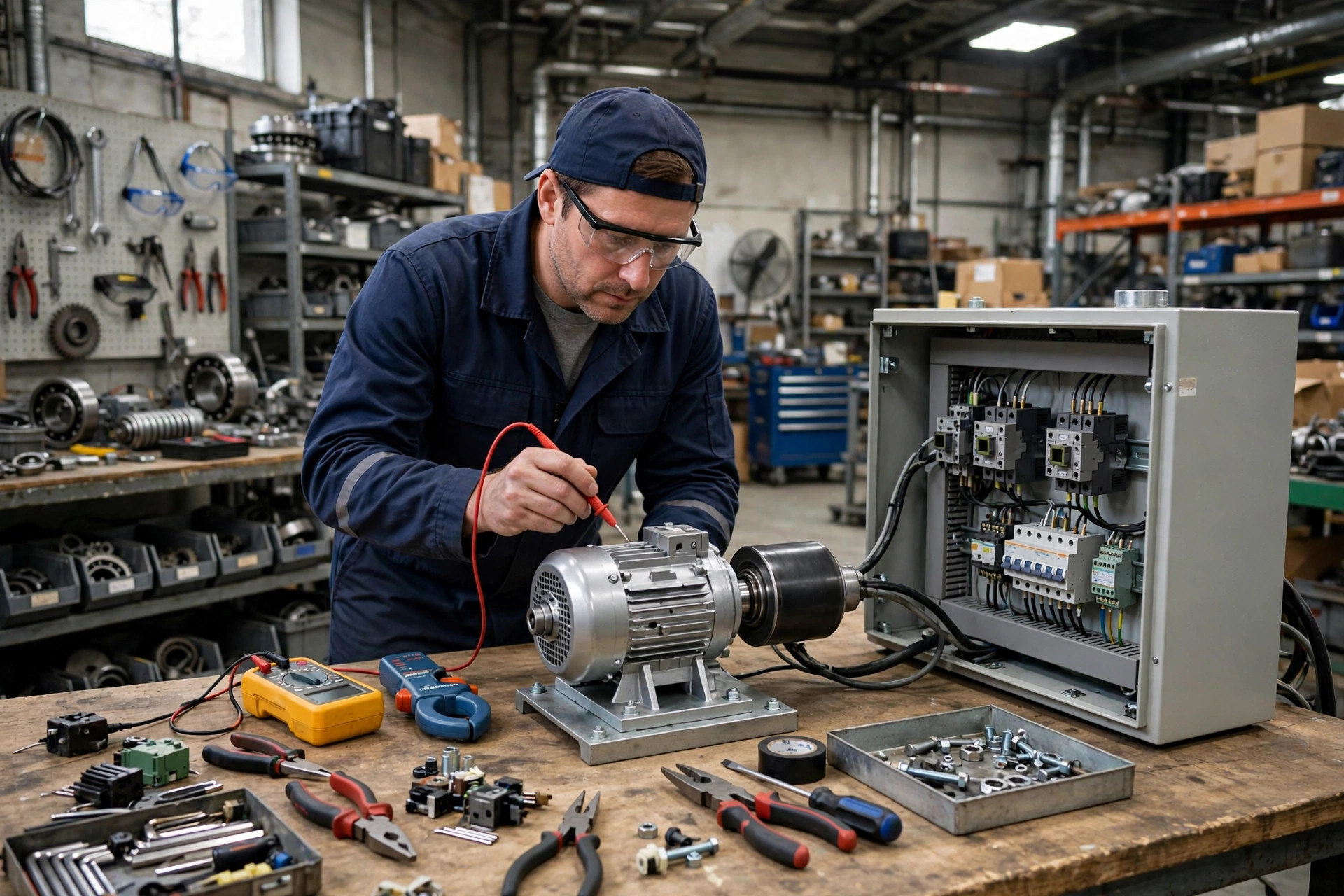
Broken into steps, the pathway runs through four stages. In testing, the applicable standards scope for the product must be confirmed, and testing completed by a capable laboratory, with reports that map to the specific model and configuration. In declaration, the Australian responsible supplier makes a declaration of conformity, which is a legal commitment, not sales language. In labelling, the RCM mark is applied as required, with its placement and legibility part of the check. In importer duty, the import chain must remain traceable, so that if a problem arises the responsible party can be found and the documents produced. The order matters: confirm scope before testing, hold the report before declaring, complete the declaration before labelling and shipping.
A practical checklist for moving through it runs as follows: confirm whether the product falls within the RCM scope for electrical equipment; confirm the applicable standards and test scope, checking the official source for the latest rules; confirm who will act as the Australian responsible supplier and write that division into the contract; after testing, check that the report matches the shipped model; keep the declaration, labelling, and import documents consistent with each other; and retain a complete copy of the file package before shipping, in case of post-market checks.
Choosing a Route to Australia: Own Brand, Private Label, or Local Distribution
The compliance burden is not the same for every export model. Choosing a model is choosing where responsibility lands. The framework below lets a seller see that allocation clearly before discussing cost and timing.
| Export model | Who typically acts as responsible supplier | Core documents the seller must prepare | Most common pitfall |
|---|---|---|---|
| Own brand, direct sales | An Australian entity or authorised responsible party | Test reports, declaration of conformity, label artwork, traceability records | Assuming a factory report can substitute for the local declaration |
| Private label for an Australian brand | Usually the Australian brand owner, factory supporting | Test reports and technical files for the exact models | Reports not updated after a model change |
| Sales through a local distributor | The distributor or an agreed responsible party | A distribution agreement spelling out compliance duties, plus the full file package | No written allocation of who owns declaration and rectification |
The counter-intuitive judgement here is that the most expensive part of RCM is rarely the testing itself; it is rework. Testing against the wrong scope, a mark applied in the wrong place, a declaration naming the wrong party: each of these errors gets fixed on the eve of shipment, when time is scarcest. By contrast, sellers who move compliance to the project setup stage appear to spend more time upfront, yet end up with a lower total cost. Compliance in this market is not an add-on to selling; it is part of the entry structure.
Three trends are worth watching. First, warehouses keep getting more electrical, so the categories of equipment under regulatory scope are likely to become more, not less, clearly defined. Second, checks of compliance documents by Australian buyers are moving from occasional sampling toward routine practice, so suppliers with incomplete files will find formal procurement progressively harder to enter. Third, compliance capability itself is becoming a differentiator among exporting manufacturers: firms that turn testing, declaration, labelling, and traceability into a repeatable routine will systematically hold stronger negotiating positions in Australia than firms competing on price alone. As for specific fees and official timelines, these vary by project; check the official source for the latest rules rather than applying figures from any single case to your own project.
Thinking about it openly, what RCM really tests may not be whether a manufacturer can pass one certification, but whether it can turn compliance into a repeatable organisational capability. Passing once can rest on luck and outside help; passing every time rests on process. The next time an Australian customer asks for the compliance file package, whether the seller can produce a complete, consistent, traceable set the same day may say more about how far it can go in the Australian market than any single certification result.
By Dr. Chen, Supply Chain Researcher