Bottom line first: if you ship warehouse electrical equipment from China to Argentina without Argentina IRAM certification, your goods will not clear customs in Buenos Aires. The certificate is the ticket in, and it has to be in hand before the cargo sails. This guide lays out the whole account: which products fall under IRAM, the step-by-step submission process, the document checklist, a realistic timeline and cost structure, and the rejection traps I keep seeing.
What Argentina IRAM Certification Covers: Scope and the S Mark
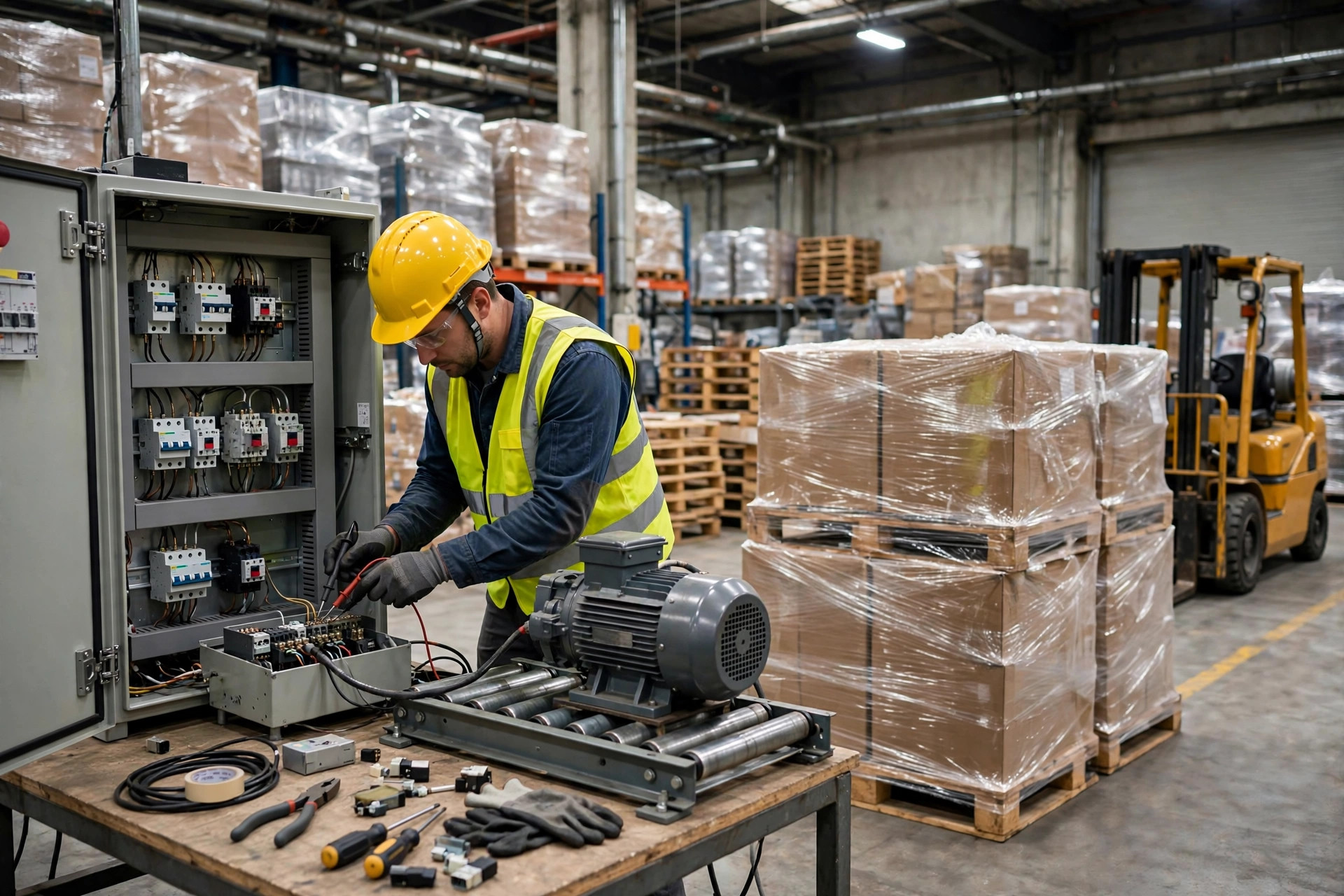
IRAM is Argentina's national standards body; its mandatory scheme for electrical products entering the market uses the S mark. The warehouse rule of thumb is simple: if it plugs in, runs a motor, or carries a control circuit, ask whether it is in scope before you quote. Conveyor control cabinets, stacker crane electrical cabinets, hoist drives, charging equipment, and sorting equipment electrical components almost always fall inside. Pure steel racking usually does not.
My first step with every client is the same: split the bill of materials into electrical and non-electrical items, list each item's voltage, power, and function, and confirm applicability in writing. Do not classify by gut feeling. I have seen this pitfall three times: a client filed a whole conveyor line as "one system," only for the cabinet, motors, and sensors to be split into separate categories. The paperwork had to be redone, and a month disappeared.
One more design point: Argentina runs on 220V at 50Hz, with a plug standard different from China's. Build voltage, frequency, plug type, and label language into the design early; certification is alignment that starts at design, not a sticker added at the end.
Two Stories From the Field
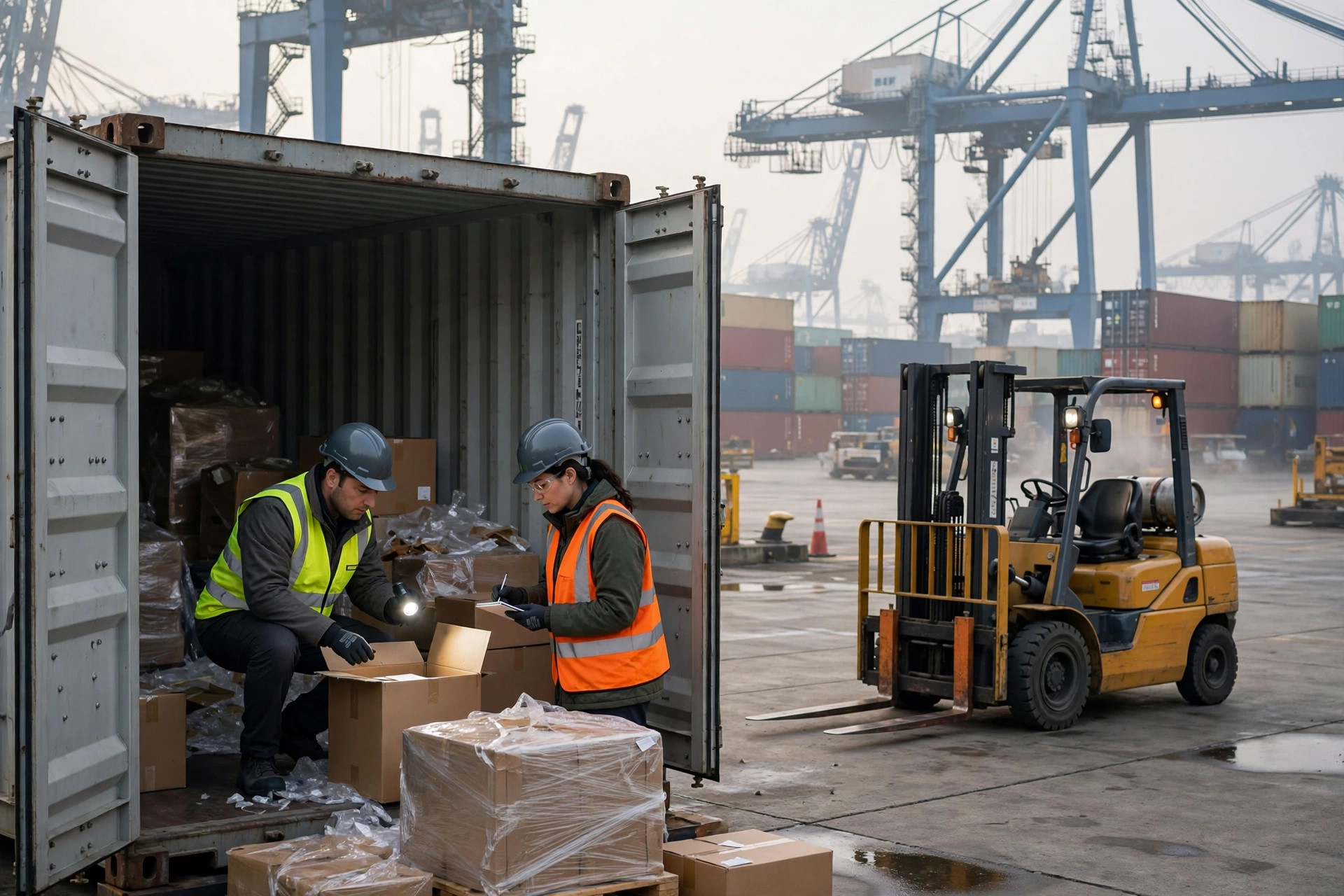
In the second half of 2024, a conveyor control cabinet maker from Ningbo shipped two containers to Buenos Aires. At customs, the shipment was asked for its IRAM certification documents, and the client had none. The containers sat in the port area for 17 days while demurrage charges piled up. The fix was ugly: the goods went back into a bonded area, certification started from scratch, and the project slipped by nearly a quarter.
The lesson is one sentence long: certification comes before shipment, never after arrival. I have since made it a hard rule for every export client: no certificate number, no warehouse release, no matter how hard sales pushes.
In early 2025, a Shenzhen maker of warehouse charging equipment ran into a quieter problem. Its first Argentina submission failed on two points: the plug type did not match local requirements, and the nameplate and manual were missing the required Spanish-language information. Neither problem was big, yet part of the testing had to be redone and the schedule slipped by weeks. The fix cost almost nothing compared with the lost weeks. Hence my pre-submission self-check: plug, voltage, nameplate language, manual language, all key models covered.
The Submission Process in Seven Steps
Here is the standard flow:
Step 1, classify the product. Use the split-list method above and get written confirmation from the certification body for each item. A verbal "should be fine" does not count; keep the email or letter on file.
Step 2, choose the certification body and laboratory. Confirm up front: category coverage, testing queue schedule, and whether inspection applies.
Step 3, prepare the technical file. Work through the next section's checklist item by item; a rejection for missing paperwork costs more time than completing it would have.
Step 4, submit samples for testing. Samples must be production-representative models, not hand-built specials. After testing passes, check that model names and parameters on the test report match production models character for character.
Step 5, factory inspection, where applicable. Some categories require an audit of production consistency: can the line reliably reproduce what the sample was? Prepare incoming, production, and final inspection records before the auditors arrive.
Step 6, certification. Once the test report and inspection results pass, the body issues the certificate with a model list and validity period. On receipt, verify the models, the certificate holder, and the expiry date.
Step 7, maintain the certificate. Annual surveillance, sample checks, and change notifications all apply. A design change, a key component swap, or a factory move must be declared first, never after the fact.
The Document Checklist: My Pre-Launch Checklist
This is my night-before-submission list:
- Technical description: electrical schematics, rated parameters, operating environment.
- Key component list: brands, models, suppliers, plus certificates for already-certified components.
- Circuit and structural drawings, version-matched to the samples.
- Nameplate artwork: brand, model, ratings, origin, in the locally required language.
- A Spanish-language manual draft, safety warnings complete.
- A sample-to-production consistency statement mapping submitted to production models.
- Factory quality records: incoming, production, and final inspection templates.
- Local representative or importer information, with holder and importer responsibilities agreed in writing.
I have seen this pitfall three times: a single wrong letter in a model name, and the certificate no longer matches the customs declaration. Before submission, have a second person verify model names, brands, and ratings character by character. Ten minutes can save a month.
Timeline and Cost Structure: Doing the Math
First, the timeline. Plan in months, not weeks. From a complete file to a certificate in hand, a smooth case commonly runs 2 to 4 months; confirm the current schedule with the certification body and the latest official policy. Incomplete files, failed tests, and added models all push it later. My rule is to promise clients 4 months externally while planning 3 months internally. Anyone promising "six weeks, guaranteed" is gambling.
Second, the cost structure: no single package price; the quote should be broken down line by line:
| Cost item | What it covers | What to negotiate |
|---|---|---|
| Testing fees | Per model, per test item | Consolidate models on a shared platform first |
| Certification review fees | Assessment and issuance | Ask whether annual fees are included |
| Factory inspection fees | Auditor days and travel, where applicable | Book early; a failed audit means paying again |
| Certificate maintenance fees | Annual surveillance, sample checks, change filings | Spread across years, not just year one |
| Rework and retest fees | Fixes and retesting after a failed test | Reserve a contingency for cash flow |
Exact amounts depend on product category and model count, so confirm them against a formal quotation and the latest official policy. Judge the cost by dividing the five items above by the first shipment volume and comparing per-unit cost with the selling price. If the first batch is only a few dozen units, consolidate models or enlarge the batch rather than forcing it through.
Here is the counterintuitive judgment: the most expensive part of certification is usually not the testing fee, but time. Goods stuck at port, a delayed project, a postponed warehouse launch — those losses dwarf the test bill. The budget needs a time buffer, not just a money buffer.
Five Rejection Traps in IRAM Certification
First, model mismatch: submitted, certificate, and declaration models must agree — the second-person check above is the fix.
Second, an undeclared key component change. Production swaps in a cheaper contactor or power module that looks close enough, and a surveillance check later finds the product no longer matches the certified sample. I have seen this pitfall three times, and every time purchasing changed the supplier while the certification team heard about it last. Lock the key component list; any supplier change goes through a change filing first.
Third, non-compliant nameplate and manual language. Missing Spanish or incomplete safety warnings are the classic small mistake with a large price tag: cheap to fix, expensive to reprocess.
Fourth, plug and voltage misalignment. If the Argentina plug standard was never designed in, the sample reaches the laboratory before anyone notices the structure must change.
Fifth, unclear holder and importer roles. Whose name is on the certificate, what happens when the importer changes, who renews at expiry — settle all of this before signing, not after the goods arrive.
Closing: The Pre-Shipment Checklist
On the night before shipment, run this list once more and ship only when every box is checked: certificate number in hand; models verified against the customs declaration; nameplate and manual language confirmed; key component list locked; validity covering the expected clearance date; importer information consistent with the holder. One unchecked box means the goods stay put.
A final word between practitioners: the Argentine market is worth entering, but the IRAM gate cannot be bypassed, and trying to bypass it is the most expensive option of all. Start three months early, prepare files against the checklist, and lock the models. Do those three things and certification is a normal procedure. Bottom line, restated: no certificate number, no shipment.
By Lin Xiao, WMS Implementation Consultant