Most sellers do the math on Amazon Vine backwards. They see the enrollment fee, wince or shrug, and skip straight to "how many reviews do I get." The fee is the smallest part of the equation. The real math is inventory, timing, and what you do after the reviews land. Get those wrong and Vine becomes an expensive way to collect criticism in public.
If you've launched a product recently, you know the trap: thirty days in, zero reviews, ad spend climbing, conversion flat, and organic traffic nowhere in sight. Everyone in the game has lived through it.
What Vine actually is (and isn't)
Vine is Amazon's official reviewer program. Amazon invites a group of experienced reviewers — Vine Voices — who receive products for free and write honest reviews. Honest, not positive. Every review carries a Vine badge, visible to every shopper on the page.
Why does it matter? Because the source is clean. Sellers never touch the reviewers — no contact, no influence, no negotiation. Shoppers trust that, and so does the algorithm. For a new product, the first few dozen reviews decide whether the listing converts at all. Vine is the official fast lane out of the zero-review zone.
Let's be clear about what it isn't: it isn't a review-purchase scheme. You can't choose who tests your product, you can't ask for a rewrite, and you can't remove a bad one. If your product has a flaw, Vine Voices will find it and document it for the whole internet. That's the price of admission.
A detail worth knowing: reviewers aren't required to leave a review at all, and Amazon only loosely enforces its 30-day expectation. Some units simply vanish into the void. That's why experienced sellers budget on the assumption that roughly half the enrolled units come back as published reviews. It's not pessimism — it's observed behavior.
The eligibility checklist and the real cost
Four requirements, all of them non-negotiable: a Professional selling account, a brand enrolled in Amazon Brand Registry, FBA fulfillment in New condition, and fewer than 30 existing reviews on the listing. Adult products, digital products, and bundles are excluded. You enroll in Seller Central under Advertising → Vine by searching for your ASIN.
The fee is charged once per parent ASIN, in three tiers: 1–2 units is free, 3–10 units is $75, 11–30 units is $200. Two details matter. First, you're billed only after the first Vine review publishes — and if no review appears within 90 days of enrollment, you pay nothing. Second, the cap is 30 units per parent ASIN, which means a maximum of 30 Vine reviews. Once a listing crosses 30 reviews, it's no longer eligible at all. Vine is a launch tool; the door closes as your organic reviews accumulate.
Check the exact fees in your Seller Central account before enrolling — Amazon has changed this pricing before and may do it again.
Now the part most sellers skip: the enrollment fee is not the real cost. Add up the units you give away (at your landed cost), inbound shipping to the fulfillment center, and the FBA fulfillment fees on those units. Everything you send to Vine Voices is free product you'll never see again.
How many units should you enroll? If the listing already has a handful of reviews and you just need a push, the middle tier can be enough. If you're starting from zero, enroll the full 30 — the whole point is escaping the zero-review zone, and a half-hearted enrollment spends the money without building the momentum. One more constraint: each parent ASIN effectively gets one enrollment window, so there's no "try a few now, add more later." Commit once, commit properly.
Here's a back-of-the-envelope to calibrate (illustrative math, not a quote): 30 units at a $10 landed cost plus a $200 enrollment fee is $500 before shipping and FBA fees. That buys you up to 30 Vine-badged reviews. Whether that's cheap or expensive depends on your price point and what a star-rating lift does to your conversion rate — higher-ticket products almost always win this trade.
What to do when the reviews land
This is where most sellers check out, and it's exactly where the money is made or lost.
Start with the negative reviews. A Vine one-star is a free quality report, written by someone with no reason to be polite. Read it before you react. One-off or batch defect? Fix the packaging, fix the manual, fix the product. You can't get the review removed — but you can make sure the next hundred buyers don't hit the same problem. That's the actual value of a bad review.
Then the listing. Once reviews are in, your page has credibility it didn't have a month ago. This is when ad spend starts working for you instead of against you. Don't max out the ad budget before the reviews land — that's paying full price to send traffic to a page with no social proof, and the conversion rate won't support it.
And don't waste the good ones. Pull the specific phrases Vine reviewers use — the ones that describe the product in a customer's own words — and feed them back into your bullet points and A+ content. Nobody writes better listing copy than a stranger who actually used the thing.
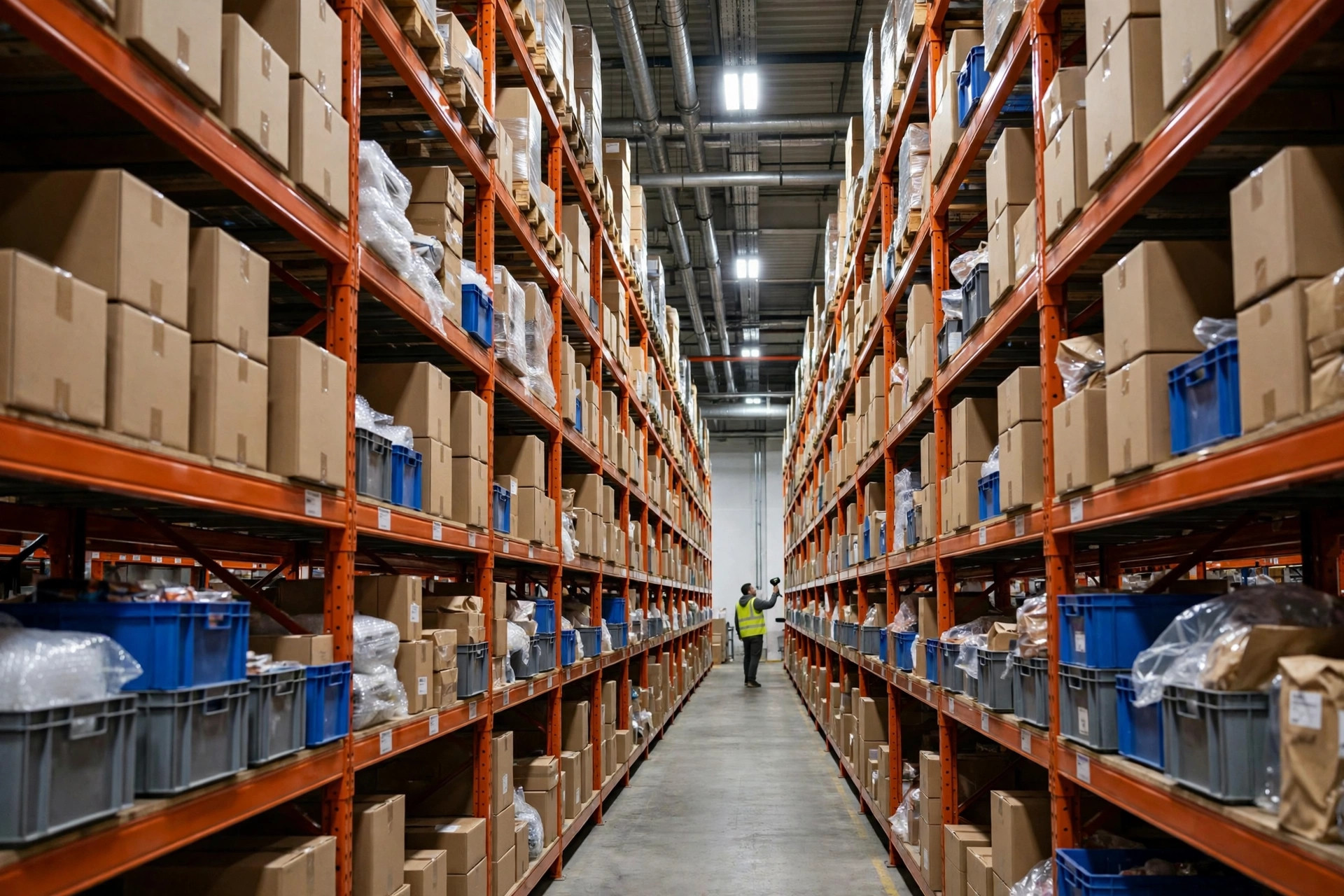
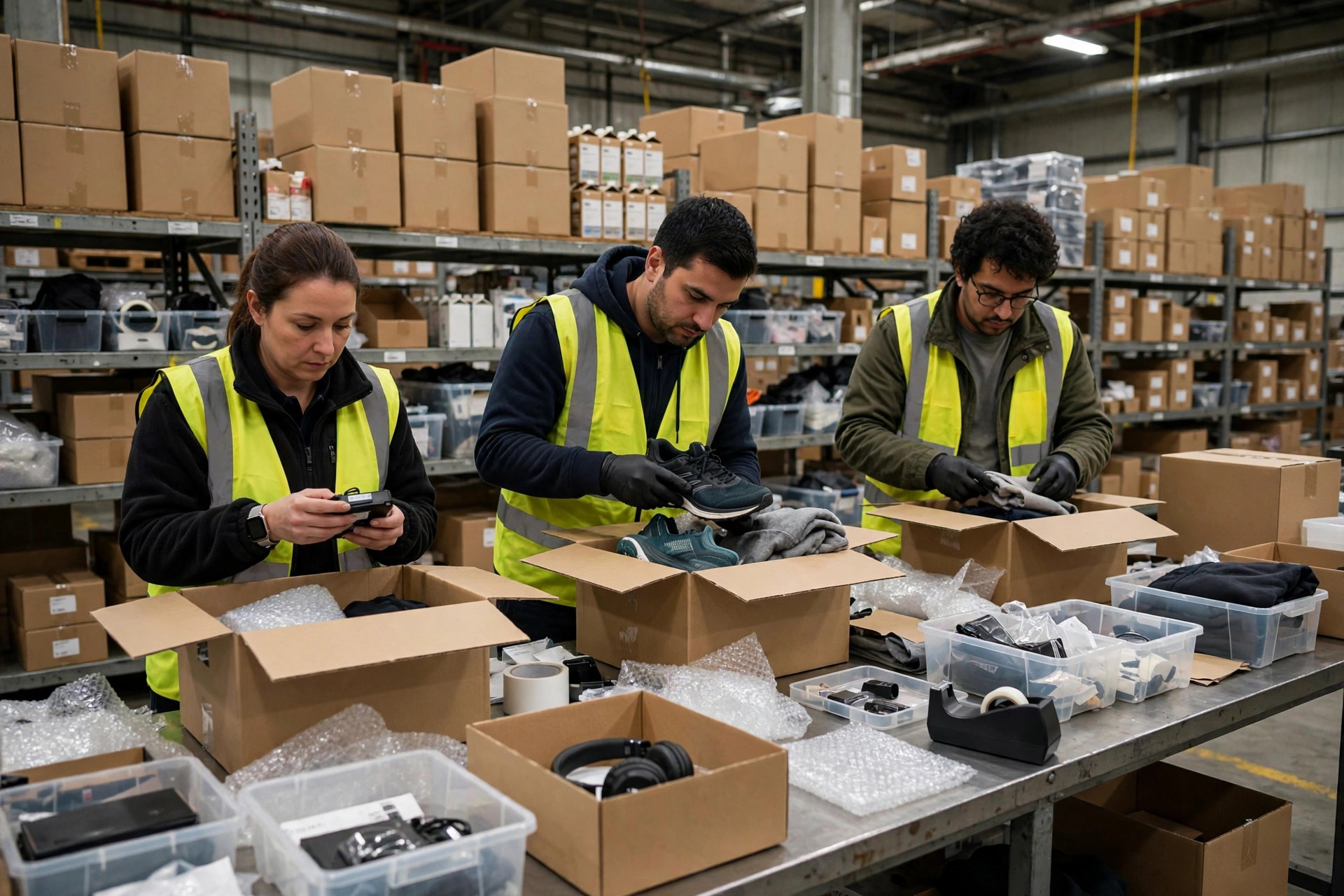
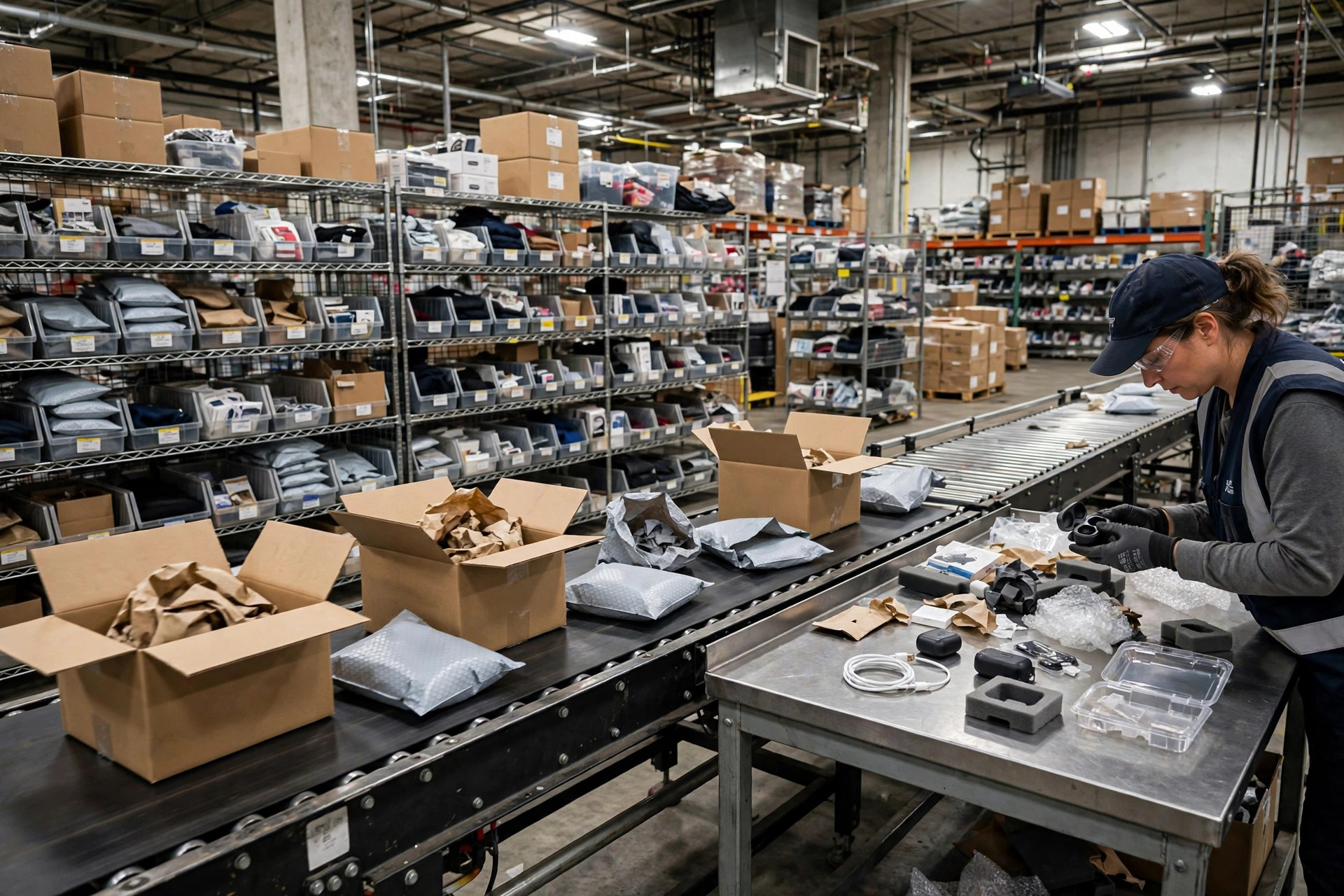
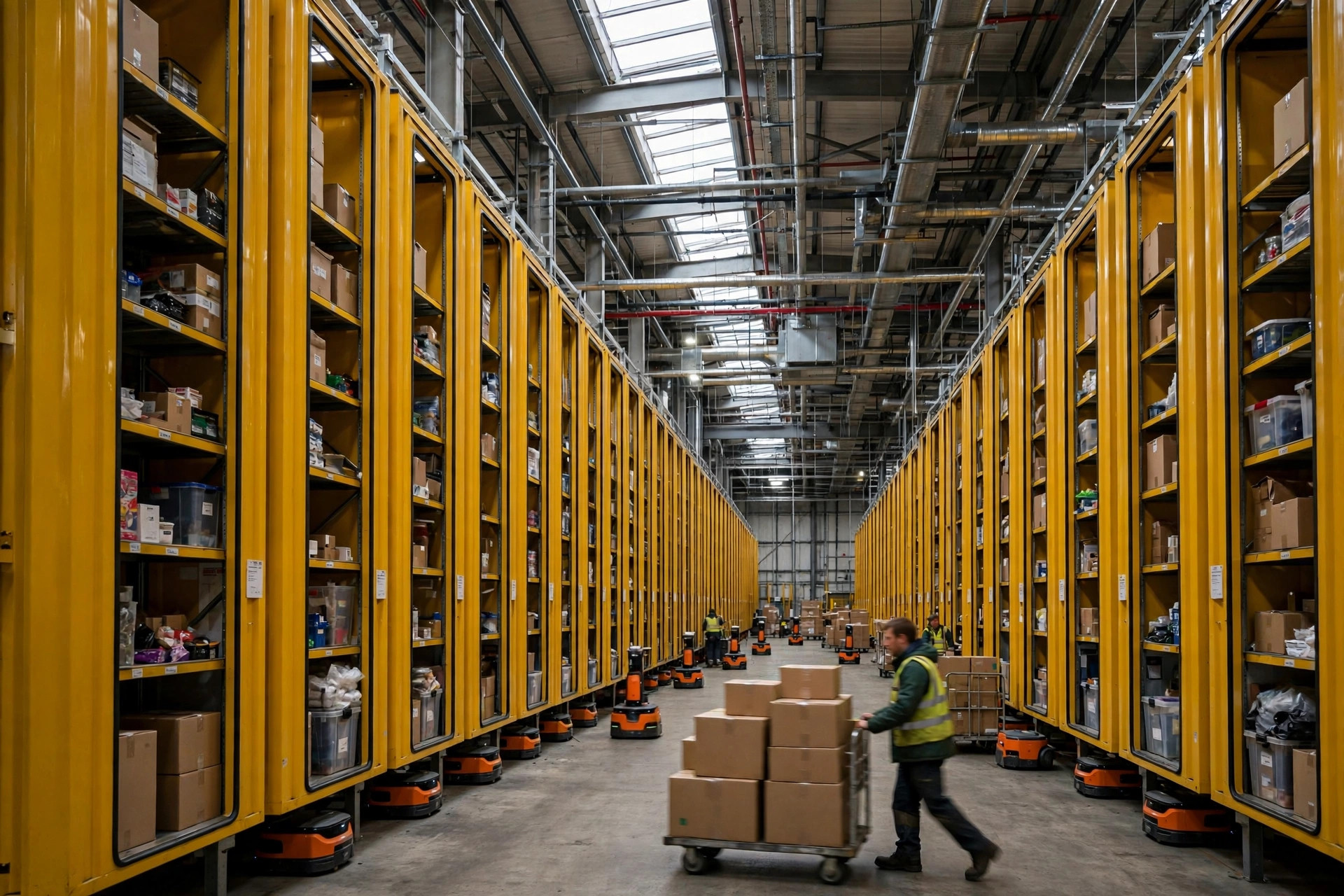
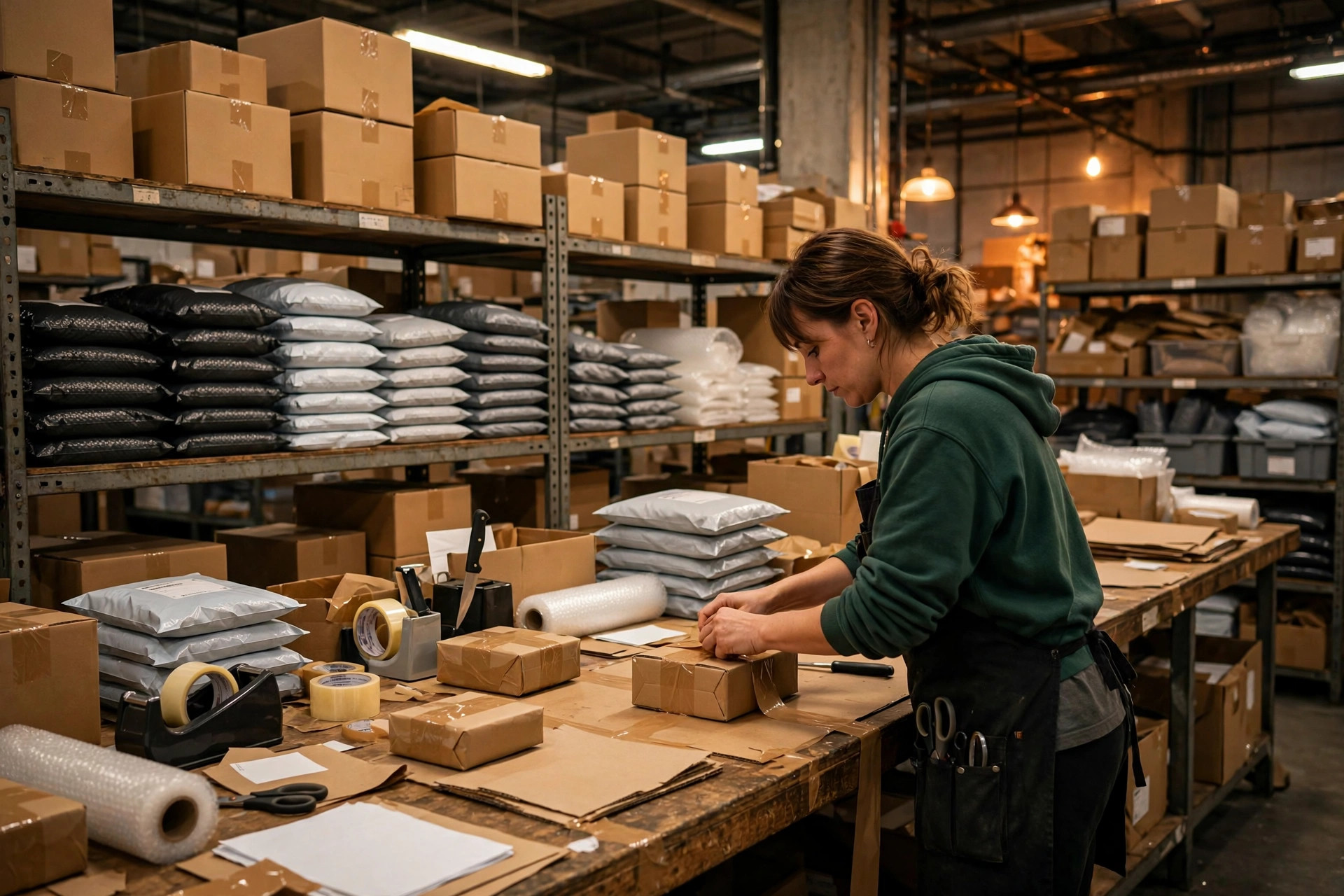
Finally, the warehouse side — my home turf. Have your Vine inventory at the FBA warehouse about three weeks before your planned launch, so testers have time to claim, receive, and review. And keep your first production run modest. Until the Vine reviews are in, you don't know whether the product has a hidden flaw — committing to thousands of units before that feedback arrives is how you end up paying storage fees on a product nobody wants, twice. My habit: separate the Vine shipment from the first sales shipment in your inventory plan. Reviews come back clean, then you place the big replenishment order. Two lines in the plan, never mixed.
If you're launching a product right now, do three things this week. First, open Seller Central and confirm your Brand Registry status and FBA eligibility for that ASIN — find out whether the Vine door is even open. Second, run the full cost math, not just the enrollment fee. Third, write the Vine shipment and the first sales shipment as two separate lines in your inventory plan. Vine isn't mysterious. It's an equation. Solve it before you spend.