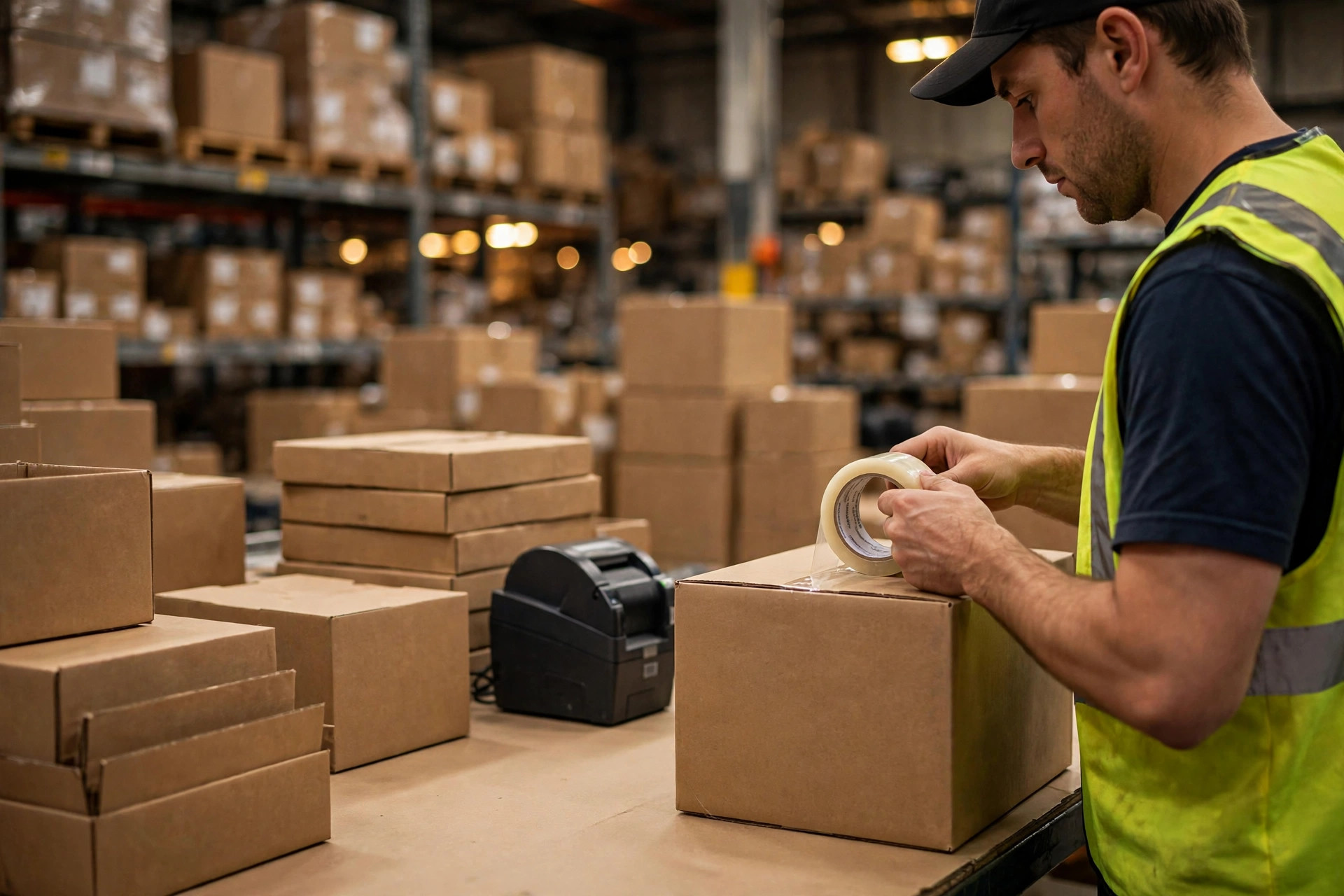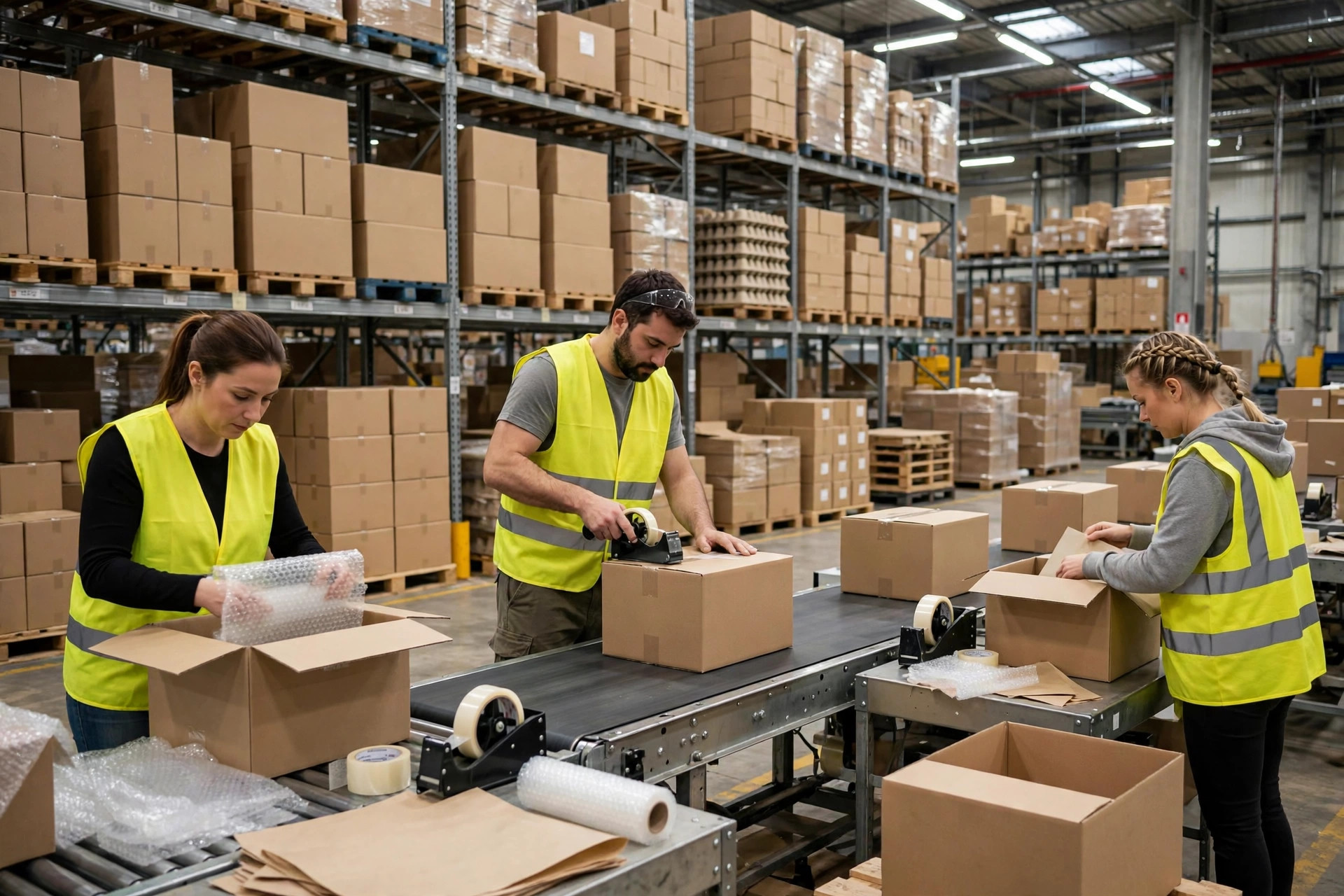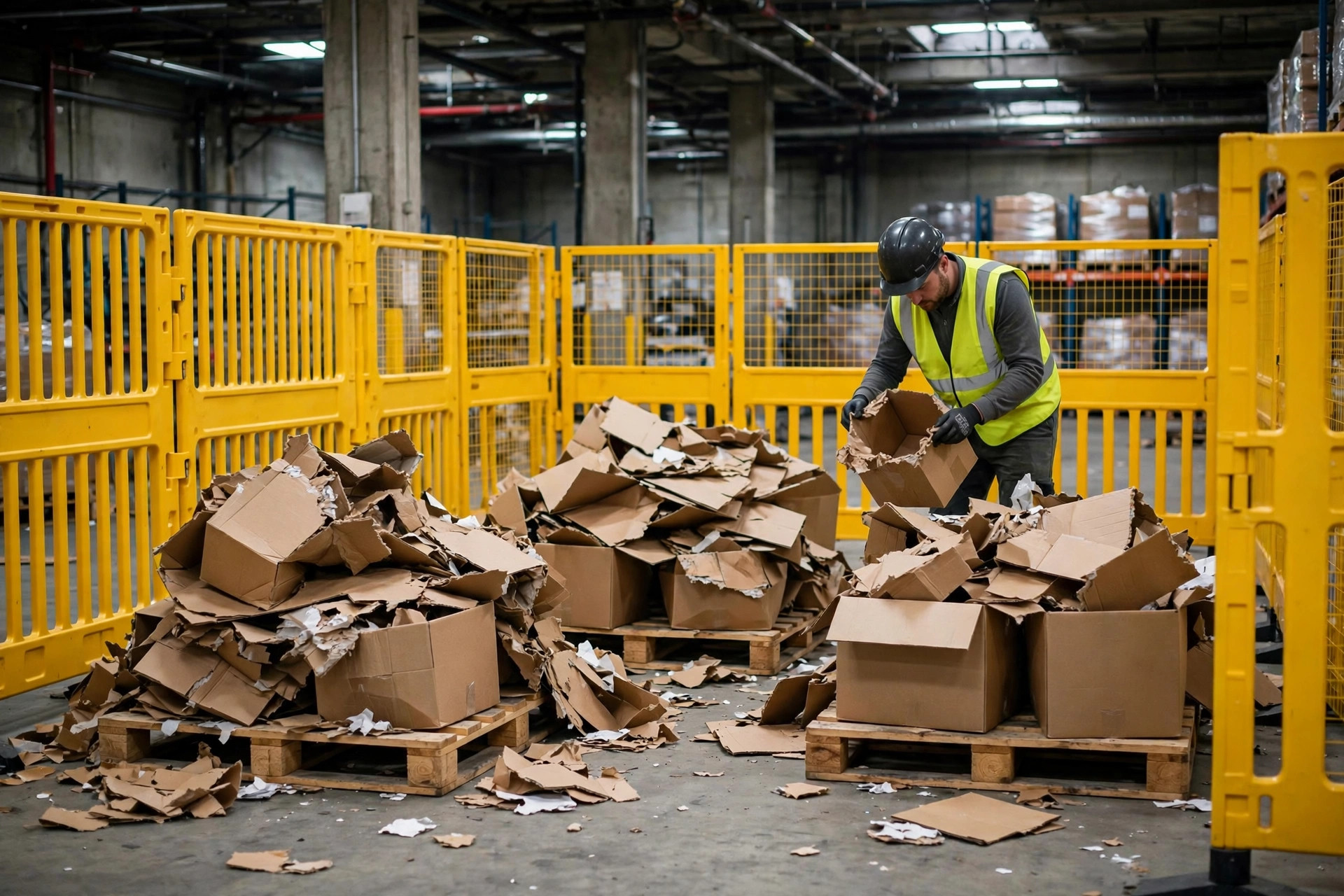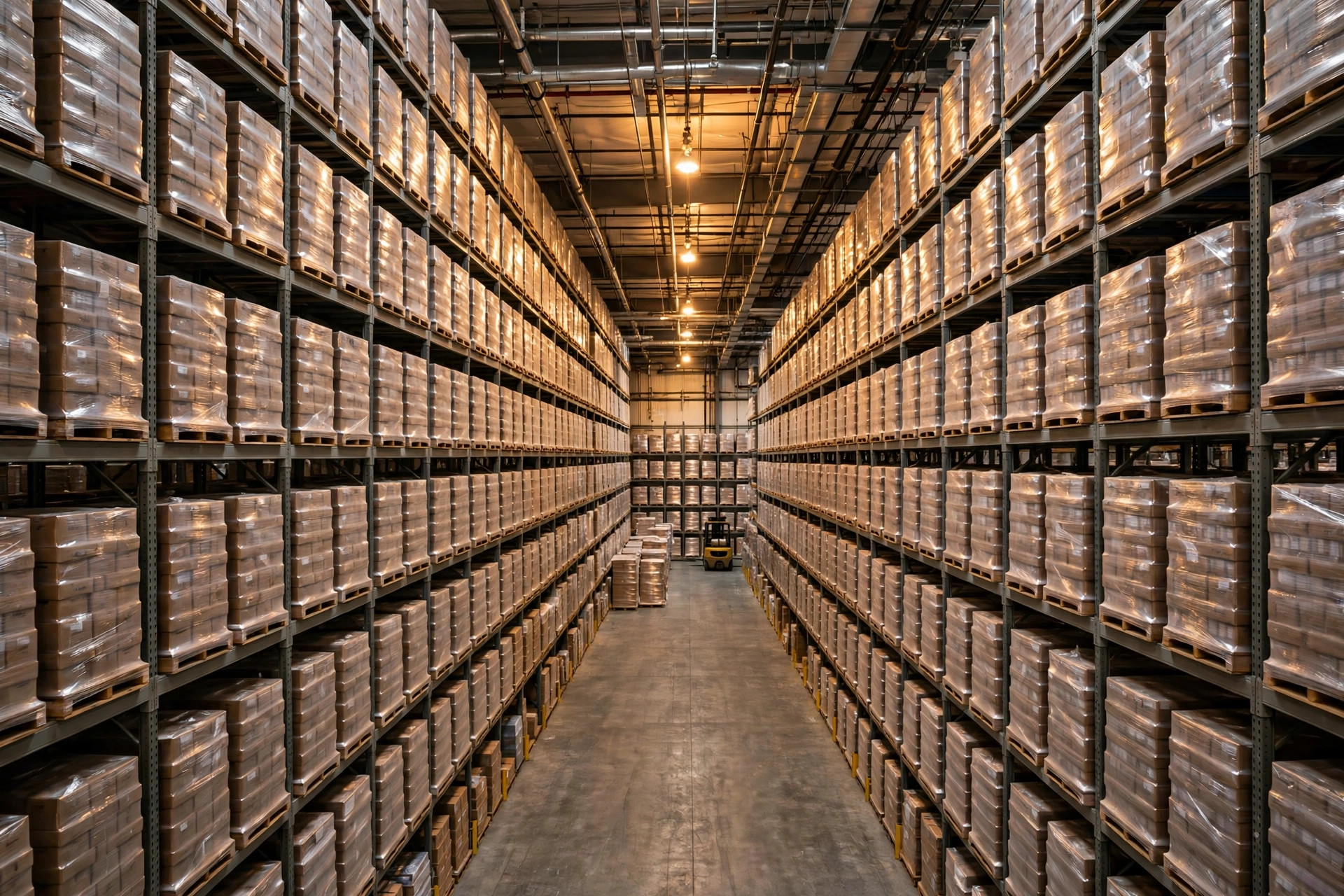
We had a client — sells silicone kitchenware — with 4,000-plus units sitting in our Ontario, California warehouse last November. Monday morning, he wakes up to a red banner in Seller Central: listing suppressed, suspected image infringement. He calls me, sounding like the world ended: "Susan, what do I do with this inventory? Do I still pay storage?"
I told him, of course you still pay storage. Pallets don't grow legs and walk out of the warehouse just because your listing went down.
We in the 3PL business watch this show several times a year, always right before peak season. Sellers obsess over the sales they lose during those suppressed weeks. From the warehouse side of the fence, lost sales were never the real damage. Today I'm spilling the insider stuff only the 3PL side knows, and walking you through the 3 things your warehouse can still do after an Amazon listing suppression.
Two true stories: the warehouse always ends up holding the bag
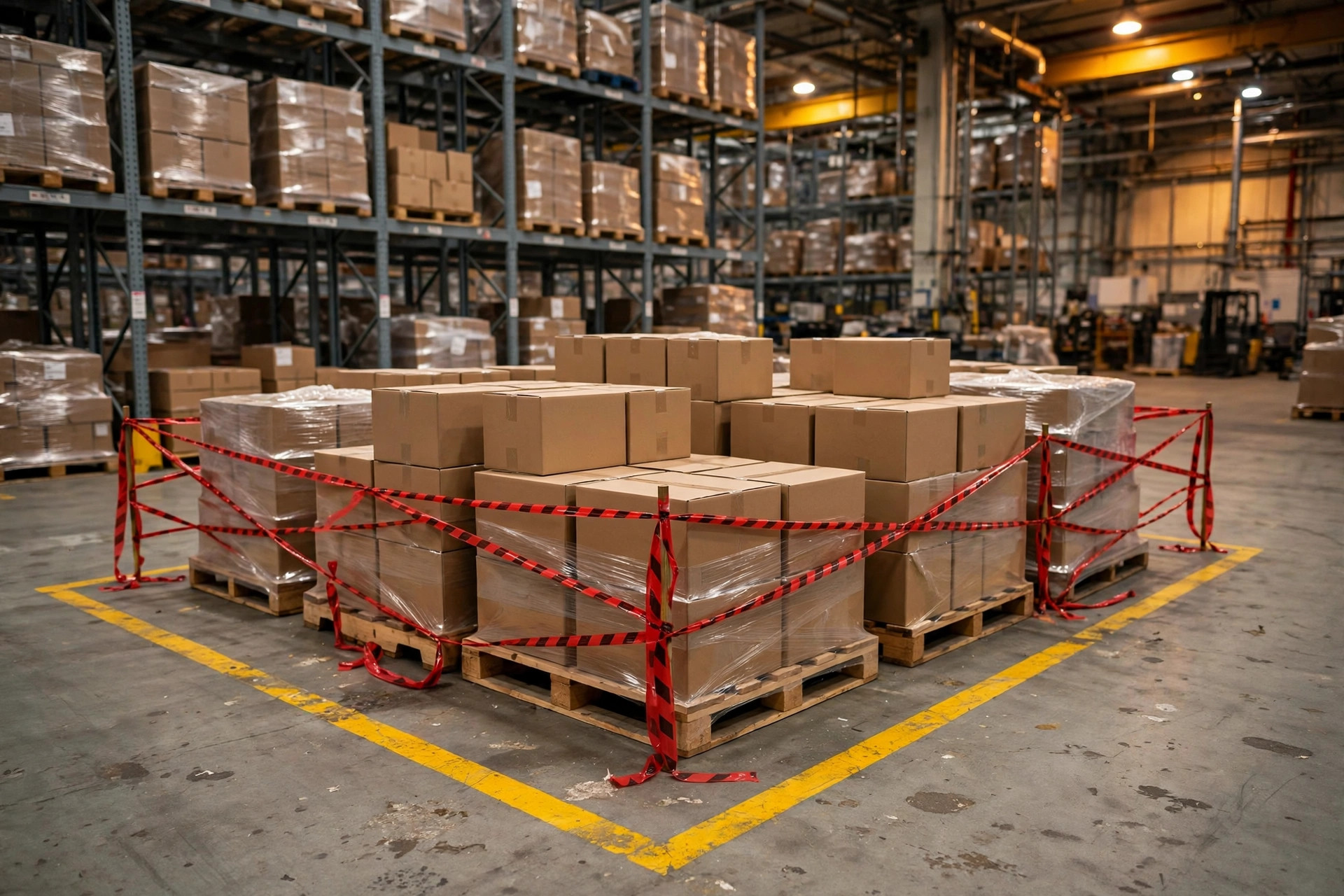
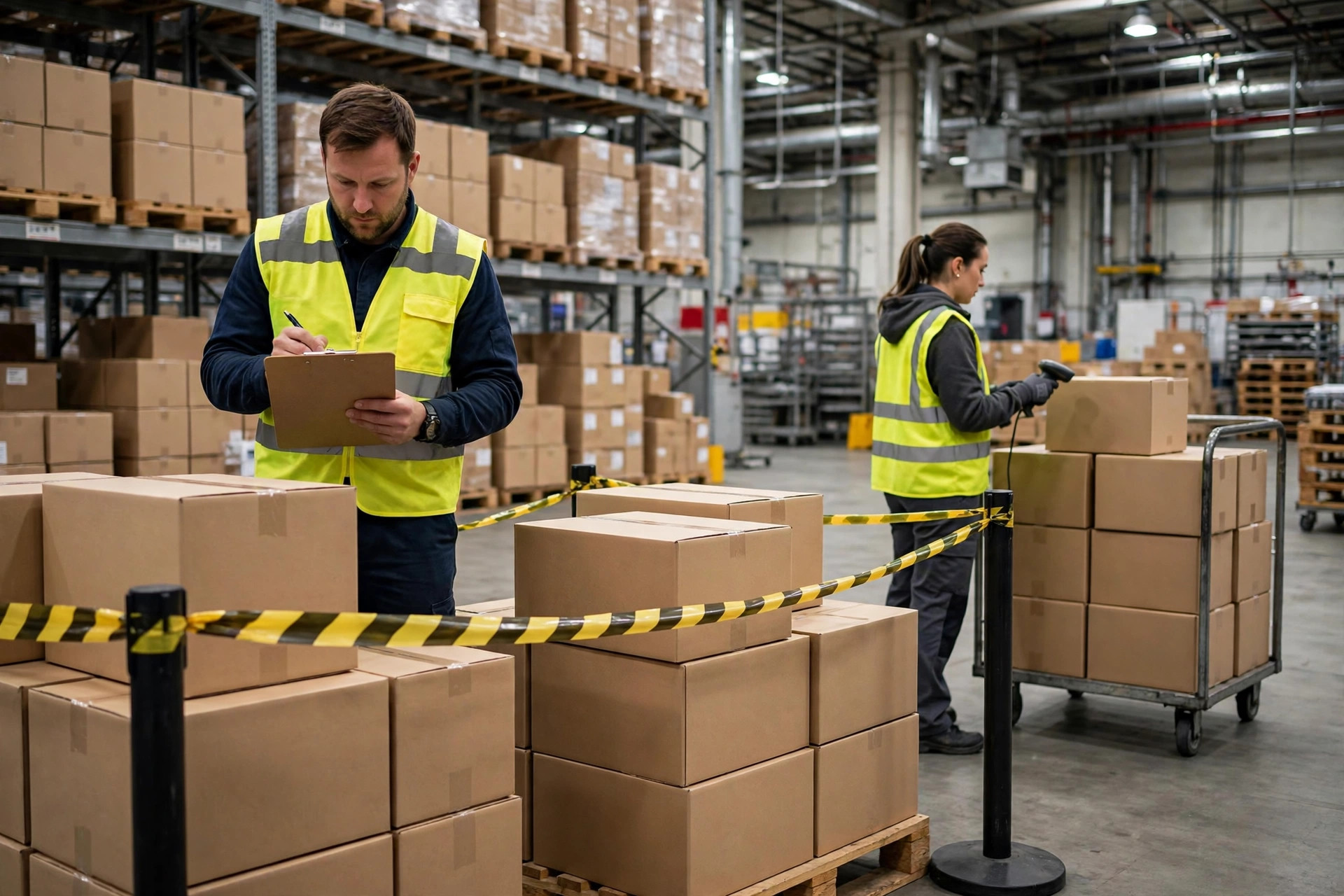
That silicone kitchenware seller is story number one. Infringement suppression, appeal filed, Amazon said review would take two to four weeks. It took 30 days. A full month. More than 4,000 units, 180 pallet positions, moved into our hold area under quarantine protocol — taped off, frozen in the system, nobody touches a carton without an exception workflow. His team called daily asking "can we at least ship some of it to our Shopify store?" The answer was no. Frozen is frozen.
The timing was the real killer: early November, peak inbound for Black Friday and Cyber Monday. His Christmas SKUs were queued at the dock waiting for receiving, but every slot was eaten by this dead inventory. He rented 50 pallet positions next door as overflow; one month of temp storage plus double handling cost him more than a month of regular storage on the suppressed goods themselves. When the listing came back on day 31, he told me: "If I'd known it would take this long, I would've decided to move the inventory in week one."
Story number two is even more typical. This March, our New Castle, Delaware facility: a seller of outdoor lighting, listing suppressed over incomplete product safety certification documents. This is the grinding kind of suppression — no single appeal fixes it. You need lab test reports and third-party certification, on a timeline nobody controls. His inventory sat with us 58 days before it saw daylight again. During those 58 days, he did exactly the three things I'm about to lay out.
The counterintuitive truth: a suppressed listing doesn't hurt your sales most — it locks up your capacity utilization
Here's a judgment call most sellers get wrong.
Everyone's first instinct after a suppression is to calculate: "How many orders a day am I losing? How much revenue?" Sure, run that math. But that's the visible ledger. The hidden ledger lives in the warehouse: inventory that can't sell locks up your entire peak-season capacity.
Say you normally run 85% slot utilization, and the suppressed goods eat 15% of your slots. On paper it's just "15% less room." In reality, pick paths, replenishment rhythm, and receiving appointments are all planned at full capacity — and that 15% of dead slots sits in the middle of your flow like a blood clot: new product can't come in, hot SKUs can't be replenished, and ops starts paying expedite fees, renting temp space, and running unplanned transfers to work around it. Our rule of thumb: in peak season, the opportunity cost of one locked pallet position — the margin on the product it blocks plus workaround spend — often runs 2 to 3 times that pallet's own storage cost.
So when we see a suppression, we never ask "how much did you stop selling?" We ask "how long is this inventory going to sit in my building?" The longer it sits, the more it bleeds — and that bleeding never shows up in your Seller Central sales reports.
There's another cost most sellers never think of: insurance. The quarantined goods haven't lost a dollar of book value, so the insurance keeps billing, and the cash tied up in that inventory keeps accruing interest. Zero revenue in, three fixed bills out — storage, insurance, cost of capital — none of them discounted because your listing is down. A suppression doesn't test how well you write appeal letters. It tests whether your cash flow can survive a "zero income, full expense" war of attrition.
When your listing is suppressed, your inventory has three exits: run the numbers
The goods are already sitting in the warehouse. Crying doesn't help. What the warehouse side can actually do comes down to three options — and the earlier you pick, the cheaper it gets.
Option one: wait it out in place. This fits when the cause is clear and recovery is predictable — say a documentation resubmission with a reasonably firm window from Amazon. Cost: hold-area storage times days on hold, plus one re-inspection charge before reinstatement. The upside is the lowest decision cost. The downside: if recovery drags on indefinitely, you're paying a "waiting tax" to the warehouse. Our rule: no firm recovery date by day 14? Stop waiting; move to option two or three.
Option two: pull it out and sell it elsewhere. File a removal order, move the goods to a 3PL or your own warehouse, and keep selling on Walmart, your own site, or TikTok Shop. This is the best play when the product itself is fine and only that one listing is in trouble. The big cost chunk is Amazon's removal order fees — check the current fee schedule in Seller Central, because it changes and old forum posts lie — plus inbound freight and relabeling labor. Speed matters: removal orders queue up, and the queue is shortest right after the suppression hits.
Option three: liquidate locally. Sell at a discount to liquidators or local wholesalers, run an employee sale, or donate for the tax write-off. Fastest cash back, biggest loss — for seasonal product (miss the Christmas window and those silicone tools are dead weight), perishables, or inventory already worth less than its own carrying cost. The test is simple: if 60 more days of holding cost (storage plus tied-up capital) exceeds what liquidation brings back, don't hesitate.
Here's a three-question framework for day 3 of the suppression. One: is the cause reversible? Reversible goes to option one; if not, skip straight to two or three. Two: how many days of cover does this inventory represent? Over 90 days — prioritize pulling it out and selling elsewhere instead of letting it rot inside Amazon's system. Three: how many weeks until the next selling peak? Under 8 weeks — slots are worth more than the goods. Liquidate and free the space.
Next time you negotiate a 3PL contract, ask these three questions
Closing with the kind of wisdom you only get from signing over a hundred warehouse contracts. Most sellers negotiate 3PL contracts by haggling over "dollars per pallet per month." But when something like a listing suppression hits, what decides your losses is always the fine print. Next time you're at the table, ask these three questions:
Question one: "How is the hold/quarantine area billed — per pallet or per square foot? Is there a grace period, and how many days?" Plenty of warehouses bill quarantine space at 1.5x the normal rate with zero grace period — the meter starts the moment your pallets cross the tape. Skip this clause and a 30-day suppression quietly costs you an extra half month of storage you never saw coming.
Question two: "Is removal order turnaround time in the SLA? What's the remedy if you miss it?" After a suppression, moving inventory fast is the whole game. Some warehouses sit on removal orders for two weeks — a month in peak season. If the turnaround isn't in the contract, all you can do is stare at the ceiling.
Question three: "After how many days in storage do I get one free re-inspection and recount?" Before a suppressed listing is reinstated, you'll likely need to confirm inventory condition. That re-inspection labor is free at a well-negotiated warehouse and billed hourly at a bad one. On a 4,000-unit lot, the difference buys a lot of hot pot dinners.
Get all three into the contract's rate schedule, not just a verbal promise. A 3PL salesperson's mouth will agree to anything before the signature — after the signature, only the paper talks. And I say that as someone who does this for a living.
A suppressed listing is appealed on the seller side and contained on the warehouse side. Appeals depend on luck; containment depends on speed. Remember Ontario: the suppression isn't scary — still saying "let's wait and see" on day 14 is. Pallets wait for no one, and peak season waits even less.
By Susan, 3PL Sales Director