Let me tell you, after all these years on the road, the stories you hear standing around a warehouse door are better than anything you see out the windshield. A couple of autumns back, I was picking up a load at a warehouse in Southern California when I ran into a seller outside, a fellow in his early thirties, holding a carton of returns and shouting into his phone until his voice went hoarse. Turns out his listing had been hijacked, and his Amazon hijacking appeal documents weren't cutting it. Somebody else was riding his listing at twenty percent below his price and had stolen the Buy Box. He had filed his appeal three times, and every time it came back asking for more material. His listing sat dead for weeks, ad spend kept burning, and his stock sat in the warehouse going nowhere. What burned him up most, he said, wasn't the hijacker. It was thinking his paperwork was complete each time, only to get a reply saying "insufficient evidence" and having to start digging all over again.
I've talked to plenty of sellers about this since, and they almost all trip over the same thing. It's not that they have no evidence. It's that their evidence is scattered everywhere, and what they submit doesn't line up with the questions the platform is actually asking. Getting your Amazon hijacking appeal documents right is not about who has the thickest file. It's about whose file answers three questions directly: is this brand yours, did you actually make or source this product, and what exactly did the hijacker do to you? Prepare your documents in that order and you can usually get everything ready in one pass.
Amazon Hijacking Appeal Documents Start With Three Things: Brand, Sourcing, and Proof of Infringement
Brand ownership comes first. The most useful items are your brand registry screenshot and your trademark registration details, and the registered owner has to match your store entity. If the name is off by even a letter, expect to be asked to explain it all over again. One thing a lot of people forget: a brand website or brand introduction page showing the brand is a real, operating business, not a shell registered yesterday just to fight hijackers. Hijackers love to poke at gaps in your own brand file, so make sure there are none.
Then comes sourcing. Invoices, purchase contracts, supplier authorizations, and they need to form one unbroken chain: from the factory or authorized distributor, to your warehouse, to this listing. I knew a seller who had the invoices and the authorization letter, but the letter named his old company. He had renamed the business and never updated the authorization, so the platform treated the chain as broken. If your company changes its name or entity, update the authorization documents at the same time. Don't wait until an appeal to discover they don't match.
The third item is the infringement evidence itself: screenshots of the hijacker's offer on your listing, their price, their seller information, and the screenshots need dates on them. One screenshot is not enough. Put the hijacker's storefront, the offer page, and your own genuine listing together in one set, so the reviewer can see at a glance that these are two different sellers. And a practical tip: don't leave screenshots sitting only on your phone. Export them, name the files by date, and keep them in one folder, so you can attach the whole set at once instead of hunting around later.
Don't Wait Until Your Listing Is Down: Keep Your Documents Ready Year-Round
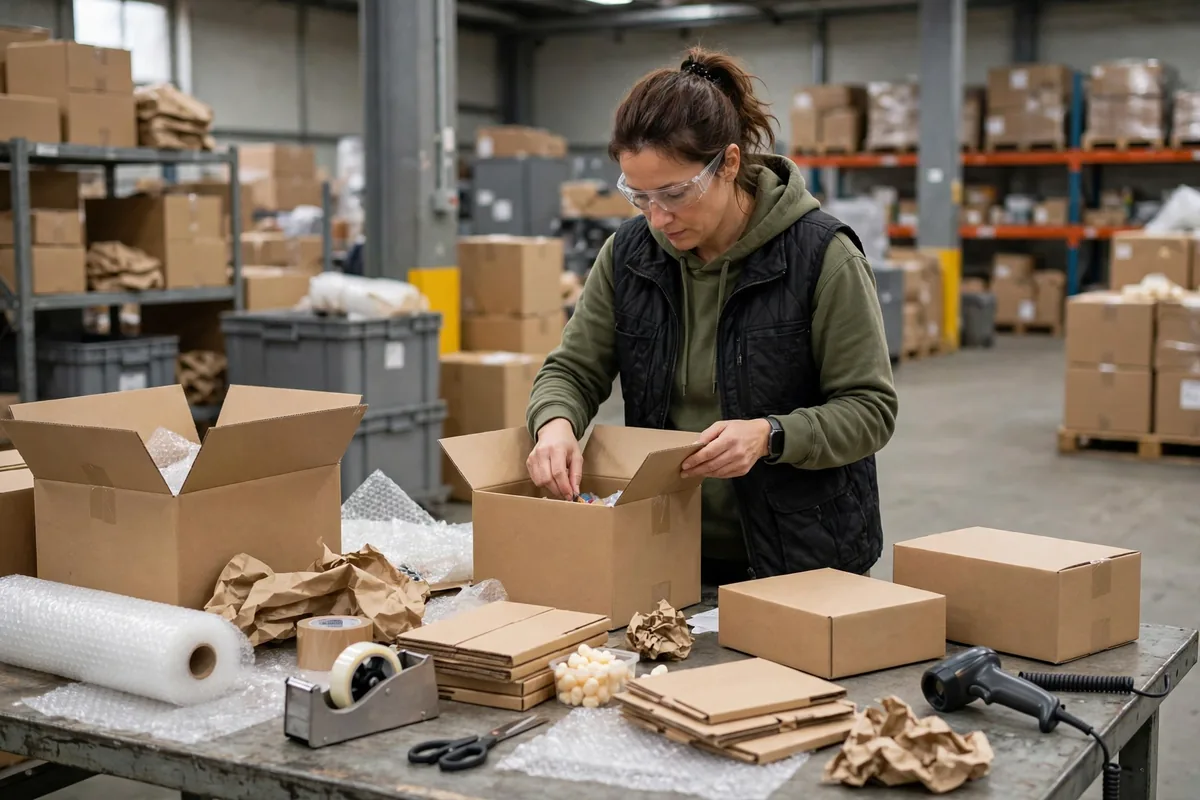
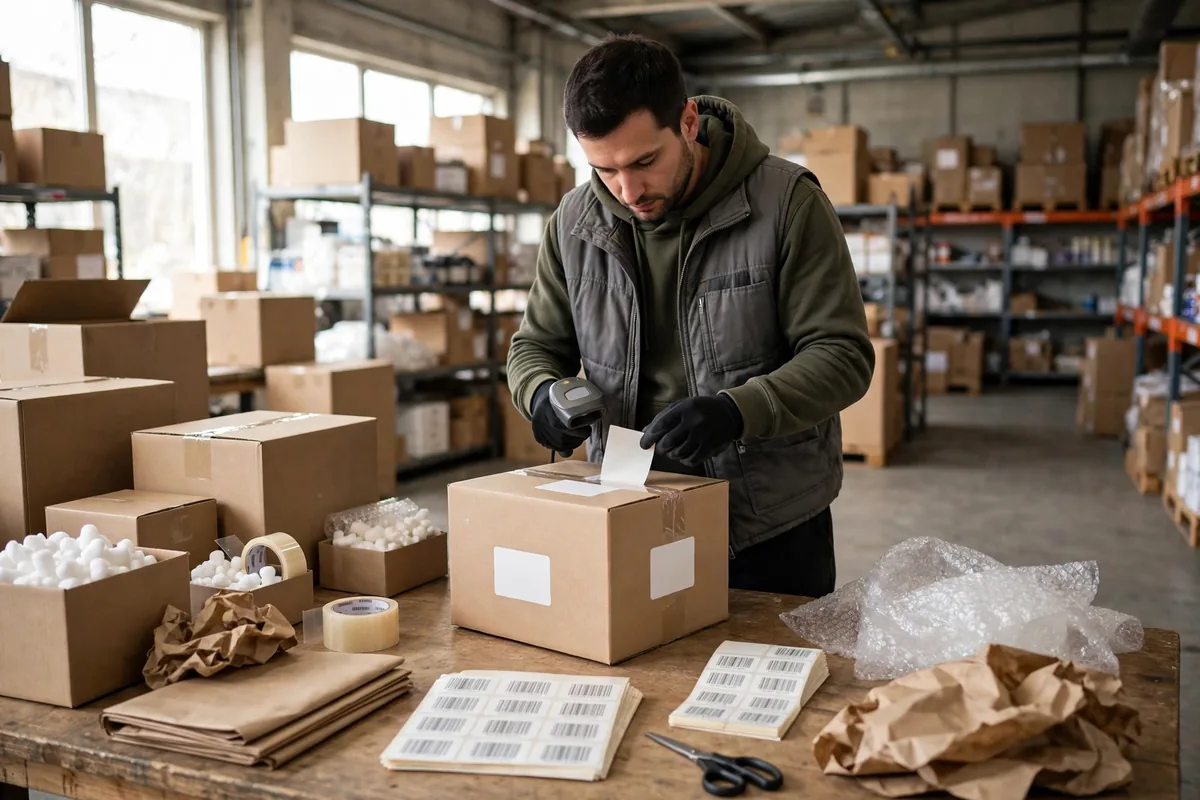
Here's another story from the warehouse world. Last year a home-goods seller whose stock I often hauled got hit by a hijacker, and he had his appeal documents ready the same day. Why? Because every time a shipment came into his warehouse, he filed a set with it: purchase invoice, quality inspection report, product photos, packaging photos, all sorted by batch in one folder. The day the hijacker showed up, he pulled the whole appeal package together in half a day, and his listing was down for far less time than most sellers'. Compare that with the fellow shouting into his phone at the warehouse door: his invoices were with his accountant, his authorization letter was on an old computer, and his product photos had to be redone by a designer. Just gathering the material took him two weeks.
There is a trade-off here that most people never work out. Keeping files in order costs time: maybe an extra half hour per shipment, which feels like a chore. But when a hijacker hits, every day your listing is down costs you ad spend, storage fees, and ranking, and those add up to far more than that half hour ever did. The time you save by skipping the filing gets paid back with interest at the worst possible moment. And here is a counterintuitive point: the most convincing items in an appeal are often not the most formal documents. They are the most original ones: receiving photos with batch numbers on them, warehouse receiving records, close-up shots of your packaging details. Original traces are the hardest things to fake, and they are the best proof that the goods are really yours.
Do the math on what a hijacking actually costs, because it is not just the lost orders. Once the hijacker drags your price down, raising it back up makes your regular customers feel like you hiked the price. Once your ranking slips, you have to spend more on ads to buy the exposure back. It cascades. So the speed of your appeal is itself money: a complete package that goes through the first time gets your listing back a day earlier, and that day is one less day of burning ads and sliding rank. A thin package that gets bounced back for more evidence costs you days each round, and nobody can put a clean number on that damage afterward.
The appeal letter itself is another place people go wrong. Don't write it like a complaint letter. Reviewers read dozens of these a day and they have no time for your feelings. The letter should say three things: who you are, what the other seller did, and which page of the attachments proves it. Keep the tone calm, keep the facts specific, and include a contents list for your Amazon hijacking appeal documents so the reviewer can match everything at a glance. The documents are the main act; the letter is just the table of contents. Don't get it backwards. And one more trap: never bundle hijackers on different listings or different dates into a single appeal. One listing, one problem, one appeal. Mix them together and you will almost certainly be sent back and told to split them up and refile.
Advice for Sellers and Warehouses: Pin the Appeal Documents Checklist to the Wall
My advice to sellers is simple: treat your appeal documents as part of the goods themselves. Every shipment that comes in, the invoice, the authorization, the batch photos, and the inspection report go into the file before the stock goes on the shelf, and the folder gets named by batch, not by "roughly when." After you submit, don't just sit and wait either: keep your submission record and reference number, and if they ask for something extra, send exactly the missing item, not the whole package again. Resending everything only makes the file messier.
My advice to warehouses is just as practical: when you receive goods, take a few extra photos with the batch numbers visible, and keep the receiving records properly. The day a seller needs to file an appeal, being able to pull those out immediately is the most useful value-added service a warehouse can offer.
I'll leave you with an old saying that fits this exactly: good memory is no match for a bad pen, and a bad pen is no match for having everything ready in advance. You can't stop hijackers from showing up, but if your documents are ready, a hijacker doesn't scare you. The listing is yours, the brand is yours, the goods are yours, and with the evidence in order, the facts are on your side. Half an hour of filing now saves you weeks of downtime and a loss you can't even calculate later.
By Shifu Zhao, Trucking Veteran (15 yrs)