One morning in early September, I opened Seller Central and nearly spilled my coffee. My silicone water bottle, a listing I had been selling for two years, had lost the Buy Box. Next to it sat a seller I had never seen, priced 3 dollars below me. Zero orders that day. Zero the next day too. A hijacked listing appeal used to feel like somebody else's problem, until it showed up on my own listing and I realized that a seller with no evidence folder spends the whole first week running in circles.
Here is the painful math. That bottle normally did about 40 orders a day at 25 dollars. Over the 5 days I lost the Buy Box, I picked up only a handful of stray orders. At my normal volume, that is close to 200 orders gone. Nobody changed the rules on me. Somebody just parked on my listing and started eating my lunch. And my first mistake was rushing to file the appeal while my evidence was scattered everywhere.
First, figure out which hijacker you have
There are three kinds, and they need completely different playbooks. Get this wrong and you waste the whole week.
The first kind sells fakes. They attach to your ASIN and ship junk: rough packaging, no logo, batch codes that do not match yours. This is the easiest fight. The evidence is hard and Amazon moves fastest on it.
The second kind sells genuine stock. They got your real product from somewhere and undercut you on price. This one is the hardest, because the goods are real, so a counterfeit claim goes nowhere. You have to fight it on authorization and distribution instead.
The third kind does not sell anything. They edit your listing: the title, the images, the detail page, steering traffic somewhere else. A friend of mine in Shenzhen got hit this March. His yoga strap title was changed overnight to another brand's name and two images were swapped. He caught it early and used his Brand Registry content controls to fix it the same day, losing less than a day of traffic. Catch it late and you rebuild ranking from scratch even after the fix.
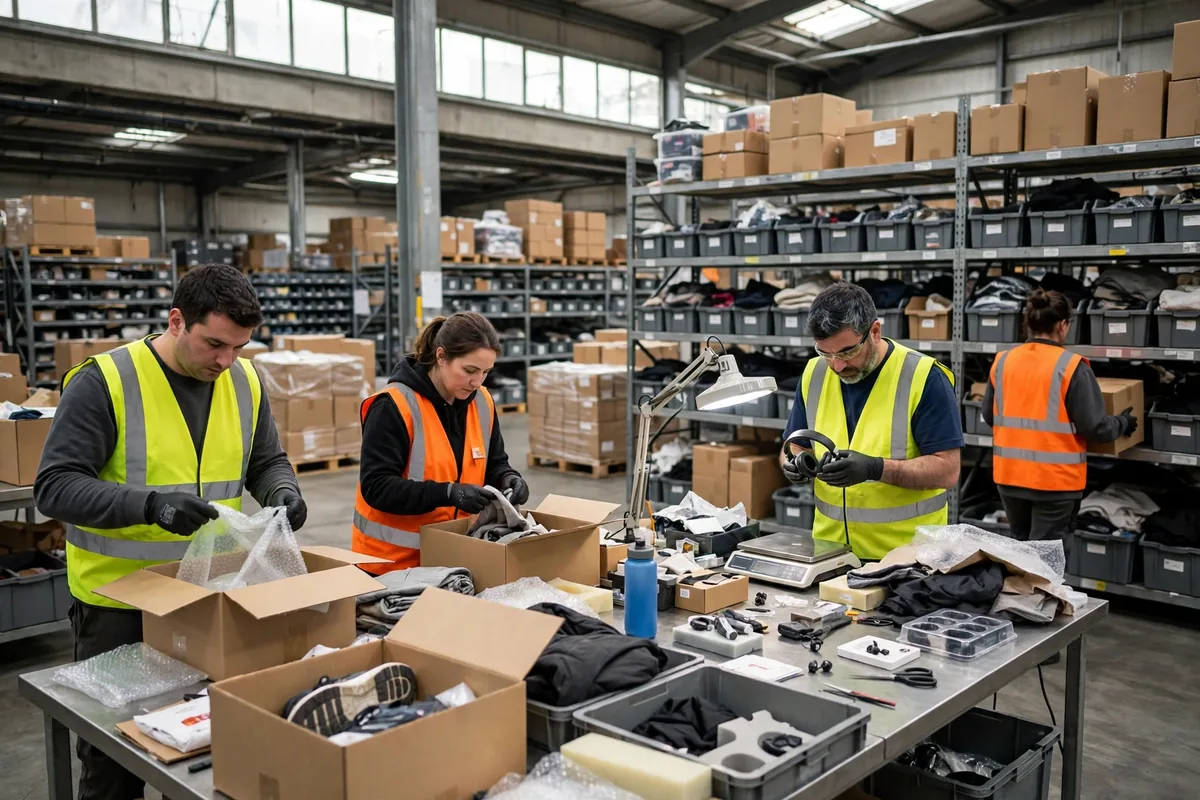
My bottle was the first kind. I spent a dozen dollars on a test buy from the hijacker, and the moment the parcel arrived the story was obvious: no logo embossed on the bottle, packaging so thin you could see through it, batch codes from a completely different series than my factory run. Best money I spent that week, because that order became the hardest piece of evidence in my appeal.
The hijacked listing appeal evidence checklist: 7 items, miss one and you start over
Here is the counterintuitive part: an appeal does not start with the letter. It starts with the evidence file. No matter how emotional your letter is, the review team only reads the documents. My checklist, in order:
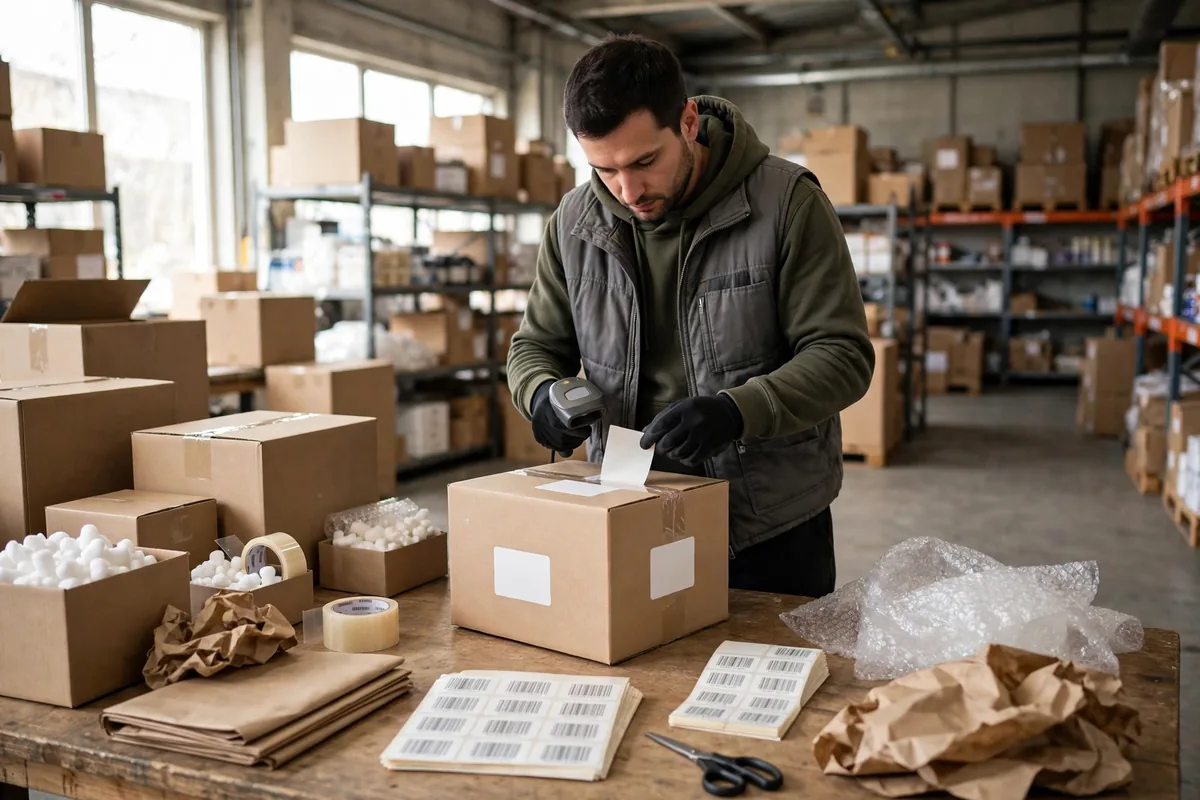
One, the test buy order ID. Order one unit from the hijacker and keep the order ID. It is the anchor of the whole case. Without an order ID tied to a real transaction, most hijacker cases never get off the ground. When it arrives, photograph everything before you think about returning it.
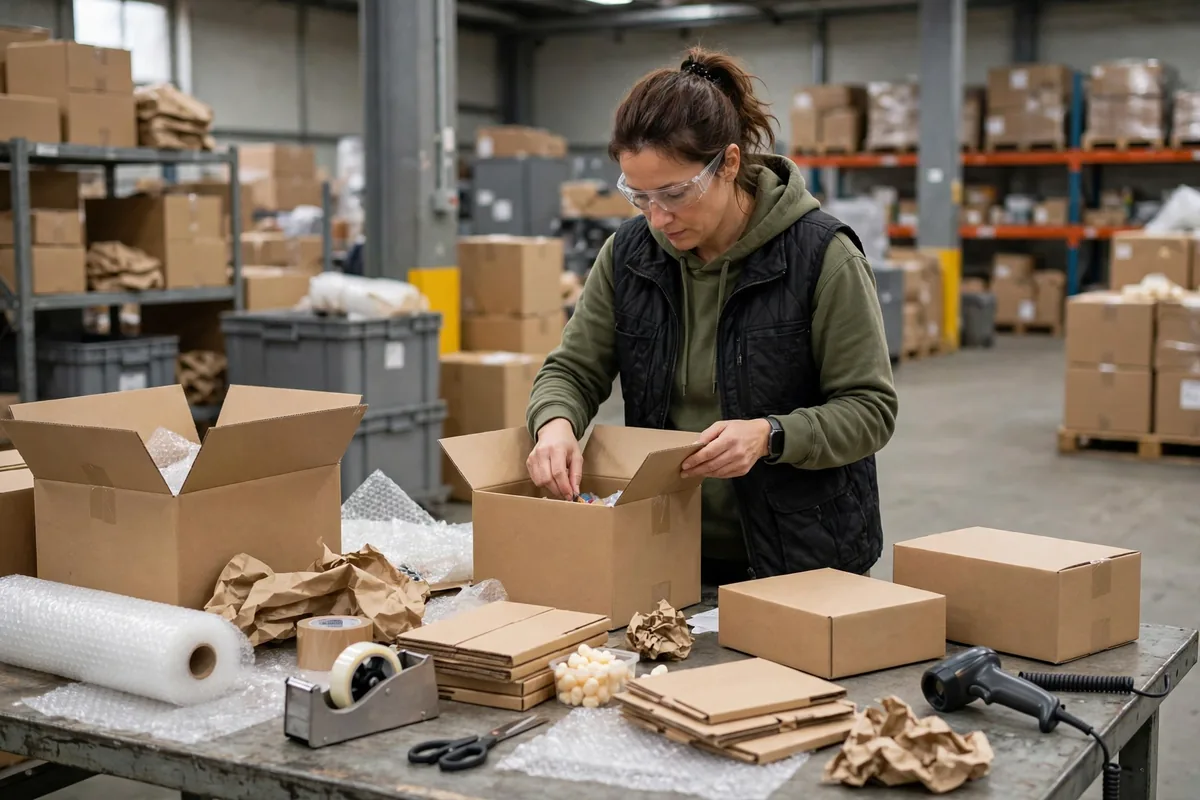
Two, an unboxing video and photos. Film the whole opening: the carton, the shipping label, the product, the logo placement, the batch code. Then put your genuine product next to it and shoot the same angles again, side by side.
Three, your trademark certificate. Brand Registry accepts a registered trademark or a pending application, and the brand name has to match your listing exactly. One word off is one of the most common reasons applications get bounced. If you are not in Brand Registry yet, fix that first. It is the foundation of every enforcement move you will ever make.
Four, supplier invoices. If the hijacker claims your goods are fake, or Amazon asks you to prove your supply chain, the invoice is the answer. One detail matters: invoices should be dated within 365 days and must show the product name, quantity, and the supplier's contact details. Miss one field and it may not count.
Five, timestamped screenshots. The hijacked listing page, who holds the Buy Box, the other seller's name and storefront link, with the date visible in the shot. In a few days the hijacker may be gone, but your screenshots keep the scene as it was.
Six, your Brand Registry enrollment confirmation. Attach it so the reviewer knows in one glance that you are the brand owner, not someone picking a fight.
Seven, the case ID. Write down the Case ID for every submission and every conversation. Hijacker cases rarely end in one round. The second and third rounds run on that number.
Keep all seven in one folder, clearly named, sorted by date. Every hero product of mine has one now. The day a hijacker shows up, I can file within half a day. The first time, I spent two days just hunting down invoices.
Writing the hijacked listing appeal letter: three paragraphs, no essay
Once the evidence is ready, the hijacked listing appeal letter is the easy part. Remember who reads it: a review team, not a chat agent. Three parts, the structure Amazon itself recommends:
First, the root cause. What happened: which ASIN, which seller, when it appeared, how you found it. Facts only, no feelings.
Second, the corrective actions you have already taken. The test buy is done, the counterfeit is confirmed, the violation report is filed with Brand Registry. Write what you did, not what you plan to do.
Third, preventive measures. How you will stop it next time: regular listing monitoring, Brand Registry content protection switched on, a test buy for every new launch. The reviewer needs to see this will not be back on their desk next month.
Keep the whole letter under one page and put the key points first. My first appeal letter ran two pages with half a page complaining about the platform. It came back rejected for "insufficient evidence." The second version was half a page with the evidence list up front, and it passed the first time. The letter is the supporting act. The evidence is the show.
Rejected? Do not resubmit the same letter
A rejection is not the end. A hijacked listing appeal rarely ends in one round, and most sellers lose the case after the rejection, not before it. Read the rejection reason word by word, fill the exact gap, and only then file again. Sending the same letter unchanged is almost guaranteed to get rejected again.
If the case goes quiet for 72 hours, follow up inside the same case or escalate through Brand Registry support. If two rounds still go nowhere, consider a higher escalation channel, but bring new evidence every time. Never escalate empty-handed.
And three red lines. Do not open a new seller account to keep selling. Amazon links accounts by tax ID, bank details, and device fingerprints, and a new account can kill any chance of saving the old one. Do not file reports you cannot prove; false reports come back on your own account. And do not send threats to the hijacker. Save that energy for the evidence file.
Run the numbers and you will see why delay is expensive. Hypothetical example, for illustration only: a product doing 40 orders a day at 25 dollars loses half its Buy Box share, which is 20 orders and 500 dollars a day, or 3,500 dollars in a week. That does not even count the ranking slide and the organic traffic that slides with it. So prepare the folder now, while nothing is wrong, and you can move the day a hijacker appears instead of digging for invoices after a week of lost sales.
This one I tested myself: evidence first, everything filed at once, three paragraphs. One thing you can do tomorrow: put the trademark certificate, the last year of supplier invoices, and screenshots of your hero listings into one folder. Hijackers are unavoidable. Sellers who are ready send them packing within a week.
By Ah K, E-commerce Seller (5 yrs)