An amazon counterfeit complaint appeal warehouse evidence case landed in my inbox on a quiet morning in April 2026. A small home appliance I had sold for almost two years was suddenly flagged as counterfeit, the listing pulled down, and my ads kept burning money. My first thought was that the month was ruined. My second thought was to check the warehouse: did I still have the purchase orders, the inbound photos, and the batch numbers? Luckily I did, and the listing came back three days later. This is that experience, broken down into something you can actually use.
Here is the counterintuitive part: most sellers think an appeal is about writing a sincere apology letter. It is not. The people reviewing appeals read hundreds of letters a day, and sincerity is the cheapest thing in the pile. What gets a listing back is a chain of evidence that locks together: where this batch came from, when it entered the warehouse, which batch it was, what it looked like, and who received it. A purchase invoice only proves you bought genuine goods once. Warehouse evidence proves the units you shipped were the genuine ones. The invoice is the starting point, not the finish line.
What Counts as Warehouse Evidence in an Amazon Counterfeit Complaint Appeal
I have watched too many sellers get a complaint and spend the whole night writing an appeal letter, only to realize they hold nothing but an invoice. Flip the order: build the evidence first, then write. The chain has four links, and a missing one can get the appeal rejected.
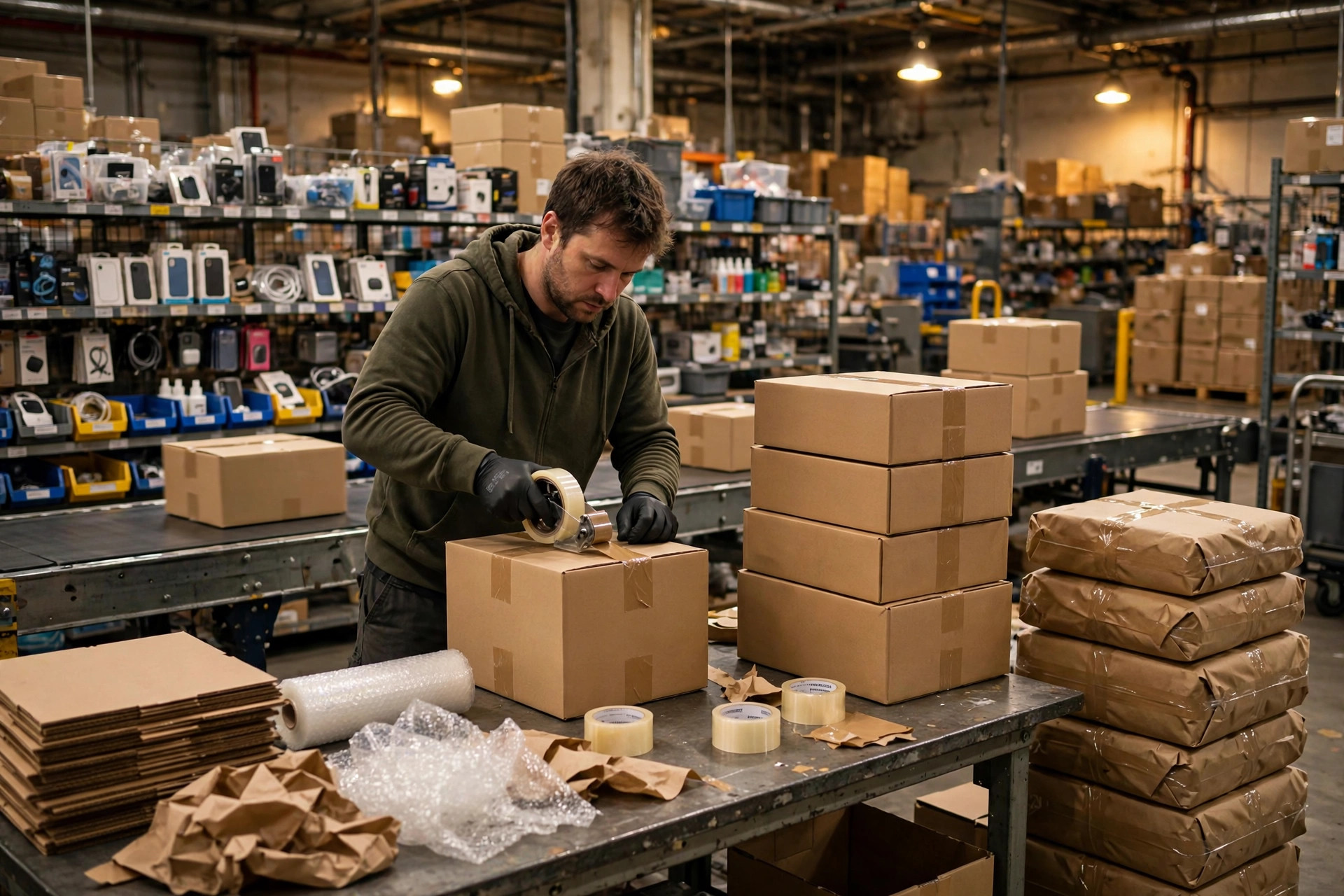
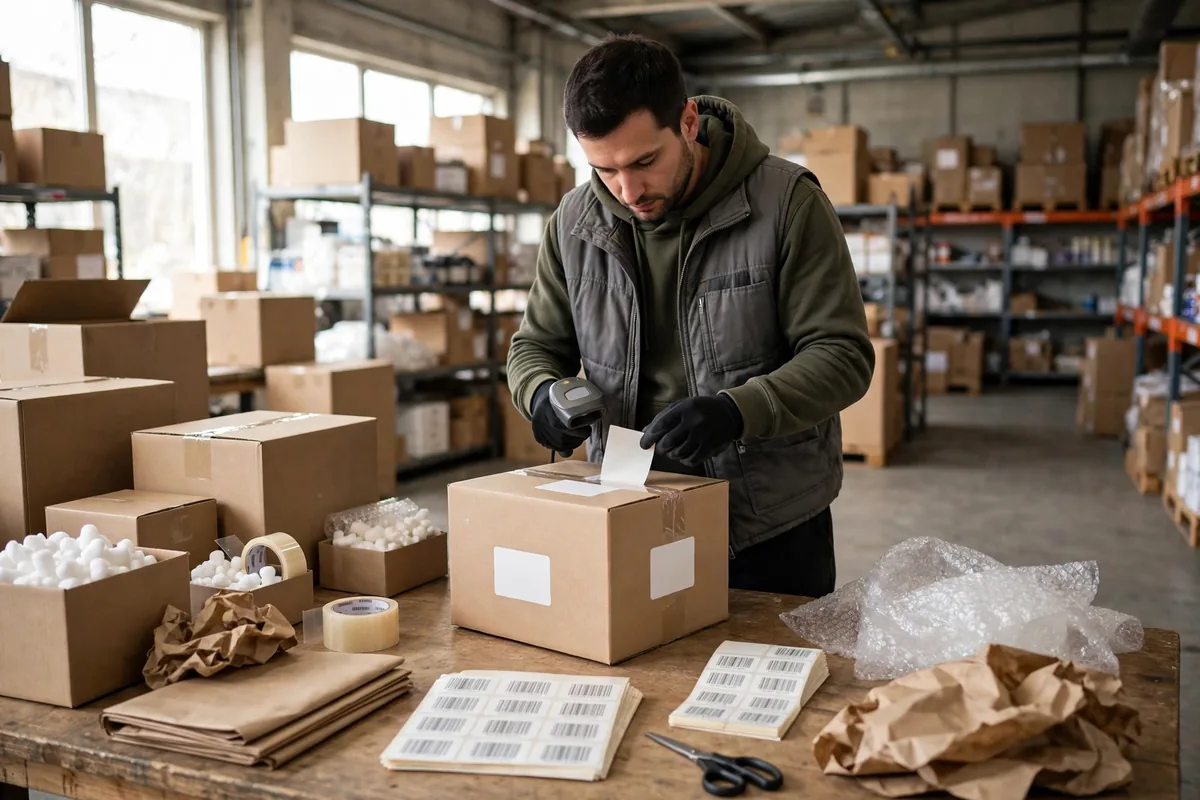
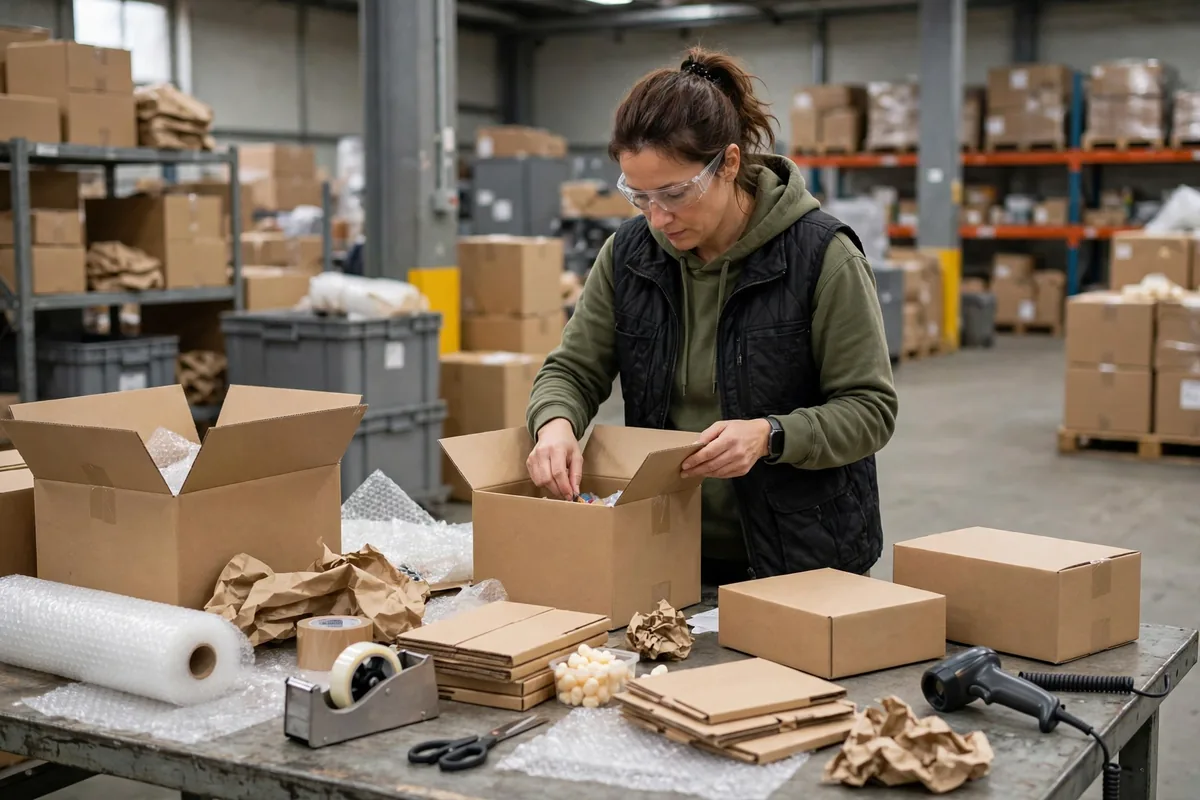
The first link is procurement: the supplier contract, purchase order, payment proof, and the brand authorization letter. Check that the authorization covers the brand you sell and the time period in question. An expired authorization from last year is useless. The second link is receiving: the delivery receipt from the day the goods arrived, photos of the unboxing, and close-ups of batch numbers and production dates. Photograph the outer carton label and the product itself, not just a box. The third link is storage: inbound records, bin locations, and pick records proving the batch stayed under your control and was never mixed with other stock. The fourth link is sales: the order numbers, ship times, and tracking numbers for that batch, proving the orders named in the complaint were fulfilled from that exact batch.
A real case: in November 2025, a friend in Shenzhen selling Bluetooth earphones got hit with a counterfeit complaint. He submitted only a purchase invoice, and his appeal was rejected twice. On the third try he changed tactics. He attached the unboxing photos from receiving day, batch-number close-ups, warehouse outbound records, and the tracking numbers for the disputed orders, forming one unbroken chain from supplier to buyer. The listing was restored within a week. He later told me the reviewer feedback said his earlier materials could not prove the source of the complained batch. That is the standard your amazon counterfeit complaint appeal warehouse evidence has to meet: not a stack of papers, but a chain where every link names a date, a batch, and a document.
How to Write the Appeal: A Three-Part Warehouse Evidence Structure
Once the evidence is assembled, the Plan of Action practically writes itself. I always use the same three-part structure.
Part one states the root cause without dancing around it. Name the batch, when it was listed, and which orders the complaint points to. Then say what you found: a batch registration error, a supplier packaging change that was never synced, or a bad-faith complaint. Be specific. Writing "our management was poor" says nothing.
Part two lays out the evidence chain in chronological order: purchased from a named supplier on a given date, invoice number attached; received on a given date, receipt and batch photos attached; shipped on a given date, pick records and tracking numbers attached. For each item, say what it proves. Do not dump a pile of attachments and make the reviewer guess. Name the files properly too: "2026-03-receiving-batch-XXX-unboxing-photo" beats "image 1" or "new document" every time.
Part three lists preventive measures, and they must be things already in motion, not promises. For example: every batch gets a batch-number photo at receiving and the photo is archived; supplier authorizations get a renewal reminder 30 days before expiry; brand registry details are checked before any new listing goes live. Reviewers can tell which measures are real and which are theater.
Here is my own example. In March 2026, a small home item of mine was flagged. I had complete receiving photos, but my outbound records were screenshots from the warehouse system with no batch numbers on them. The first appeal was rejected because the outbound link was broken. I went back, had the warehouse re-export the pick records for those orders with batch numbers included, and the second appeal passed. The lesson: a chain is only as strong as its weakest link. One broken link means no chain.
Time to run the numbers. The figures below are an illustrative scenario, not industry benchmarks: imagine a product selling 40 units a day at 25 dollars. Seven days down costs roughly 7,000 dollars in lost sales, before counting wasted ad spend and the slow climb back up the rankings. What does keeping the evidence chain cost? Ten extra minutes per batch for photos, one row in a spreadsheet for batch details, a calendar reminder for authorization renewals. Almost nothing. That math makes the point: the evidence chain is not a lifeboat you build when the complaint arrives. It is a habit you keep all along. Digging through three-month-old receiving records after the fact is luck, not process.
| Evidence link | Key documents | What it proves | Where it lives |
|---|---|---|---|
| Procurement | Contract, invoice, payment proof, brand authorization | The source is legitimate | Finance folder |
| Receiving | Delivery receipt, unboxing photos, batch close-ups | This batch is genuine | Receiving archive |
| Storage | Inbound records, bin locations, pick records | Nothing was swapped or mixed | Warehouse system |
| Sales | Order numbers, ship times, tracking numbers | The disputed orders shipped from this batch | Order system |
The Trap to Avoid in Your Amazon Counterfeit Complaint Appeal
One last trap, and the easiest to fall into: never include anything in your appeal that you are unsure about. A dubious authorization letter or an invoice with dates that do not line up is worse than missing evidence. Once a reviewer spots a fake document, the problem stops being about one listing and starts being about the account.
Also, timelines, penalties, and document requirements in the appeal process change by marketplace and over time. Always follow the latest policy in Amazon Seller Central, and ignore the forum wisdom about guaranteed three-day reinstatements. When the policy changes, your template has to change with it.
This approach worked for me, but only because the evidence chain was already there when I needed it. When you put your amazon counterfeit complaint appeal warehouse evidence pack together, think of it as a file a stranger can follow without calling you: dates in order, batch numbers on every page, each document labeled with what it proves. Starting today, do two extra things for every batch that arrives: take one unboxing photo showing the batch number, and log one row of batch information. The day a complaint actually lands, you will be glad you did.
By Ah K, E-commerce Seller (5 yrs)