Last fall, my neighbor Lao Zhou called me in the middle of the night, his voice almost gone. Amazon account linking had hit him, and both of his seller accounts were locked at once. A whole row of unsold stock was sitting in the warehouse, and the money in his account could not be withdrawn. He asked me what to do. I told him I had no idea. My warehouse is only about three thousand square meters, and the little cash we have would not survive that kind of blow. After I hung up, I spent the night reading seller groups. This happens all the time. It just had not happened to us yet.
We are a small warehouse, and we cannot afford to burn money like that. A big company that loses an account has lawyers, backup accounts, and someone whose whole job is writing appeals. We have three or four people, a handful of computers, and one internet connection. For a big seller, Amazon account linking is a compliance process. For us, it is the line between staying open and closing down.
The Five Association Factors Sellers Keep Tripping Over
The association factors sellers talk about most are not some secret technology. They are the small, everyday shortcuts we all take. The first is the network environment. That was what got Lao Zhou. He and his cousin ran two accounts on the same broadband line, taking turns day after day. They figured they were selling different products, so it did not matter. From the platform side, though, it looked like two accounts sharing one network. Sharing a network between two accounts is not like sharing water or electricity. Sooner or later, it ties them together.
The second factor is payment information, and it is the one people overlook most. I know a seller of home goods who used the same bank card for two accounts, because opening another account was a hassle and one fewer card meant one fewer annual fee. Then one account got flagged over a return dispute, and the other was pulled in before she had a chance to explain anything. Money is the worst place to cut corners.
The third factor is registration details: names, phone numbers, addresses, business licenses. They look like boring form fields, but they are how the platform tells people apart. Small teams often copy the first account's details when they open a second one, change the name, and leave the same phone number and the same warehouse address. A seller who came to pick up stock from my warehouse last year had done exactly that. To the platform, the same phone number plus the same address was more than enough to link the two accounts.
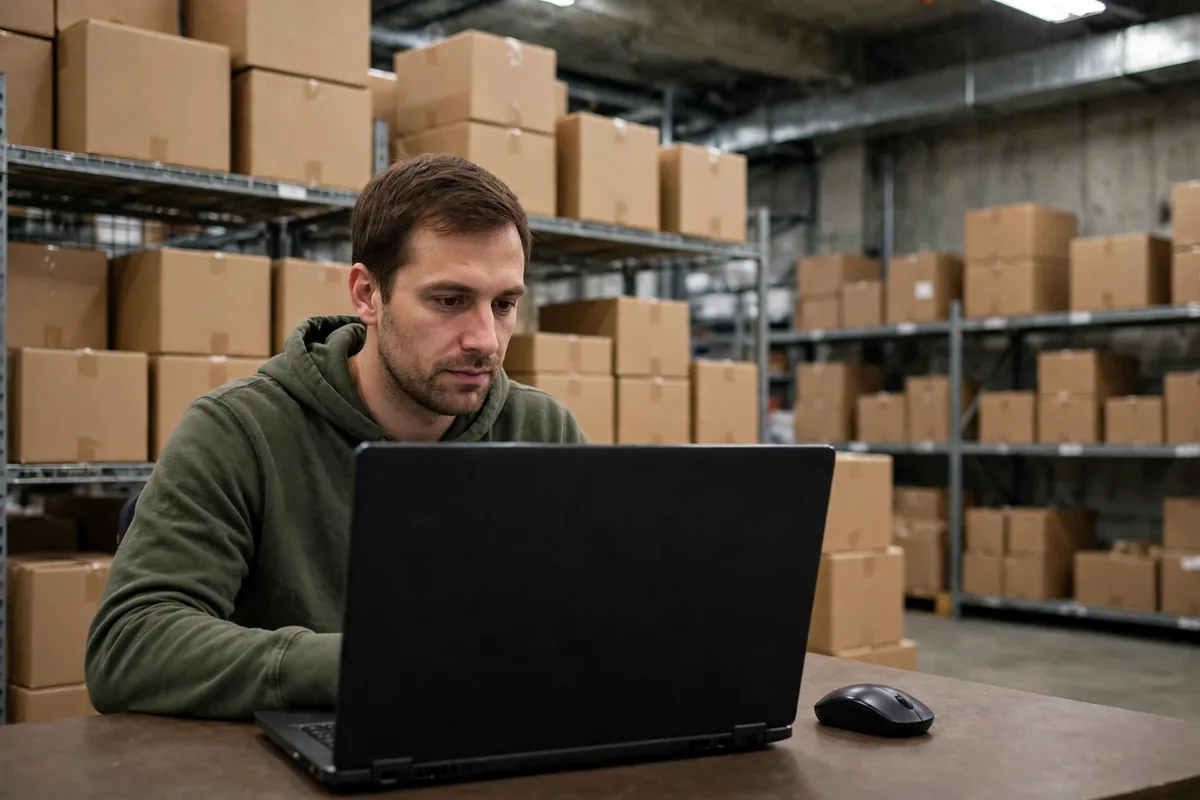
The fourth factor is the device and browser fingerprint. It just means the platform remembers which computer and which browser you used to log in. My warehouse has only three computers, and whoever is free uses whichever one is open. For a while I helped a seller friend check his inventory and logged into his account from my own computer. Once the same machine has logged into two accounts, clearing the cache or switching browsers does not erase the trace.
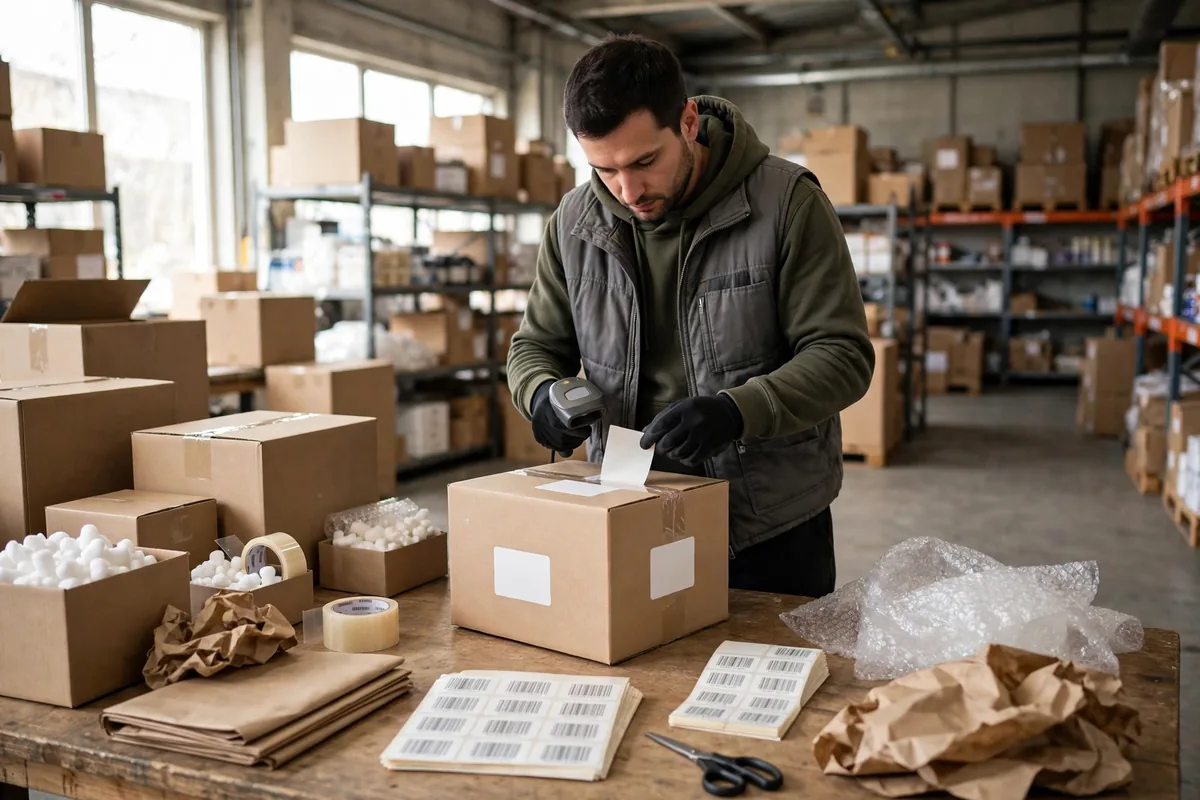
The fifth factor is logistics and the warehouse address, and this one hits closest to home for me. Two accounts ship from the same warehouse, use the same return address, and print the same phone number on the label. That happens in my warehouse every single day. A customer sends a return, it comes back to the same address and the same phone number, and over time the two accounts start to overlap on the logistics trail. It gets worse when the seller is also the warehouse owner and the stock for two accounts sits in the same storage location, with paperwork that does not say which account the goods belong to. Once the goods are mixed, the records are mixed, and the accounts are in danger.
None of these five factors looks frightening on its own. Put them together, and they are. Lao Zhou was caught by the network and the device at the same time, and his return address was the same for both accounts. The mistake small teams make most often is thinking that each little shortcut is harmless, until they have stepped into all five traps.
What Amazon Account Linking Actually Costs a Small Seller
How much does a small seller lose when an account is shut down? I am not going to invent a number, and the platform rules change, so check Amazon's latest official policy. But the loss breaks into three parts. The first is the stock sitting in the warehouse. After the shutdown it cannot ship and cannot easily come back, so it just sits there while the rent keeps running. The second is the money in the account. When you cannot withdraw it, the cash flow stops on the spot, and next month's wages and rent have to come from somewhere else. The third hurts the most, and that is the listing itself. A good listing is built over months, with reviews and ranking paid for in real advertising spend and real time. When the account goes down, that work is wiped out. That is why Amazon account linking is not a paperwork problem for a small seller. It is a cash problem, a stock problem, and a fresh start nobody asked for, all at once.
| Area | High-risk habit | Lower-risk habit | | Network | Two accounts sharing one connection and one computer | One account fixed to one connection and one computer | | Payment | Two accounts receiving money on the same bank card | A separate bank account for each seller account | | Registration | Phone number and address copied from the first account | Separate phone number and address for each account, kept on file | | Devices | Whoever is free logs in on the same computer | Labeled computers, one machine per account | | Logistics and returns | Same return address and phone number for everything | Return details separated, stock stored in separate zones |
Here is the part that goes against common sense: most people think the safest move is to separate absolutely everything. It is not. The more complete the separation, the more it costs and the more likely someone is to make a mistake when things get busy. During peak season, nobody remembers which computer belongs to which account, and one careless login ruins the whole system. A rough method you can keep using for three months beats a perfect plan you abandon after three days.
Our Cheap, Ugly Isolation System
Our method in the warehouse is simple, almost too simple to write down, but it works. We put labels on the computers. One computer logs into one account only, and the label sits right on the edge of the monitor, so anyone who uses the wrong machine is spotted at once. We split the network, with a second broadband line reserved for account work. It costs a little more each month, but compared with losing an account, I will pay it gladly. For payment and registration details, I keep a paper notebook: which account goes with which bank card, which phone number, and which address. Anyone new reads it before touching anything.
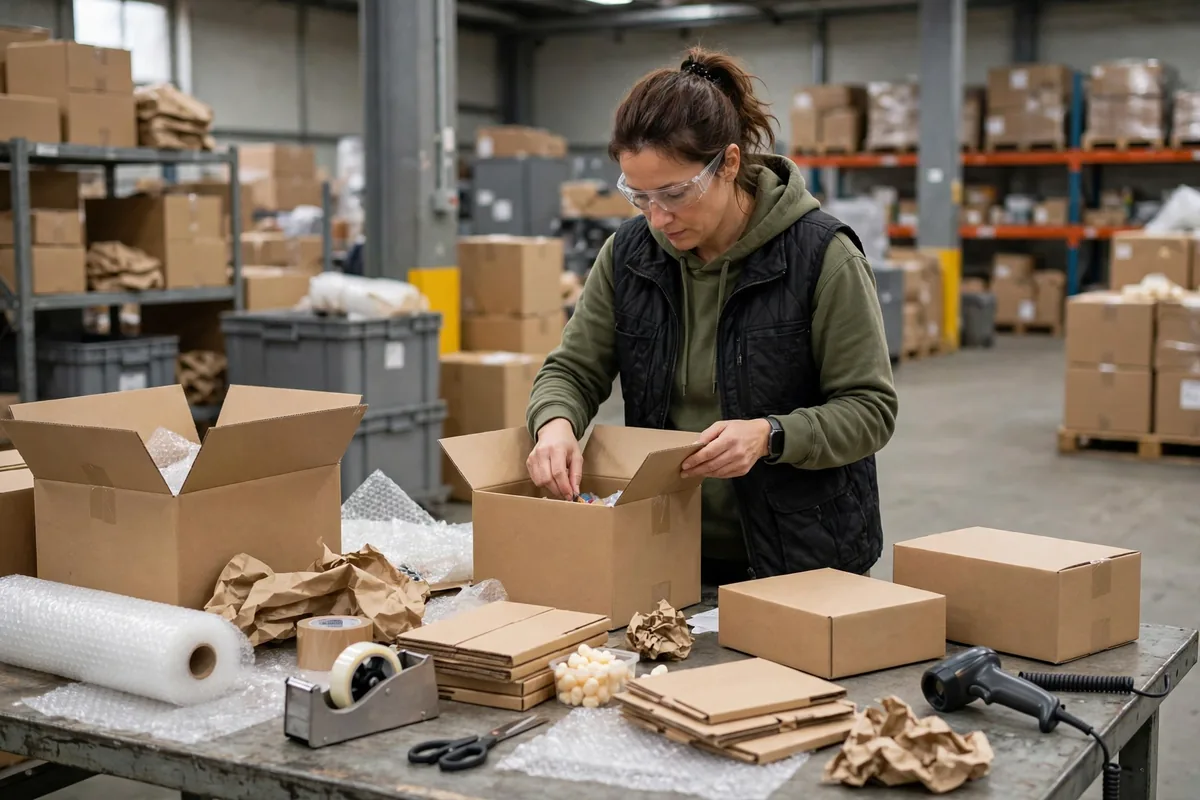
Inside the warehouse, we separate the stock too. Goods for two accounts go in different zones, returns are received separately, and the outbound paperwork says clearly which account the goods belong to. Where return details can be separated, we separate them. Where they cannot, at least the phone number and contact name are different. All of this takes maybe a dozen extra minutes a day, and that is a trade I can live with.
The result did not show up overnight. Since we split things up, our warehouse has not had a single case where one account dragged another one down because of shared use. When sellers come to pick up stock, I still ask them one extra question: have you separated your payment details and your phone numbers? The goods are sitting in my warehouse, and if something goes wrong, both of us are in trouble.
A small warehouse has its own way of surviving. We cannot hire a compliance team, and we cannot buy the system a big company uses. What we can do is guard the few places where mistakes happen most often, and keep using the rough methods we can actually stick to every day. Tomorrow you can do one thing: write down the bank card, the login computer, and the return phone number for each of your accounts on a single sheet of paper, and check whether anything overlaps. If it does, fix one thing first. Which of these factors are you least sure about?
By Xiao Ma, Small Warehouse Owner