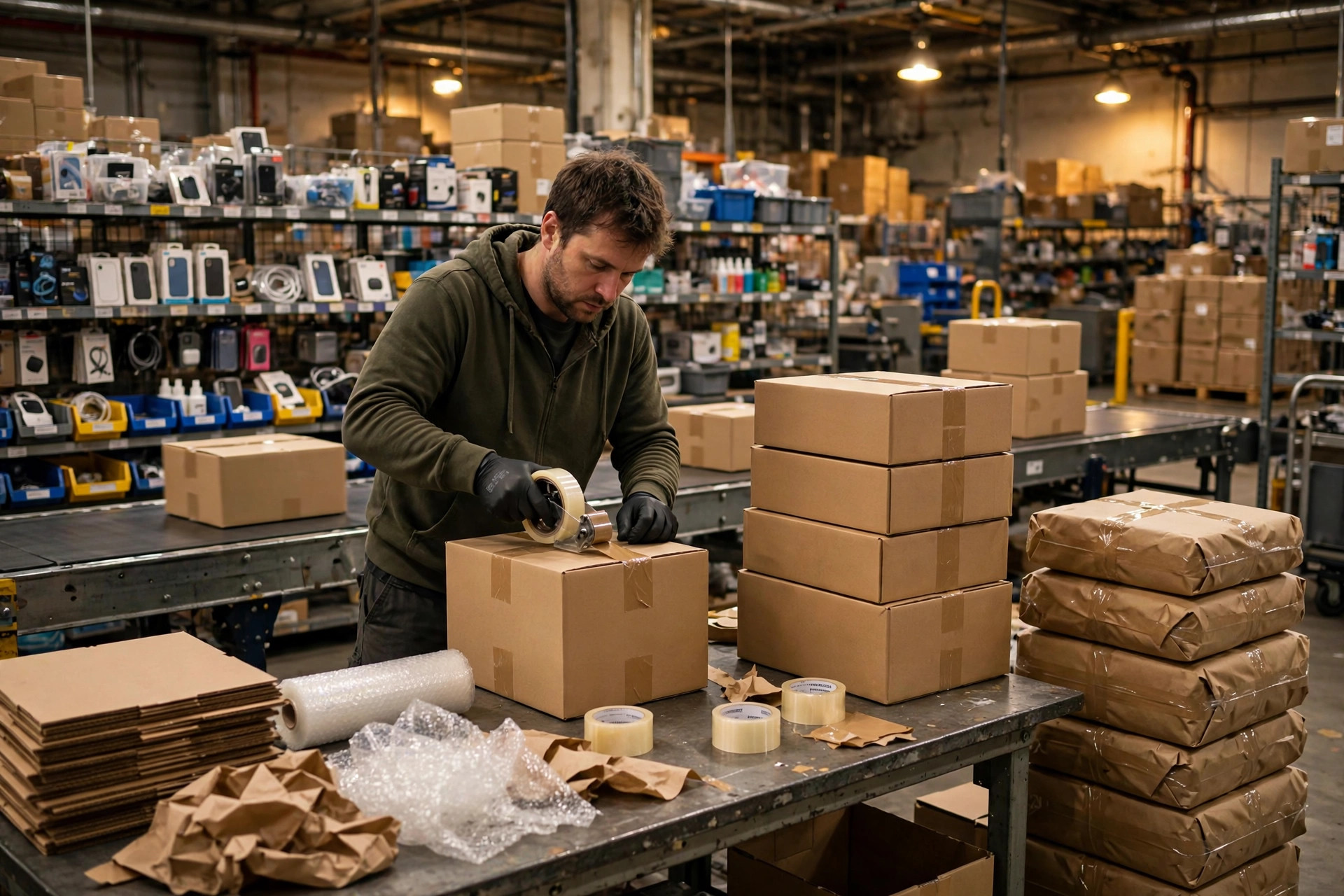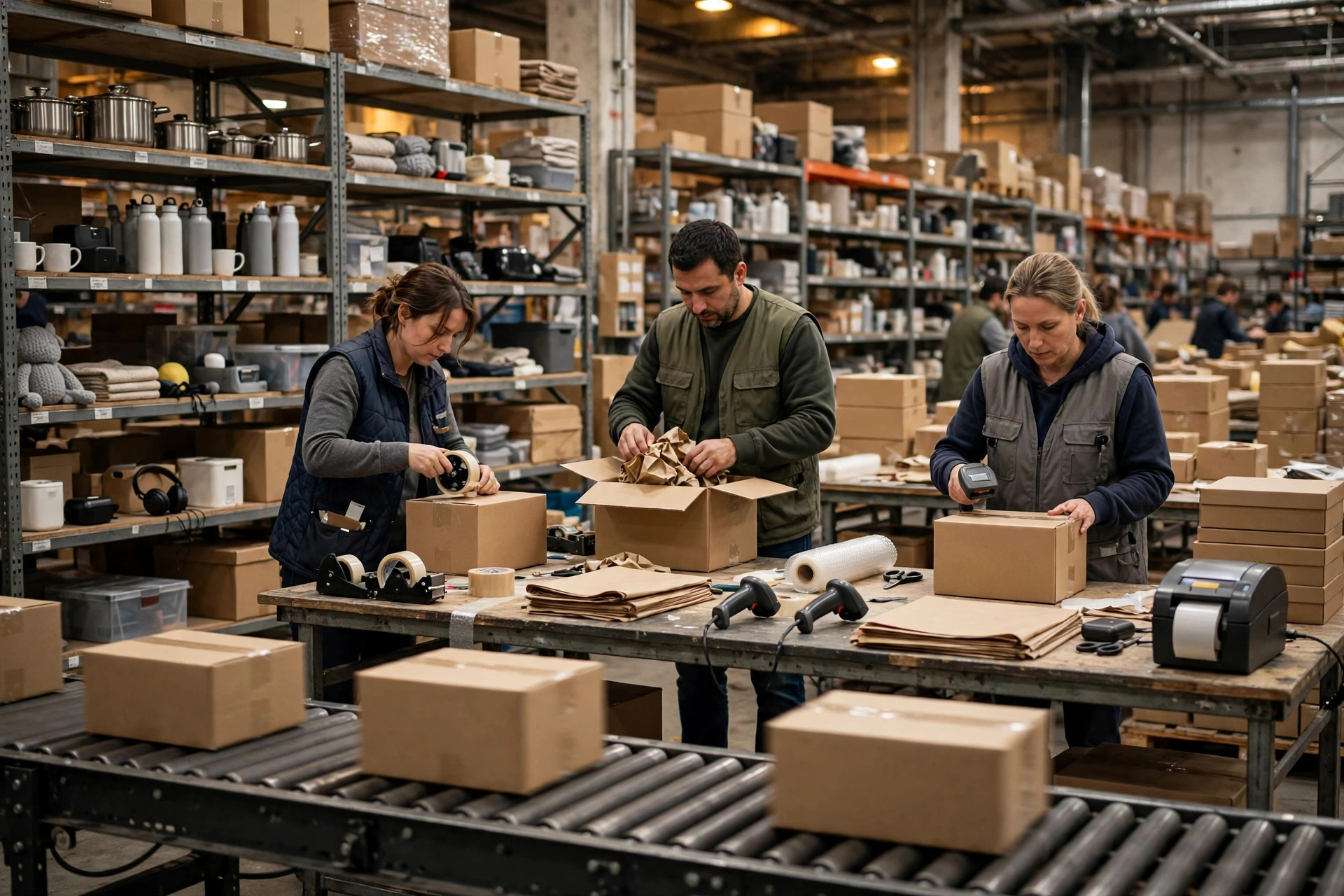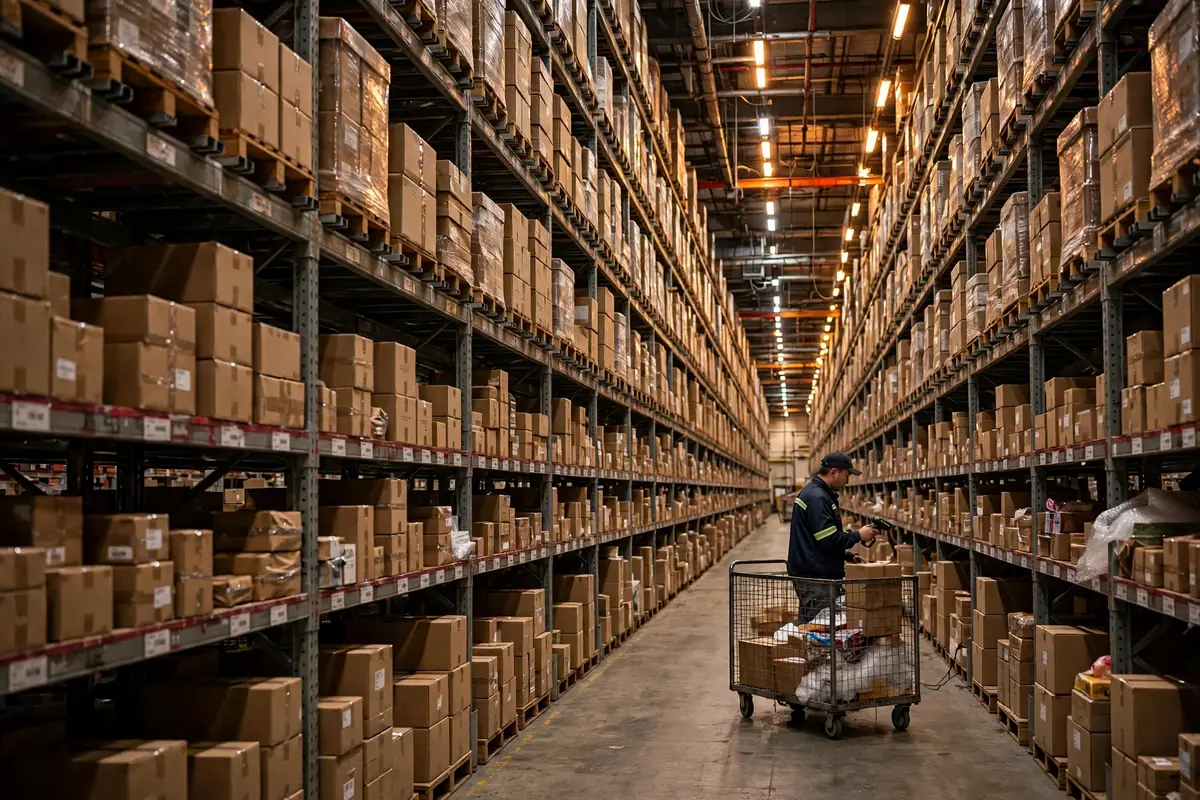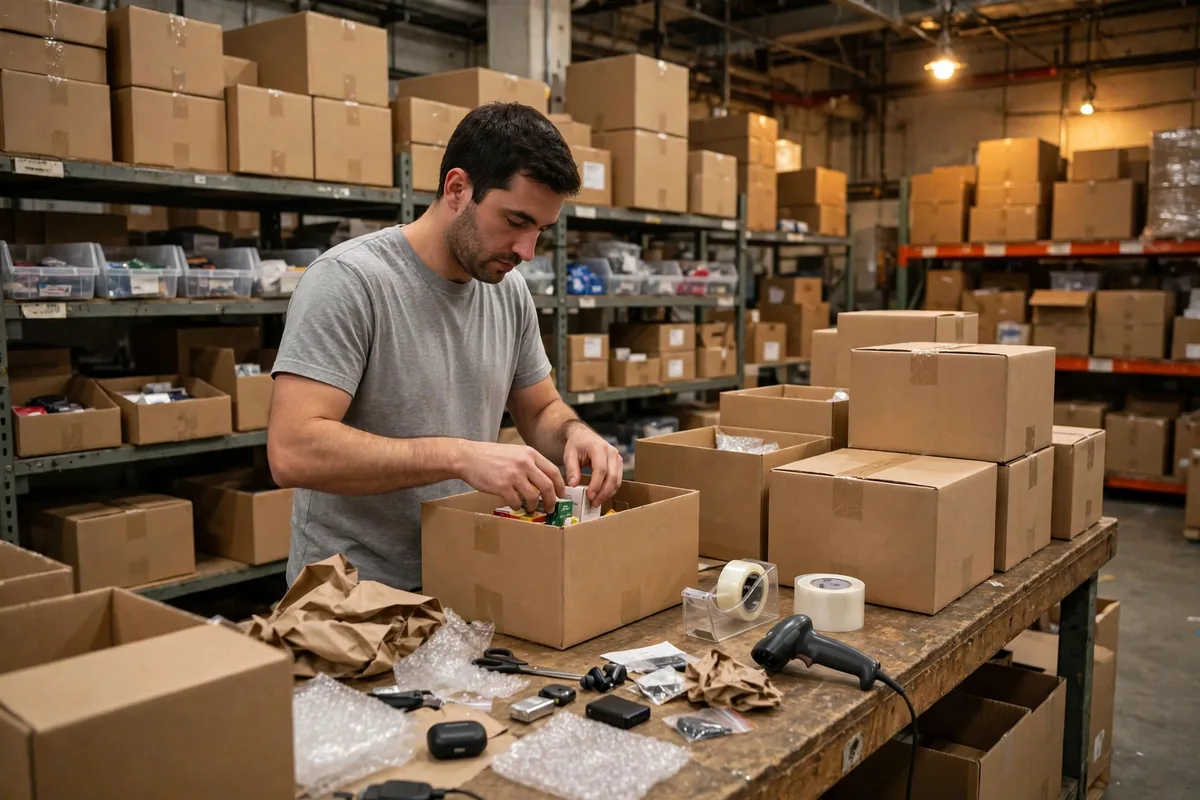
Let me start with a complaint: AliExpress seller warehouse fulfillment in the semi-managed era is genuinely great, and genuinely a trap.
The great part is real. When I moved one of my home-organizer listings to semi-managed, the exposure jump was visible to the naked eye. The trap is that all the stocking pressure lands on the seller. Under direct shipping, an order came in and I packed and shipped it — no inventory sitting in a warehouse. Under semi-managed, the goods have to be in the overseas warehouse first. No stock in the warehouse, no traffic for the listing. Too much stock, and your money is locked in a warehouse, unable to move. If you cannot do this math, your traffic goes up while your wallet gets thinner.
I have paid for this lesson twice. In the first half of 2025, I underestimated a storage-box listing by two weeks of stock, ran out right before a big promotion, and the listing fell out of the traffic pool. By the time the new shipment arrived and the listing climbed back, more than a month had passed — lost sales I still think about. The opposite mistake came with a seasonal small appliance: I stocked three months' worth based on peak-season volume, the platform changed its rules, traffic vanished, and the goods sat in the overseas warehouse for almost four months while storage fees kept coming. I sold them off at a discount in the end. Both mistakes taught me the same thing: stocking is not a bet on size, it is a calculation of probabilities.
My AliExpress Seller Warehouse Fulfillment Stocking Formula: Three Parts Added Up
My method is crude, but it works. Stock quantity equals three parts added together: ocean transit days, safety stock days, and the next replenishment cycle.
Ocean transit is the killer. From my domestic warehouse to the destination overseas warehouse, my own routes typically take 30 to 45 days, and port congestion in peak season can add another week or two — check your logistics provider's latest quote and transit times, because this number is not negotiable. Once the goods are on the water, no amount of chasing speeds them up. So the first step of stocking is to budget the full transit time, not the optimistic version.
Safety stock depends on how stable the listing is. For a steady old listing with stable daily sales, I keep about 10 days of safety stock. For a new listing that is just taking off, only 5 days — new listings can die overnight, and overstocking them is pure inventory. The replenishment cycle is the time from deciding to restock to the next batch being on the shelf, including production, quality checks, and domestic transport. I usually count 15 days for that (all figures here are from my own experience; routes and categories vary widely, so use your own data).
Here is a hypothetical example. A listing selling 50 units a day, with 35 days of ocean transit, 10 days of safety stock, and a 15-day replenishment cycle: the stock quantity is 50 times 60, or 3,000 units. That number looks scary, but that is the reality of semi-managed selling — your money spends at least two months sitting on a ship and in a warehouse. Work out this number before you switch to semi-managed, not after your cash is already trapped.
Overseas Warehouse vs. Direct Shipping for AliExpress Seller Warehouse Fulfillment
There is no standard answer here, only trade-offs.
An overseas warehouse means fast delivery and better traffic — buyers get their goods in a few days, returns are easy. The downside is that your cash is locked up, and a wrong stocking call hits you twice: dead inventory plus storage fees. Direct shipping from China means zero inventory pressure and light cash flow — you ship when an order comes in. The downside is slow delivery, and during big promotions, stretched delivery times bring bad reviews and refunds with them.
My approach is to split by tier. Best sellers go to the overseas warehouse, stocked using the formula above. Long-tail listings stay on direct shipping and sell slowly without tying up cash. Seasonal products get stocked six weeks ahead of the season, and at season's end I refuse to dump them at clearance prices — every unit sold at a clearance price is a loss dressed up as a sale. One more detail: do not mix overseas-warehouse stock and direct-shipping stock under different SKUs of the same listing. Once inventory gets tangled, stockouts and overselling will drive you crazy.
| Factor | Overseas warehouse | Direct shipping |
|---|---|---|
| Cash tied up | High — goods plus storage fees paid upfront | Low — ship only when ordered |
| Delivery speed | Fast, local dispatch | Slow, cross-border parcel |
| Traffic performance | Good, platform favors it | Average |
| Stockout risk | Real if you understock | Almost none |
| Best for | Best sellers, stable daily sales | Long-tail, new listings in testing |
I pull this table out every time I plan a product. Honestly, semi-managed selling is not about getting everyone to stock up — it is about letting the sellers who can do the math stock up. For everyone else, stocking is just working for the platform.
Three Pitfalls, All Paid for in Real Money
First, never stock based on peak-season volume. A peak is a peak, not a daily average. Stock for the peak and the off-season leaves you holding inventory. I now stock based on the average daily sales of the past 30 days, add a separate round before peak season, and would rather restock once mid-season than stock three months at once.
Second, watch the storage fee bill. Overseas warehouse fees are charged by volume and by day, so the longer goods sit, the more they cost. At the start of every month I pull an inventory turnover report, and anything that has not moved in 90 days gets a clearance plan immediately. Do not let it retire in the warehouse. Platform rates and storage rules change — always go by the latest policy on the official site — and when the rules change, my stocking model changes with them.
Third, keep a cash-flow floor. My rule is to always hold enough cash for two months of operating expenses, and no amount of stock is allowed to touch that money. I have seen too many fellow sellers with warehouses full of goods and no money left for ads. The listing loses traffic, the goods sell even slower, and it becomes a death spiral.
At the end of the day, the semi-managed era is not a contest of who is boldest. It is a contest of whose math is tightest. Stocking ends at cash flow, and as long as cash flow holds, a listing always has a chance to come back.
This one I have personally tested and it works: work out the stock quantity first, then decide whether to go semi-managed. If the math shows your cash flow cannot take it, stay on direct shipping until the listing is stable, then switch. Do not force it.
By Ah K, E-commerce Seller (5 yrs)