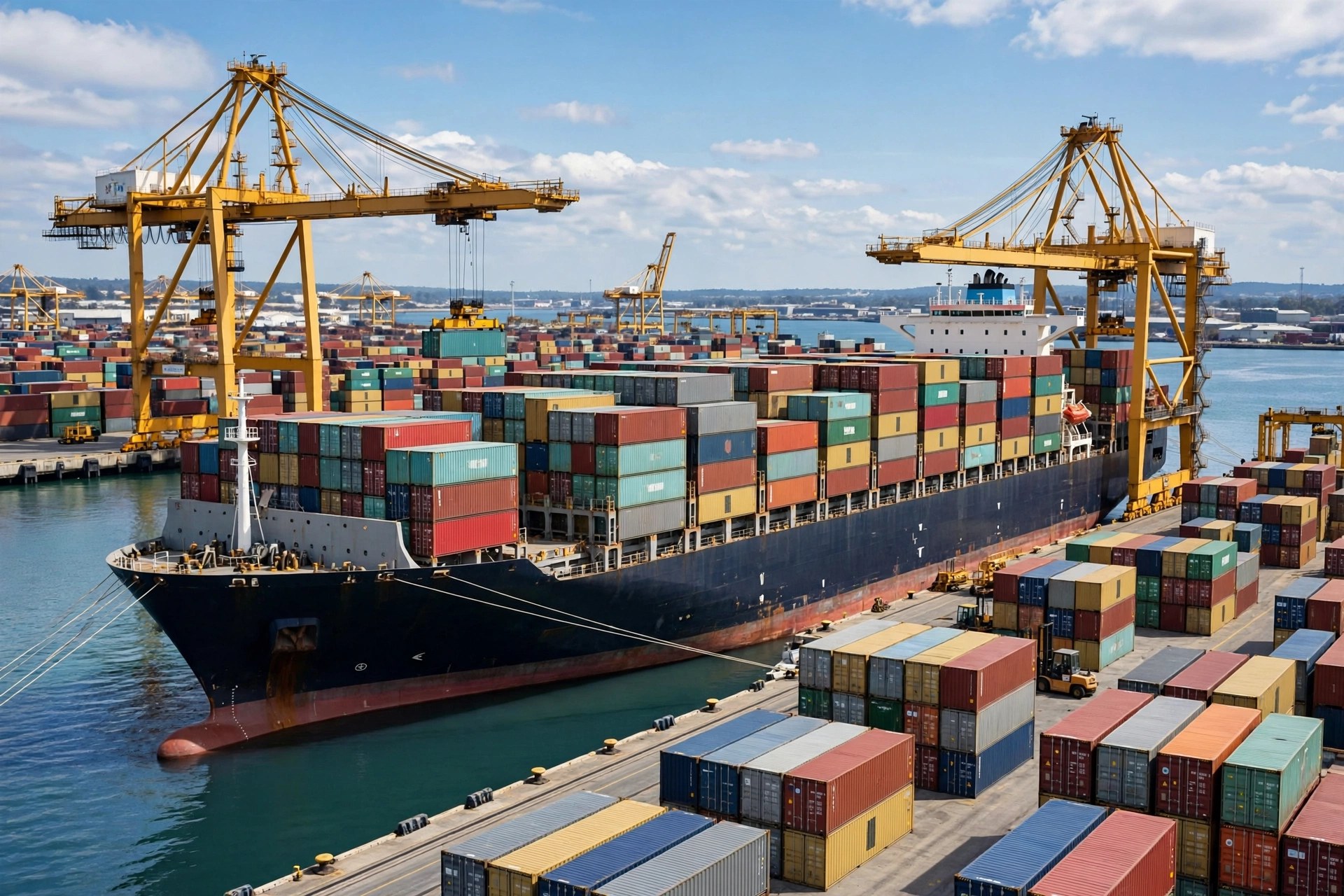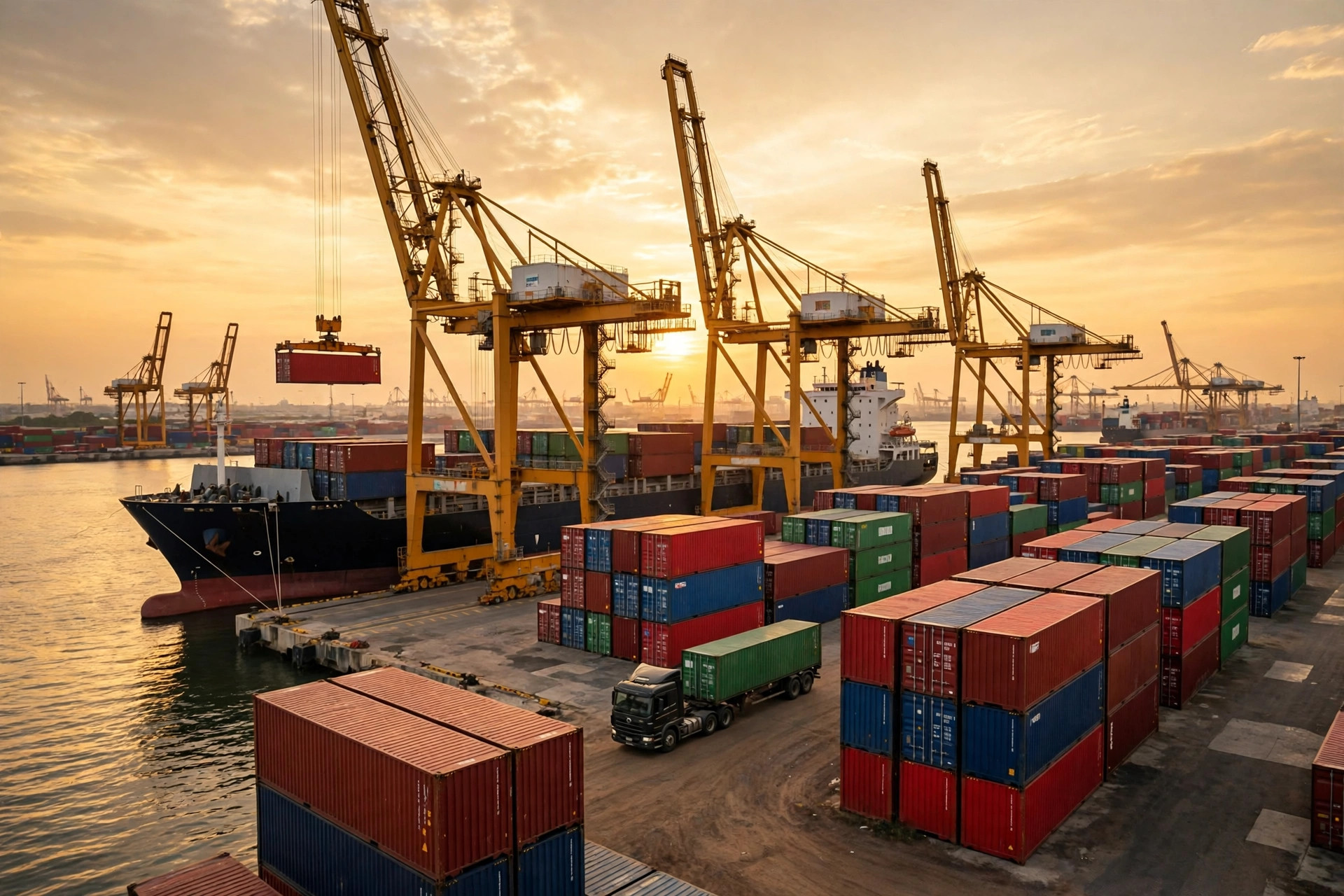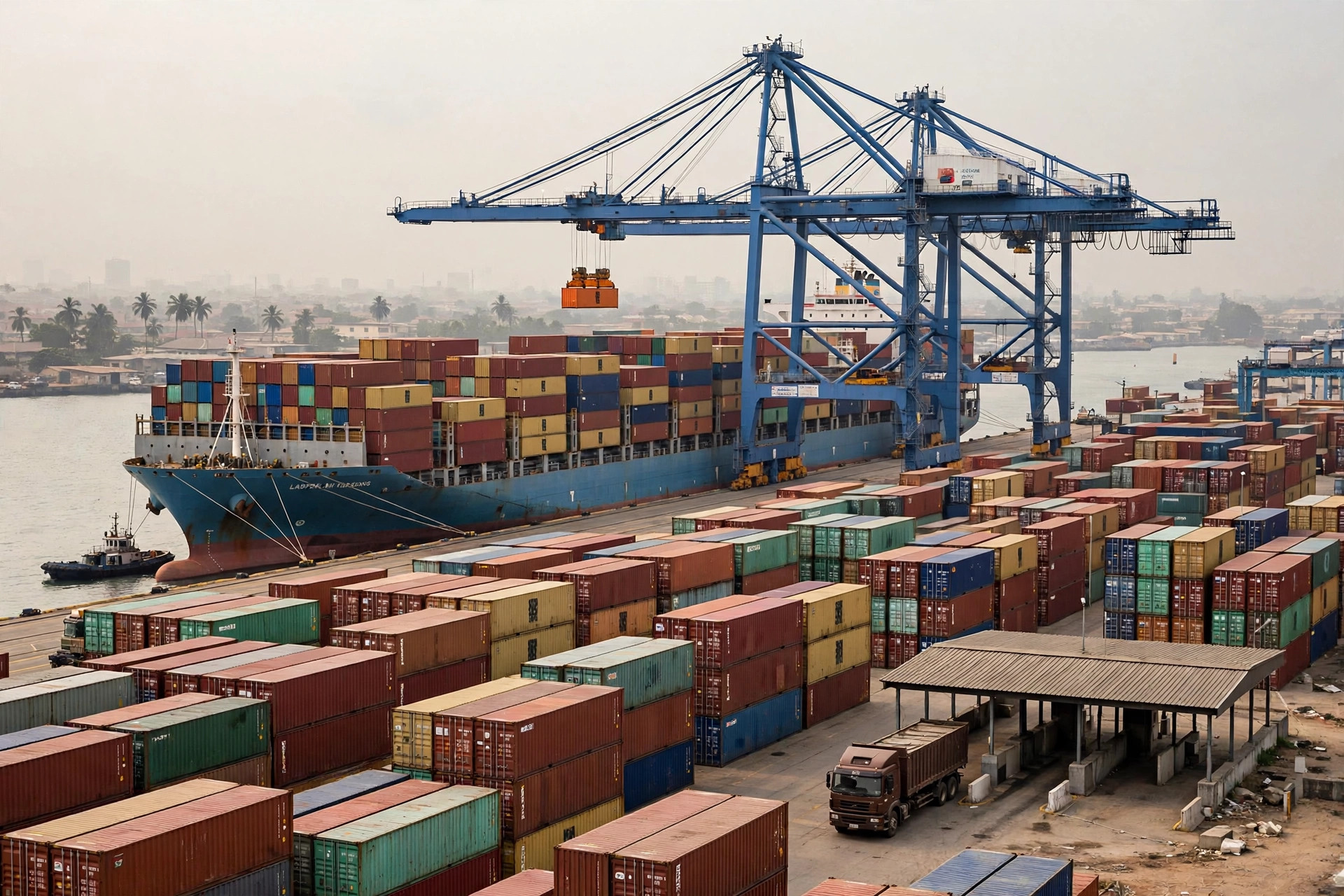
Let me start with the math: one 40-foot container, cargo worth $120,000. You pick the wrong customs broker, Customs flags it for exam, and it sits at the port for 7 days. Demurrage, exam handling, and rebooked drayage add up to $4,000–$6,000 without breaking a sweat — roughly what you might pay that broker in service fees for an entire year. Choosing a customs broker is not about saving a few hundred bucks on the entry fee. It is a bet on whether that $4,000 surprise ever happens.
Put plainly, a customs broker is not "the person who fills out forms." They are your legal agent in front of U.S. Customs. When something goes wrong, they get the first phone call from CBP, and they are the only ones who can speak to CBP on your behalf. Pick the wrong one, and every extra day your freight sits at the port is real money out of your pocket.
Take the Quote Apart Before You Look at the Total
The worst broker quote I have ever seen was one line: "Customs clearance service $350." Nothing else. I asked what an exam would cost, and the answer was "we'll see." Sign that quote and you are buying a mystery box.
An honest quote breaks down into these pieces:
| Fee item | What it is | What to negotiate |
|---|---|---|
| Entry filing fee | Per entry, normally a few hundred dollars | Ask whether ISF filing is included |
| Customs bond | Single-transaction vs. continuous bond | If you import regularly, continuous wins by a mile |
| Exam surcharges | X-ray / intensive exam handling fees | Get the exam pricing in writing, up front |
| Advancement fees | Fee for advancing duties on your behalf | Ask the rate — make sure it is not compounding daily |
| Storage/demurrage pass-through | Who fronts the money when freight sits | Ask the advance limit and notification timing |
| Other government agencies | FDA, EPA, and similar filings | Ask before you ship regulated goods — after-the-fact add-ons are the most expensive kind |
Pay special attention to the third row. Exams are low-probability, but when one lands on you it is 100%. A broker whose quote does not spell out exam charges is telling you: if there is an exam, I name the price.
On bonds: U.S. Customs requires importers to post a bond. One or two shipments a year, a single-transaction bond works; regular importers generally buy a continuous bond. Minimum coverage starts at $50,000, and the bond amount must be at least 10% of your estimated duties, taxes, and fees. Many brokers will buy the bond for you as a convenience — ask whether there is a markup buried in that convenience.
Thing One: Verify the Customs Broker's License Before Anything Else
Anyone conducting customs business in the United States must hold a license issued by CBP. The current system runs on a national permit framework — one national permit covers customs business across the entire U.S. customs territory. CBP publishes a public broker lookup by port. It does not endorse anyone, but it lets you verify a license is real.
Verification takes five minutes: ask for the license number and check it yourself. If they dodge the question, walk away. This one step filters out the freight forwarders who "also do clearance" on the side — and note, forwarder and broker are different jobs. Plenty of forwarders subcontract clearance, which means your entry passes through two sets of hands, and when something breaks, both point at each other.
You will also sign a Power of Attorney, the legal document authorizing the broker to transact customs business for you. Read the scope before you sign. Do not sign a version that reads like a blank check.
Thing Two: Ask Whether This Customs Broker Has Handled Your Goods
In this business, commodity experience is money. Importing furniture and importing food are different planets: food goes through FDA, medical devices need registrations, textiles face quota and origin verification, anything with batteries has transport safety rules. Whatever you import, find a broker who clears that commodity every week.
In the interview, ask three questions:
One: how many clients in our product category do you currently handle? If they cannot name a number, they have not done it.
Two: what is the most common classification dispute for our category? Someone who has done it answers instantly. Someone who has not talks about "our strong learning ability."
Three: how many exams did your clients' freight in our category get last year, and why? That tells you how well they know the risk points.
Classification — the HTS code — is the core of the core. A few percentage points on the duty rate is tens of thousands of dollars a year. A good broker aligns on classification with you before the goods ship, not after they land and the code turns out to be wrong.
Thing Three: Test Their Response Time
Half of a broker's job is filing. The other half is firefighting. The vessel is almost here and the ISF is not filed, an entry status looks wrong in the system, CBP sends an exam notice — these all have windows measured in hours.
Test it: email them a specific operational question at 4 p.m. on a Friday. See how fast they reply and how professional the answer is. A solid broker responds within hours during business hours. The ones who take three days and whose phone goes straight to voicemail will respond exactly that fast when your freight is stuck at the port.
Also ask: is there an online portal to check entry status? Can they integrate with your ERP or your forwarder's system? A broker still passing data around by email and spreadsheet makes typos — wrong tariff codes, wrong values — at an order of magnitude higher rate than one with system integration. Automated data exchange is not a luxury. It is how you stop a misplaced decimal from becoming a penalty.
Thing Four: Ask How They Fight Exams and Detentions
This is where you see who is real. Ask directly: what share of your clients' freight got examined last year? Average days to release after an exam? How do you handle detentions and seizures, and how is that billed?
A good broker walks you through the process: how fast they notify you after an exam notice, what documents they need from you, the rough magnitude of exam costs, what happens if it escalates to an intensive exam. A bad broker just says "exams are random, nothing we can do" — exams are indeed random, but the ability to work through one is entirely about the people.
Put it in the contract: notification timing for exams and detentions (written notice within 24 hours, for example) and a confirmation process for extra charges (anything above a set amount needs your written approval before they spend it). Do not underestimate this clause. I have seen importers get "fronted" five figures in exam storage charges and learn about it when the invoice arrived.
Thing Five: Read the Contract — Do Not Sign Your Life Away
Finally, the contract. Three red lines:
One, liability. If the broker files the wrong tariff code or the wrong value and you get penalties and back duties, how is responsibility split? Push back on any clause that dumps everything on the importer. The industry norm is fault-based, but plenty of standard broker contracts say "the importer is solely responsible for declaration information." The information comes from you, true — but as the professional, they have a duty to review it. Negotiate this.
Two, termination. How much notice to walk away? Is there auto-renewal? Some contracts hide "auto-renews for one year unless you give 90 days' written notice." Sign that and you are locked in.
Three, fee adjustments. Annual adjustments are fine, but the magnitude and notice period must be written down. "We reserve the right to adjust rates at any time" is you handing over pricing power.
The Close: Do Total Cost, Not Unit Price
Back to the opening math. Broker A quotes $300 per entry. Broker B quotes $450. At 100 entries a year, the difference is $15,000. A looks cheaper.
But A's exam handling is a mess: two extra exam delays a year, $5,000 burned each time, $10,000 total — plus one classification dispute that costs $20,000 in back duties. B, with fast exam response and classification aligned up front, runs near zero in extras for the year.
A's "discount" costs you an extra $15,000 a year. Choosing a broker is always total-cost math: service fees + exam handling cost + classification risk + your own time. Add all four. The lowest total is the real bargain.
Next time you talk to a broker, do not open with "how much per entry." Open with: "What was your exam rate last year, average days to release, and how do you split liability when a tariff code is filed wrong?" Three questions in, you will know whether they are the real thing.
By Lao Zhou, Logistics Cost Analyst