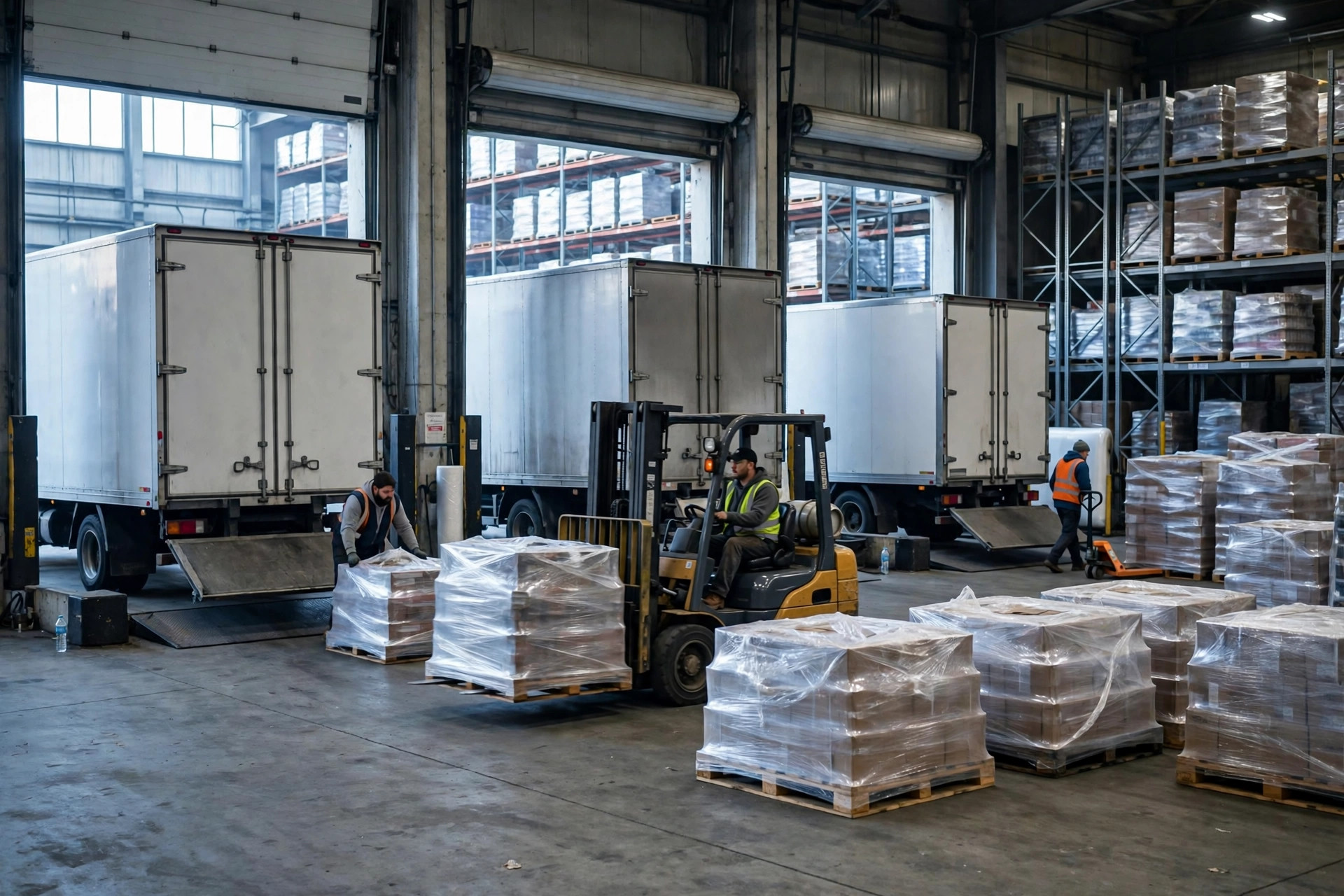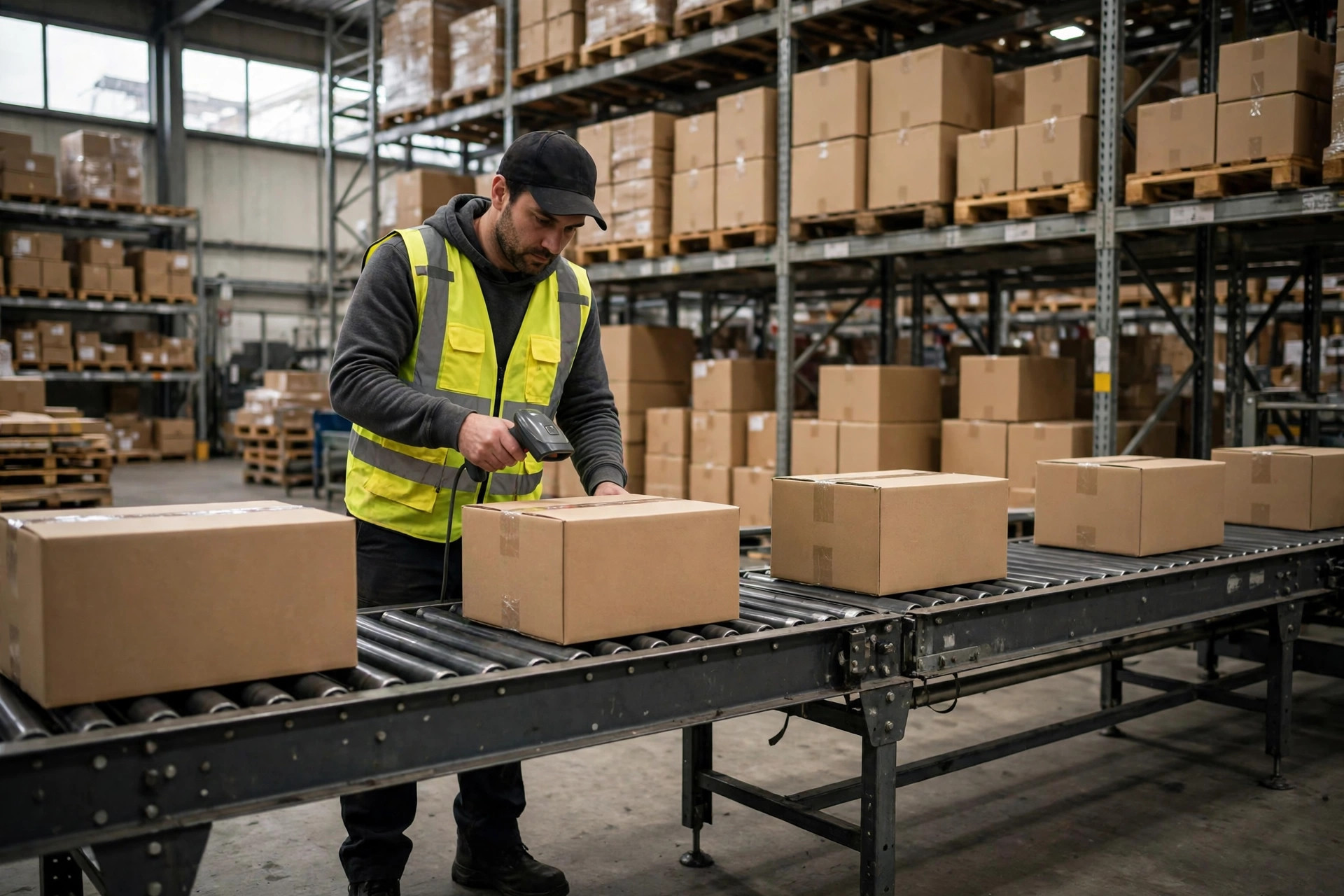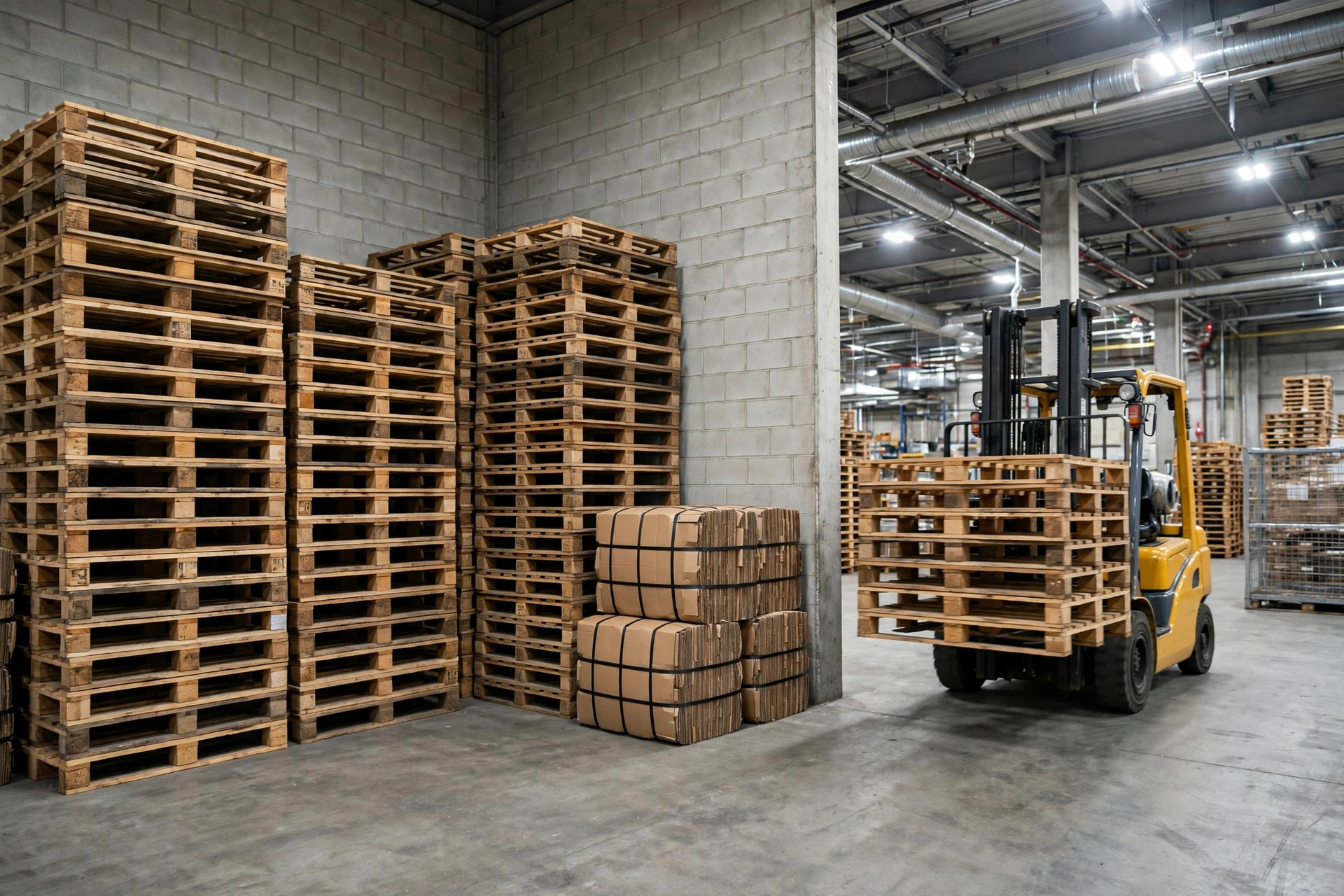
It was 6:30 on a Monday morning last March when I walked into the building and found three pallets jammed across the mouth of Zone A. A forklift sat behind them, beeping twice, going nowhere. Peak season was a week out and the orders were already stacked up to the afternoon. I turned to Lao Zhao, my shift lead, and said we had to stop talking about a warehouse 5S rollout plan and actually start one — because if we waited, the blocked aisles, the slow picks, and the bumped product would all show up together.
Honestly: we had tried 5S twice before. There were banners, a kickoff meeting, even a pile of new storage bins. And both times it went the same way — a big push for a week, the inspectors left, and the tools drifted back to wherever they had always lived. The floor lines disappeared under pallets again. The guys said it out loud: 5S was just a show for management. That stung, but they were right. The failure was mine. I tried to roll it out across the whole building at once, and when you spread that thin, no single zone ever gets truly fixed.
The third time, I changed the approach. One zone only.
Start Small: A 5S Rollout That Begins With One Zone
I picked Zone B. The reasoning was practical. It was not our biggest zone, but it had a messy mix of products, so its problems looked like the rest of the building's problems. And Lao Zhao had run that shift for nine years — his crew listened to him. My rule: never pick the cleanest zone, because that is just staging a photo. Never pick the worst zone either, because a crew that cannot see progress in two weeks will quit on you. Pick one that is middling, messy in a typical way, and led by someone the crew trusts.
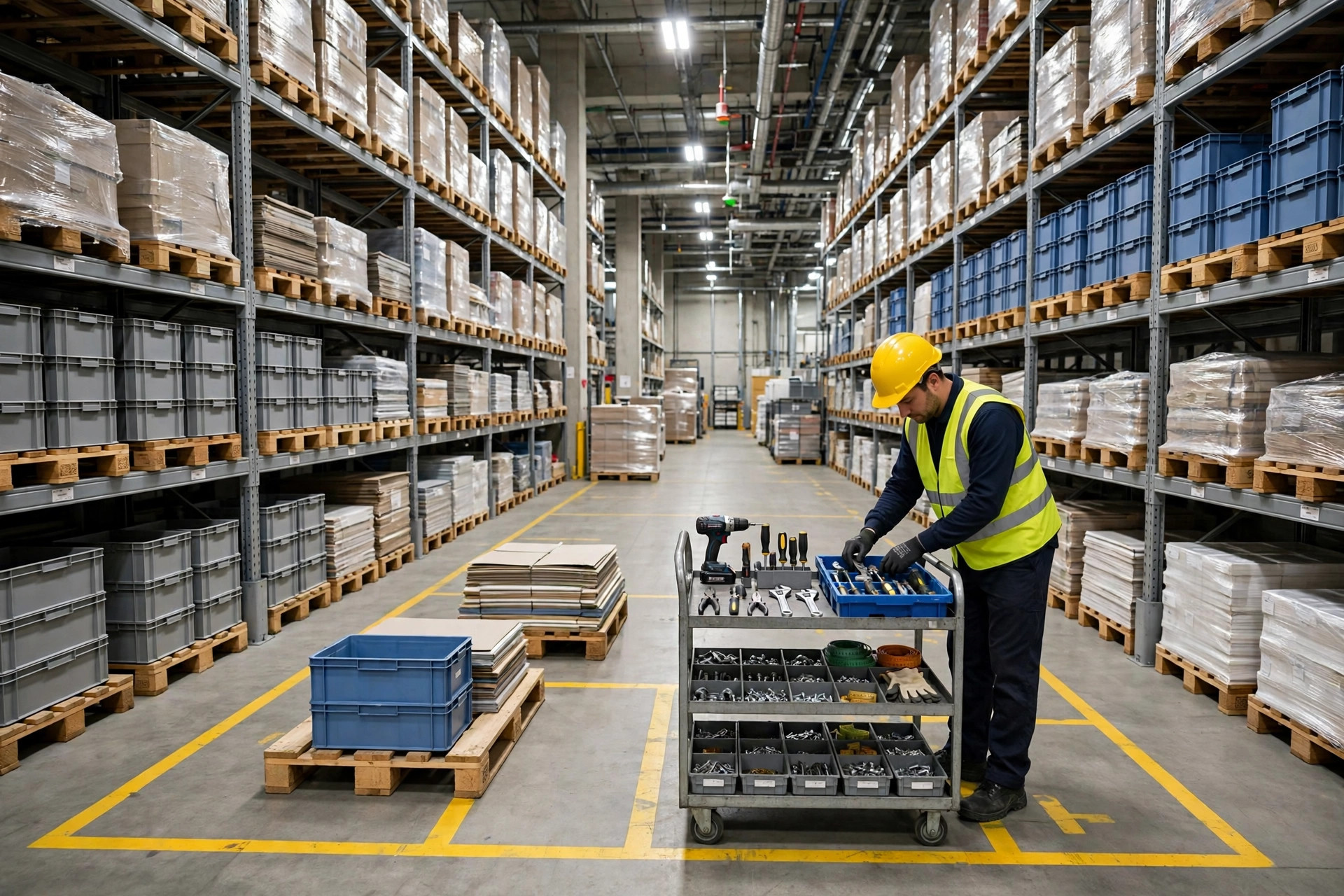
For the first two weeks we did only three things. First, a red-tag campaign: anything nobody could explain, anything that had not moved in a month, got a red tag, a photo, and a spot in the red-tag holding area. Zone B produced 47 red tags, and the crew was genuinely surprised — they had no idea how much "might come in handy someday" stuff was sitting in the corners. Second, floor markings: every workstation, every piece of equipment, every pallet position got a painted outline, and a board next to it said what belonged inside and how many. Third, names on the wall: not "the shift is responsible" but a specific person for a specific stretch of aisle and a specific rack row.
The crew gave up fifteen minutes at the end of every shift for two weeks. Some of them grumbled — we are already behind, they said, and now you want housekeeping too. I told them fifteen minutes, two weeks, then we judge. After two weeks, the pickers in Zone B stopped doing laps looking for pallets. You could stand at the aisle entrance and see what you needed. Once that happened, I did not have to push anymore. The crew kept it up themselves, because it made their own shift easier.
The 5S Relapse Problem: Why an Audit Sheet Beats Another Big Cleanup
Folks, getting a pilot zone clean is the easy part. Keeping it clean is the whole job. I have seen plenty of warehouses where everyone does a heroic cleanup the day before an inspection, and a month later the place looks exactly like it did before. The only defense against that relapse is making the audit part of the weekly routine instead of a special event.
Here is what we do now, every Wednesday afternoon. Lao Zhao takes two crew members and walks the zone with a one-page audit sheet — about ten items, scored, with photos. The sheet is below; steal it and adapt it. Keep the list short, because a long list just gets pencil-whipped. And every item needs a photo standard, so "pass" and "fail" are obvious at a glance.
| Audit item | What "good" looks like | Who checks |
|---|---|---|
| Aisles | No pallets, no clutter on the lines | Shift lead on duty |
| Tool placement | Tools inside their outlines; a missing tool is visible | Zone owner |
| Labels | Location codes and boards readable, nothing covered | Weekly auditor |
| Floor | No oil, no loose packaging | Shift lead on duty |
| Red-tag area | Overdue items cleared, nothing parked for months | Manager spot-check |
One decision mattered more than the rest: audit scores are never tied to fines. We tried fines once. One fine, and the crew learned to game the inspection — a blitz the night before, back to normal the day after. We switched to posting scores only, no penalties, and the crew with four straight weeks of full marks gets dinner on me at the end of the month. Let me be honest: one dinner costs less than a single rework job caused by a blocked aisle. You cannot fine people into pride in their workplace. You have to let them feel the benefit in their own shift.
There is one more thing we do that new managers often skip: new hires spend their first week walking audits with Lao Zhao before they touch a pick. They learn the floor lines, the red-tag area, and the tool wall on day one. A new guy once asked what any of this had to do with real work, and Lao Zhao answered him: this is not extra work, it is fewer wasted trips. Where the tools live, where the freight lives, which way the aisle runs — learn that in week one and you stop making dumb mistakes for the next three months. Veterans teaching rookies is how a standard survives turnover.
And here is the counterintuitive part. The crew with the best 5S score in our building is not the crew with the shiniest floor. It is the crew with the fewest reworks. I have seen a spotless zone where picks still ran slow, because every location label was blocked by stacked cartons. Clean is only the surface. The real test is whether a worker can reach what they need and see what they need without thinking. When we audit, we check "does this flow" before we check "does this shine."
Rolling Out Building-Wide: Let Crews Copy, Then Set the Rules
Zone B took about a month to get solid. After that, I did not call an all-hands meeting. I sent the other shift leads to Zone B to look around, then told them to copy what worked — how the lines were painted, how the audit was scored, how the red-tag area was run. Copying is not cheating. That is how a warehouse 5S rollout plan spreads without a memo campaign. Reinventing everything from scratch is slow.
The order of rollout mattered too. We went to Zone C next, because its product mix looked most like Zone B's. Then receiving, which had the worst problems. Offices and the equipment room came last. Receiving went late on purpose: it has the most people, the most trucks, the most variables, and pushing a new standard into the most chaotic area first is asking for a mess. Easy wins first, so crews taste the benefit; the hard areas get volunteers instead of resisters.
One more trap to avoid: do not force identical standards on every zone on day one. Different zones hold different freight, so their layouts cannot be identical. Our rule is simple. The skeleton is shared across the building — line colors, the audit sheet format, the red-tag process. The details are local — what goes where and how many, decided by each shift lead and filed with me. If the skeleton is not shared, crews cannot cover each other's zones. If the details are not local, nobody can actually live with the standard.
By the end of last year, all six zones had been through the cycle. It is not spotless every day. In peak weeks, an aisle still gets messy. The difference is that mess now has an owner, a standard everyone recognizes, and a fifteen-minute habit at the end of the shift that nobody has to be chased about. A warehouse 5S rollout plan lives or dies on that daily fifteen minutes, not on any single big cleanup day.
So if your warehouse has already failed at 5S twice, do not buy new banners or write a new slogan. Stop, pick one zone, and spend a month getting it right. Get it right and your crews will spread it for you. Get it wrong at full-building scale and you have just multiplied one failure by six.
By Chen Feng, Warehouse Operations Manager