Tuesday morning, 6:40 AM, last October. I walk into the office, coffee in hand, and my night-shift lead is already calling: three drayage trucks have been lined up at our gate for almost an hour, drivers getting loud — our forwarder says the telex release instruction for this shipment hasn't come through, and the terminal won't release the box. I tell him to keep the drivers calm and start dialing before I've had a single sip.
That container held our Thanksgiving promo goods. One day late into the warehouse, one day late on the shelves. The telex instruction finally arrived at noon. Three trucks sat at our gate for five hours, and the trucking company didn't waive a cent of detention. I did the math that day: the few dozen dollars we saved on the telex release fee didn't even cover half an hour of driver waiting time. Let me be straight with you — that was the day I realized the warehouse can't sit out the bill-of-lading decision.
I'm Chen Feng. I run warehouses. The B/L release method used to be purchasing and the forwarder's business — nothing to do with us on the receiving dock. That's what I thought, anyway. Then we got burned twice in two peak seasons — once by a telex release, once by an original bill of lading — and it hit me: the release method looks like a paperwork question, but it's really a labor-scheduling and cost question. The forwarder only cares about "fast." The supplier only cares about "shipped." Nobody cares that twenty of your people drove in on a Saturday for nothing.
Telex Release: What Moves Fast Is the Paperwork, Not the Freight
The telex burn happened last October too — different shipment. The supplier swore up and down: "Don't worry, telex release, the moment the vessel arrives you can pull the box, way faster than originals." We believed him. Scheduled twenty people for Saturday overtime receiving. Forklifts staged, pallets ready.
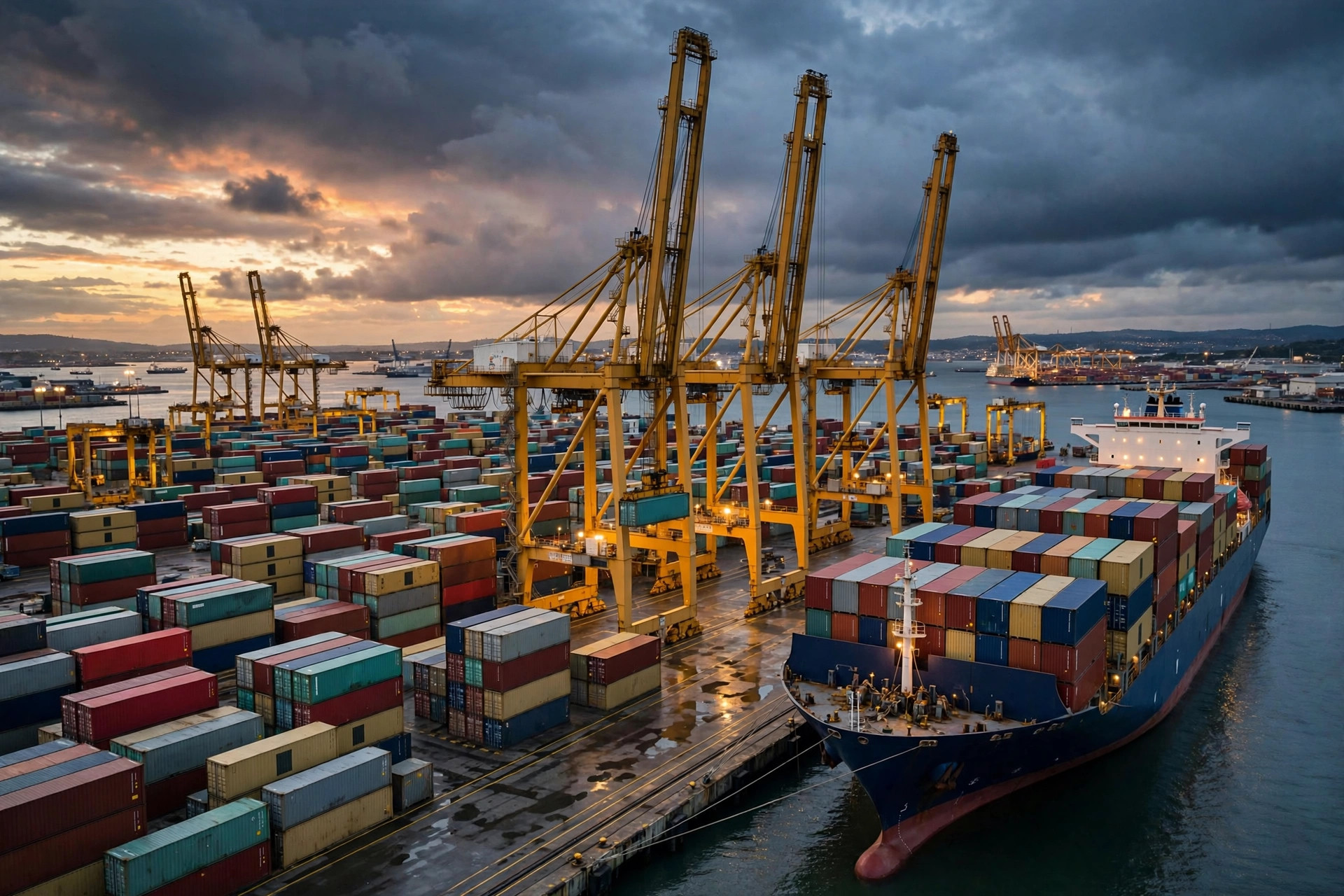
The vessel arrived. The telex instruction didn't. I called the forwarder, who told me the supplier hadn't surrendered the originals back to the carrier at origin — there was a dispute over the balance payment, and the supplier was holding the B/L as leverage. No surrendered originals, no telex instruction. Doesn't matter who you call.
That box sat at the Port of Los Angeles for four days. Free time is only a few days; after that, demurrage burns at hundreds of dollars a day, tier after tier. Those twenty people on Saturday? Wasted trip. My veteran lead, Ah Kun, said to me: "Feng, this telex sounds fast, but our lifeline is in someone else's hands. There's nothing we can do."
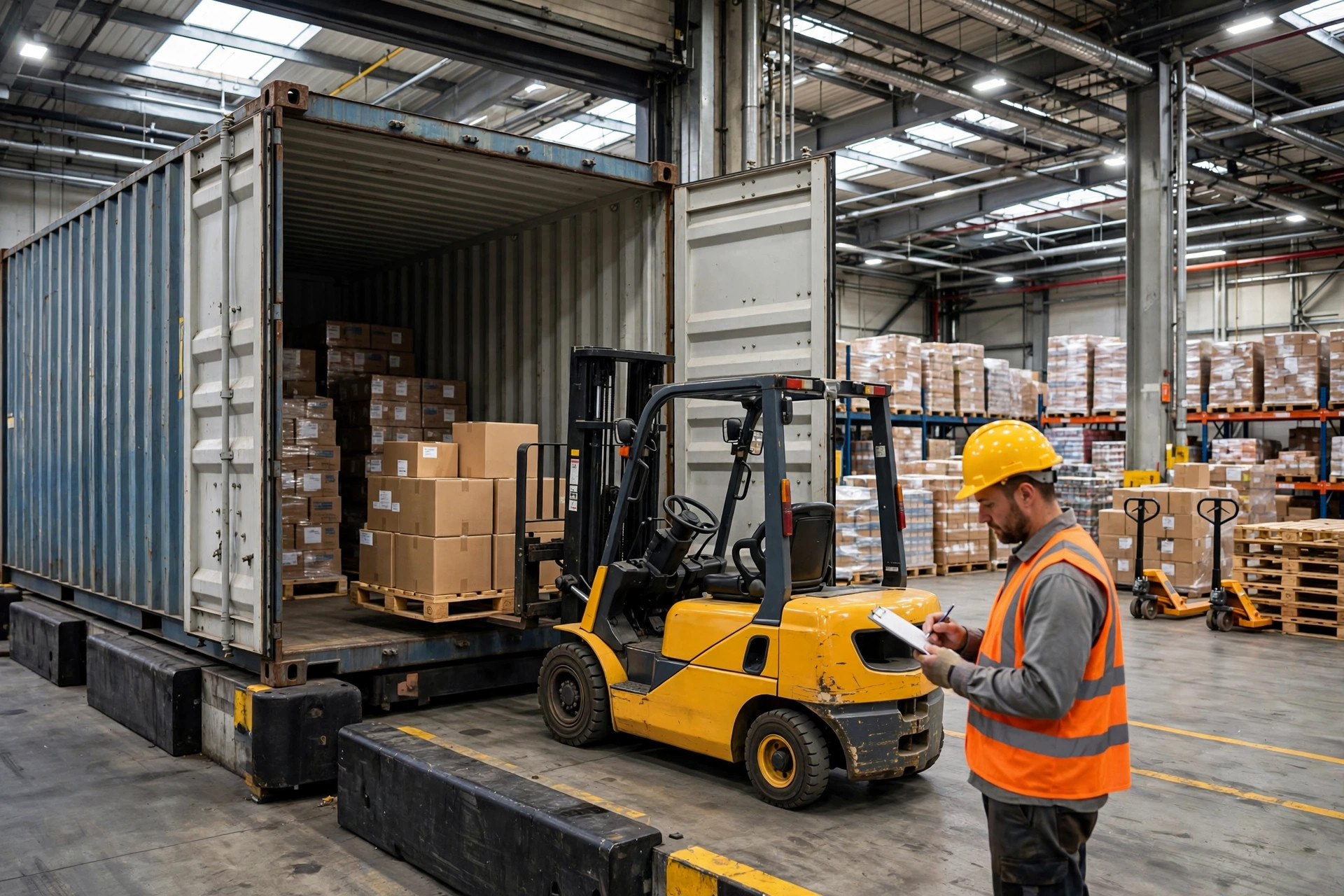
That incident taught me something counterintuitive: a telex release speeds up document flow, not freight. What it saves is the days a paper B/L spends flying from origin to destination. What it adds is a step you can't control — when the shipper surrenders the originals at origin. Early surrender, fast release. Delayed surrender, and you just wait. That timetable sits in the shipper's hands, not yours.
Original Bill of Lading: Slower, but the Clock Is Yours
The originals burn was the Lunar New Year before last. A shipment on original B/L, documents couriered from China, got stuck in transit — arrived six days late. The box burned money at the terminal every day, and we ended up doing a letter-of-indemnity release: a bank guarantee worth 1 to 2 times the cargo value, weeks of back-and-forth. Ah Kun's line still rings in my ears: "If I'd known it'd be this much trouble, we should've just done telex."
The original B/L's flaws are honest ones: the document has to fly across the ocean — it can't be lost and can't be slow. Lose it, and the carrier wants a bank guarantee before releasing, a process that takes weeks at best, months at worst. But it has one thing telex doesn't: whoever holds the B/L holds the goods, and decides when to pick them up. The clock is yours.
I once broke both options down into a real cost comparison. Take it and use it:
| Telex Release | Original Bill of Lading | |
|---|---|---|
| Release speed | Pull the box on arrival — if the instruction is there; if not, zero movement | Courier plus presentation, usually a few days slower |
| Document cost | Telex fee, a few dozen dollars per B/L | International courier, over a hundred dollars per set |
| Biggest risk | Shipper delays surrender — timing totally out of your control | Documents lost or delayed; a lost B/L means a bank-guarantee process lasting weeks |
| Control of goods | Shipper holds the cards until surrender | B/L in hand means goods in hand; you can even resell in transit |
| Best for | Long-time suppliers, balance paid in full, trusted | New suppliers, letters of credit, high-value cargo |
See the real math? On document fees alone, telex saves you a few dozen dollars. But the real money is never in the document fee: one delayed release, demurrage at hundreds of dollars a day, a wasted overtime crew, driver detention billed in full — what you saved on paperwork doesn't even register. Pick the wrong release method and what you lose isn't the document fee. It's your schedule and your demurrage bill.
Two hard rules of import practice you need to know: first, letter-of-credit shipments — the bank takes the original B/L, so telex is basically off the table, don't bother. Second, if you want to resell the goods while they're still on the water, you need a negotiable original B/L in hand; a telex release can't be transferred. On both points, check with your forwarder and your bank, and go by their latest published policies.
The Three Rules We Live by Now
After getting burned twice, our warehouse locked in three rules. Non-negotiable:
One: long-time supplier, balance paid in full — telex release. But we require written confirmation from the forwarder in advance: before sailing, "telex release applied for"; after sailing, follow up on "originals surrendered at origin, instruction sent" — screenshot in the group chat. No screenshot, we plan as if there's no telex.
Two: new supplier, letter of credit, or high-value shipment — original bill of lading. Once the vessel sails, a copy of the B/L must hit our inbox within three days; the originals go by tracked courier, tracking number in the group chat. Whoever owns the follow-up reports in the chat.
Three: peak season (September through November), every container's receiving plan gets a three-day buffer on top of the vessel schedule. Telex or originals, doesn't matter. Overtime only scheduled as half-day flex. Let me be straight: in peak season, vessel schedules and documents are never on time. A plan made upfront beats cursing after the fact.
One more, from my arguments with drivers: the release method must be written into the drayage instruction. Before the driver heads to the terminal, confirm with the forwarder that the delivery order can be issued. Making a driver sit at the terminal gate for two hours — the detention costs more than any telex fee. I learned that one the loud way.
Here's one thing you can do tomorrow: ask your forwarder about next week's arrivals — telex or originals? If telex, ask one more question: "Has the shipper surrendered at origin?" If originals: "What's the tracking number?" Don't wait until the freight is at the port and drivers are blocking your gate to start calling. Ask now, and you'll find at least half of your "emergencies" never needed to be emergencies.
By Chen Feng, Warehouse Operations Manager