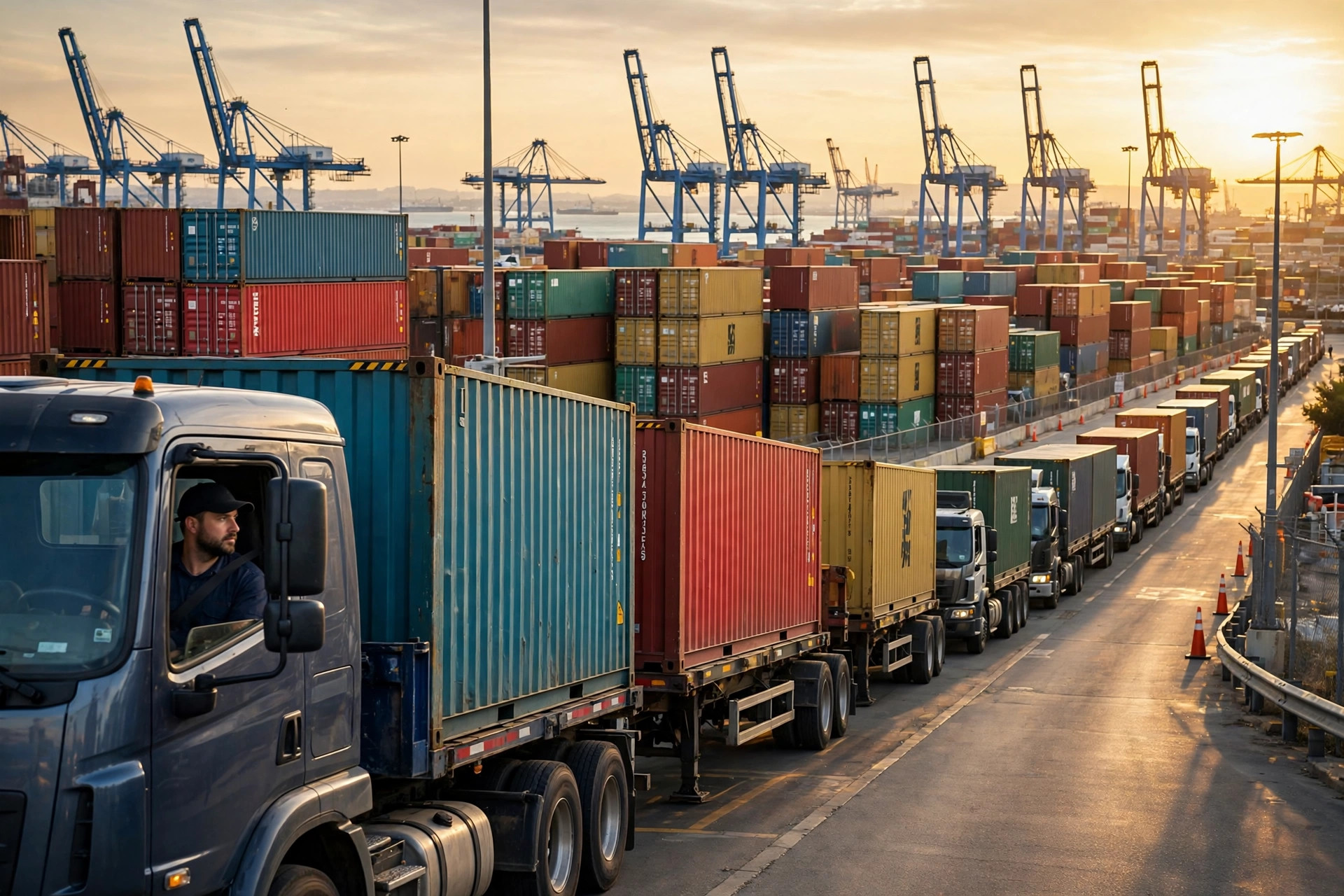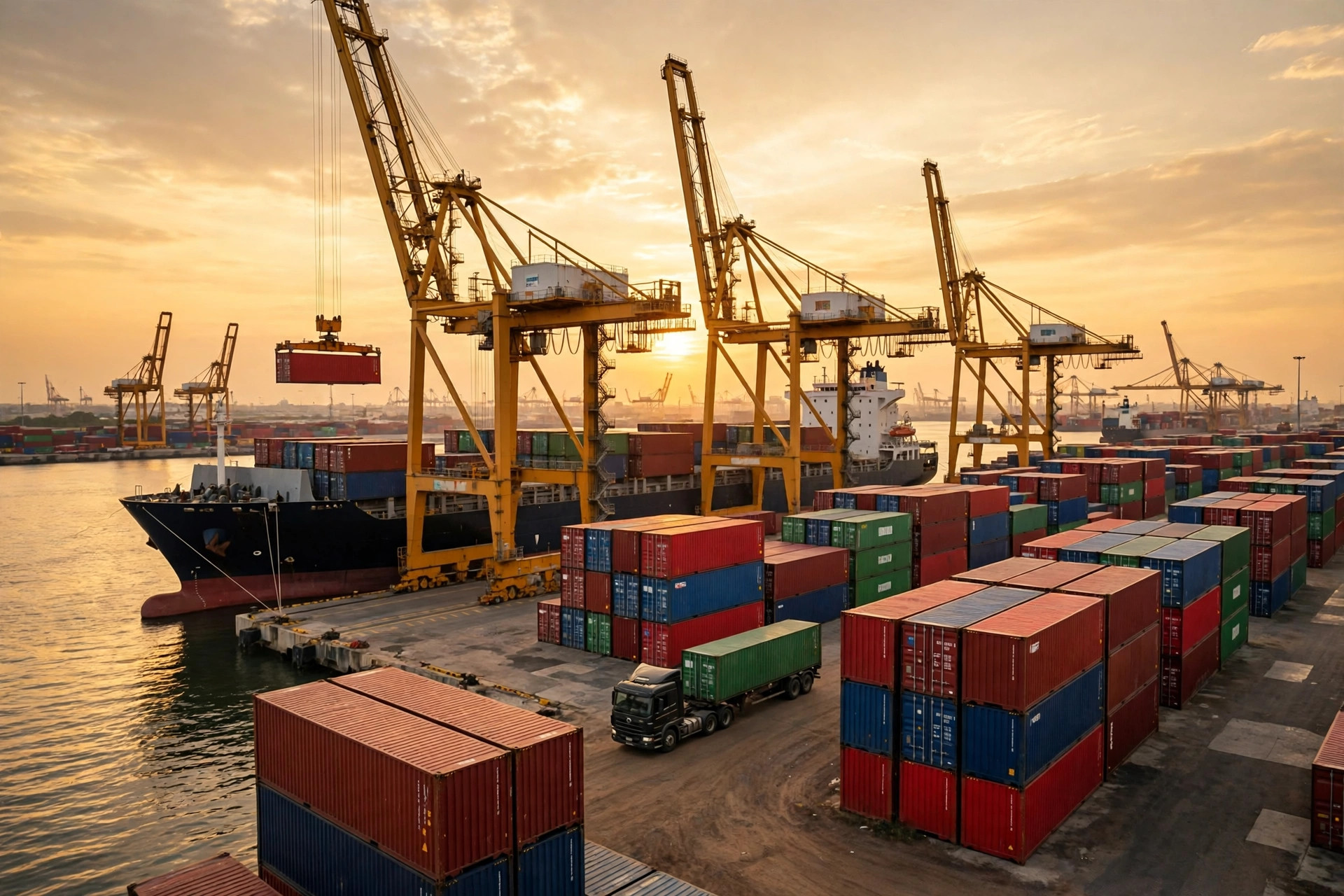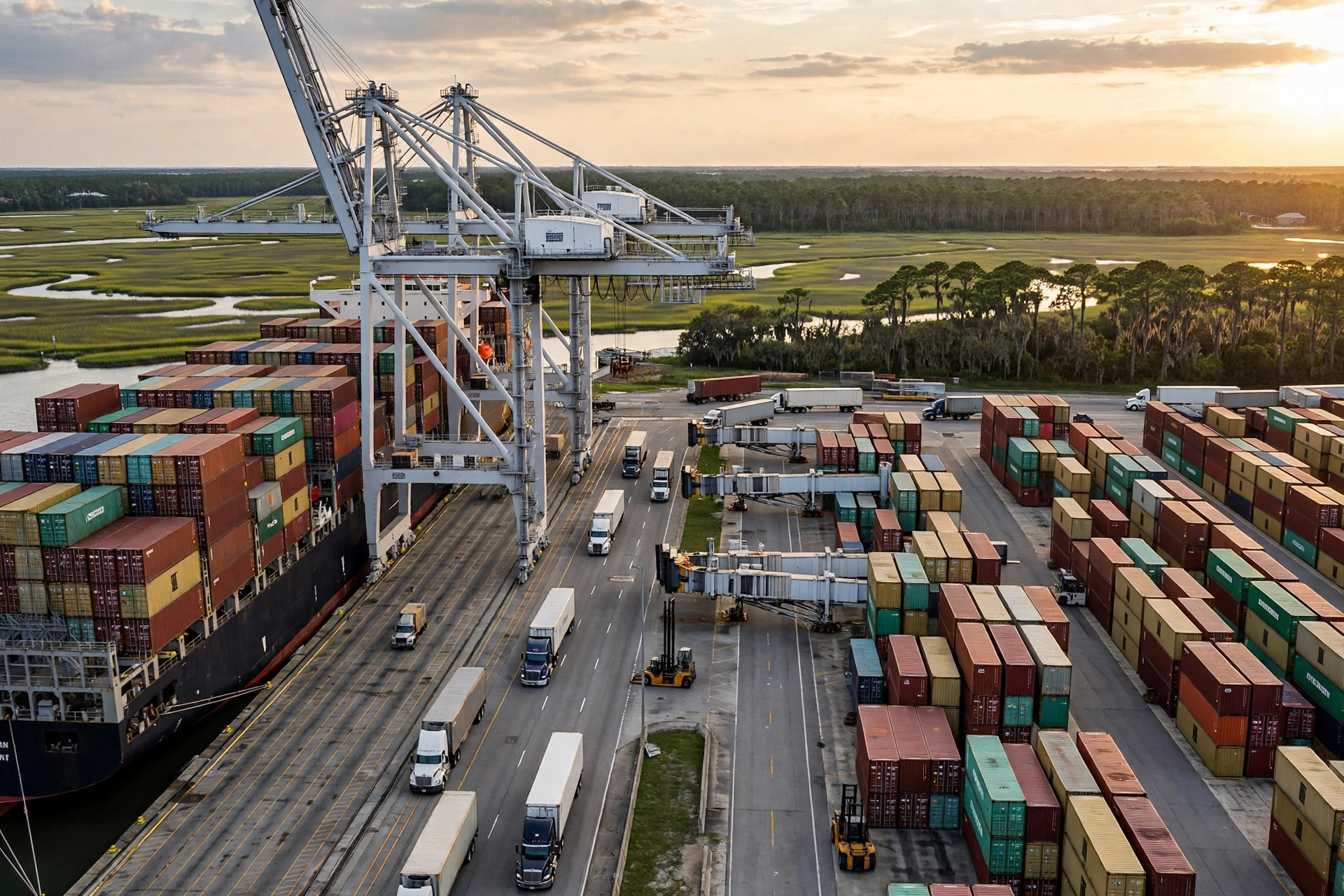
Listen, the first time I ran the Savannah lane back in 2019, I was at the Garden City Terminal gate at 4:30 in the morning, and there were already forty-some trucks ahead of me. I got in at 6:20, pulled out with a box at 7:10, and headed straight to a distribution center in Pooler. The receiving kid at the warehouse told me: "You're early. In peak season this line backs up onto the highway." After all these years running, I've figured this place out — Savannah's big terminal is just the surface. The real game is played at the gate and in the warehouse cluster around it.
Savannah Port's Resume: The Numbers First
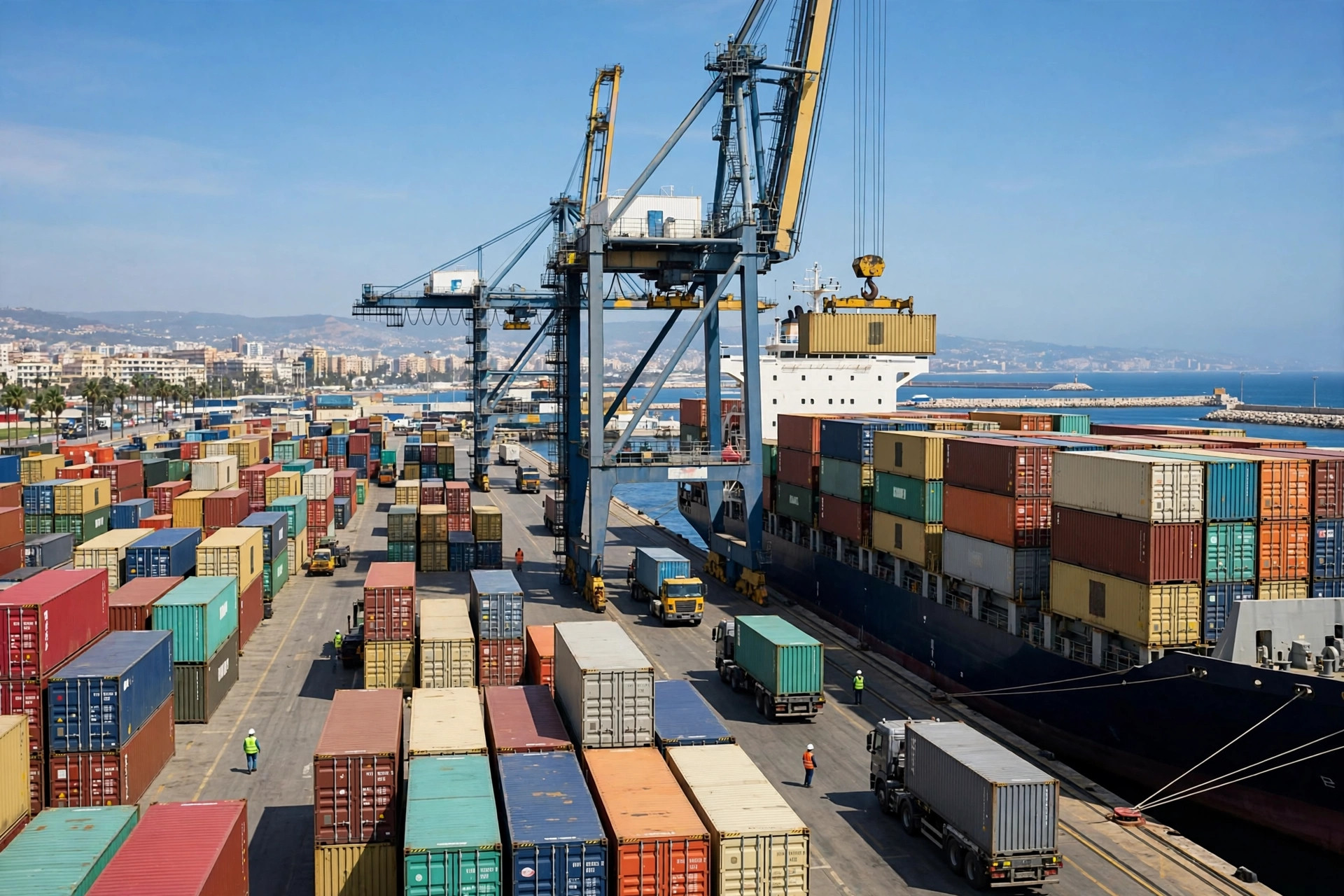
Here's the hard stuff, straight from the Georgia Ports Authority: the Port of Savannah's Garden City Terminal currently handles about 5.5 million TEUs of annual capacity (GPA's ten-year plan: 8 million by 2028); fiscal 2024 throughput was 5.6 million TEUs. The gates set records in March 2025: 52,645 rail boxes in a month, 333,571 truck turns (about 11,000 a day), and a single-week gate record of 80,505 turns. Dozens of ocean vessel services call weekly and double-stack trains roll out densely — check GPA's latest schedule for exact frequencies. A dual transaction — in with one box, out with another — is the key time-saver; check the terminal's latest notices for current turn times, and a driver running hard can do six to eight turns a day.
The location is genuinely good: I-16 shoots straight to Atlanta, about four hours by truck, and Atlanta sits within a two-day drive of roughly 65% of the U.S. population. Inside the terminal there's Mason Mega Rail — the largest on-terminal intermodal yard in North America — with CSX and Norfolk Southern running right onto the terminal, two-to-three-day rail service to Atlanta, Charlotte, Memphis, Dallas, and Chicago.
But let me pour some cold water first: a bigger terminal does not mean your container gets out faster. That 5.5 million TEU capacity still backs up in peak season. What actually decides your pickup speed is the gate appointment and your free days of terminal storage. More on that below.
Here's another road story. Back in late 2021, Savannah had a chassis shortage — plenty of boxes, not enough chassis. I watched a driver sit outside the gate two full days. Not waiting on his container. Waiting on a chassis. Shippers were screaming at the terminal, at the carriers — screaming at nobody helped. The smart 3PLs learned to keep their own chassis pool or sign long-term with carriers that had one. What's the lesson? At a big port like Savannah, your bottleneck is never where you think. Everyone watches terminal capacity; the real choke points are chassis, gate appointments, and the warehouse receiving window — three things you'll never find in a GPA press release.
Pooler and Garden City: Warehouse Distribution Around Savannah Port
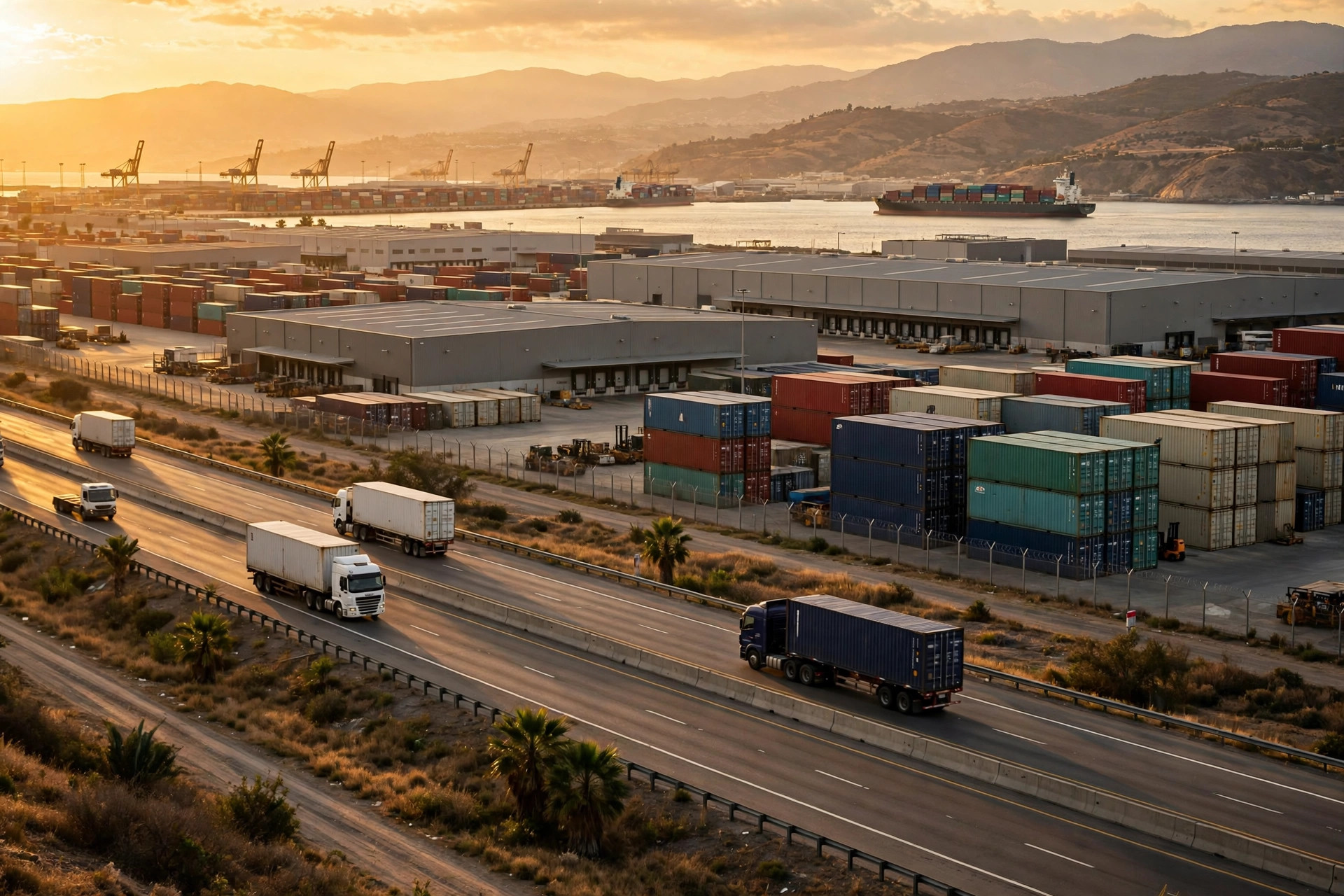
Around Savannah, the warehouse cluster sits in three directions: Pooler (closest to the gate, densest with DCs), Garden City (where the terminal is — expensive rent but short drays), and Effingham County further west (cheap land, good for big-box storage). Of the shippers I've hauled for, eight out of ten put their regional DC in Pooler — close to the port, a 20-minute dray, drivers get two extra turns a day, and the drayage rate comes down naturally.
After all these years, picking a warehouse comes down to three rules. First, know whether your freight is fast-turn or stockpiling: fast-turn retail replenishment belongs right against the gate — Pooler or Garden City — because what you save on drayage dwarfs the rent difference. Seasonal stockpiling freight goes west, where the rent is cheap and the buildings are big. Second, look at rail: freight heading to the Midwest belongs in a warehouse served by Mason Mega Rail — rail beats truck beyond 250 miles. Third, look at the warehouse's receiving capacity: the good warehouses here book their receiving windows solid. Before signing, ask "how many containers can you receive a day" — don't just look at square footage and the rate. Some brand-new buildings quote 20% cheaper rent but can only unload three boxes a day; your twenty boxes take a week to receive, and everything you saved on rent goes straight into demurrage.
Drayage and Demurrage: The Two Bills That Burn the Most Money
When shippers get hurt here, nine times out of ten it's drayage and demurrage. Drayage first: about 80% of Savannah's freight moves by truck, the dray market has plenty of drivers, competition is real, and pricing is fairly transparent. But peak-season drivers get tight just the same — I watched dray rates double in 2021 with my own eyes. When you sign a 3PL, ask whether drayage is all-in or per-trip, nail down the fuel surcharge formula in writing, and don't leave a "subject to market adjustment" hole.
Demurrage is the real man-eater. The ocean carrier's free days at the terminal are just a handful, then it's pay-per-day, and rates get meaner every year — check the carrier's latest published tariff. My advice: never let your box spend the night at the terminal. Gate appointment, warehouse receiving window, driver schedule — all three have to line up the same day. I once hauled for a shipper whose warehouse appointment slipped a day; the box sat 26 extra hours, and demurrage plus storage burned nearly two grand — half a month's rent.
FTZ: A Lifeline for High-Duty Freight
Here's something a lot of people don't know: the Savannah area has Foreign Trade Zone options. Freight enters the bonded warehouse first, and duties aren't paid until the goods actually leave for the U.S. market; re-exports and returns can avoid the duty altogether. With tariff policy flipping back and forth these past couple years, the FTZ's value shot straight up. Exact savings and procedures go by the latest official policy, but the direction is clear: for high-value, duty-sensitive freight, ask "is this warehouse inside an FTZ?" when you pick a site. That one question can save you a truck's worth of money in a year.
Savannah vs. Charleston: Picking Between the Southeast's Two Giants
| Dimension | Port of Savannah | Port of Charleston |
|---|---|---|
| Single-terminal scale | Garden City — the largest single container terminal in North America, ~5.5M TEU capacity (8M target by 2028) | Multi-terminal layout, smaller single-terminal scale |
| Gate throughput | 14,000–16,000 moves/day, dual turns under 50 minutes | Solid, but a smaller order of magnitude |
| Rail | Mason Mega Rail on-terminal yard, CSX + Norfolk Southern | Weaker rail package |
| Hinterland | Atlanta in 4 hours, ~65% of U.S. population within two days' drive | Hinterland leans Carolina, less depth |
| Expansion | $1.6B Ocean Terminal redevelopment (1.75M TEU on completion in 2028), 9M TEU port-wide by 2029 | Expanding too, but smaller investment scale |
The counterintuitive call: Charleston has the deeper channel and can take bigger ships, but your freight leaves by truck and rail, not by ship. For a distribution warehouse, gate throughput and hinterland coverage matter far more than water depth. Unless all your freight rides the biggest vessels direct, Savannah's total math wins.
Three Honest Pieces of Advice for Shippers and Warehouses
First, lock your drayage capacity and warehouse receiving windows 60 days before peak season. Don't wait until the vessel arrives to find people — by then you're the meat on the chopping block.
Second, before the box lands, get the gate appointment, the warehouse unload, and the driver in one group chat. Every shipper who runs smooth in Savannah does it this way. Re-check three days out, sync immediately when the vessel schedule changes, or the driver runs empty — and the empty run's fuel and time land on the shipper's bill.
Third, don't just compare rent per square foot. Add drayage, demurrage risk, and receiving capacity into one total-cost number. The Pooler warehouse that costs twenty cents more per foot routinely ends up cheaper than the one a dollar cheaper out west.
There's an old saying among drivers: the terminal belongs to everyone, but the gate rewards whoever does their homework. When your freight lands in Savannah, whether it gets out clean was never about how big the port is — it's about how carefully you did the prep work. After all these years on the road, I believe one thing: treat the people at every link like friends, and when it counts, they'll squeeze you into the line.
By Shifu Zhao, Trucking Veteran (15 yrs)