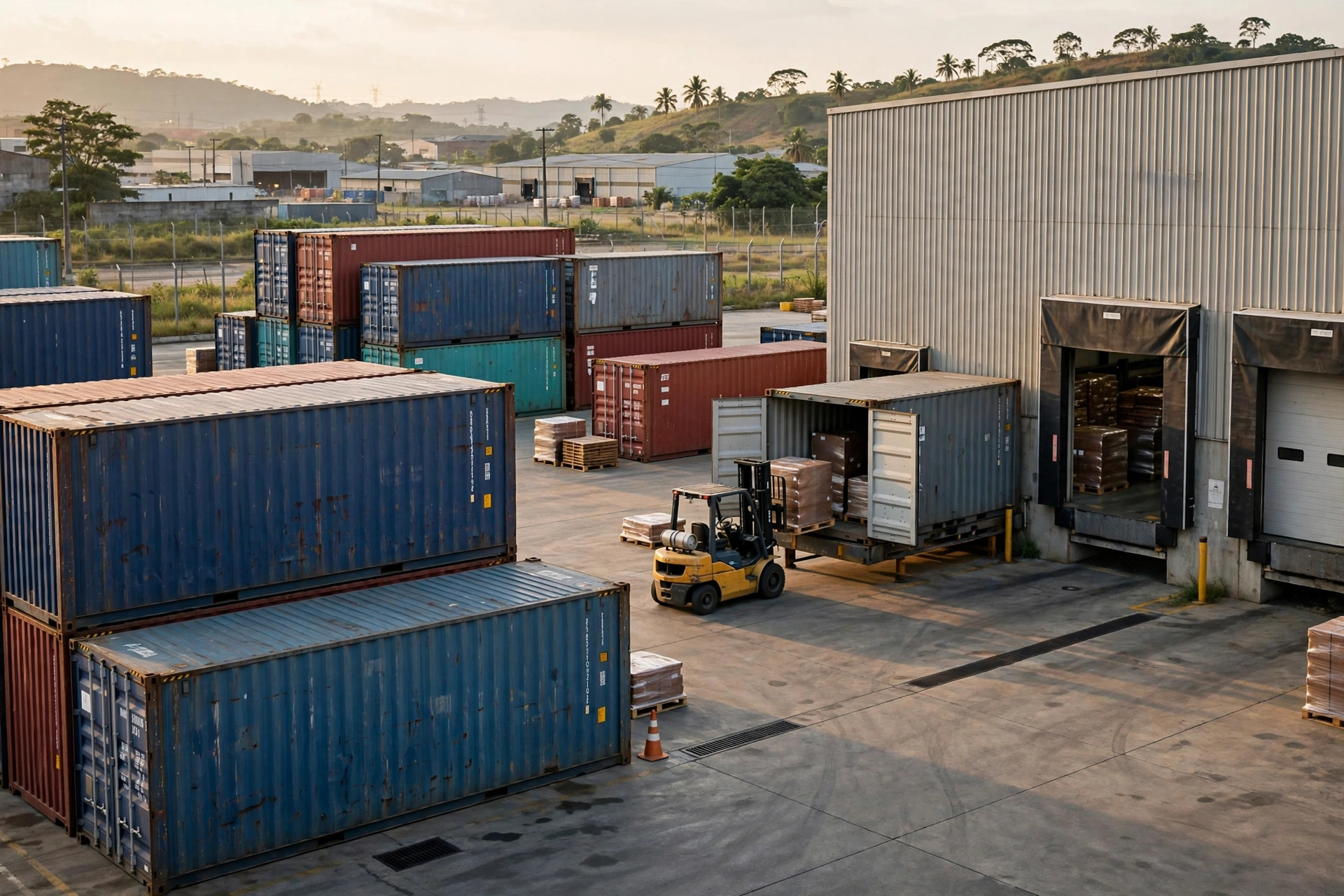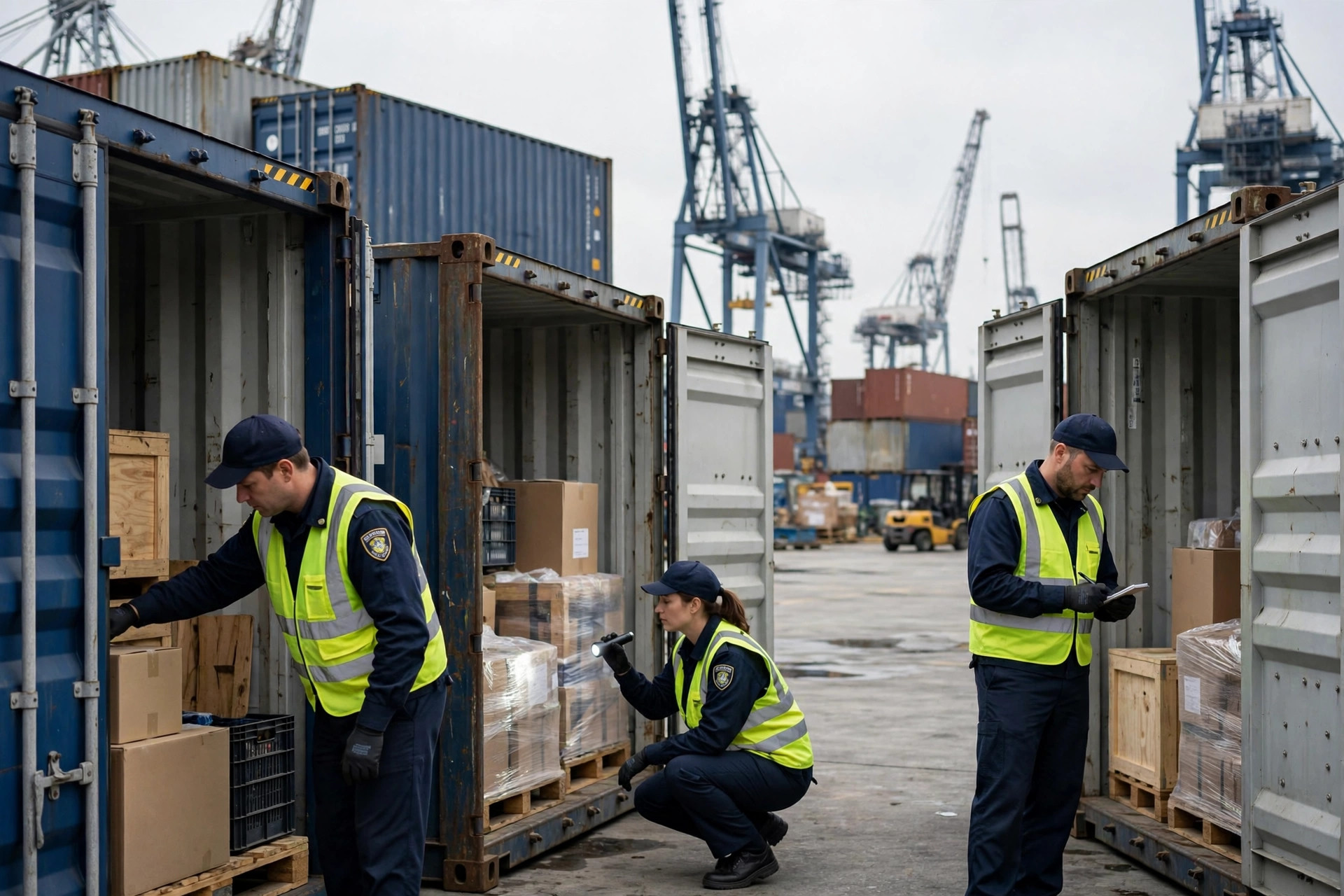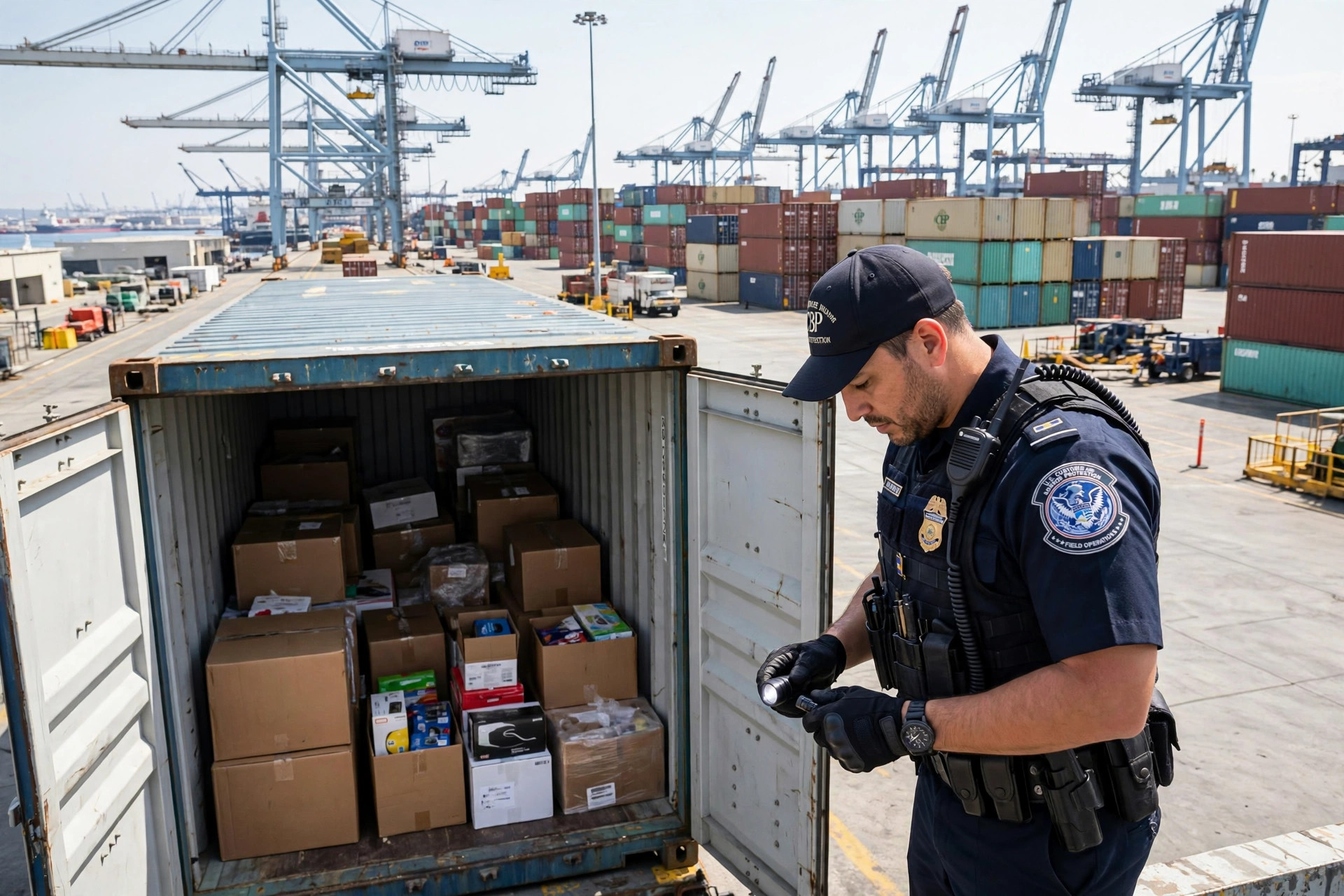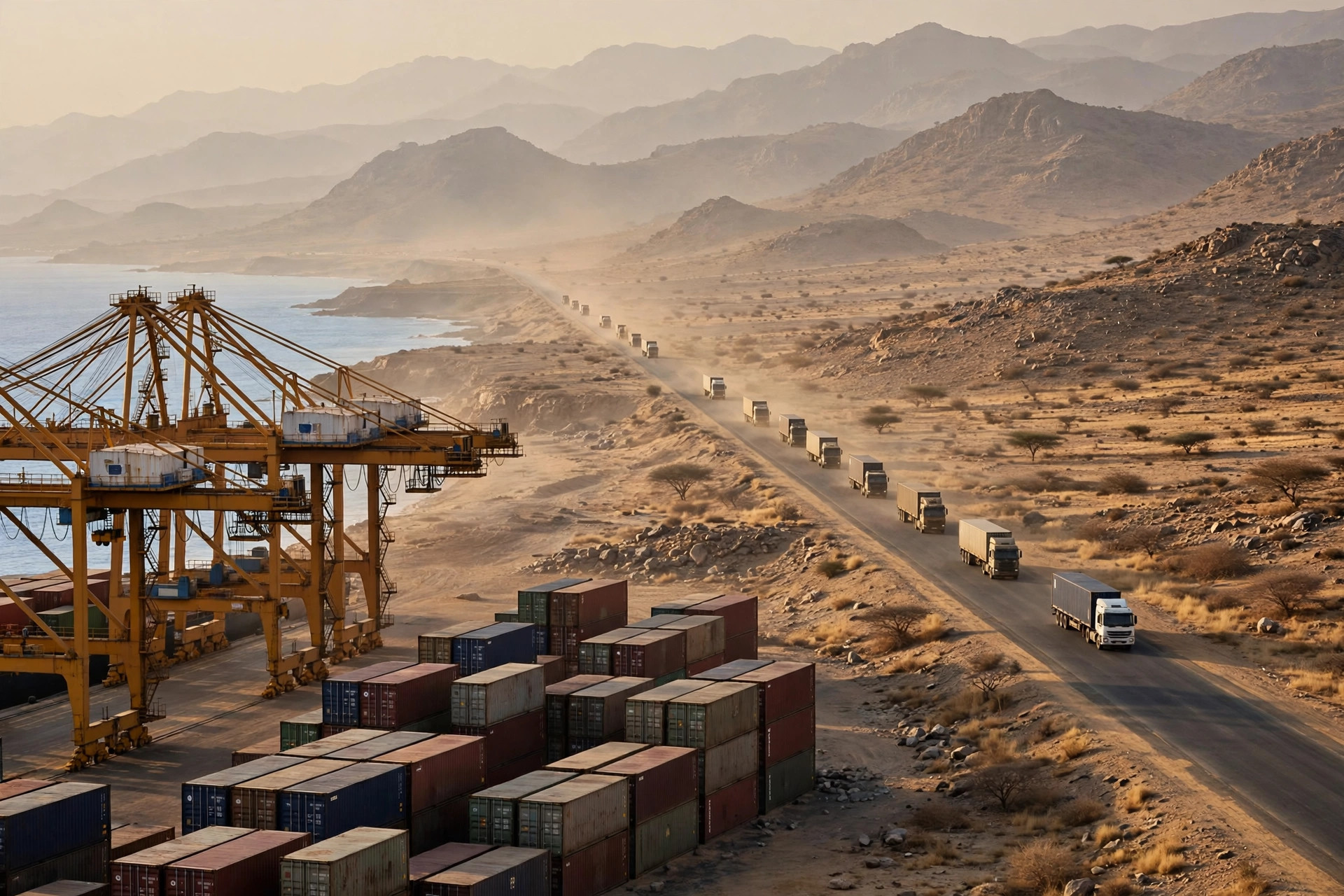
Let me tell you something. Among drivers running African routes, nine out of ten have heard of Djibouti, but few have actually run this corridor. Ethiopia is landlocked — no seaport of its own — and over 95% of its imports and exports go through the port of Djibouti. In the 2025/26 fiscal year alone, 17.57 million tons moved via Djibouti, accounting for 96.71% of Ethiopia's total freight. One country's entire trade hanging on a single corridor — you don't see that every day, anywhere in the world.
After all these years on the road, I've figured out one thing: on this lane, what decides whether you make money or lose it usually isn't the freight rate. It's time. Every extra day your container waits outside the port, money burns. So let's break this math down properly.
A Story From the Road: The Days Containers Wait Outside the Port
A few years back, a freight-forwarder friend came to me venting. One of his shipments hit the port of Djibouti, ran into a paperwork hiccup, then got stuck in the inspection queue. The box sat outside the port for over ten days before release. The shipping line's free storage period had long expired, and demurrage piled up day by day — in the end, the demurrage bill was scarier than the freight itself. He told me: "Shifu, I've run the Middle East and Africa for years, and on this lane, time costs more than diesel."
After that, he wised up. Before every shipment, he sends the documents to a local Djibouti clearing agent for pre-check — the vessel doesn't sail until the paperwork is confirmed clean. He also signed a long-term local agent who watches the inspection queue for him. Since then, his boxes haven't been held more than three days. What does that tell you? The Djibouti corridor is special because it's not "pick one of several roads" — it's "the whole country's cargo has this one road." With 96.71% of Ethiopia's freight moving through a single port, when the port clogs, there is no detour. Whether your cargo reaches Ethiopia on time doesn't depend on how fast your trucking company is — it depends on whether your documents are complete and your clearance runs smooth. On this corridor, paperwork is the passport. Sloppy documents, fast wheels — still worthless.
Here's a contrarian take that surprises first-timers: on this corridor, the most expensive cost isn't freight. It's waiting. Waiting on clearance, waiting on rail wagons, waiting on documents, waiting on yard release. Freight is negotiated; waiting is burned. You shave 5% off the rate on the quote, then the box sits ten extra days — you've given it all back and then some.
Rail or Road? Here's How to Do That Math
From Djibouti to Addis Ababa, there are two ways now: the Ethiopia-Djibouti railway and the highway. The railway cut what used to be a 3-day road trip down to about 12 hours. Sounds beautiful. But let me tell you — picking one isn't about the clock alone. It's about what kind of cargo you're moving:
| Compare on | Ethiopia-Djibouti Railway | Highway | | Djibouti to Addis | About 12 hours | Used to take 3 days | | Best for | Big volumes, steady lead-time cargo | Door-to-door, flexible distribution | | Strength | Fast, immune to road conditions, big capacity | Flexible, delivers straight to the consignee | | Watch out for | Train schedules and terminal connections | Road conditions, delays on the way, driver planning |
The railway is fast, but the railway only reaches the terminal. Once the box comes off the train, trucks still have to take it to the consignee. That last-mile handoff, done badly, eats every hour the railway saved. I've seen shippers hear "12 hours" and switch everything to rail — then wait two days for terminal pickup. Slower than road in the end, plus an extra handling leg.
The highway takes its 3 days, but it wins on flexibility. Cargo splitting to several consignees, or delivery points off the rail line — trucks go door to door, no double-handling. My rule after all these years: big volume, single consignee — take the rail. Multi-drop, scattered destinations — stay on the road. The people who can use both legs never get cornered.
One more detail: rail wagons and slots need booking ahead too, and they get tight in peak season. Don't think fast rail means you can ship last-minute — not a single day of buffer can be skipped. On this corridor, fast transport plus slow planning still misses the date.
Where the Cargo Rests: The Mojo Dry Port and the Free Zone
Now, where does the cargo rest? It used to be that everyone crowded into Djibouti port for clearance and pickup — one clog and everything stopped. The wind has shifted: clearance is moving inland. The Mojo dry port is being expanded, capacity doubling from 500,000 TEU toward 1,000,000 TEU. What does that tell you? More and more cargo will clear and pick up at Mojo directly, without fighting the shipping lines for time at Djibouti port. That's how the demurrage monster gets starved — every day the box leaves the port's charging zone earlier is a day of bleeding stopped.
Djibouti's free zone is worth a look too. Shippers doing regional East Africa distribution can put a regional warehouse inside the free zone — cargo lands and sits, and moves into Ethiopia as orders come. Urgent orders get covered. That's trading space for time: spend a little on rent, save a fortune on stock-outs and rush jobs.
Two more things anyone working this lane has to carve into memory. Document compliance is the life-or-death line. Ethiopian clearance is strict on paperwork — invoice, packing list, certificate of origin, one missing and the box doesn't move. The "compliance" in the tags isn't decoration — on this corridor, compliance isn't a bonus, it's the entry ticket. And ride the corridor's digitization: port and dry-port gates and yard scheduling run more and more on systems — if you can check container status and book pickup slots online, don't queue up in person. Automation sounds far from a driver's life, but it decides what time your box gets out. Book the slot in the system, truck arrives and rolls — a hundred times better than squatting outside the gate.
And the corridor's future? In September 2026, the Dangote oil pipeline broke ground — 120 kilometers, 660 million US dollars of investment poured into this corridor. Volumes will only grow. The busier the corridor gets, the more the planners who set up warehousing and clearance early will feast — and the harder life gets for the last-minute crowd.
There's an old saying: you can't eat hot tofu in a hurry. Running the Djibouti corridor — build in your buffer, get the documents right, learn to use both rail and road — beats everything else. Don't wait until your box is baking outside the port to start doing this math.
By Shifu Zhao, Trucking Veteran (15 yrs)