Let me be blunt: the most infuriating thing in the flower trade is not the price of flowers. It is flowers dying on the road with nobody taking responsibility. In colombia flower export cold chain warehouse work, that is the rule, not the exception.
A friend of mine grows roses and carnations on farms outside Bogotá, up on the high plateau. One Valentine's peak season, a truckload of his flowers reached the airport cold chain handover point, and the freight handler looked at the temperature log and refused the load for the freighter. The flowers still looked fine. But the log showed hours outside the range, and the buyer would not accept them. He called me from the airport that night, furious: he grew the flowers, he paid for the cold chain, so why was he the one losing? That is colombia flower export cold chain warehouse in one angry phone call.
I told him straight: in flower exports, the warehouse bill is not counted in days. It is counted in hours. With colombia flower export cold chain warehouse work, the clock starts the moment the flower is cut.
Colombia Flower Export Cold Chain Breaks at Handover — Every Single Time
A lot of people think cold chain just means "keep it in the fridge the whole way." Wrong. The weakest points in a flower cold chain are always the handovers.
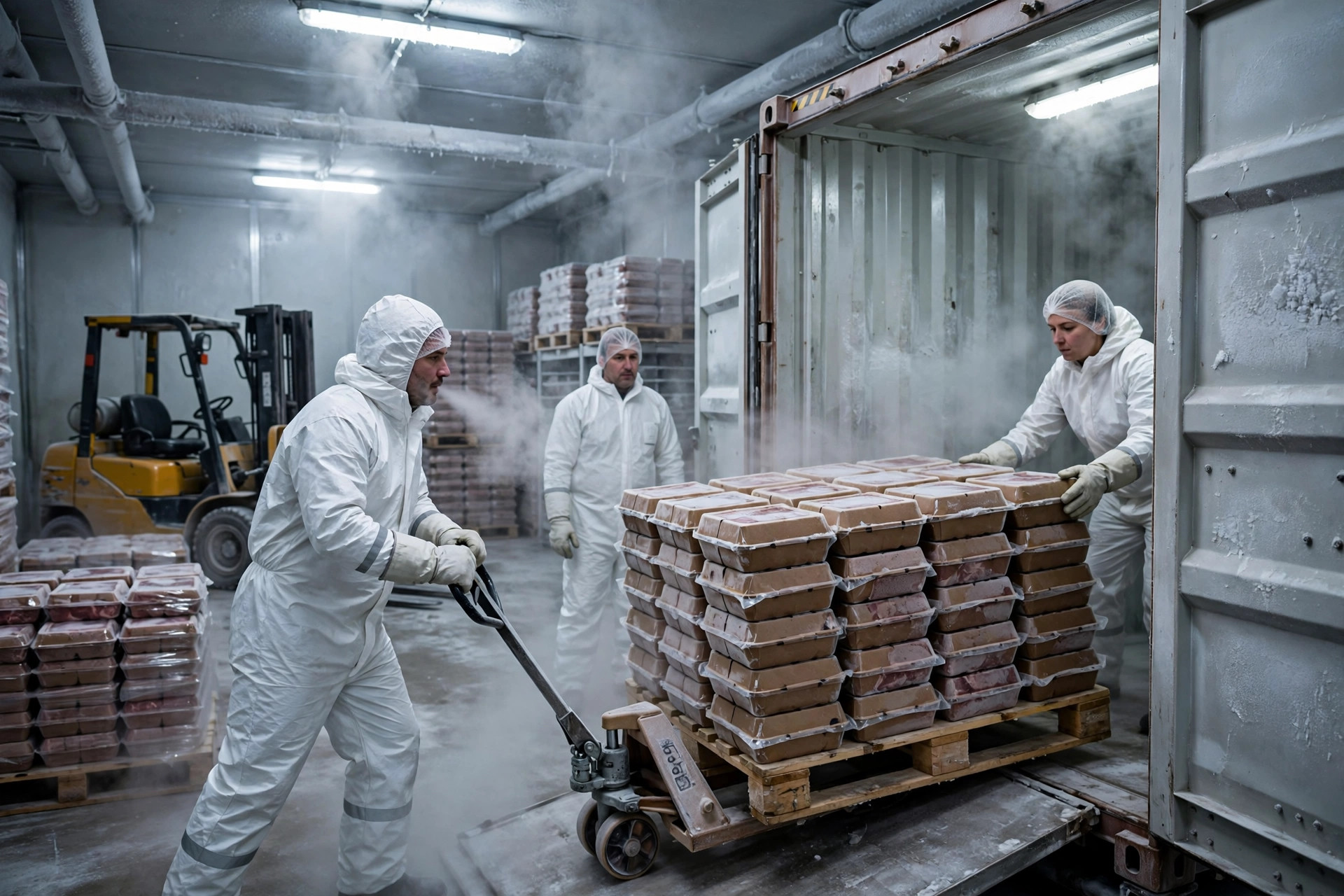
Field to pre-cooling is a handover. Pre-cooling to the grading and bunching room is another. The grading room to cold storage is another. Cold storage to the airport handover point is another. At every handover someone opens a door, someone moves boxes, someone waits for a truck. A door left open a little longer nudges the temperature up a little more. None of it looks fatal on its own. Added up, it costs a flower its life.
My friend's load failed exactly there. The field truck arrived late, pre-cooling had a queue, and boxes sat for a while outside the grading room. Each step was only "a little late." Together, they wrecked the temperature log. Buyers do not listen to explanations. They read the log. In this trade, the record beats the story.
My fix is unglamorous and it works: put a person, a sheet, and an alarm at every handover. Who received it, at what time, at what temperature — written down on the spot. Never backfill logs afterwards. A backfilled log does not even convince the person who wrote it.
How I Run It: The Post-Harvest Warehouse Routine, No Shortcuts
Here is the post-harvest routine, all practical stuff.
Cut flowers go straight into field pre-cooling. Do not stack them in the sun waiting for a truck — half an hour in the sun takes a visible chunk off their vase life. Pre-cooling holds at 0–4°C with humidity around 95%. Low temperature slows respiration; high humidity protects moisture. You need both. Cool without humidity, and flowers still wilt on you.
After pre-cooling comes grading and bunching. Grading is not picking the pretty ones. It means putting flowers of the same maturity and stem length in the same bunch. Mix them, and the buyer opens a box of uneven stems and quietly drops your next order. Once bunched, flowers go straight back into cold storage — not left sitting in a room-temperature workshop for photos or for someone to come and collect them. A workshop, however cool it feels, is not a cold room.
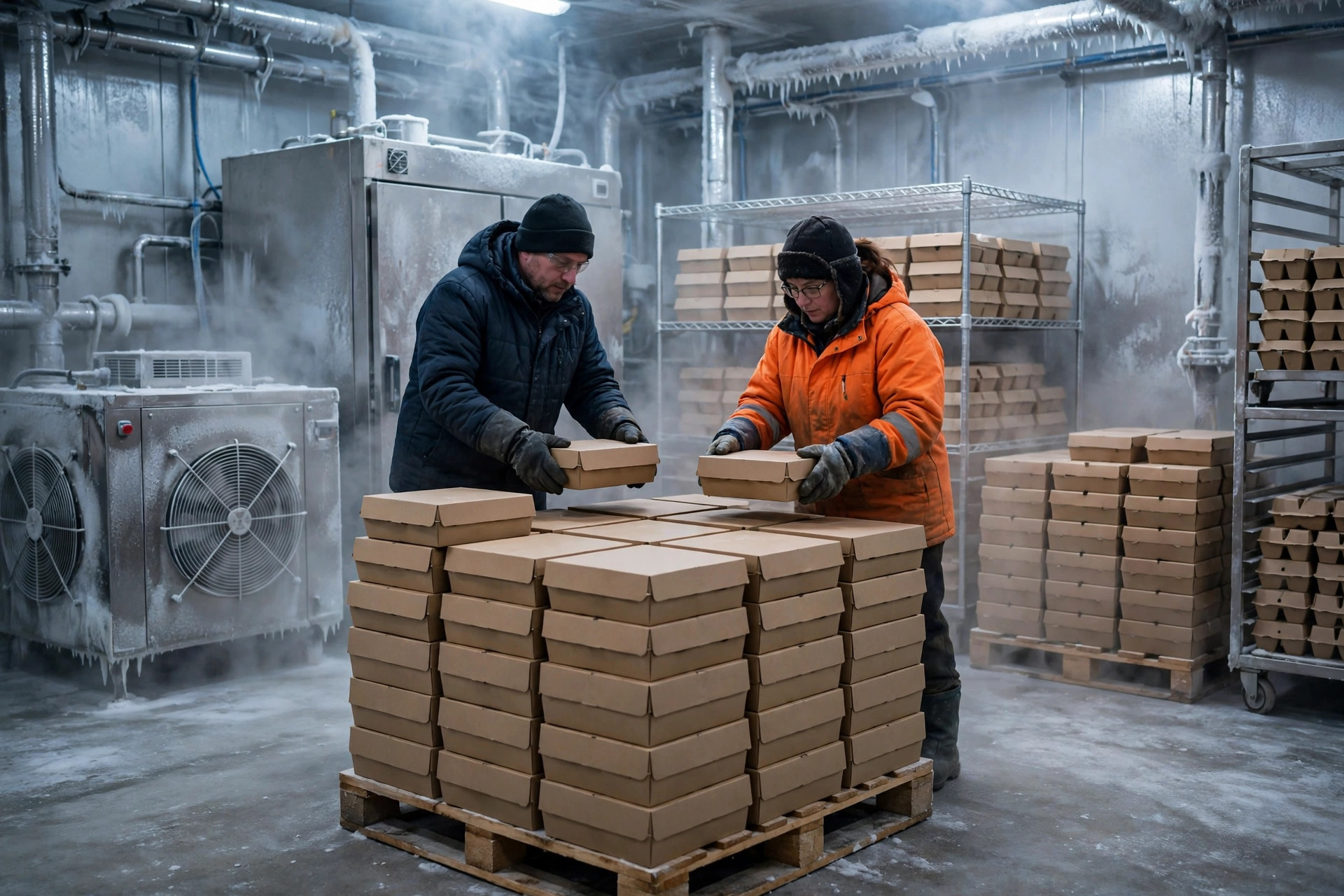
In cold storage, the warehouse watches three things: temperature holding steady at 0–4°C, humidity holding around 95%, and a record of every door opening. It sounds fussy, but flowers do not do "roughly." Let the temperature drift, and grey mould starts looking for its chance. Grey mould is sneaky — one cold chain break does not always show up immediately. It shows up in the buyer's hands, when it is far too late to find the break point.
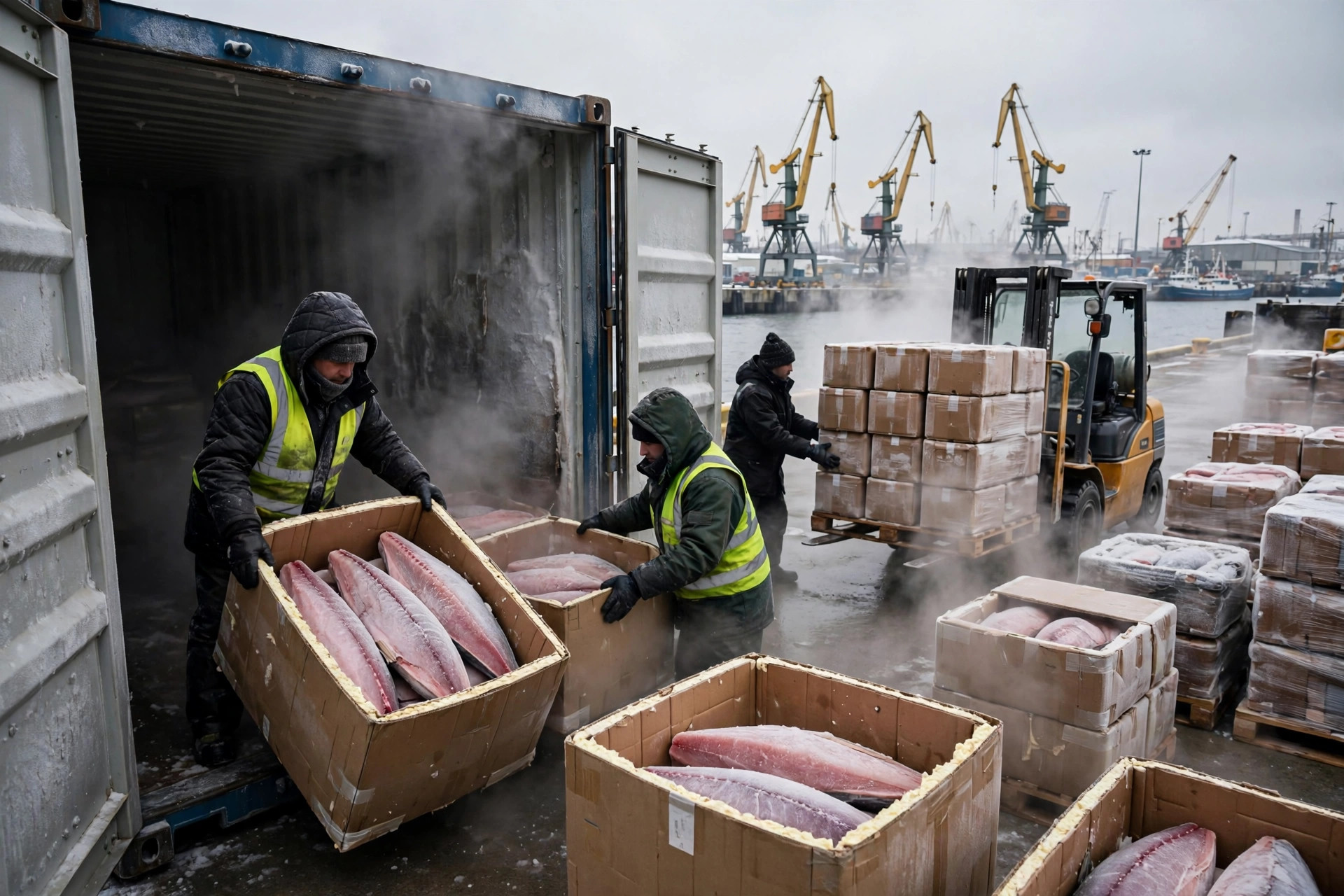
The freighter cut-off time is a hard deadline. Freight must reach the airport cold chain handover point early, with paperwork, temperature logs, and carton counts reconciled in one pass. Delivering right at cut-off bets the whole chain on the last mile. I have lost that bet before. Now I always deliver early — better to wait a while in the airport cold store than gamble on the road.
| Stage | Temperature and humidity | Time discipline | What a break costs |
|---|---|---|---|
| Field pre-cooling | 0–4°C, humidity around 95% | Cool immediately after cutting, never stack and wait | Respiration continues, vase life drops first |
| Grading and bunching | Work inside the cold environment | Back to cold storage right after bunching | Mixed grades, water loss, buyer deductions |
| Cold storage | Steady 0–4°C, humidity around 95% | Door openings logged | Grey mould strikes, surfacing at destination |
| Airport handover | Unbroken cold chain throughout | Arrive early, never right at cut-off | One flawed log keeps the load off the freighter |
The Numbers: Why 48 Hours Is a Real Window, Not a Slogan
Flower exports have a hard window: farm to market in 48 hours is the target everyone cites. What does it mean? From cutting to the buyer's shelf, the whole chain should fit inside that window. Past it, flowers do not die instantly — they decline step by step. Petal edges soften first, colour dulls, buyers start picking faults, and only then does the whole lot get rejected.
Here is the counterintuitive part: when flowers arrive wilted, people blame slow transport. More often, the warehouse stages stole the time. A long flight is a visible cost everyone can see. The real thieves are pre-cooling queues, boxes stacked outside the grading room, and waiting at airport handover — each one "just a moment." Moments add up, and the 48 hours disappear.
My friend changed his routine and the result was immediate. Pre-cooling slots booked in advance, the grading room working by batch call numbers, airport delivery moved earlier, and logs written on the spot instead of backfilled. That peak season, his flowers boarded the freighter on time and passed the buyer's re-inspection first try. He told me the change was not equipment. It was the unmanaged gaps in the process.
Colombia Flower Export Cold Chain Pitfalls to Fix Before They Cost You Money
Here is the pitfall list, straight up.
Temperature logs must cover more than the cold room. Trucks, handover points, airport holding — those logs matter just as much. Buyers judge the full chain, not one pretty stretch of curve.
Do not ignore humidity. Watching temperature while ignoring humidity lets flowers dry out silently. Around 95% is not decoration; it is the floor that keeps petals hydrated.
In peak season, do not just add people and trucks without adding process. More hands make handovers messier, not cleaner. What peak season really needs is a roster and a handover sheet, not just headcount.
And do not wait until you see grey mould to act on it. Mould is lagging evidence of a break — by the time spots appear, the break happened long ago. The defence against mould is not a spray. It is an unbroken cold chain.
In the end, this trade is not won by whoever grows the prettiest flower. It is won by whose warehouse routine can defend those 48 hours. From a highland farm near Bogotá to a freighter, every door and every handover is a race against time. Manage the process, and flowers arrive looking freshly cut. Fail to manage it, and the best variety in the world is wasted — that is the whole colombia flower export cold chain warehouse lesson in one line.
I have applied this routine to more than one warehouse, and the winning change is always the same: not fancier equipment, but closing the gaps at handover. That trick genuinely works — I have tested it myself.
By Ah K, E-commerce Seller (5 yrs)