A carton of beef leaving Uruguay does not get expensive at the port. It gets expensive inside the cold store, one day at a time. That is the way to think about the uruguay beef export warehouse cold chain: not as a freight story, but as a warehouse ledger. Split it into chilled and frozen, and the ledger splits with it. Same cold store door, different bills. Added together, they give a monthly total that shocks everyone and explains nothing.
Start with an illustrative bill, not a quoted rate. Suppose a chilled consignment sits six days in a cold store near the port of Montevideo, and a frozen consignment of the same size sits twenty days at a lower illustrative daily rate. The frozen bill still comes out higher. The numbers are invented examples; the arithmetic is the point. Chilled cargo fears time. Frozen cargo fears occupancy. A manager who only negotiates the daily rate while ignoring total days is negotiating the wrong number.
Uruguay's top beef markets, in qualitative terms, are China, the United States, and the European Union. Different destinations mean different warehouse work. Cargo bound for the EU carries a hard rule: EU-eligible and non-EU-eligible product must be segregated in storage, movement, and records. A new traceability verification procedure rolled out from the start of July; check the current detail against the official source before writing it into a work instruction. Segregation is not an extra label. It is separate locations, routes, and records. Mix the streams once and the eligibility of the whole lot becomes hard to defend, and fixing that afterward costs more than segregating properly at intake.
The Uruguay Beef Export Warehouse Cold Chain, Priced as Two Streams
The chilled stream is a race against the clock. Intake, checking, labelling, and loading into the reefer container have to flow in one short movement, and the cold chain must not break. A break is not a small quality discount; it is a lost container of trust. Every extra day a chilled lot waits, risk and cost rise together. So put chilled intake as close as possible to the reefer loading area, and run checking, labelling, and loading uninterrupted. Every extra turn a forklift takes is paid for in labour and cold loss.
The frozen stream is a battle against disorder. Frozen cargo tolerates extra days, but it does not tolerate a mess. Lots for different markets, specifications, and production batches stacked together turn every outbound pick into a dig: find one pallet, move three. Frozen accounting has to run by batch: which batch came in first, which leaves first, and which is stuck in the middle. First in, first out only works when the location system points the picker at an exact slot, not when it relies on memory.
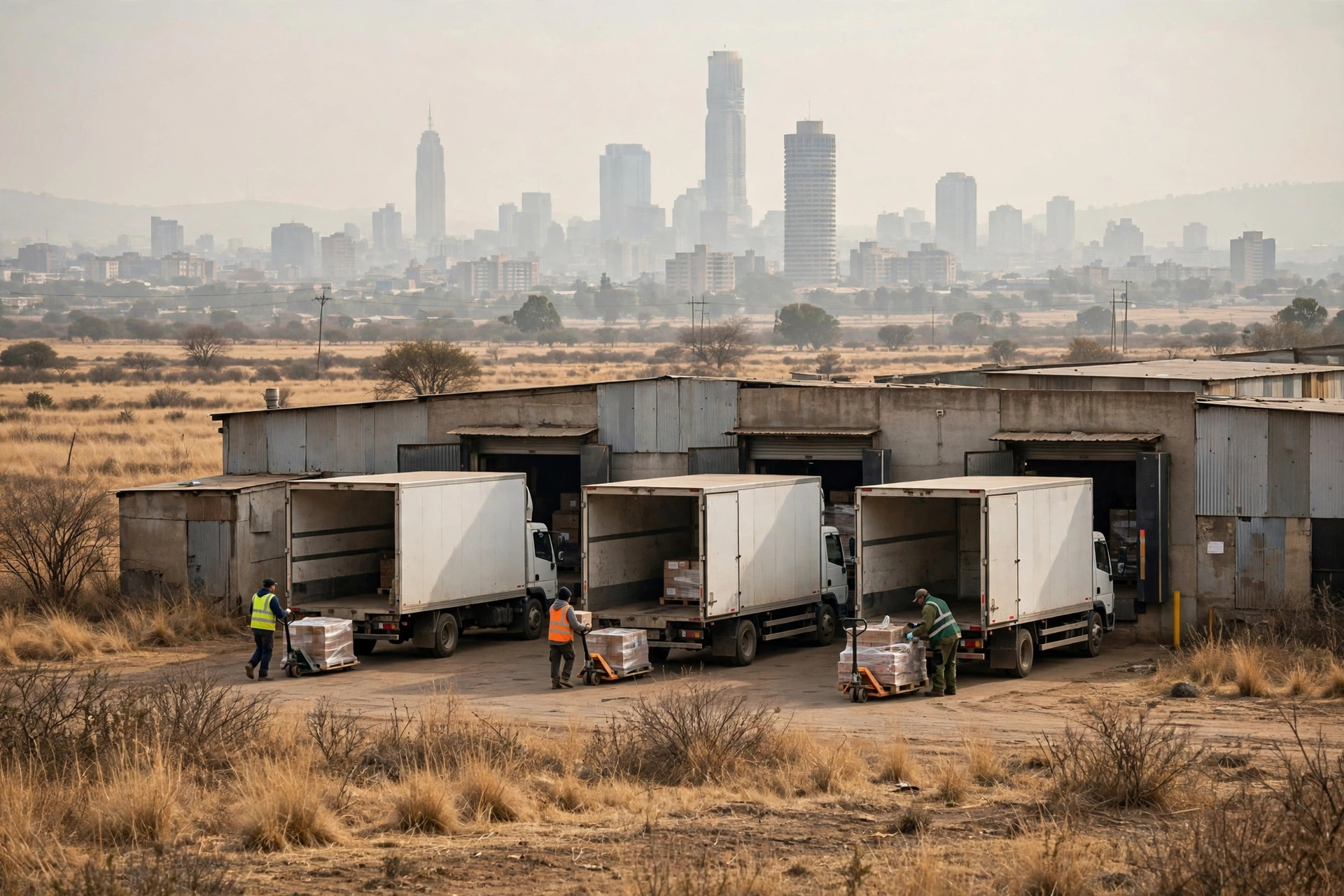
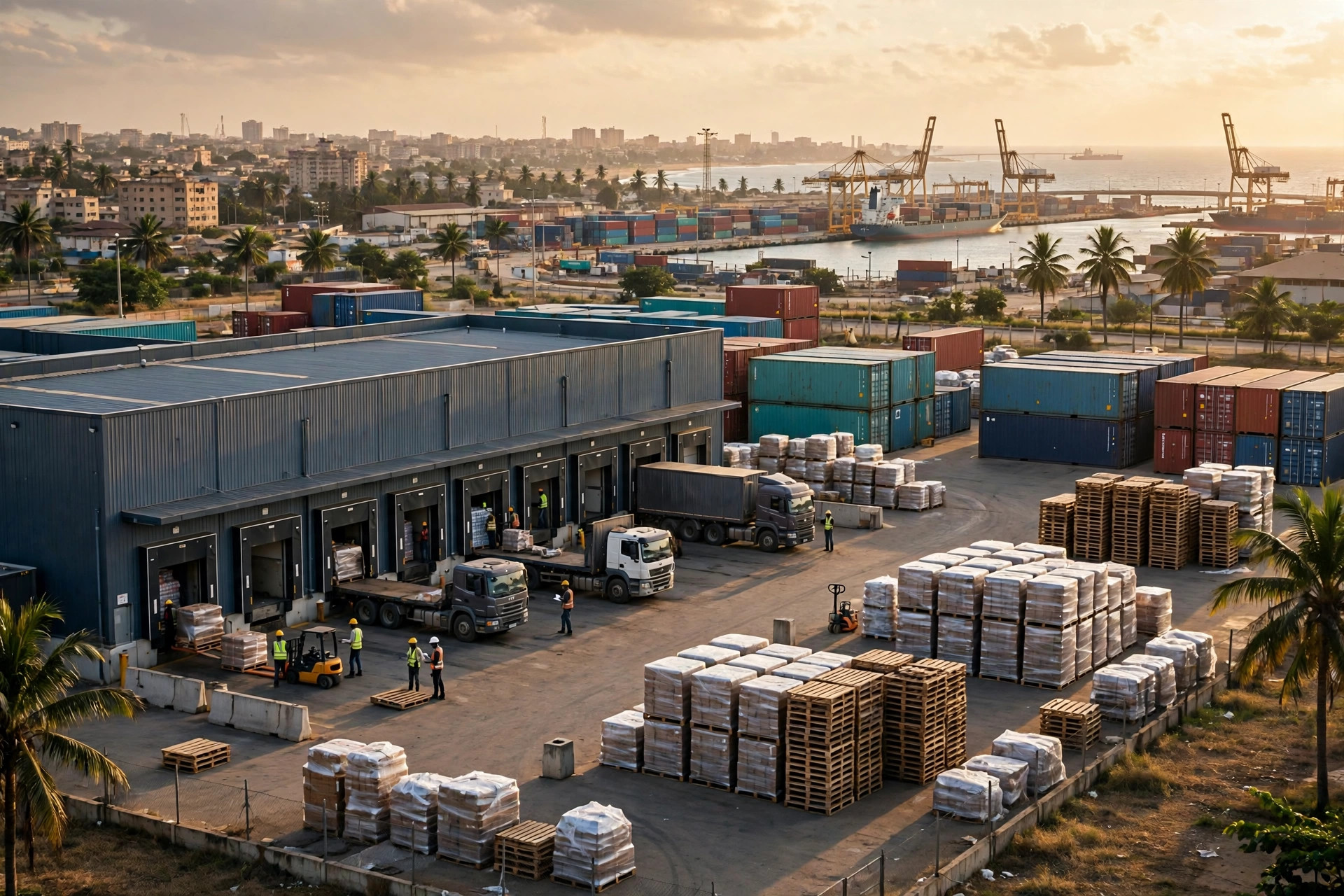
Consider a first scenario, set at a cold store near Montevideo and built from illustrative figures. One week brings two lots at once: a chilled lot bound for the EU and a frozen lot for general export. The chilled lot was planned to leave in three days, but the vessel schedule slips by two days. On the illustrative bill, the extra days are not just two days of storage; they also buy one extra checking round and one rewritten loading plan, costing half a shift in replanning. The lesson is plain: a chilled plan built only around the normal vessel schedule is built to fail. Budget one buffer day for schedule movement; it costs far less than a rewritten plan.
Consider a second scenario, at the same cold store in a different month, again illustrative. A frozen lot arrives with its EU-eligible and non-EU-eligible split not locked down at intake. The location map looks segregated, but the actual movement paths cross. At verification, the lot has to be reorganised, taking two shifts of labour and half a day of loading-bay time. On the illustrative bill, that reorganisation alone costs more than segregating properly at intake would have cost for the whole lot. Segregation paid at intake is cheap; segregation paid after the fact is the most expensive kind.
Where the Uruguay Beef Export Warehouse Cold Chain Leaks Money
The first leak is dwell time. Cold storage bills by the day, and days are the multiplier. Dwell cannot be managed by urging people to hurry. It needs a daily dwell sheet: which lot has been in for how many days, why it has not left, and whose hands the next step is in. Without that sheet, a manager can only chase by feel, and feel does not move vessel schedules or paperwork.
The second leak sits in the choice between booking a reefer container early and gambling on port bypass. Book early and the cost is visible. Wait until the cargo is ready and no container is available, and the cargo waits in the store, with the waiting bill usually larger than the early booking cost. Book too early, though, and an empty wait costs money as well. The balance lives in a simple comparison: over recent months, how much did early booking waste, and how much did late booking cost in dwell? Put both numbers side by side and next month's booking lead time practically sets itself.
The third leak is checking and rework. A wrong label, a mixed batch code, a misrecorded location: each error is paid for twice in labour. The deeper cost is the time window it steals. Rework occupies the loading bay, outbound loading queues behind it, queues stretch dwell, and the bill rolls on. The fix is unglamorous: two people cross-check at intake, and critical information is read aloud before it is entered.
The fourth leak is cold loss and loose operations. Door openings, forklift trips in and out of the store, night-shift arrangements: each looks small, and together they dominate the power bill. Nobody can price a single door opening from memory, but the monthly power bill tells the story. Lay out door cycles, peak hours, and night workloads in one table, and the waste shows itself.
| Cost item | Chilled (illustrative) | Frozen (illustrative) | Lever |
|---|---|---|---|
| Dwell days | Short stays, each delayed day costly | Long stays, total creeps up quietly | Daily dwell sheet flagging overdue lots |
| Segregation | EU-eligible cargo apart from intake onward | Many batches, one mix-up triggers rework | Lock the split at intake, never retrofit |
| Reefer booking | Late booking strands cargo, early booking idles a box | More forgiving, peak season still squeezes supply | Lead time from past early-versus-late losses |
| Checking and rework | An error delays the loading window | An error means digging through stacks | Two-person checks, critical data read aloud |
| Cold loss and handling | Door cycles and route length show up fast | Long occupancy turns loose management into a leak | Schedule peak hours and door discipline |
Every figure in that table is an illustrative framework; real numbers must come from your own cold store's invoices. A single total hides the lever. Five separate lines expose it.
A Cost SOP for the Uruguay Beef Export Warehouse Cold Chain
Here is the counter-intuitive judgment that most rate shoppers get wrong: the cold store with the lowest daily rate often produces the highest total bill. A cheap store far from the loading area, with winding routes and slow checking, adds two dwell days and one rework round, and the total overtakes the dearer store. The honest comparison is the full journey bill for one container, from intake to loading: days multiplied by the daily rate, plus the probability of rework multiplied by rework cost, plus the store's ability to absorb a vessel schedule slip.
The order of work matters too. Fix the process before negotiating the price. Negotiate first, and a supplier may concede a few points while the warehouse keeps leaking more points internally. Fix the process first, and the negotiation rests on real volumes and real dwell figures.
Three actions can start tomorrow. First, run a daily dwell sheet, overdue lots flagged and owned by name. Second, write the EU-eligible and non-EU-eligible intake split as a fixed rule, enforced in locations, routes, and records at once, and update the work instruction whenever the official procedure changes. Third, review the full journey bill monthly: what early booking wasted, what late booking cost, how many rework rounds happened, and whether dwell rose or fell. Three months of those tables, and the leaks will name themselves.
The calculable conclusion: warehouse savings do not come from the cheapest daily rate. They come from accounting for every day a container spends in the store, segregating eligibility at intake, and cutting rework. Bring dwell down, lock segregation in, and cut rework, and the total falls on its own. Run those numbers before arrival, and where to put it and when to book its box will answer themselves.
By Lao Zhou, Logistics Cost Analyst