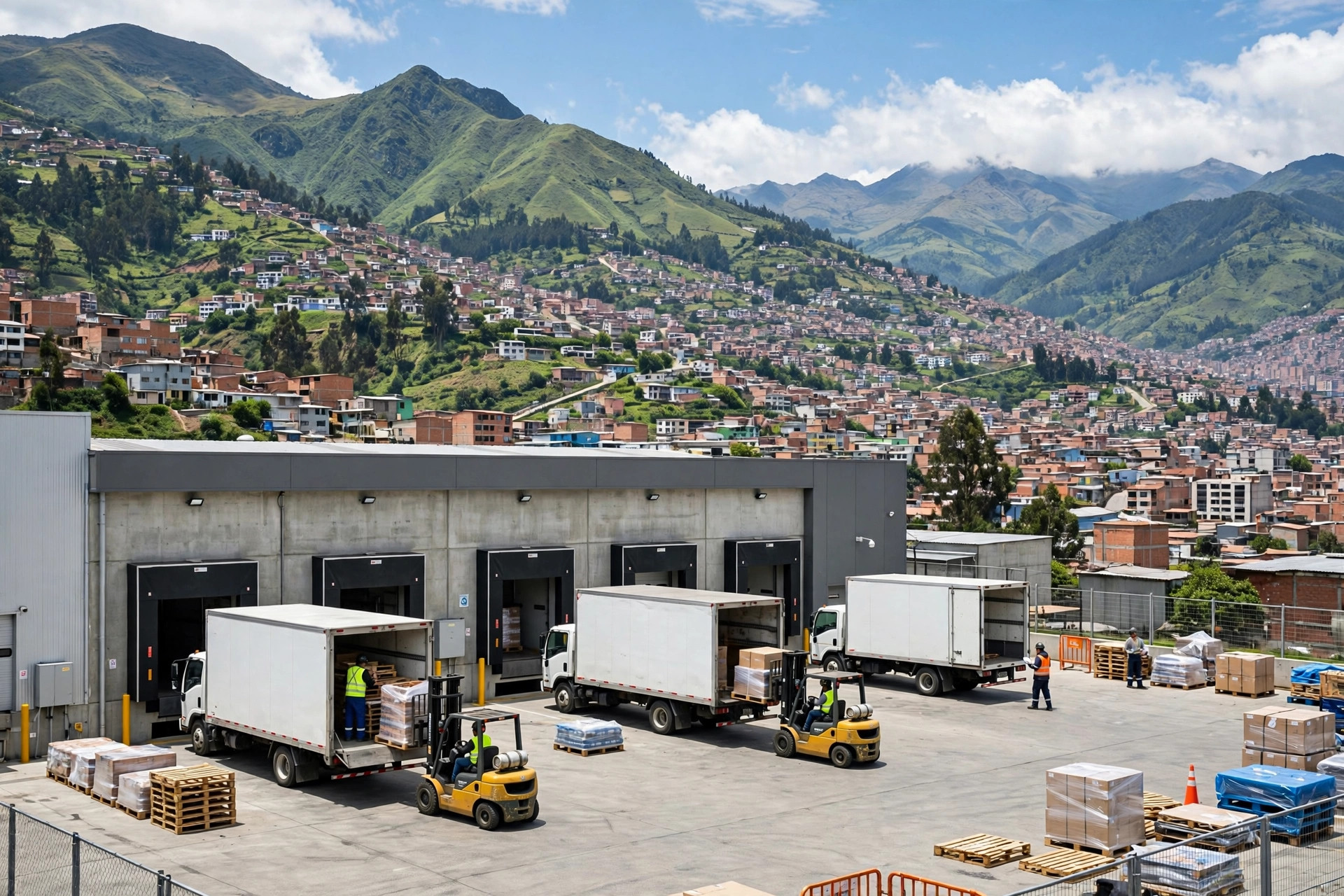
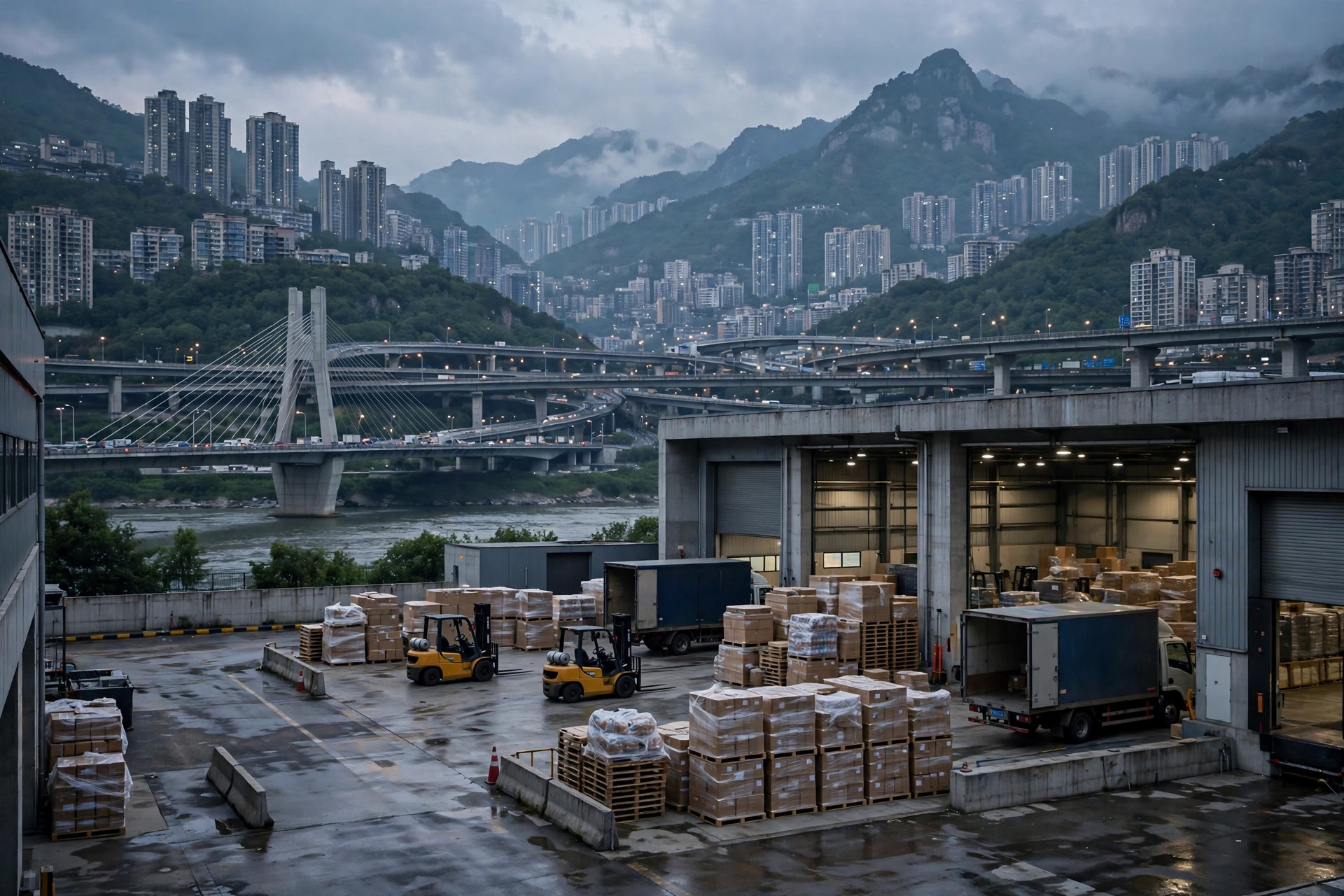
Here is my blunt take on montevideo warehouse market logistics: do not start by asking what a warehouse near the port costs. Start by asking how long your cargo will sit in Uruguay and where it actually needs to go. If it turns fast and ships urgently, a port-side warehouse is worth every penny. If it sits for weeks and scatters inland, suburban and inland distribution points will save you real money. Location is not a building. It is a route. Get the route wrong, and every dollar you save on rent comes back doubled in freight and lost time.
Montevideo Warehouse Market Logistics in Three Moves: Port, Suburbs, Inland
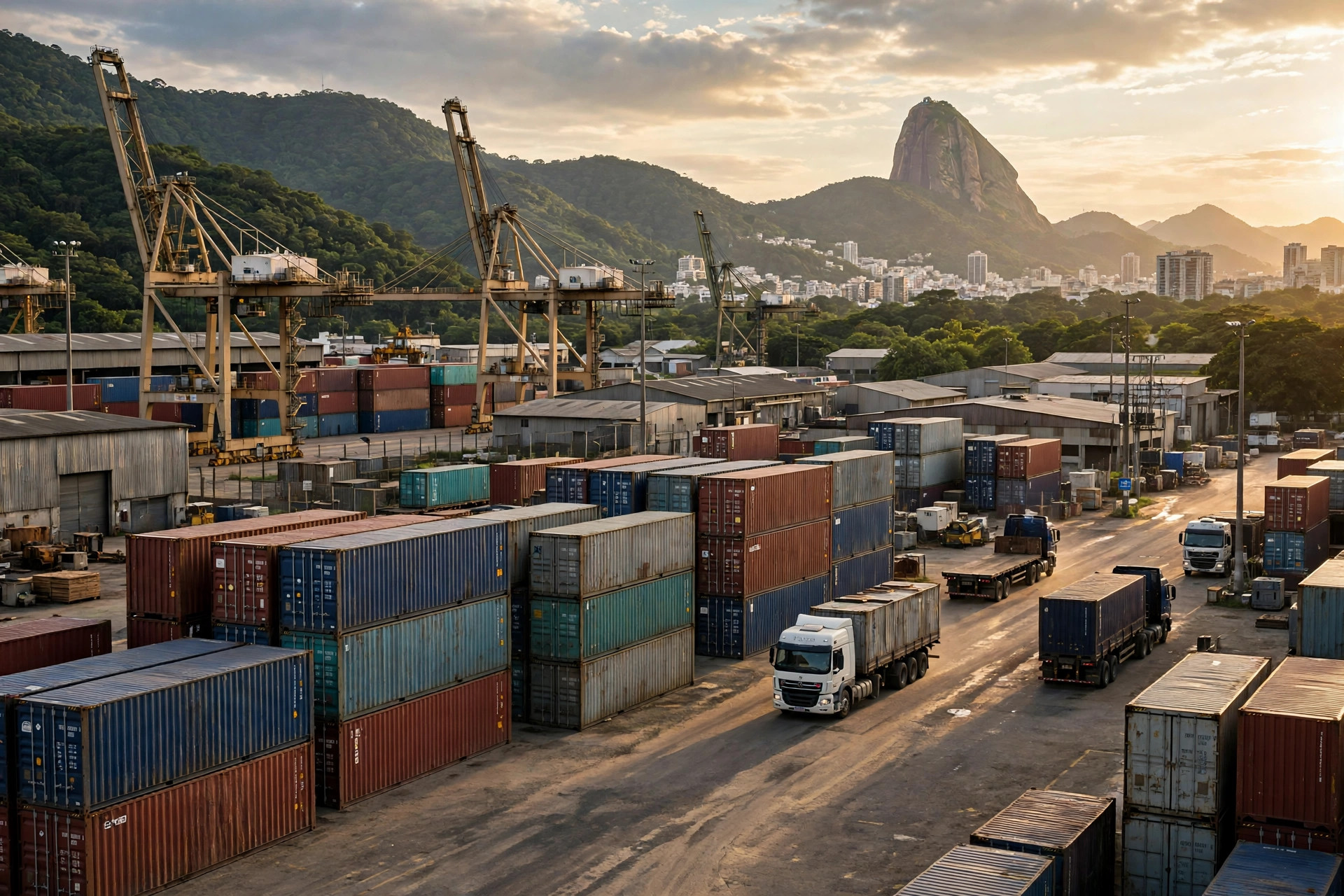
There are two sides to this. Montevideo is Uruguay's main deep-water port and the gateway for a country of just over 3 million people. Nearly everything comes through here first and then fans out across the country. That part is geography, and you cannot argue with it. But where you put your warehouse along that journey is a genuine choice, and it is one I have seen too many companies get wrong by equating "close to the port" with "cheap logistics."
Before you look at a single property, write down three answers. First, is this cargo passing through or selling locally? Second, are your buyers concentrated in Montevideo or spread across the whole country? Third, how fast does the stock turn — how many times a month does it move? Different answers point to different locations. Port-side, suburban, and inland each carry their own price tag, and I will walk through all three.
Next to the Port: Fast, but the Costs Hide Elsewhere
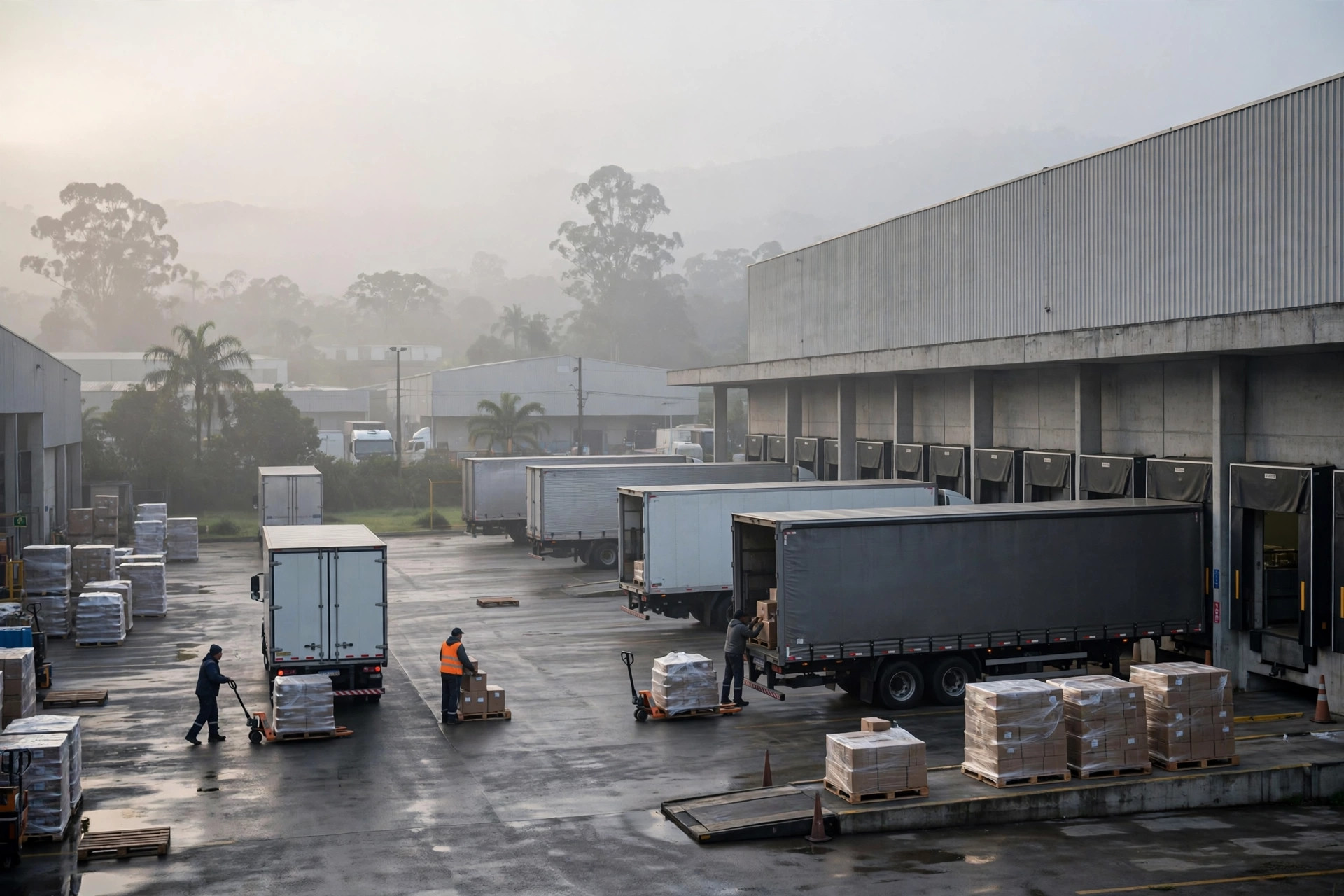
I worked with an importer of household goods who learned this the expensive way. In the fall of 2023, two 40-foot containers landed at the port of Montevideo, and the company rented a small warehouse right beside the port area to keep things simple. The logic sounded solid: the cargo was close, so dispatch would be fast. In practice the stock sat there for 3 weeks. City buyers ordered in small drips, and every pickup had to fit the port area's scheduled access windows. Trucks waited outside the gate for the better part of a day, and drivers billed by the hour, so the waiting time showed up on the invoice line by line. Worse, the port-side space was small. When the company needed overflow room, there was nowhere to expand, so it rented a second unit and moved stock between the two — one more handling step, one more chance for damage and counting errors.
The lesson is plain: a port-side warehouse buys speed, not capacity. Its real costs are restricted access, limited floor space, and no room to grow. If your cargo clears and ships within 48 hours, that trade-off is worth making. If your stock sits for two or three weeks waiting for orders to trickle in, you are paying a premium location to store slow-moving goods. Port-area rents and fees move quickly, so treat any specific rate as a figure to confirm against current local official sources before you budget, not as a number to copy from an old article.
Suburban Space in the Montevideo Warehouse Market: Cheap Rent, Costly Miles
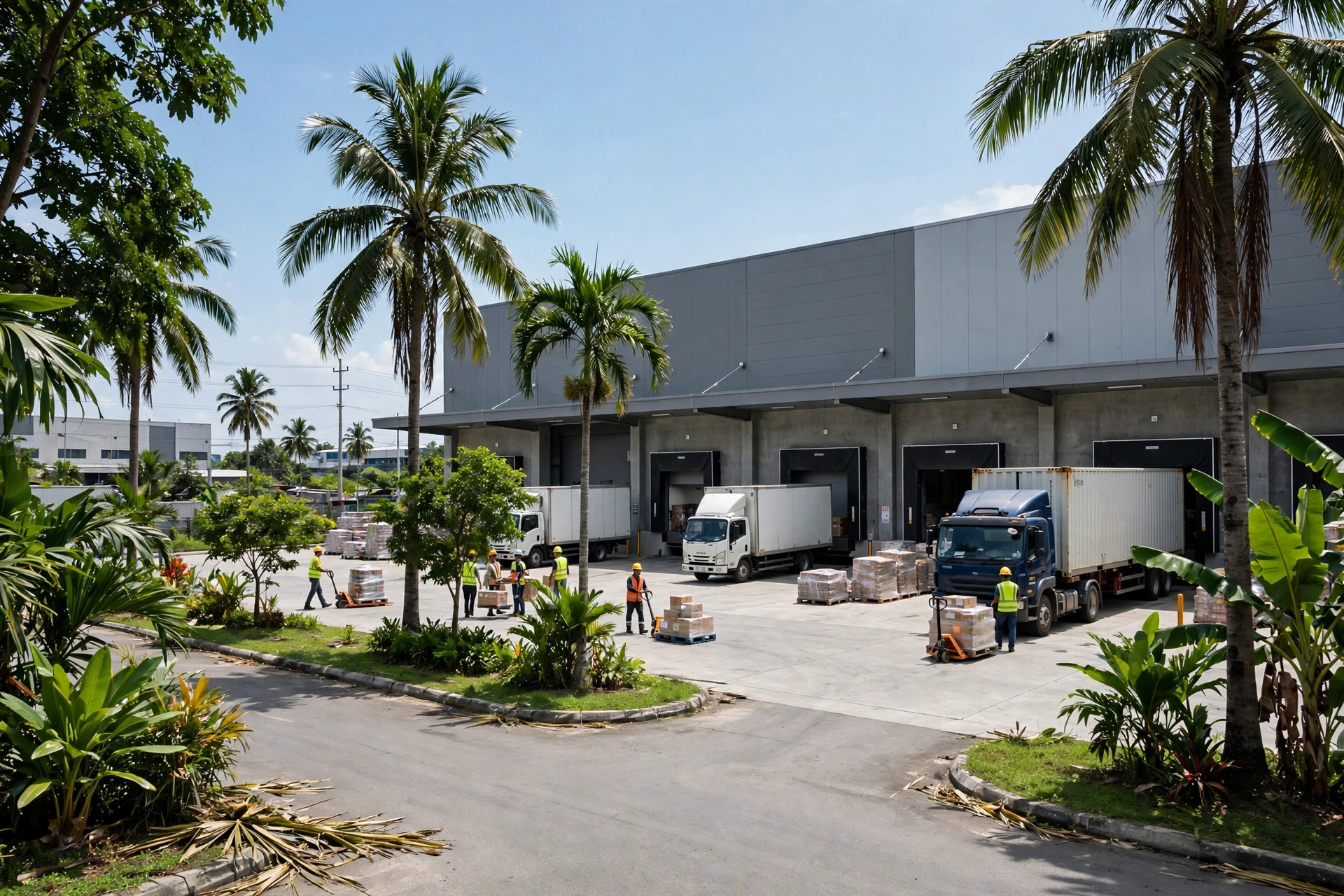
Suburban warehouses are where most small and mid-sized importers should actually be looking. The space is bigger, you can expand, trucks come and go without queuing at a gate, and you can run racking, picking, labelling, and repacking properly — work that a cramped port-side unit simply cannot handle. I watched one client move from the port area to a suburban warehouse and cut outbound processing time by more than half for the same volume, because four people were no longer tripping over each other in a tight room.
But there are two sides to this as well, and the suburban story has its own bill. In montevideo warehouse market logistics, the rent you save has a habit of reappearing on the road. Cargo travels from the port to the suburb, then from the suburb to the city customer — two legs instead of one. When volumes are small and orders are frequent, the per-order freight share is not cheap at all. So do not compare two warehouses by monthly rent. Compare monthly rent plus port-to-warehouse plus warehouse-to-customer, divide by the number of orders shipped that month, and you get the true logistics cost per order. Run that math on your last 3 months of real shipment data, and treat high-volume and low-volume months separately instead of hiding behind an average. Here is the framework I use with clients:
| Location | Best for | Main cost | Biggest trap |
|---|---|---|---|
| Port-side | Urgent cargo, fast turn, shipping within 48 hours | Restricted access, small footprint, hard to expand | Stock sits, waiting charges eat the margin |
| Suburban warehouse | Stock held 2+ weeks, needs picking and processing | An extra transport leg, higher per-order freight | Low volume means trucks run half-empty |
| Inland point | Steady shipments to inland cities | Upfront stock, inventory spread thin | Wrong stock, and rebalancing costs more than direct shipping |
Inland Distribution: the Most Underrated Move in the Montevideo Warehouse Market
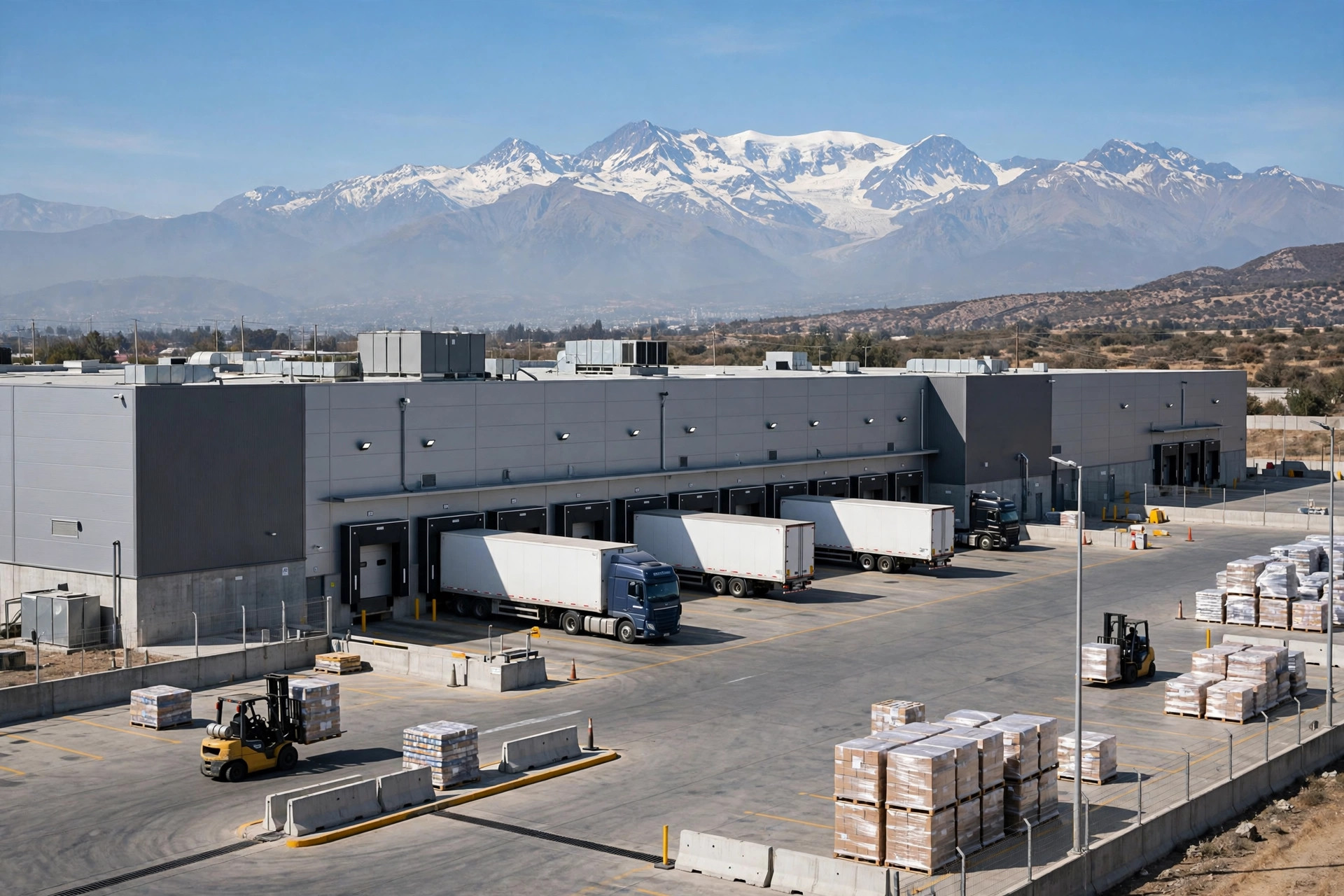
Here is the counterintuitive call: in a small market like Uruguay, an inland distribution point can beat a bigger Montevideo warehouse. The country's population is small and spread thin, so a single inland order shipped from the capital every time burns freight and days. Yet the combined demand of a few inland cities is real enough to justify a smarter route.
In early 2024, another client showed how it works. His orders to inland destinations were steady — 2 to 3 scheduled runs a week. Instead of shipping every order individually from Montevideo, he set up a small inland distribution point, sent full truckloads from the capital, and broke bulk there for local delivery. The extra warehouse and handling cost was real, but the full-truck rate spread across each order came out lower, and delivery times to inland customers fell from 4 to 5 days to about 2 days. Returns and complaints fell with them. The catch matters, though: this only works when inland orders are stable enough to fill a truck on a regular schedule. If orders come and go, the stock you pre-positioned inland just sits there, and sending it back costs you again.
So do not plan montevideo warehouse market logistics by staring only at the capital. Plot your orders on a map by destination. Any direction that reliably fills a truckload or more per week deserves a serious look as a distribution point. Any direction that produces only a handful of orders a month should keep shipping direct from the suburban warehouse. Building a point to claim "national coverage" is how small companies burn money.
A checklist before you sign anything. First, take 3 months of order data, group it by destination and frequency, and let that decide the location — not gut feeling. Second, price all three legs: rent, port-to-warehouse, and warehouse-to-customer, and compare cost per order, not rent per square metre. Third, check the practical conditions: can trucks enter at any hour, are there height or weight limits, can the warehouse run overtime shipments when you need them? Those details matter more than a slightly lower rent. Fourth, keep the contract flexible, with room to expand or exit, because volumes in a small market change fast. Fifth, anything involving bonded, free-port, or free-zone arrangements must be confirmed against the latest local official information and reviewed by a licensed local forwarder and lawyer before you sign; never rely on a broker's verbal promise.
To put it plainly, Montevideo warehouses are not hard to find. Finding the right location is the hard part. Port, suburbs, and inland are not good or bad in themselves — each fits a different kind of cargo and a different order pattern. So where is your money leaking right now: at the port gate, on the road, or in the last miles inland? Answer that honestly, and the location decision mostly makes itself.
By Lao Mi, Supply Chain Veteran (20 yrs)