We had a client in Solomon Islands cocoa export warehouse storage who opened our first meeting with one question: how much is warehouse rent per ton? I laughed, because he was asking the question backwards. In the Solomons, rent is almost never the expensive part. The money is lost — or saved — in fermentation, drying, and grading. Get those three stages right and slightly higher rent is a bargain. Get them wrong and free rent will still lose you money.
Call him Amin. He was buying beans on Guadalcanal and building up a container to ship out of Honiara. On his first shipment he cut corners. The beans went into a village shed, fermented in old wooden boxes with uneven banana-leaf covers, and dried whenever the weather cooperated: spread on concrete on sunny days, rushed under cover when rain came, and left damp a little longer with every move. By the time the lot reached a consolidation warehouse, the buyer's inspector did not need long to reach a verdict. Some beans were over-fermented, some were under-fermented, and because they had been mixed together, the whole lot was graded down. Amin paid the freight and the warehouse bill in full, and still took a grade deduction. His complaint afterward stuck with me: the deduction was fair, and he could not argue it, because his contract never said what “properly fermented and dried” actually meant.
Fermentation: Whose Job Is It, Exactly?
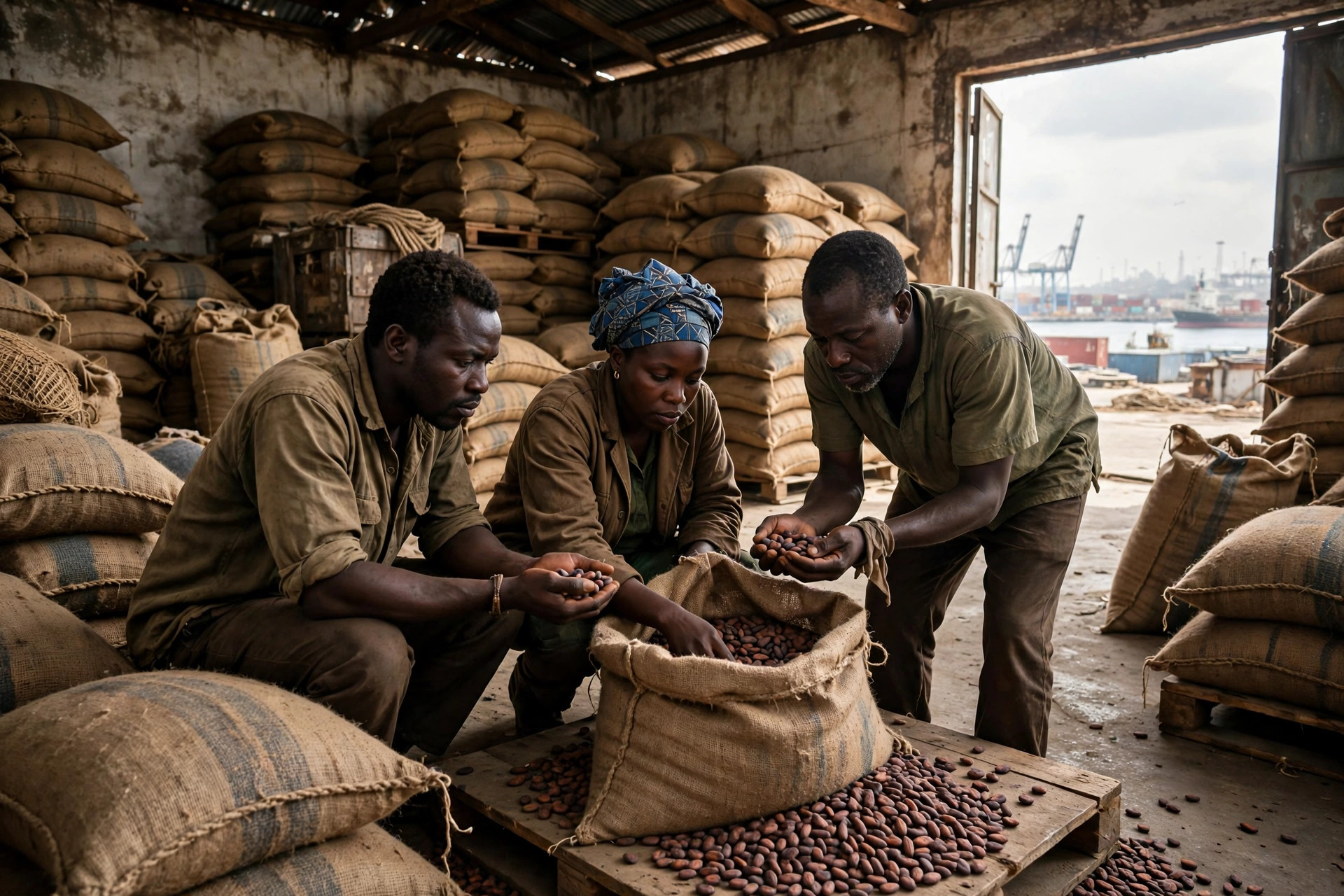
We had another client, a buyer on Malaita — call her Ling — who was smarter than Amin. She did not build her own fermentation sheds. She signed fermentation agreements with several village cooperatives, spelling out when beans entered the boxes, how often they were turned, and what counted as done, with a right to sample-check. That sounds airtight. Then the rainy season arrived, and the plan still leaked. One village was short-handed and turned a batch half a day late, so the acidity crept up. Another, rushing to meet volume, mixed in beans that were not fully ripe. Ling's fix was unglamorous and effective: nothing went straight into the main stock. Every delivery was opened and checked first, and anything that failed fermentation was stored separately, never blended with the good lot. Her rule is one only a warehousing insider would state so bluntly: mixing saves labor on the day and sacrifices the price of the whole lot.
So the first contract question is not about rent. It is: what counts as properly fermented, who checks it, and what happens when a lot fails? Is it sent back, reworked, or accepted at a lower grade? If those answers are not in writing, every dispute afterwards is a negotiation you have already lost. Cocoa has no “close enough” in fermentation. A batch either meets the standard or it does not.
Drying and Mold: The Slow, Damp Middle of Solomon Islands Cocoa Export Warehouse Storage
Drying is the most stubborn stage of Solomon Islands cocoa export warehouse storage. Rain is frequent, sunshine must be seized when it comes, and a sudden shower can undo a day's work. Amin's beans taught that lesson the hard way. Beans dried too fast can look dry on the outside while still damp inside, and after weeks sealed in a container at sea, that hidden moisture turns into a moldy smell on arrival. Beans dried too slowly are no better: the longer they sit in humid air, the more chances mold gets.
Our working rule for clients is plain, almost boring, and it works. Drying floors must be raised, ventilated, and quick to cover. Turning and covering must be signed off by a named person, not left to verbal assurances. Before beans enter the warehouse, they are checked again, and anything that fails is isolated rather than blended in to fill a container. Mold prevention in storage really comes down to two disciplines: do not leave beans sitting in damp conditions, and do not let suspect beans share a room with good beans. Both sound simple. Both depend on people and accountability, and neither happens reliably unless the contract names who is responsible.
Here is the counterintuitive point many buyers resist: drier is not always safer. Over-dried beans lose aroma, become brittle, and break more easily, and buyers discount for that too. The goal is not maximum dryness. It is a contracted standard that every lot can meet again and again. Repeatability is quality control. Without it, every container is a lottery ticket.
Three Solomon Islands Cocoa Storage Models, Compared Honestly
| Model | Who handles fermentation and drying | Advantage | Where it breaks | Best for |
|---|---|---|---|---|
| Village shed | The farmer | Cheap, close to origin | No uniform standard, high blending risk | Small volumes you can supervise daily |
| Town cooperative warehouse | The cooperative | Basic process, sample checks possible | Rainy-season labor shortages, late turning | Several villages shipping together |
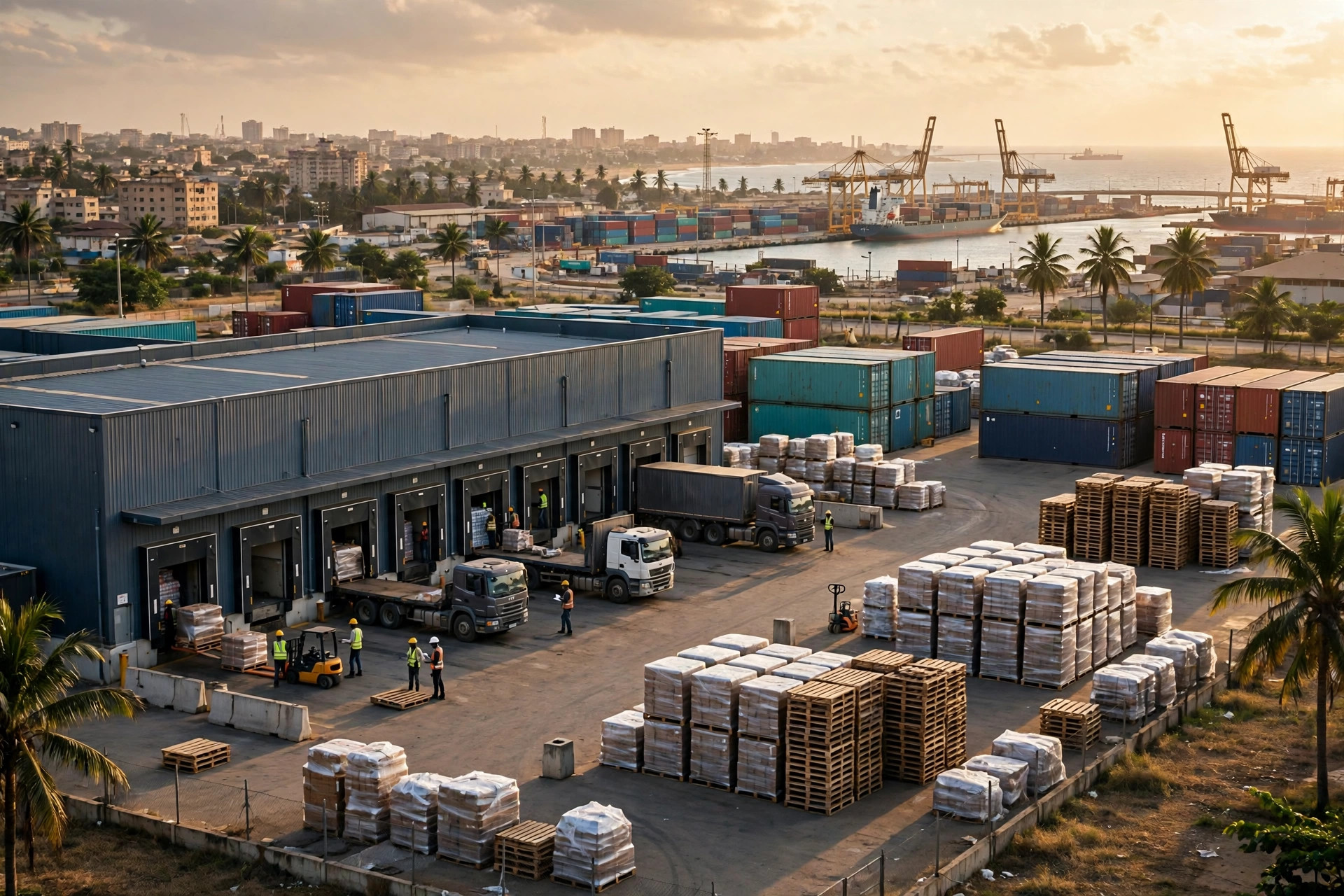
| Exporter consolidation warehouse | Exporter or third-party warehouse | Uniform standard, inbound checks, clear responsibility | Higher rent and management cost, one extra transport leg | Shippers who need stable grades and sailing schedules |
Do not compare these models on rent alone. Take a hundred bags as an illustration: the village shed is cheapest on rent, but if blending drags the whole lot down a grade, the loss is the grade difference on the entire lot. The consolidation warehouse costs more, but its inbound check pulls problem beans out before they contaminate the rest, protecting the price of the whole shipment. Add the costs nobody mentions in the first meeting — rework labor, re-drying time, and the cost of missing a sailing — and the “cheap” option often stops looking cheap. Actual rates and grade differentials vary by buyer and route, so treat any single shipment's numbers as illustrative and confirm current terms against the contract and the latest official policy.
Here is an insider truth buyers dislike hearing: the most expensive clause in a warehouse contract is rarely the rent line. It is the “what happens when goods fail” clause. Return, downgrade, rework, and demurrage are four different words with four different price tags. If you negotiate only the rent and ignore those four words, you are leaving the biggest bill for the day something goes wrong.
Negotiate the Standard Before You Negotiate the Rent
After years selling third-party logistics, I can spot two kinds of buyers who run into trouble: those who want everything cheapest, and those who sign contracts written like essays, full of gaps. Solomon Islands cocoa storage punishes both. Rain, roads, and sailing schedules are outside your control. The one thing you can control is a contract that pins down standards, inspection, and responsibility.
Three practical moves follow. First, write an acceptance standard and an inspection method for fermentation, drying, and grading separately. “Meets export requirements” is not a standard; it is an invitation to argue later. Second, treat inbound inspection and pre-shipment inspection as two separate checks with separate records. Say how failed goods are isolated and who pays for rework. Third, split liability by stage: origin, warehouse, and ocean leg should each have a named responsible party. A blanket “seller bears all responsibility” clause helps no one in practice — the warehouse operator still ends up blamed, and the buyer still struggles to recover anything.
Ling renegotiated on exactly those lines. Her cooperative agreements priced under-fermented lots separately instead of blending them into the main lot, and her warehouse contract kept a signature line for both inspections. Her rent was not the lowest. But she stopped losing whole lots to grade deductions, and she told me the renegotiation paid for itself the first time a problem lot was caught early instead of shipped.
So next time you negotiate a contract, ask these three questions. First, what standard counts as properly fermented, dried, and graded, and who inspects it? Second, how are failed lots isolated, and who pays for rework? Third, how is liability for mold and downgrades split by stage, and how is compensation calculated? Answer those three, and Solomon Islands cocoa export warehouse storage stops being a gamble — and starts being a business you can price.
By Susan, 3PL Sales Director