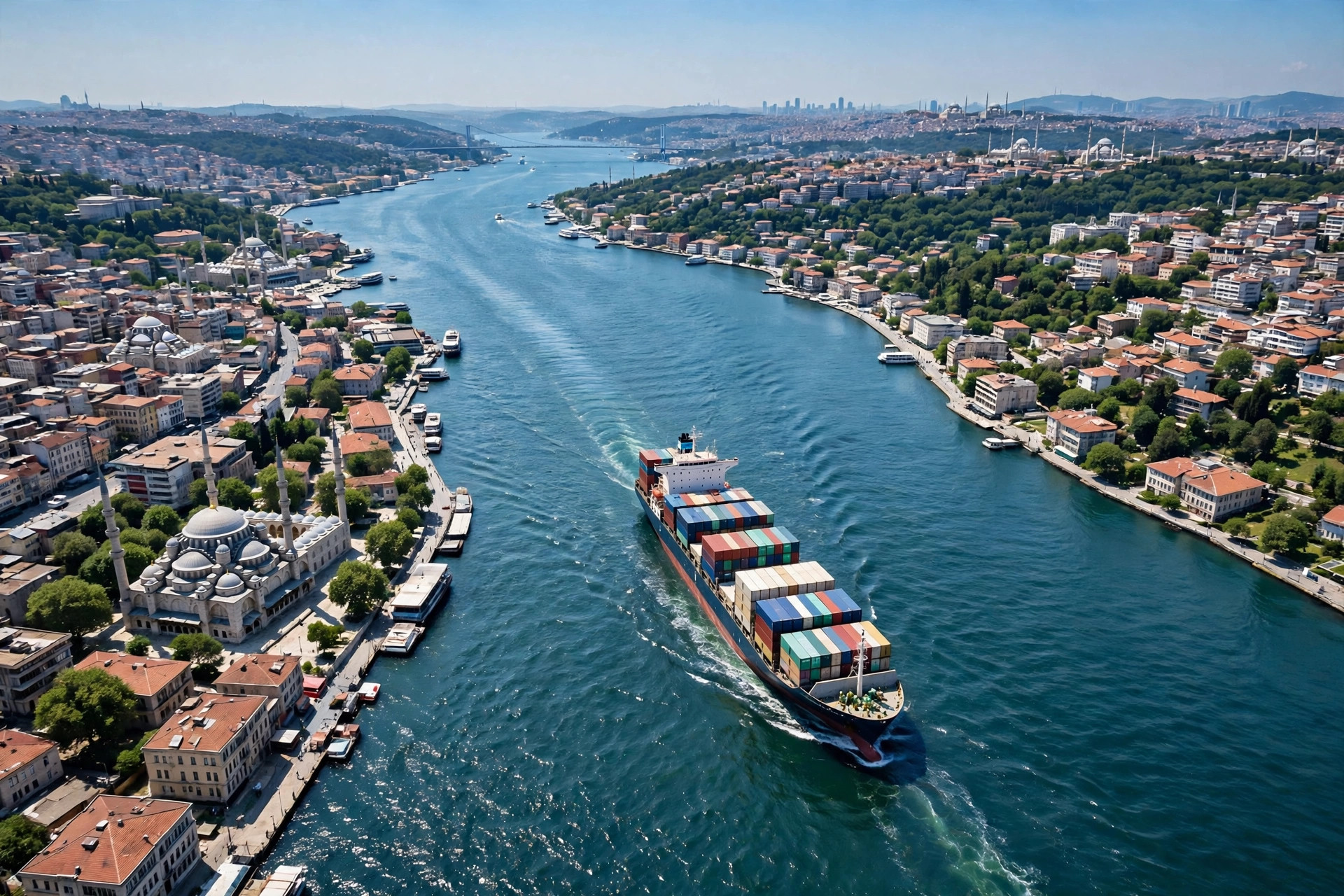
Last fall, I tagged along with an old friend from our group's overseas project to look at two warehouses in Istanbul. On the ride back I kept running the same math in my head: this is a city split in two by the Bosphorus, so which shore do you put your warehouse on? Get that wrong and your whole Eurasian distribution playbook falls apart.
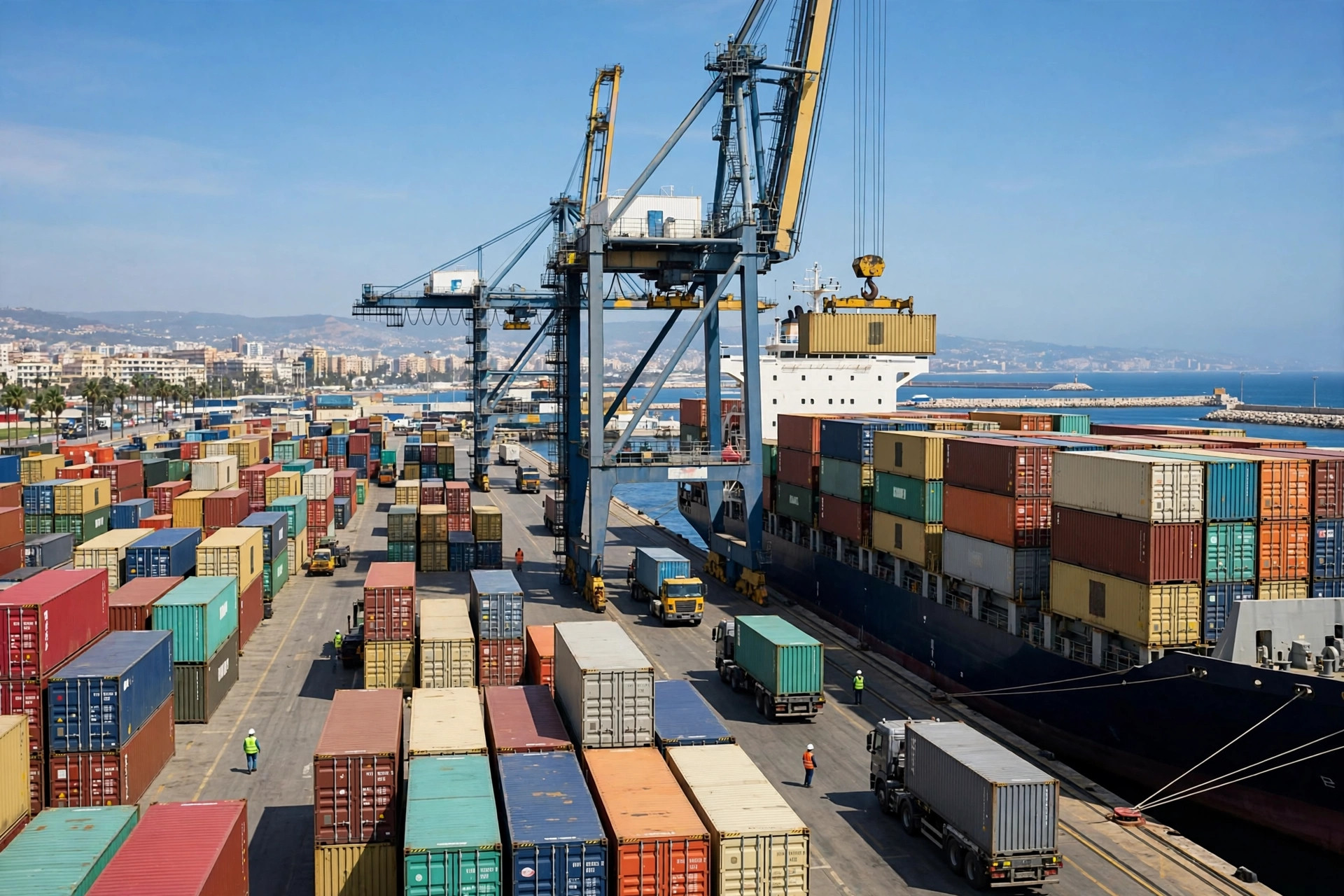
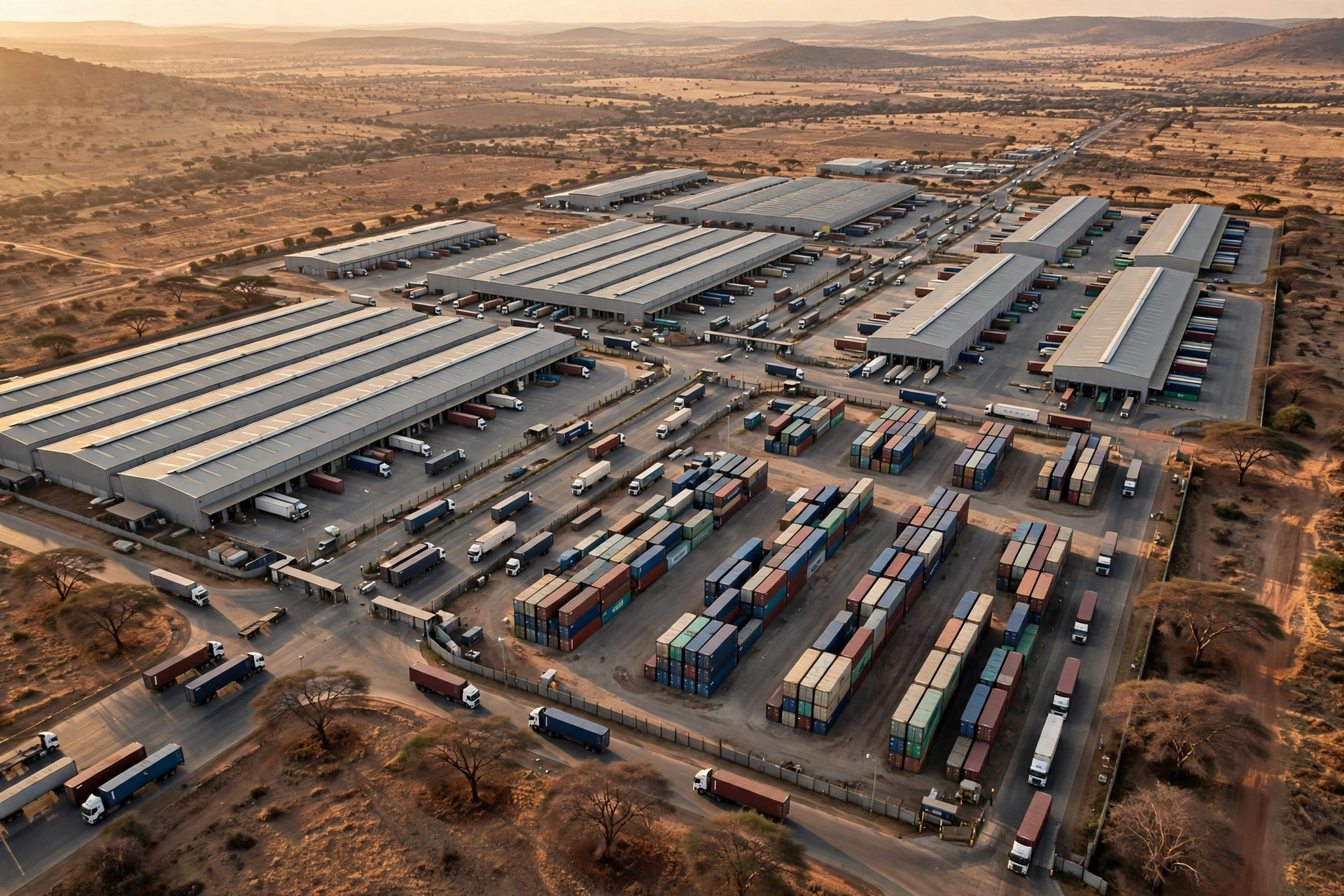
First stop: Hadımköy on the European side, a short drive from the Ambarlı port complex. The manager, a Turkish fellow with heavily accented English, pointed out the window — this whole cluster, Hadımköy, Esenyurt, Çatalca, grew up hugging the port. The public numbers back him up: about 3.01 million TEU in 2024, Turkey's biggest container gateway, with Marport, Kumport and Mardaş among its terminals. Boxes come off the ship and trucks are at the warehouse gate in no time; the customs brokers' offices are all stacked up around here. Standing in that office, I thought: what is there to debate? Build next to the port. Done.
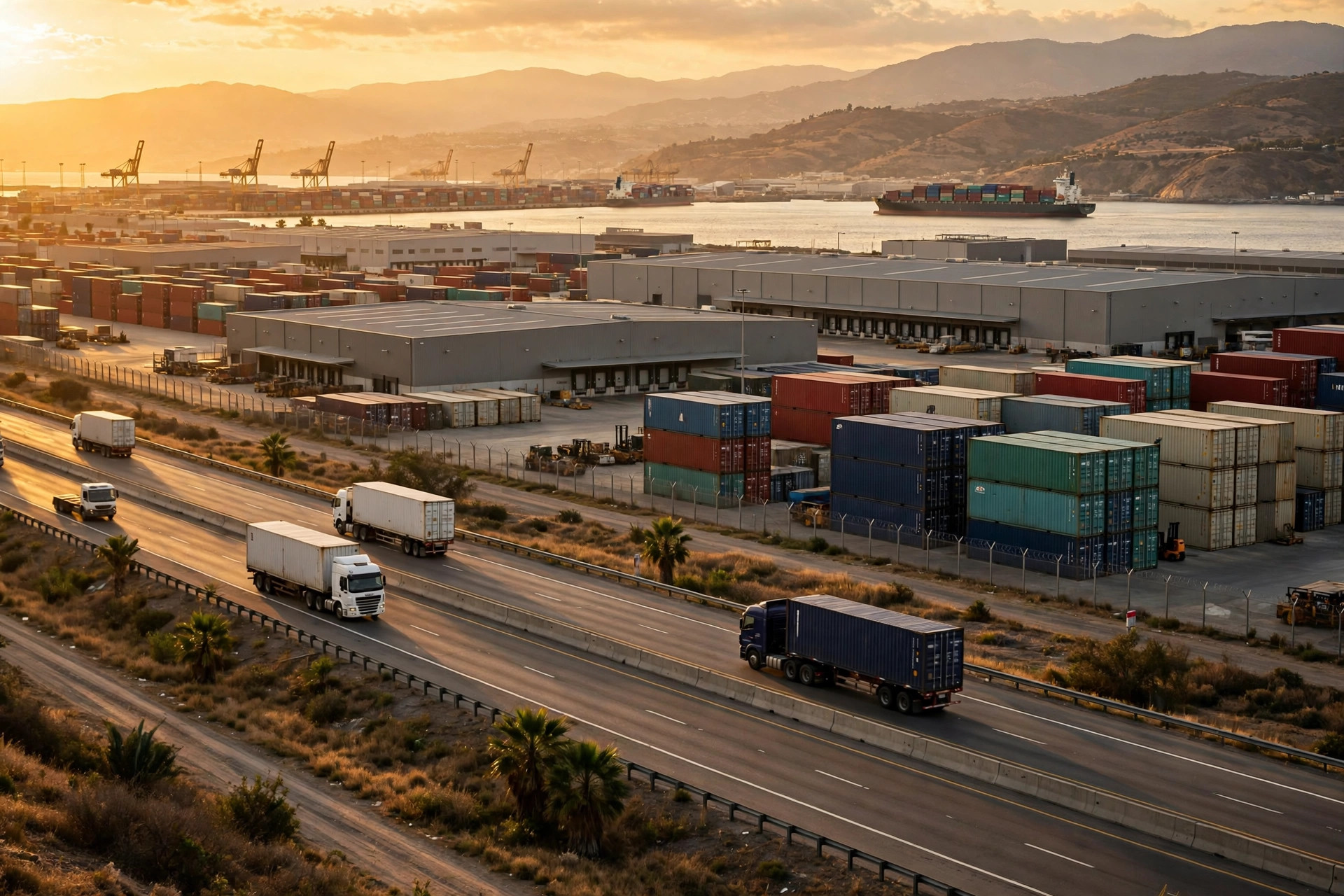
Day two: Tuzla on the Asian side. Different world — bigger, newer buildings, a long line of trucks waiting to load, drivers squatting by the roadside smoking and chatting. The operator shared their public rate card: $0.60 per pallet per day plus tax, $4 per pallet for inbound and outbound handling. That is one operator's public quote, not a citywide price — but it gives you the order of magnitude. Most of their freight heads east, their manager told us — the Gebze and Dilovası industrial belt, then on toward Anatolia and Central Asia. Trucks roll out without ever crossing the strait.
On the way back to the hotel my friend asked: so, which side? I said, the European side, obviously — next to the port, what an advantage. He laughed. "Go ask the drivers whether they feel like crossing the strait every day."
Istanbul's Two Shores Are Two Different Warehouse Businesses
The Bosphorus does not just split the city — it splits the warehousing business in two. That was the first line of the brief I gave my boss after the trip.
European side: one core advantage — it sits next to the sea. Ambarlı is right there, import freight gets into the warehouse fastest, and the customs brokers cluster in this area. The airport is on the European side too, for when air freight is urgent. If your business is import clearance plus distribution into Turkey and Europe, the European side is the natural fit.
Asian side: also one core advantage — it sits next to the road out. The Tuzla and Orhanlı cluster feeds straight into the Gebze and Dilovası industrial belt; freight bound for the Middle East and Central Asia never crosses the strait. And do not underestimate the crossing, folks: a handful of bridges and the Eurasia Tunnel link the two shores, trucks queue up, and you have to budget the time. Hit rush hour and the drivers are cursing in their cabs while your shift plan falls apart. Anyone who has run a warehouse knows what happens next: the customer service phones start ringing.
Here is the counterintuitive part: close to the port does not mean close to your customer. If your freight heads east or south, a European-side warehouse means every shipment crosses the Bosphorus first, and the time and trucking cost land on you. Flip it around: if your business is imports plus local and European distribution, the Asian side is self-inflicted pain. The siting question is not answered at the port — it is answered by where your freight is going.
I drew my boss a comparison table and I have kept it ever since:
| European side (Hadımköy area) | Asian side (Tuzla area) | |
|---|---|---|
| Port access | Right next to Ambarlı; fastest inbound for imports | Far from the port; imports cross the strait |
| Air cargo link | Close to the airport | Airport run crosses the strait |
| Natural catchment | Local Turkey, Europe-bound | Middle East, Central Asia, eastern Anatolia |
| Rent level | Mature area; quotes tend to run higher | Public quote of $0.60/pallet/day as a reference; get your own quotes |
| Labor and services | Customs brokers and forwarders everywhere | Industrial workforce; mature warehousing support |
| Strait crossing cost | Every eastbound and southbound shipment crosses | Every westbound and Europe-bound shipment crosses |
Customs First: Bonded vs. Cleared Warehouses
After siting, the second hurdle is customs. Turkey has the antrepo — the bonded warehouse: goods sit under customs supervision, uncleared, duties unpaid. You can deconsolidate, label, rebuild pallets, and re-export to a third country, the cargo keeping its "in transit" status throughout. A regular cleared warehouse is a different road: the goods have formally entered the Turkish market — duties and paperwork done — great for local fulfillment, but re-exporting means a fresh round of export procedures.
I learned the difference from a veteran customs broker we met in Tuzla. His words stuck with me: "You Chinese always want to clear customs first — it feels safer. But for transit distribution, clearance is the last step. If you can avoid it, avoid it." Straight talk, and it woke me up: transit freight was never meant to be sold in Turkey, and clearing it early just adds duties and paperwork while locking the goods inside Turkey.
One telling moment: a shipment sat at the bonded warehouse gate waiting for customs release, the driver fuming after a long wait, arguing with the supervisor. The supervisor could only shrug — bonded cargo moves when customs says so. That is the dilemma: bonded saves duties and stays flexible, but the clock belongs to customs; cleared gives you control, but the tax and paperwork bill is on the table. Anyone who has run shifts knows the two run on completely different rhythms.
Istanbul Distribution: One City, Three Markets
What makes this city genuinely special is that it reaches three directions at once: Europe west, the Middle East south, Central Asia east. Sea, land, and air, straddling two continents — there is no second city like it, and 16 million people is no small consumer market either.
The air-cargo numbers tell the story: Istanbul Airport moved close to 2 million tonnes in 2024, one of Europe's busiest air cargo hubs, and Turkish Cargo's SMARTIST facility there is being expanded from 2 million to 4.5 million tonnes of annual capacity. FedEx built a 25,300-square-meter hub at the airport sorting 7,000 parcels an hour, with 30 weekly flights and a road network covering 45 countries — about 1.3 million parcels a week. That is 1.3 million parcels a week through one hub, folks — that is what distribution muscle looks like.
Big companies are voting with their wallets: a European logistics group first leased 2,000 square meters on the European side and, per public reports, plans to expand to the Asian side and Bursa in the first half of 2026 — betting on both shores. An Austrian company won a roughly €41 million contract for a 40-meter-high automated warehouse there, going live in April 2027. Forty meters, folks — you rarely see that even back home.
Istanbul vs. Athens vs. Dubai
My boss asked me one more question: if it is about a hub, why not Athens or Dubai?
My frontline take: those three are not substitutes for each other. Dubai leans toward Middle East and South Asia air freight — cargo flies in and fans out across the region; its strength is air transit. Athens leans toward the Balkans and Mediterranean shipping, serving southeastern Europe. It is the only one with sea, land, and air together, straddling two continents: Ambarlı for ocean freight, the airport for air, trucking west into Europe or east into Central Asia.
So here is how I briefed my boss: purely Middle East air freight, Dubai may serve you better; purely Balkan shipping, Athens is enough. But the moment your freight moves between Europe, the Middle East, and Central Asia, Istanbul is unavoidable. One shore or both comes down to one thing: where your freight is going. Both shores means budgeting the strait crossing for internal transfers, running two shift rosters, managing driver grumbling — real management cost. One shore means living with the crossing penalty on the other direction's freight, permanently. No standard answer, but the math has to be done before you sign the lease, not after.
One reminder for fellow operators: when you go look at warehouses there, do not just look at the buildings. Talk to the drivers, talk to the customs brokers, cross the strait yourself at rush hour. The hardware all looks the same — the real cost hides in the crossing time and the customs paperwork. That is what I told my boss after the trip.
By Chen Feng, Warehouse Operations Manager