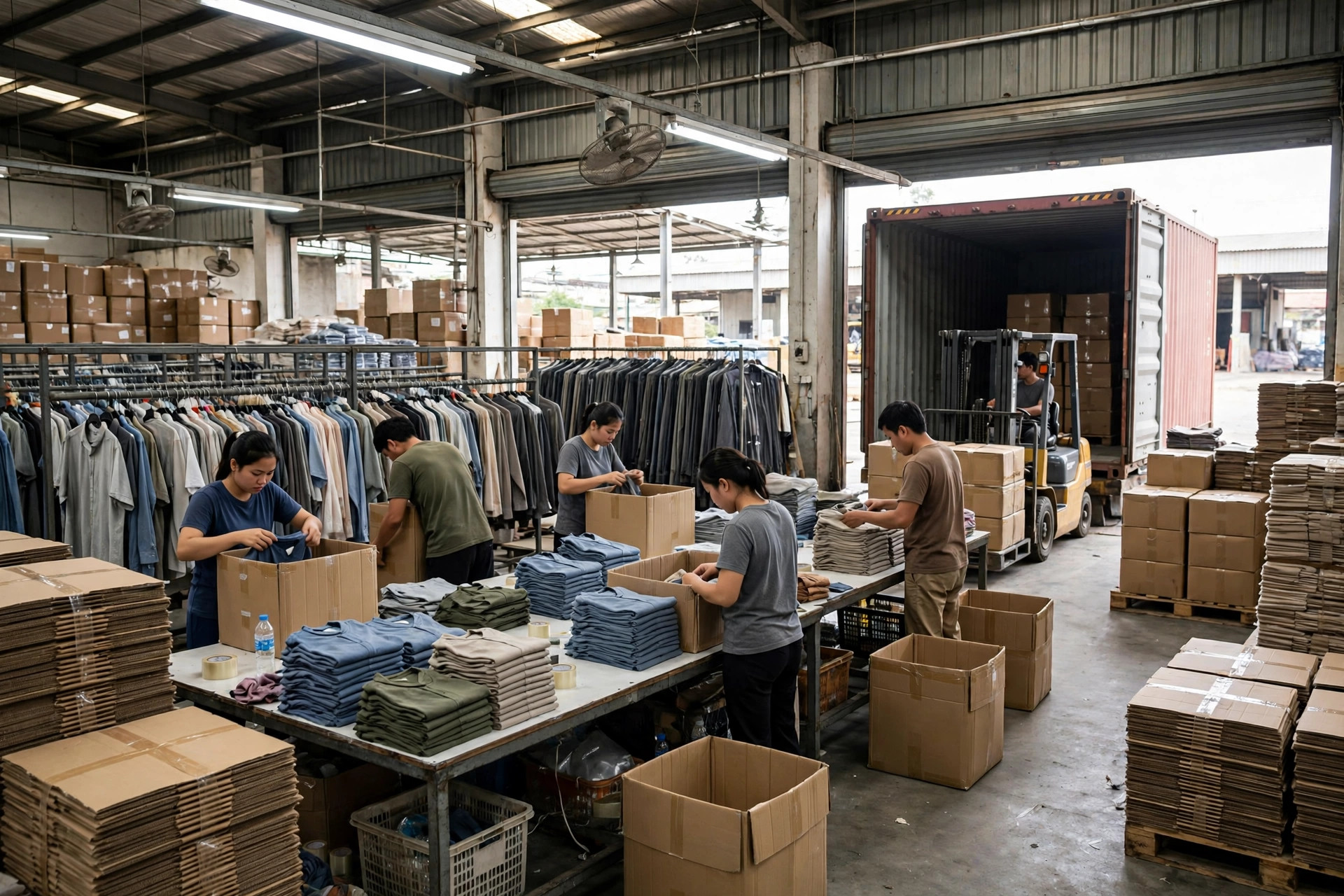
Let me tell you about Cambodia garment export warehouse logistics: after all these years on the road, the route I know best is not the port. It is the road outside the garment factories south of Phnom Penh. I once went to pick up a load there and found a row of trucks waiting at the gate while the cutting floor was still sending finished pieces down and the garment warehouse was still waiting for its inspectors. I stood by the gate for a smoke and figured out the whole job in that one wait: Cambodia garment export warehouse logistics is not hard on the sea leg. It is hard inside the factory, where cutting, inspection, packing, and loading all have to line up, because one slipped step sends everything behind it back for rework.
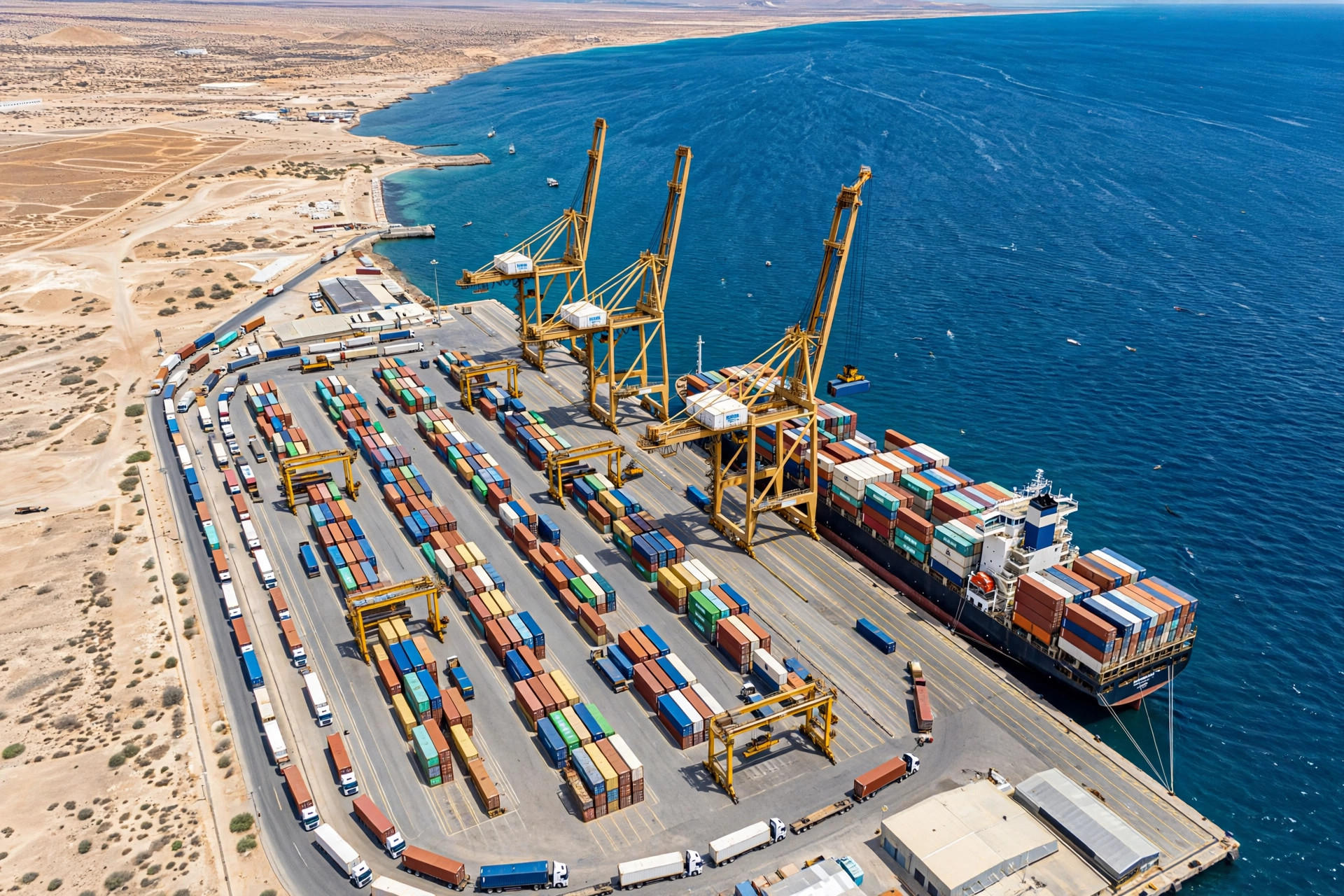
This is the journey of a garment export order in Cambodia, told in the order I actually drive it: from the cutting floor to the garment warehouse, through inspection and packing, and then down the road to Sihanoukville Port.
The Phnom Penh Garment Warehouse: The Cutting Floor to Storage Is Where Things Go Wrong
Factory layouts in this business come in two kinds, and I have worked with both. In one, the cutting floor sits next to the garment warehouse, so cut pieces roll straight across. In the other, cutting is upstairs and the warehouse is downstairs, and everything moves by elevator and by hand, trip after trip. That sounds like a small detail until peak shipping season arrives. The elevator jams, the warehouse door fills up with pieces waiting for inspection, and the inspectors have nowhere left to stand.
I worked with one factory where the cutting floor handed over a batch every afternoon. The warehouse stacked each batch by style number, with a handwritten card on each stack showing the style, the color, and the size range. Do not laugh at that card. At packing time, the whole crew finds goods by those cards. Write one card wrong, or bury a stack under later deliveries, and finding one missing size can mean tearing three stacks apart and restacking them. I watched that happen once, and my truck sat at the gate for most of the afternoon while they searched.
The fix is simple, and it has to happen at handover, not at loading. The cutting floor and the warehouse need a handover count broken down by style, color, and size, not just one grand total. If the numbers do not match, say so on the spot. Waiting until packing day to settle the account is a gamble. Sometimes you find the missing pieces. Sometimes you miss the sailing instead.
Cambodia Garment Export Warehouse Inspection and Packing: Slow Is Fast
Plenty of people treat inspection as wasted time. After all these years on the road, I have learned the opposite: every hour saved on inspection gets paid back twice at the port or at the destination. The most common trouble with garment exports is not bad sewing. It is wrong packing: colors mixed up, size ratios wrong, carton marks stuck on the wrong box. Once a carton is sealed, nobody can see what is inside. Discovering the mistake at the destination means return freight that can cost more than the goods are worth.
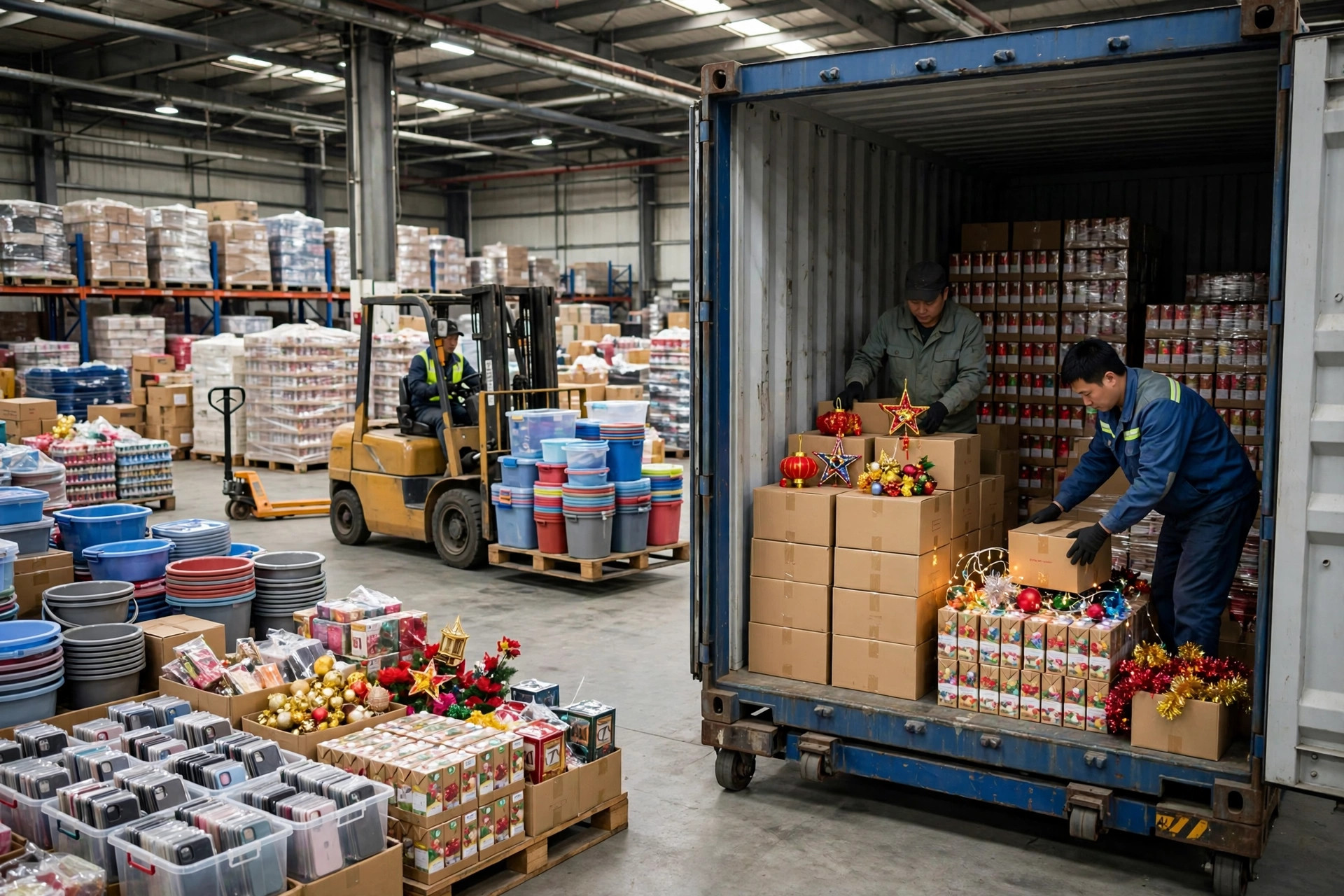
The steadiest factory I know does it the old-fashioned way, and it works. Before packing, inspectors open a sample of cartons against the packing list and check them on the spot. During packing, two people work together: one packs, one reads the packing list aloud and checks each item, and each finished carton gets its mark checked against the list before it is sealed. It sounds slow, but that factory almost never reworks a shipment. Another factory I know tried to move faster by preparing the packing list separately from the actual packing. Two cartons ended up with each other's marks, and the truck was already on its way to the port before anyone noticed. The load came back, the marks were redone, and every minute they had saved was gone.
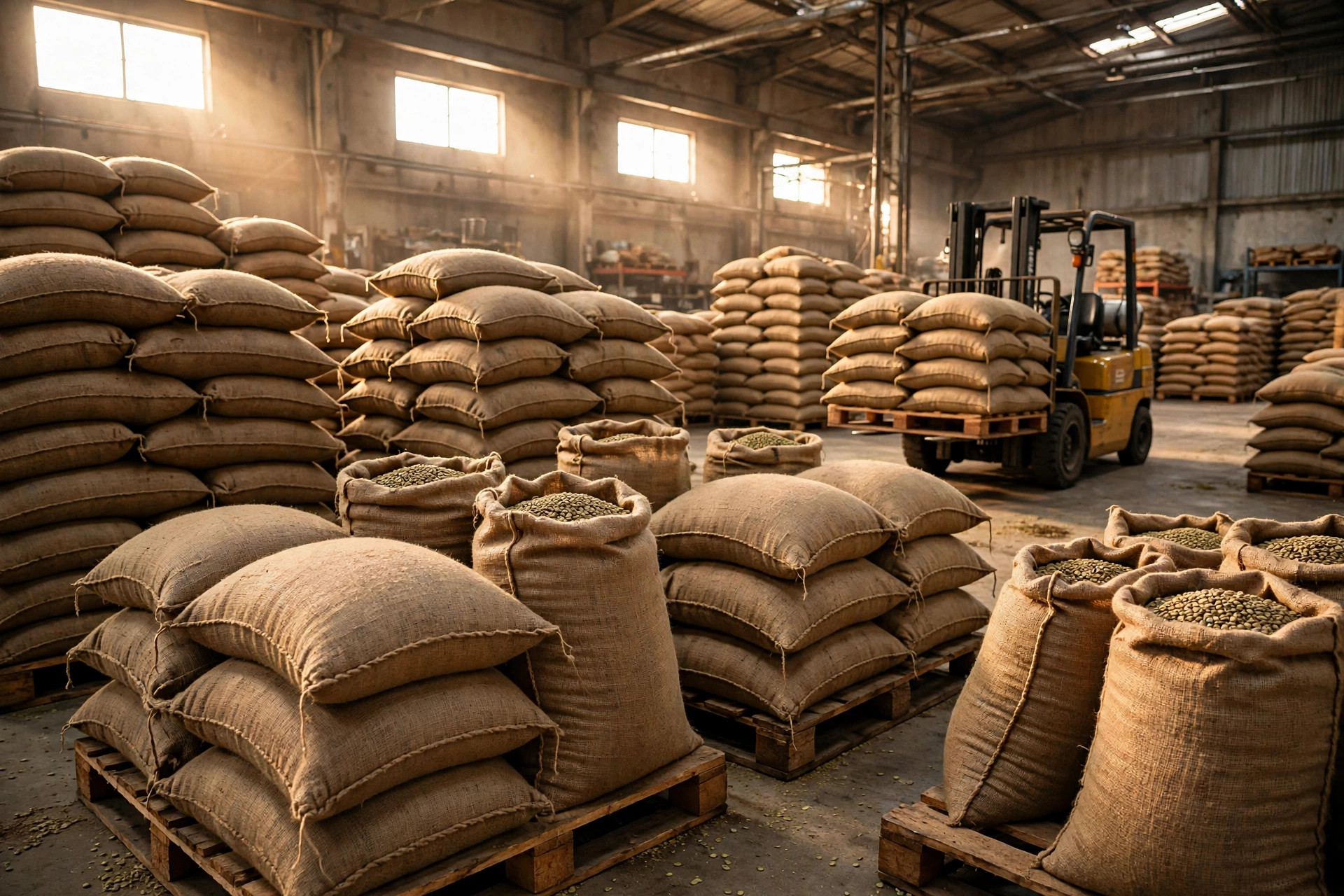
There is one more practical point, and it matters most in the rainy season. Garments hate damp and crushing. In Phnom Penh during the rains, the air stays wet, and cartons sitting directly on the floor soak up moisture. A good warehouse keeps cartons on pallets, away from the floor and the walls, and never stacks them so high that the bottom cartons collapse and crease the clothes. These sound like obvious warnings, but I have seen too many shipments fail on exactly these small points.
Documents belong in this same conversation, and they belong at the warehouse, not afterward. The packing list, the carton marks, and the bill of lading information must agree on style numbers and piece counts. I once saw a shipment where the packing list count differed from the actual cartons by a few pieces. The port released it on the paperwork, the destination counted something different, and the shipper spent longer explaining it by email than the packing itself had taken. Documents are not paperwork you finish after the cargo leaves. They are part of packing, and the warehouse, the shipper, and the carrier should all be working from the same numbers. If anyone changes a number, everyone hears about it the same day.
The Road to Sihanoukville Port: Counting Time Honestly
I have driven the road from Phnom Penh to Sihanoukville more times than I can count. On a dry day it is a straightforward half-day run. In the rainy season it is a different road altogether. A heavy downpour floods the low stretches, the whole convoy slows down, and one accident ahead can hold you for hours. I once left Phnom Penh in the morning during the rains, expecting to reach the port in the afternoon, and arrived after dark, past the cutoff. The cargo waited for the next sailing.
So when a shipper asks me about transit time, I never give a single number. I talk about buffer. Cutting time, packing time, driving time, port cutoff: every leg needs slack, and the rainy season needs more. It is far better to arrive at the port early and wait for the ship than to race the cutoff. Racing buys you either a speeding risk or a missed sailing, and neither one is cheap.
Consolidation is the other decision to settle before the truck leaves. If the volume fills a container, ship it full and direct from the factory to the port. Fewer handlings mean fewer chances to make a mistake. If the volume does not fill a container, consolidation can save freight, but only after three questions are answered: where is the consolidation warehouse, when is its cutoff, and what happens to your cargo if another shipper's cargo in the same container runs into trouble? Answer those three, and consolidation is a good deal. Skip them, and the freight you saved may not cover a single delay.
| Export leg | Where it usually goes wrong | The cheaper, safer way |
|---|---|---|
| Cutting floor to warehouse | Handover counts unclear, stacks torn apart to find goods | Count by style, color, and size at handover |
| Inspection and packing | Wrong carton marks, mixed sizes | Pack one carton, check one carton, match every mark |
| Road to port | Rain delays, racing the cutoff | Build buffer into every leg, arrive early |
| Consolidation | Unclear cutoff, trouble shared with other cargo | Ask the three questions before booking |
The Counterintuitive Lesson: Rework Is the Real Rent
Most people start a warehouse negotiation with rent. After all these years, my view runs the other way: a few dollars saved on rent disappear the first time a shipment is reworked and a sailing is missed. What a garment warehouse is really worth is clean handover, correct packing, and documents that match. When you price a warehouse, do not only ask the rate per square meter. Ask how inspection works, who double-checks packing, and who takes responsibility when something goes wrong. Get straight answers to those three questions, and you have picked the right warehouse.
There is an old saying among drivers: slow work done right saves big money. On the Cambodian route, when the shipper rushes, the warehouse cuts corners, and the trucking team races, that is exactly when trouble shows up. When each side slows down half a step and checks one more time, the cargo moves smoothest. On an export run, steady beats fast, every time.
By Shifu Zhao, Trucking Veteran (15 yrs)