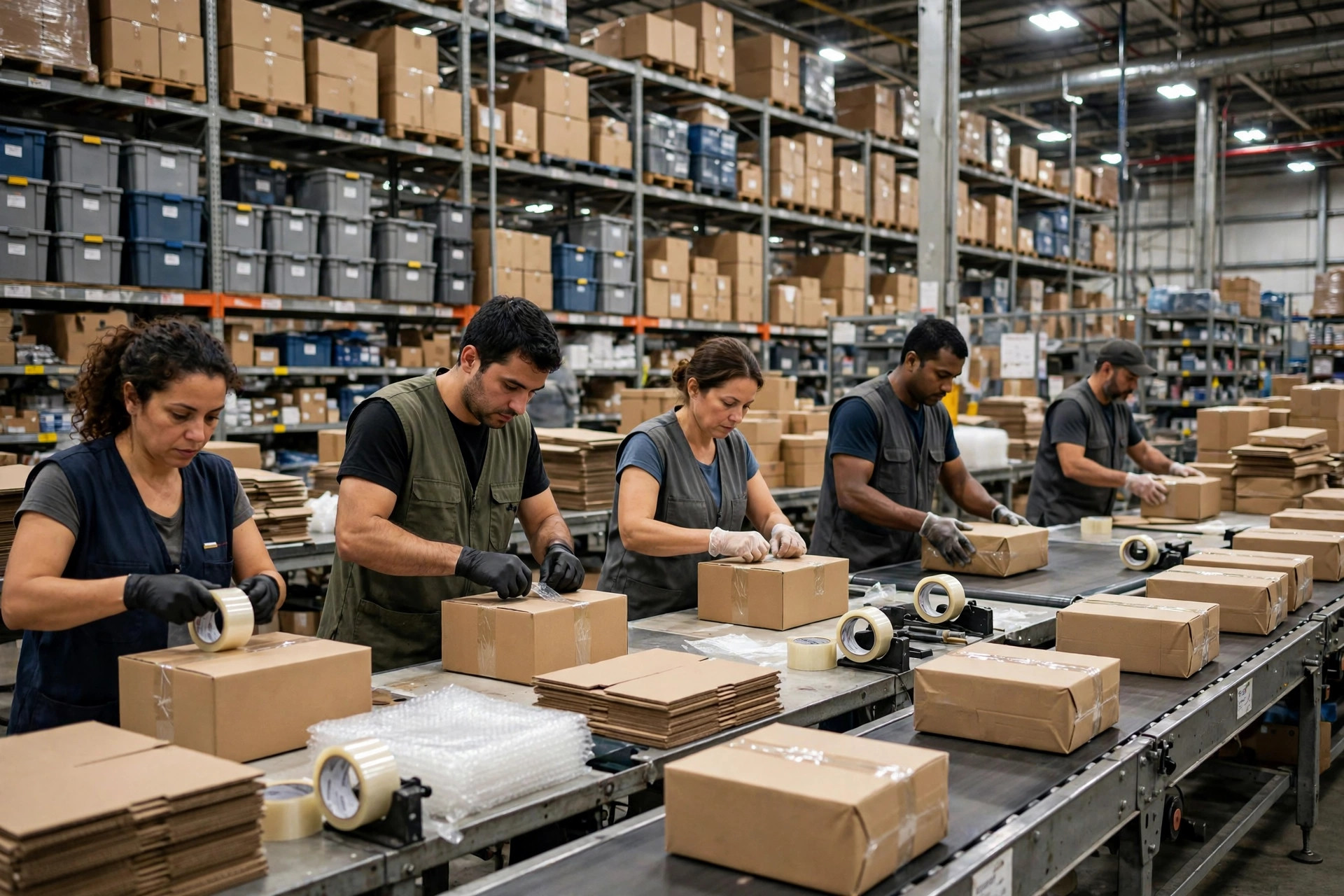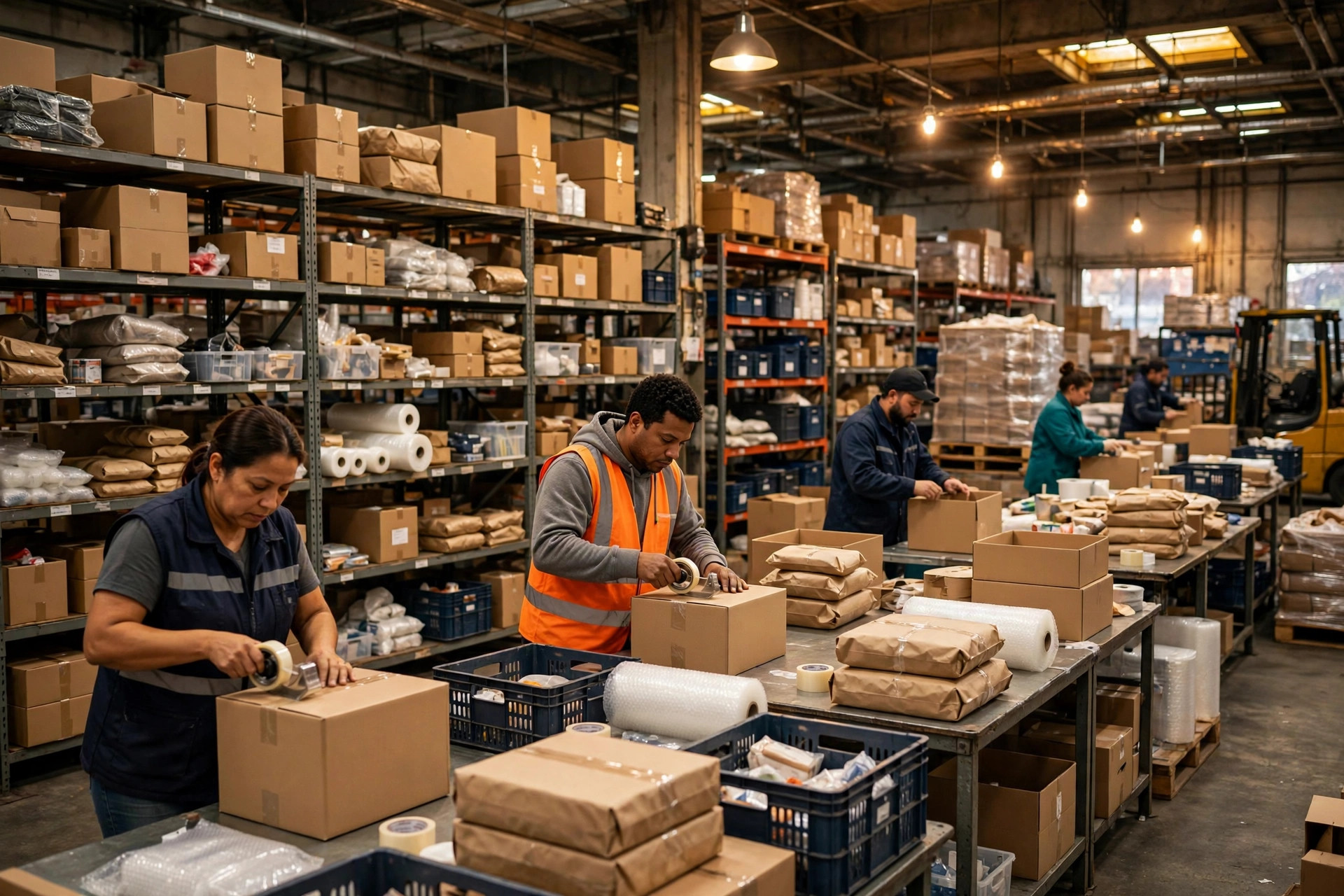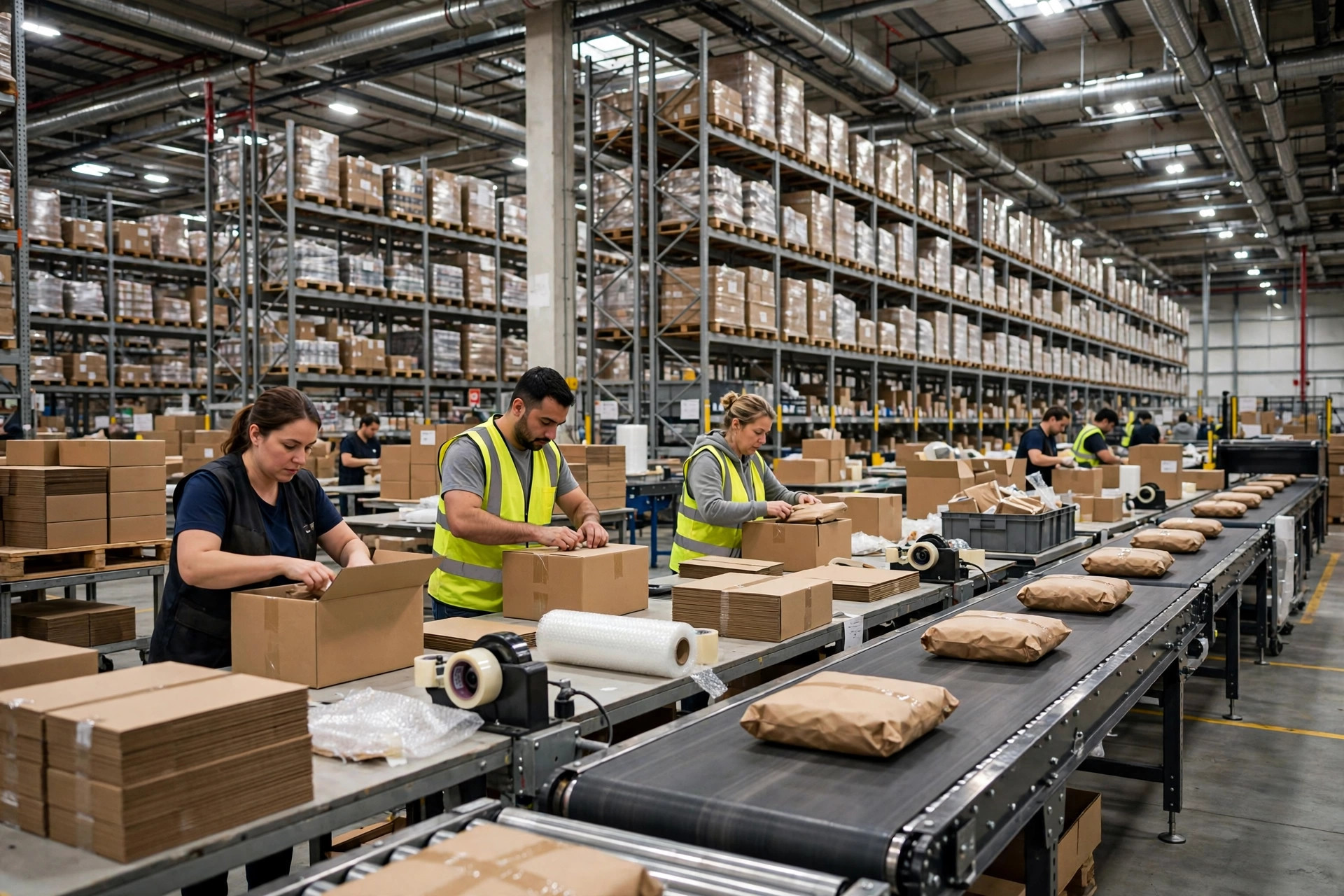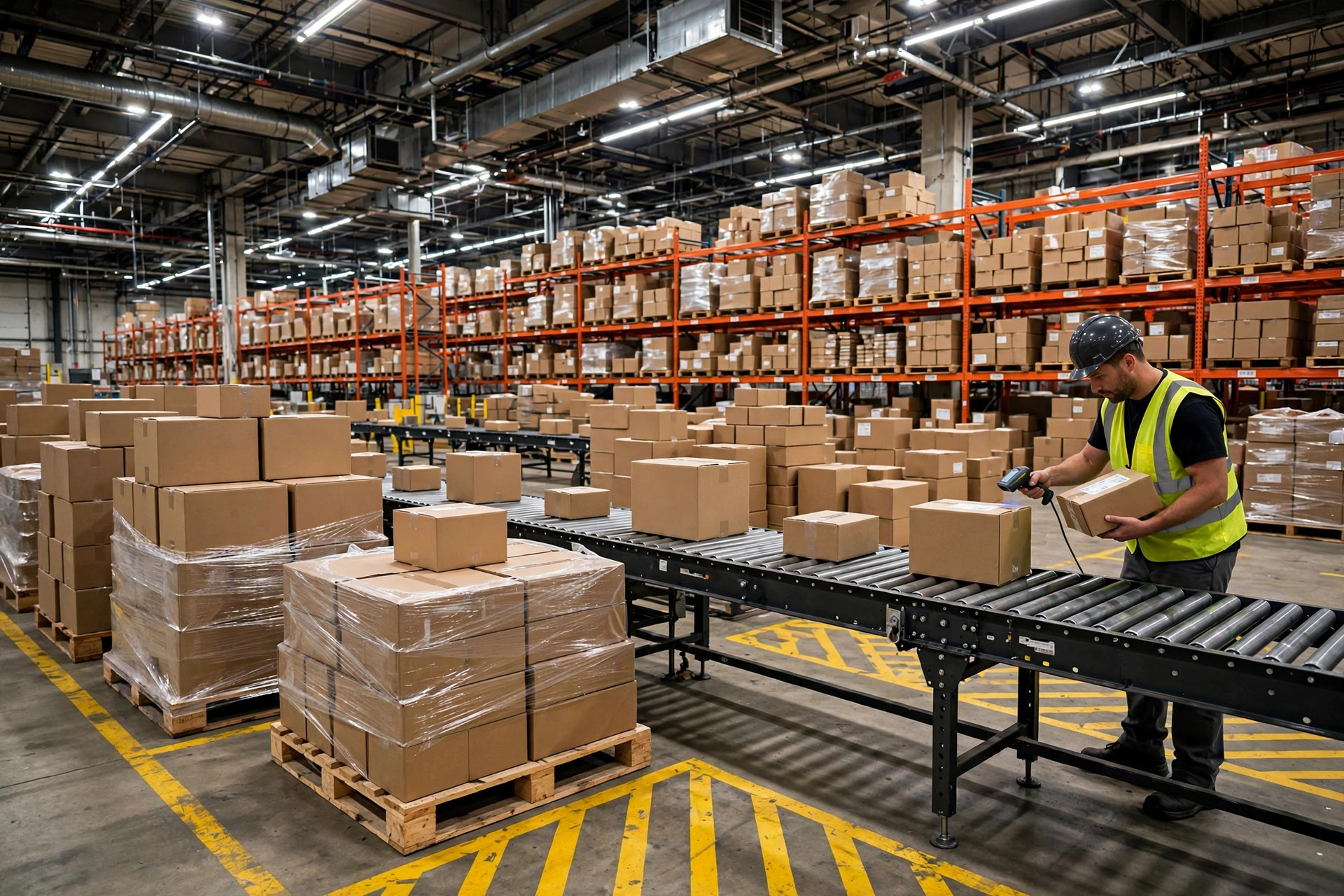
Here's my verdict up front: processing WFS returns for sellers is a good business — and nine out of ten 3PLs lose money on it in year one.
Strip away the pitch decks and what you're really selling isn't warehouse space. It's judgment: the ability to look at a returned item and know, in under a minute, whether it's resellable, refurbishable, or trash. Get that right and the business prints money. Get it wrong and returns become a slow-motion explosion in your receiving dock.
I've seen too many operators learn this the expensive way. Early 2024, the owner of a 60,000-square-foot 3PL in Ontario, California called me, and he was not in a good mood. The previous fall he'd taken on returns processing for four WFS sellers at $2.50 a unit, figuring "how hard can opening a box be?" Three months later he showed me the numbers, and I did the math for him: unbox, inspect, photograph, relabel, log into the system — eleven minutes a unit on average. One worker tops out around forty units a day. Worse, all four sellers had set their WFS return rule to "return to me," and seventy percent of the returns were customer-fault reasons — "didn't like it," "ordered the wrong color." Under Walmart's rules the seller pays processing on those, but billing runs monthly, and two of the sellers were stretching payment to sixty days. The thirty pallet positions he'd set aside were full of unsellable Grade-C product within forty-five days. New returns started stacking up in the receiving lanes. In the end he paid out of pocket to have the dead inventory hauled off for disposal. Two sides to this story: he didn't lose on luck. He lost on three lines he never modeled — minutes per unit, seller payment terms, and storage turnover.
Why the returns end up at your dock
Why do these returns flow to third-party warehouses at all? It comes down to how WFS handles returns. Walmart processes WFS returns through its own return centers: items arrive, get inspected, and sellable units go straight back into inventory. But sellers set their own return rule in Seller Center — restock, return to me, or dispose. Choose "return to me" and Walmart ships the goods to whatever US address the seller has on file. A cross-border seller doesn't have a US address. So that address field very often contains a 3PL's warehouse. That's where this business comes from: you're not doing business with Walmart. You're the seller's US returns address, QC inspector, and refurb shop rolled into one — three jobs, one invoice. Remember that when you price it.
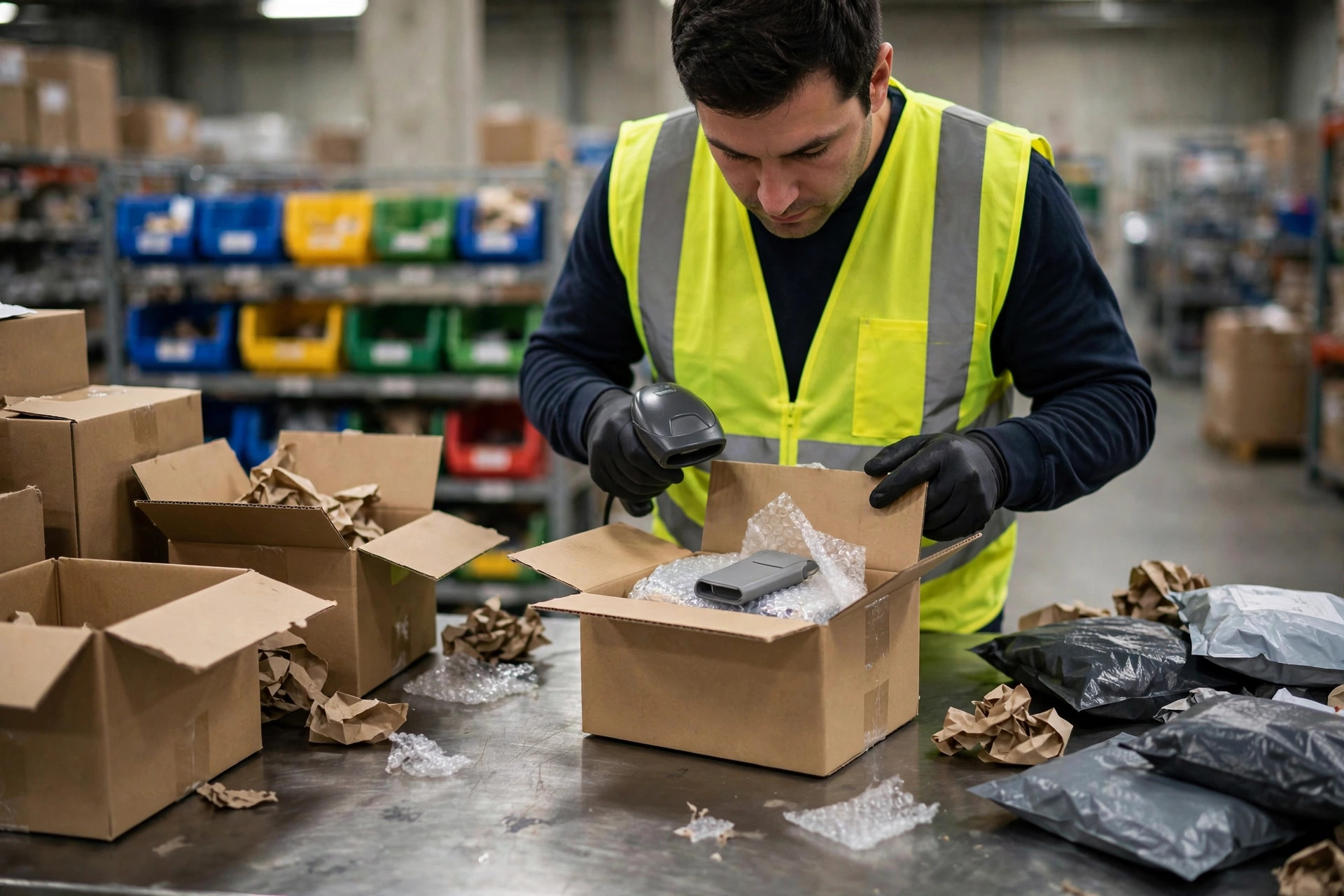
Once product hits your dock, the step that makes or breaks the economics is grading. I call it the three-bin rule. Every return goes through three checks: cosmetic and functional condition, parts completeness, and whether the packaging is still shelf-ready. Then it lands in one of three bins. Bin A goes straight back to sale — photograph it, relabel, rebag, and send it back into WFS or the seller's own fulfillment stock. Bin B needs refurbishment — replace parts, clean, repackage — and every cent of that cost gets tracked against the unit. Bin C is dead: scrap or donate. If the seller chose disposal, it goes straight to the disposal workflow, with fees on the seller's tab per Walmart's current published fee schedule.
The unit economics nobody shows you
Talking process without talking money is just storytelling. Take a $39.99 small home appliance. Here's the full unit economics of one return:
| Step | Cost / recovery |
|---|---|
| Unbox, inspect, grade labor | $2.50–$3.50 per unit |
| Refurb materials (packaging, parts) | $0.80–$1.50 per unit |
| Freight back into WFS | varies by distance |
| Bin A: straight back to sale | full recovery |
| Bin B: refurbished resale | 60–80% of original price |
| Bin C: scrap | zero recovery, plus disposal fees |
Read that table and the business model becomes obvious: Bin A is profit, Bin B is craftsmanship, Bin C is pure cost. The real money in this business was never the $2.50 handling fee. It's the Bin B conversion rate. Turn forty percent of your Bin B units into Bin A and you're the seller's hero. Can't do it, and you're a cost center they'll replace next year.
How to price it without bleeding
On pricing, I've seen three models in the wild. Per unit, $2–$4 a piece, works for sellers with steady return volume. Per labor hour, $28–$38 an hour, fits sellers with messy mixed categories where no two units look alike. And a monthly retainer plus per-unit overage, which suits large sellers. Three traps, each one drawn in blood. First: per-unit quotes with no "exception unit" clause. A unit missing parts or badly damaged takes three times as long as a clean one — without a surcharge, you're running a charity. Second: storage billed per pallet position. Returns turn slowly by nature; the seller goes quiet for three days on disposition instructions and your Grade-C inventory turns your pallet positions into dead real estate. Third: photo documentation standards never written into the contract. One "you said this was refurbishable and it wasn't" from the seller, and you're arguing for three months with the labor hours already burned.
One counterintuitive take to close the loop: the categories with the highest return rates are the easiest to handle. Apparel returns run twenty to thirty percent, but grading is trivial — tags on, never worn, photograph it and back to Bin A. The killers are small appliances and beauty: functional testing starts at fifteen minutes a unit, and at $3 a unit you're subsidizing the work. So ask about the category before you quote. Anyone who quotes without asking isn't naive — they're dangerous.
In the end this business isn't won on square footage. It's won the day you look a seller in the eye and say "stop refurbishing this batch, just destroy it." Every dollar you save them is leverage on your next quote. By the way — that pile of "we'll deal with it later" returns sitting in your warehouse right now? When exactly is later?
By Lao Mi, Supply Chain Veteran (20 yrs)