Let me be blunt: Flipkart India is a big, juicy-looking pie that will absolutely choke you if you bite it wrong.
The traffic is real. The population is real. But if you walk in thinking "I'll just copy my Amazon playbook over," the market will humble you within a month. I've been selling cross-border since 2019 — Amazon, Shopee, all of it — and I only started taking India seriously in late 2023. Two years in, my biggest takeaway: in India, it's not about product selection. It's about fulfillment and getting paid. Whether your goods clear customs and land in a warehouse, and whether your COD money actually arrives, decides if you make money or pay tuition.
Fulfillment First: FBF Is Not the Only Answer
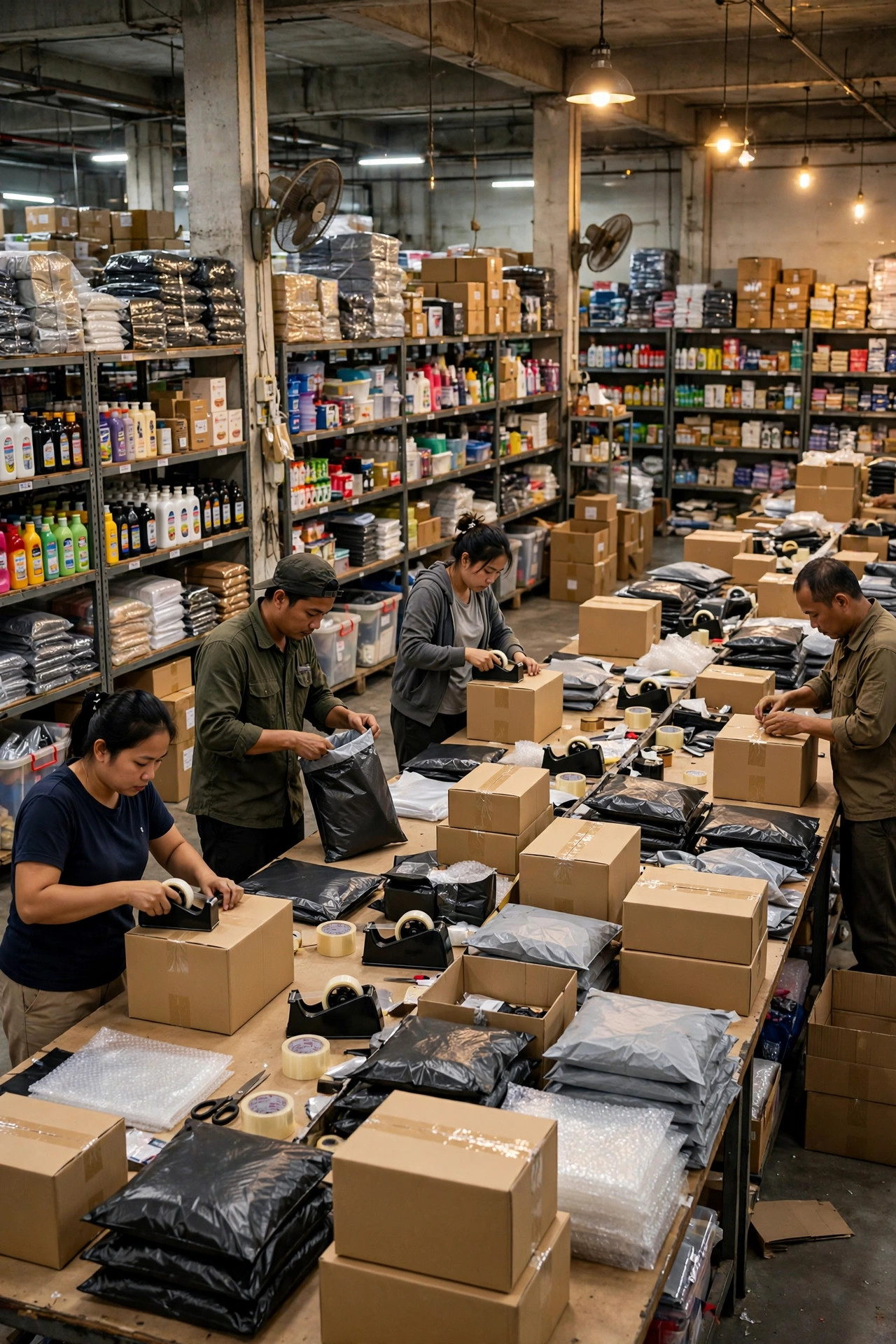
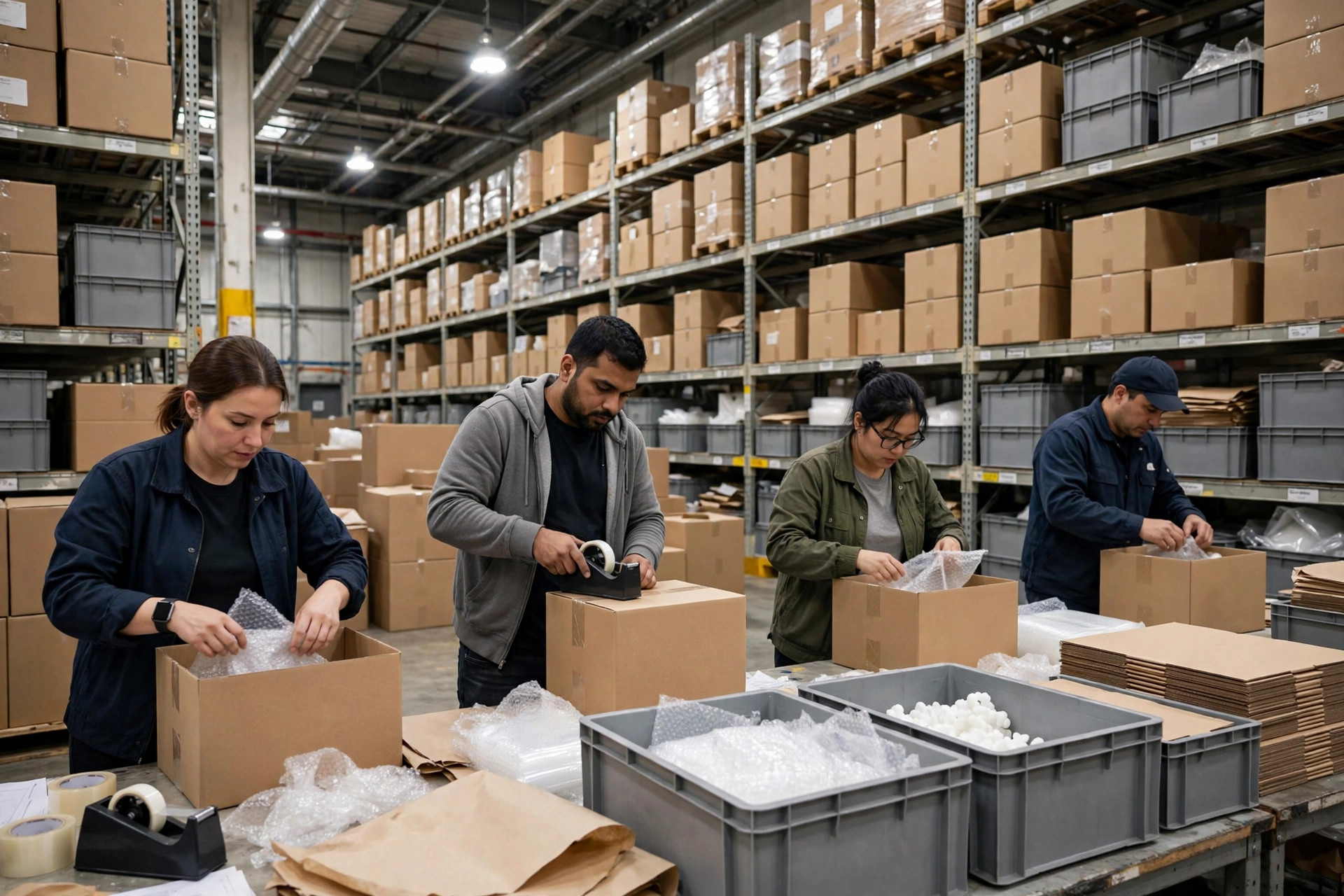
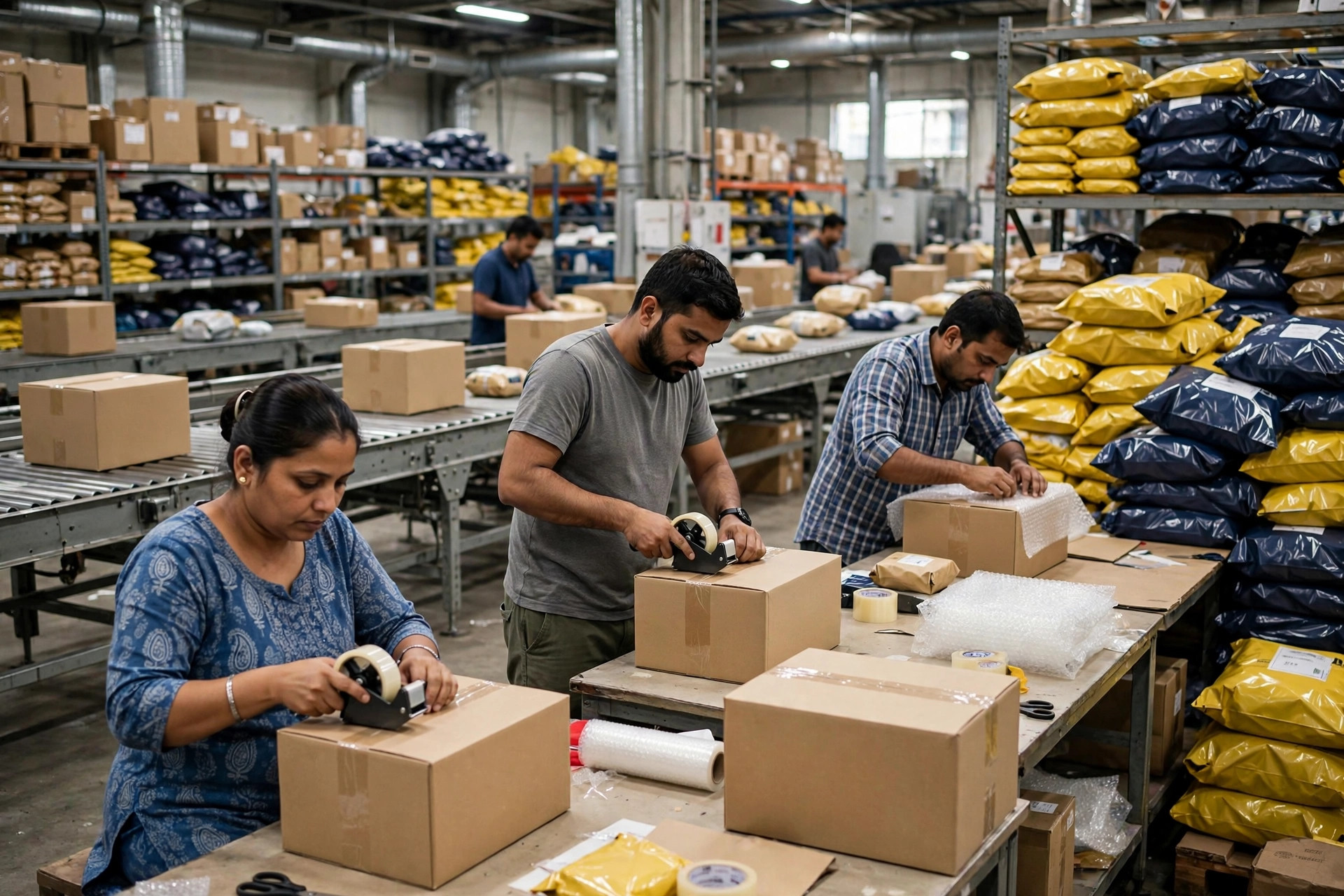
Flipkart's official fulfillment service, FBF (Flipkart Fulfillment), works a lot like Amazon FBA: you ship inventory to their warehouse, they pick, pack, and deliver. For new sellers, the biggest win is the traffic boost and platform trust — Indian buyers are naturally skeptical of unknown sellers, and FBF listings convert noticeably better.
But don't rush to dump everything into FBF. In early 2024, a friend of mine in Shenzhen selling phone cases air-freighted his first batch of 20,000 units straight into an FBF warehouse. The shipment got stuck in customs for two full weeks — the HS code on his invoice didn't match the actual product category. He burned the air freight money, and Flipkart flagged his listing as chronically out of stock, tanking its ranking. He learned his lesson: now he sea-freights 5,000 units to a third-party warehouse in Mumbai, tests the product in small batches, and only moves into FBF once it sells.
My approach runs in three tiers, and order volume decides when to graduate:
| Model | Right stage | Main cost components | My field notes |
|---|---|---|---|
| Third-party warehouse | Testing phase, under 50 orders/day | Per-order pick-pack fee + storage | Most flexible, but delivery speed depends entirely on the warehouse |
| FBF official warehouse | Stable 50+ orders/day | Inbound fee + storage + delivery fee | Traffic boost, best for proven winners |
| Own small warehouse | 300+ orders/day | Rent + labor | Heavy asset play, not for beginners |
Here's the contrarian bit: a lot of new sellers think FBF is expensive, but third-party warehouses often cost more during the testing phase. The per-order fee looks cheap, but add return handling fees and storage for problem inventory, and the per-unit fulfillment cost frequently beats FBF. I ran the numbers in Q2 2024 on home storage products doing about 80 orders a day — the third-party warehouse's per-order fulfillment cost was roughly 20% higher than FBF. Simple rule: test with a third-party warehouse, switch to FBF the moment a product takes off. Don't linger in the middle.
COD Payouts: The Real Make-or-Break
You can't do Indian e-commerce without COD (cash on delivery). In my category, COD orders ran about 60% of volume — phone accessories go even higher. That means most of your money isn't sitting in a platform account. It's in the courier's hands.
The payout chain: courier collects payment → courier settles with the platform → platform pays the seller on a fixed cycle → seller withdraws to a local bank account. In my experience, 7 to 14 days from order to money-in-hand is normal. Build that cycle into your cash flow model. Don't apply the "next-day payout" rhythm from other markets here.
In 2023, when my first COD payout of 40,000+ rupees landed, I spotted a "COD handling fee" deducted on the settlement statement — something I'd never noticed in the contract. Turns out it's the courier's collection service fee, passed straight through to the seller. Lesson: go through the fee schedule line by line before you sign. Any fee with "handling" or "service" in the name — ask what triggers it and at what rate.
Three COD pitfalls to watch:
- Refusals are normal, not accidents. A COD refusal rate under 15% is just market noise. Bake refusal costs into your profit model from day one. Who pays for reverse logistics, and who inspects returned goods — negotiate that with your warehouse before the boxes pile up.
- Your return address must be in India. Shipping returns back to China costs more than the goods are worth — the dumbest way to lose money I've seen. Have the local warehouse inspect returns: resellable items go back on sale, dead stock gets disposed of locally.
- You eat the currency risk. Rupee settlement plus a long payout cycle means every exchange-rate wobble eats your margin. Don't let large payouts sit in the account — convert to your home currency as soon as they land. That's a hard rule I set after getting burned once.
One more habit that saved me real money: reconcile weekly. Flipkart India's settlement reports break down every deduction — download them every Friday and match them against courier statements and bank deposits. The COD chain is long, packages get lost, settlements miss orders, and monthly reconciliation will never catch it. Any gap over 500 rupees gets a support ticket. In the first half of 2024, that habit recovered two missed settlements for me, over 10,000 rupees total. Not reconciling is leaving your money on someone else's desk.
Customs: GST and Certifications — One Mistake, Cargo Stuck
Indian customs clearance is a different beast from the US or EU. It comes down to three things, and getting any one wrong means your cargo gets held:
- HS codes: must match the actual product category. My phone-case friend learned this the hard way. Don't guess — have a solid customs broker double-check your declarations.
- GST (Goods and Services Tax): rates vary by category, commonly 12% to 18% — always check the Indian tax authority's latest published policy. Whether import GST is creditable and how, ask your tax advisor, not your freight forwarder.
- BIS certification: mandatory for certain electronics categories. No certification, your goods get sent back at the port, freight money burned.
One more thing: India requires importers to hold an IEC (Importer Exporter Code). If you don't have one, you ship under a qualified importer or your customs broker's name. Get the cost and compliance risk of that arrangement in writing before you sign.
The New-Seller Checklist
For new sellers starting on Flipkart India, run this sequence:
- Test with under 5,000 units at a third-party warehouse, watch the data for 30 days.
- Once daily orders hold above 50, move into FBF for the traffic boost.
- Model cash flow on a 14-day COD cycle; confirm every line of the fee schedule.
- Set your return address at the Indian warehouse; bake refusal costs into margins.
- Lock down the customs trio (HS codes, GST, BIS/IEC) before shipping — don't gamble on the customs officer's mood.
This one worked for me: don't chase FBF's traffic boost during the testing phase. Prove the product with a third-party warehouse first, move into FBF once the data is solid — you'll save a meaningful chunk on fulfillment costs and your listing ranking won't suffer. India is slow money. Anyone thinking fast money gets killed by the COD cycle and customs in round one.
By Ah K, E-commerce Seller (5 yrs)