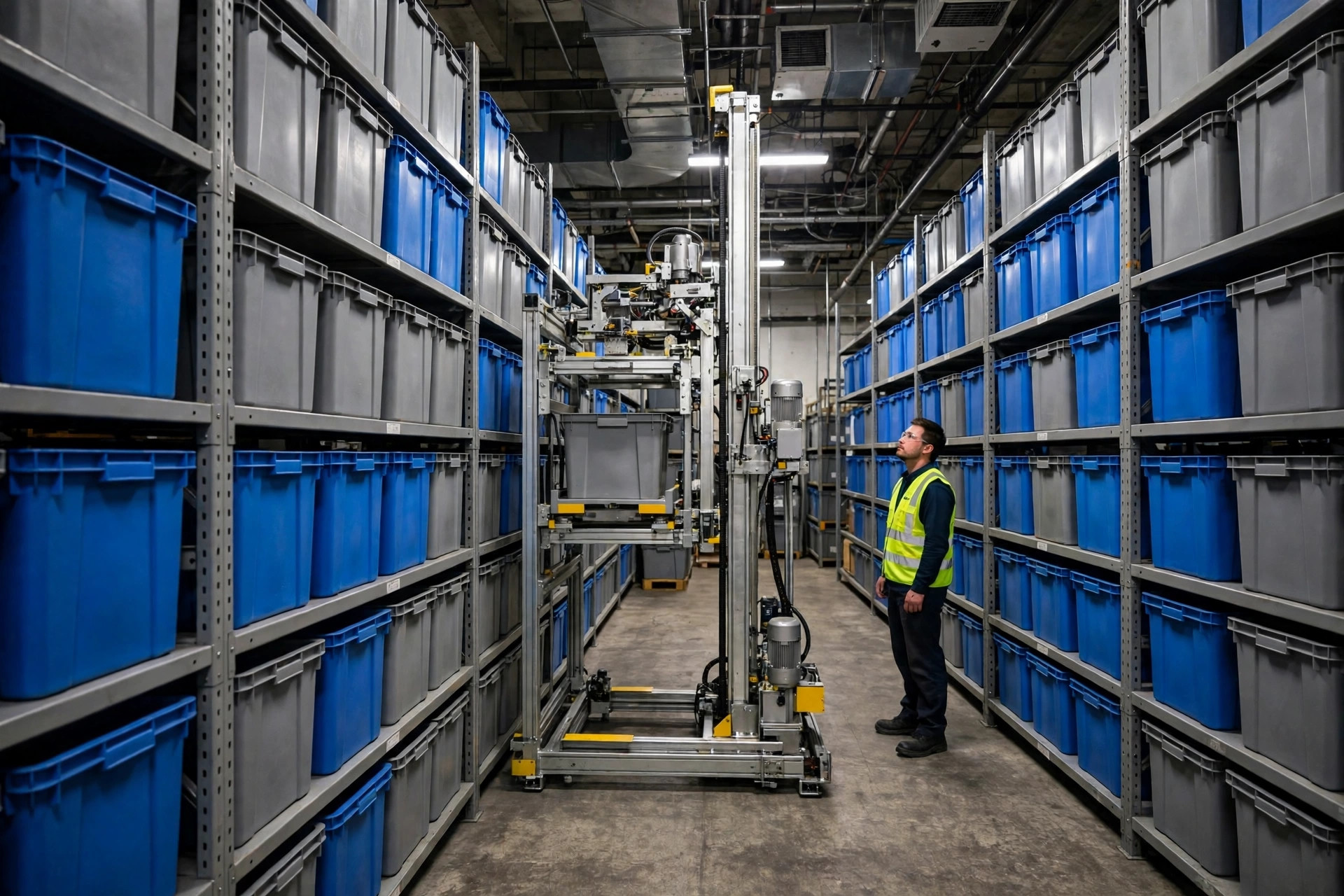
Let me open with our balance sheet, because that is the whole story. We run a 3,000-square-meter warehouse with a team of fewer than 10 people, boss included. Talking about the tokyo warehouse market from our side of the fence is a different sport from how the big operators describe it. We once toured one of those gleaming multi-story bayfront warehouses, all automated sorting lines and polished concrete, and I smiled all the way through while thinking exactly one thing: there is no way our little warehouse can burn that kind of money.
Our Problem: One Look at Bayfront Rents and the Wallet Surrenders
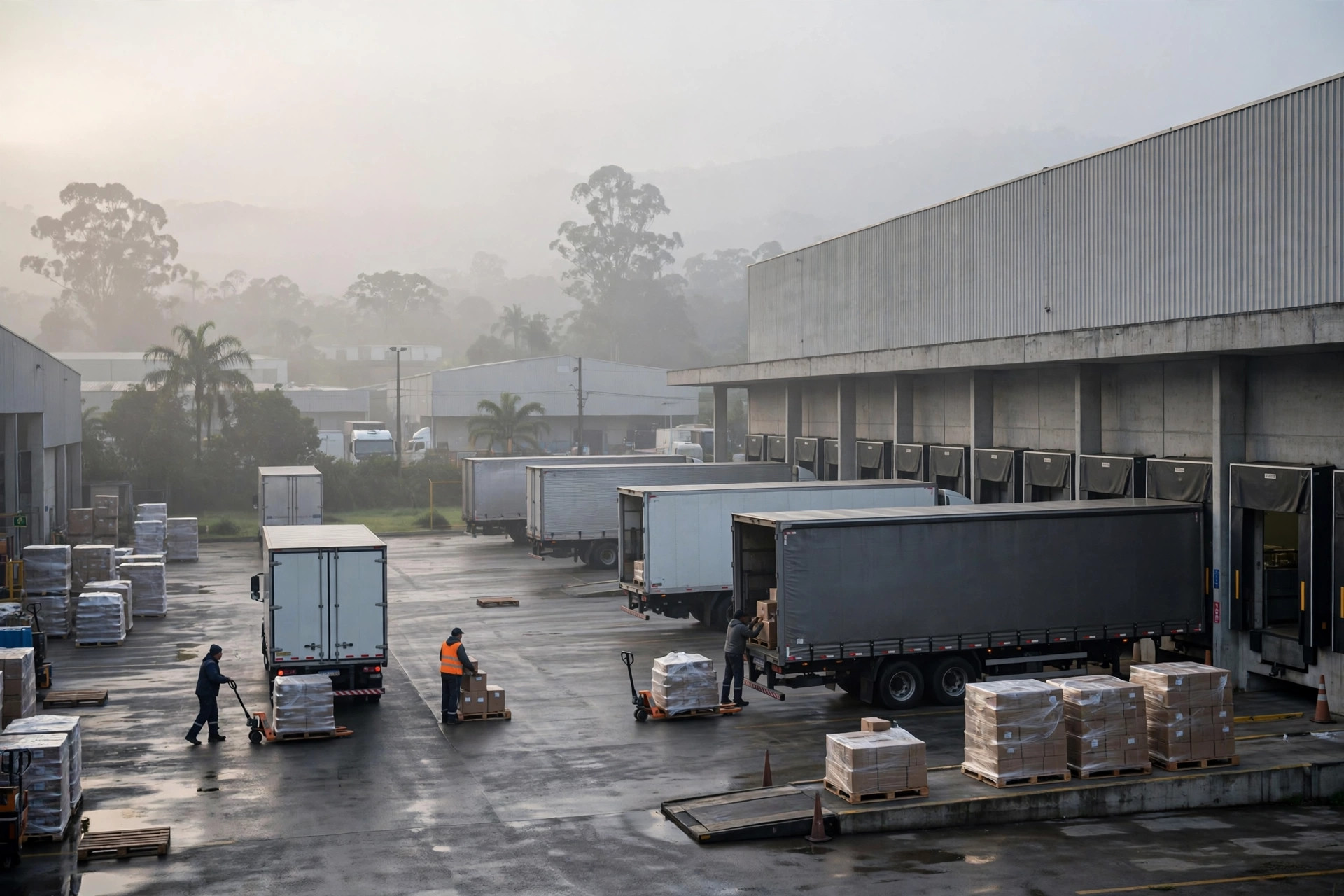
In the Tokyo area, expensive space is no secret. The bayfront belt sits close to the port and to central Tokyo, so inbound goods arrive fast and city deliveries go out fast — and rents and wages both sit at the top of the range. For a small operator, that math does not work: our volume cannot carry the fixed cost of a whole building, and squeezing into a bayfront unit means working for the landlord. In the summer of 2023, I nearly signed a small sublet unit right by the bay. Great location, modest size, and the agent told me to grab the foothold and expand later. I went home and ran the numbers overnight: at our volume at the time, that unit's monthly fixed cost would have eaten most of our gross margin, and two slow months would have left us gasping. Lucky escape. Sign that lease and I might be posting in a sublet group today, begging someone to take over the space.
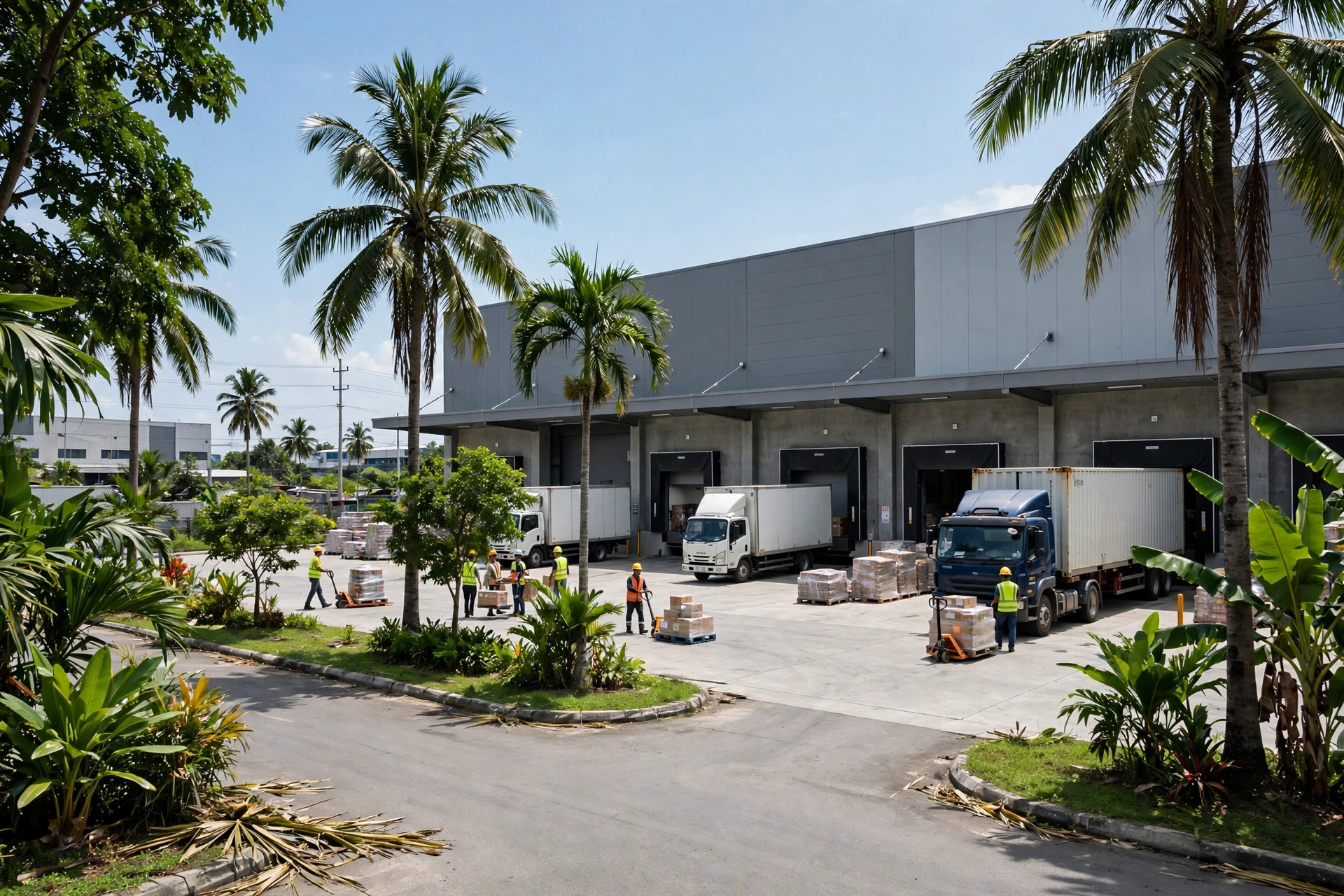
Inland, toward Saitama and Chiba, the pressure eases: rents are a notch lower and space is roomier, but customers in central Tokyo sit one leg farther away. Delivery windows stretch, same-day orders drop off the table, and only next-day service remains. For a big 3PL that is a rounding error. For a small warehouse living on reputation, delivery speed is life itself. Caught between the two, our only move was to stop competing on location and start competing on combinations.
Tokyo Warehouse Market Sharing: You Need a Thick Skin
Our first homegrown fix is shared warehousing — and no, I do not mean renting a corner of someone else's big warehouse as a tenant. I mean finding two or three operators of similar size and pooling freight onto the same linehaul and the same cross-dock point. In the autumn of 2024, I teamed up with two small operators selling daily goods and stationery. None of us filled a truck alone, but together we filled two trucks a day, and splitting the linehaul three ways brought the cost down immediately. We used an older warehouse sitting between our three sites as the shared point, split its rent three ways, borrowed each other's forklifts, and covered each other's shifts at peak.
It sounds simple and it is mostly paperwork. Who loads first, whose orders ship first, who pays when goods are damaged, and how the bill is split — all of it has to be written down before the first shared truck rolls. Our first version of the agreement ran three pages, and because we said the awkward things up front, we have barely argued since. Shared warehousing is not really about sharing space; it is about sharing rules and trust. Ask ten fellow operators and two will say yes, and two is enough to live on. That is the reality for small players here: collaboration is not a nice idea, it is the business model.
Our second fix is off-peak renting. Bayfront space we cannot afford by the month, but big warehouses sometimes have spare dock doors and pallet positions in the slow season, offered by the week or by the pallet. We watch for those openings: rent two weeks of overflow space before a sales peak, then walk away when the peak passes, leaving no long-term fixed cost behind. In early spring 2025, a promotion wave hit and we did exactly that, renting two weeks of temporary pallet positions to absorb the surge. When the wave passed, we left without owing another month. The big warehouse's sales team was not thrilled about short-stay tenants at first, but if you ask enough buildings, someone always says yes.
Tokyo Warehouse Market Survival Kit: Inland Base, Bayfront Front Door
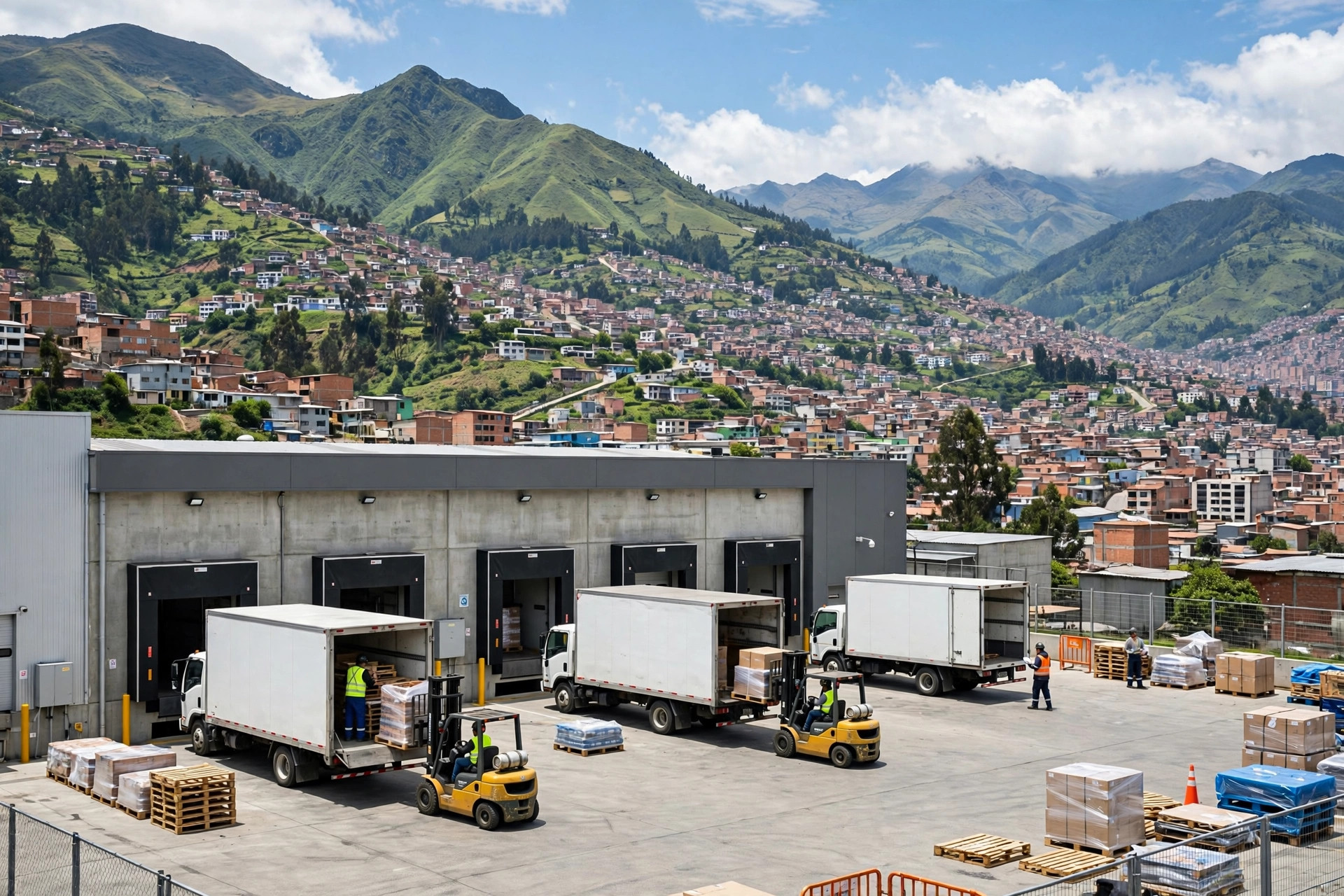
Our standing combination today is simple: an inland warehouse as the base, holding regular stock at lower cost, plus shared space and short rentals near the bay as the front door for urgent orders. Regular goods live inland where it is cheap; urgent orders route through the front door where speed is protected. One plain stock sheet tracks both sides, we reconcile it daily, and a truck tops up the front door from base stock when it runs low. Nothing automated, no dashboard wall — just a setup whose monthly fixed cost lets us sleep at night.
Here is the counterintuitive part: a small warehouse's biggest enemy is not high rent, it is high fixed cost. Rent that is expensive but scales with volume is survivable; rent that is cheap but locks you into a long lease, a full crew, and a full equipment set is what kills you. We would rather pay more per order than carry fixed costs we cannot shrink. Per-order cost falls when volume falls; fixed cost does not. Once that clicks, plenty of seemingly cheap warehouses become easy to refuse.
The summer of 2025 proved the setup again. Our stationery partner hit a back-to-school surge, shipping three times its normal weekly volume, and its own space could not hold the stock. We cleared one row of racking in our base warehouse for nine days of overflow, staggered forklift shifts so nobody waited on equipment, and charged by the day with a clean bill. After the surge, the goods rolled out and nobody owed anybody anything. Since then, the three of us keep one row of spare racking each in peak season: quiet most of the time, a lifesaver when it counts. Small operators cannot survive seasonal swings alone, and that shared spare row is the cheapest insurance we own.
Advice for Fellow Small Operators: Survival Line First, Expansion Later
Three pieces of advice, all paid for with our own mistakes. One, before signing any warehouse, calculate your survival line: at slow-season volume, what share of gross margin does monthly fixed cost eat? If it passes half, walk away. Two, find your sharing partners before you find your warehouse — with partners splitting the bill, the range of affordable buildings widens overnight. Three, do not let a tour of a big automated warehouse set your pace. Automation looks great, but the investment only pays off at volumes we do not have yet, and until we do, people plus homegrown fixes beat machines on the bill.
For actual rent levels, check the latest quotes from local brokers — I am deliberately writing no figures here, because tokyo warehouse market quotes move faster than the weather and a printed number would be stale on arrival. And one last word: big warehouses have their way of living, and small warehouses have theirs. Stay alive, keep the lights on, and expansion can wait its turn.
By Xiao Ma, Small Warehouse Owner