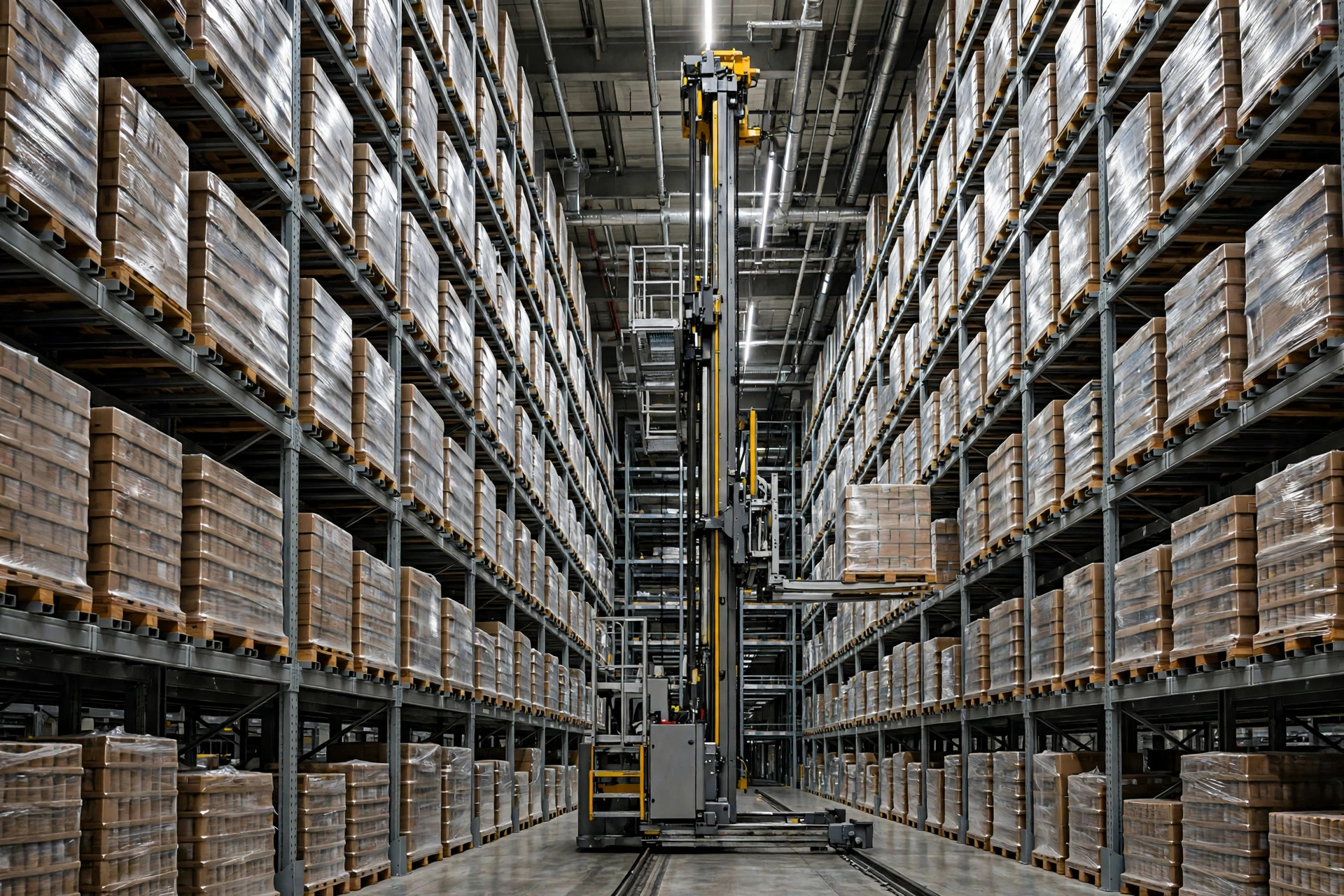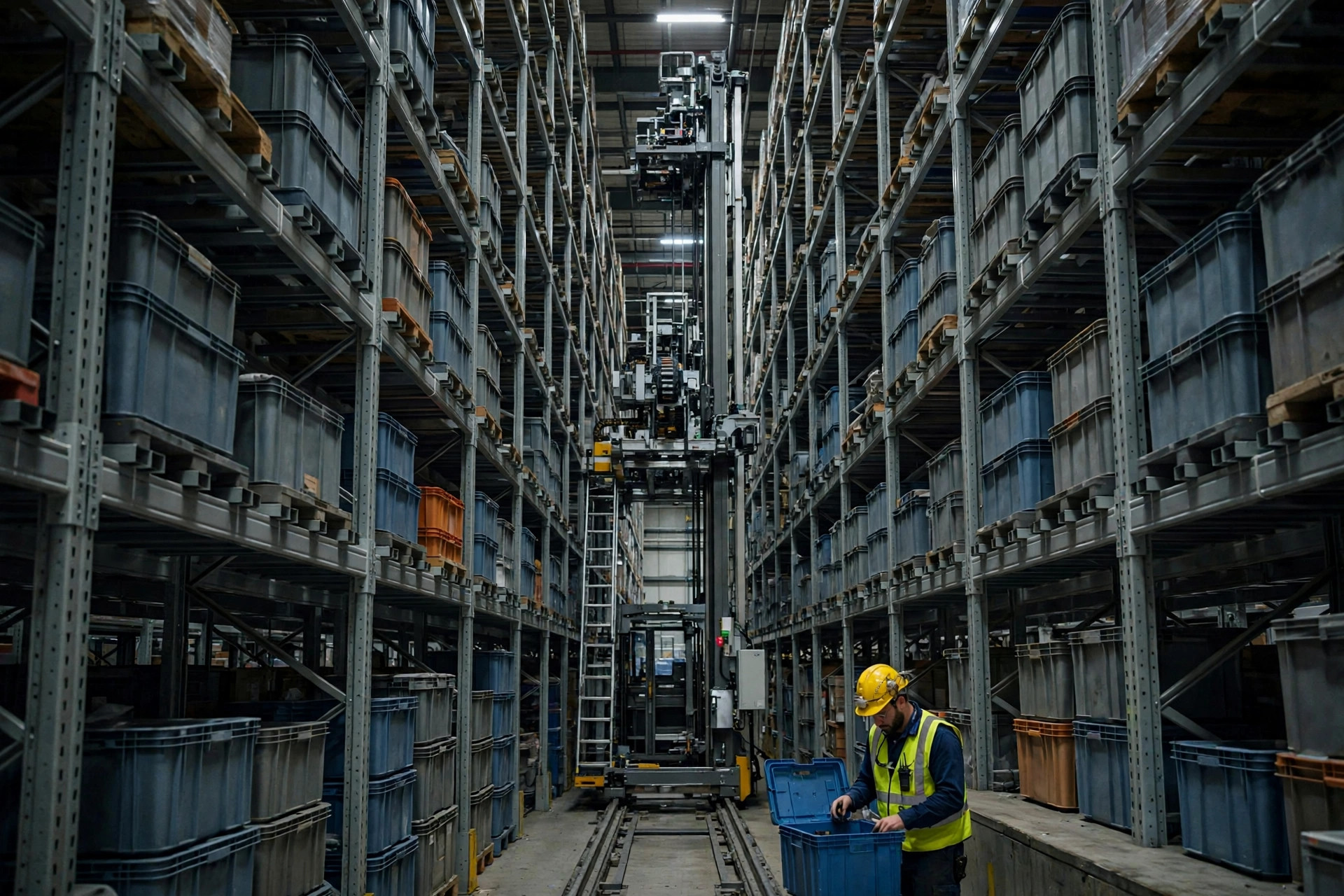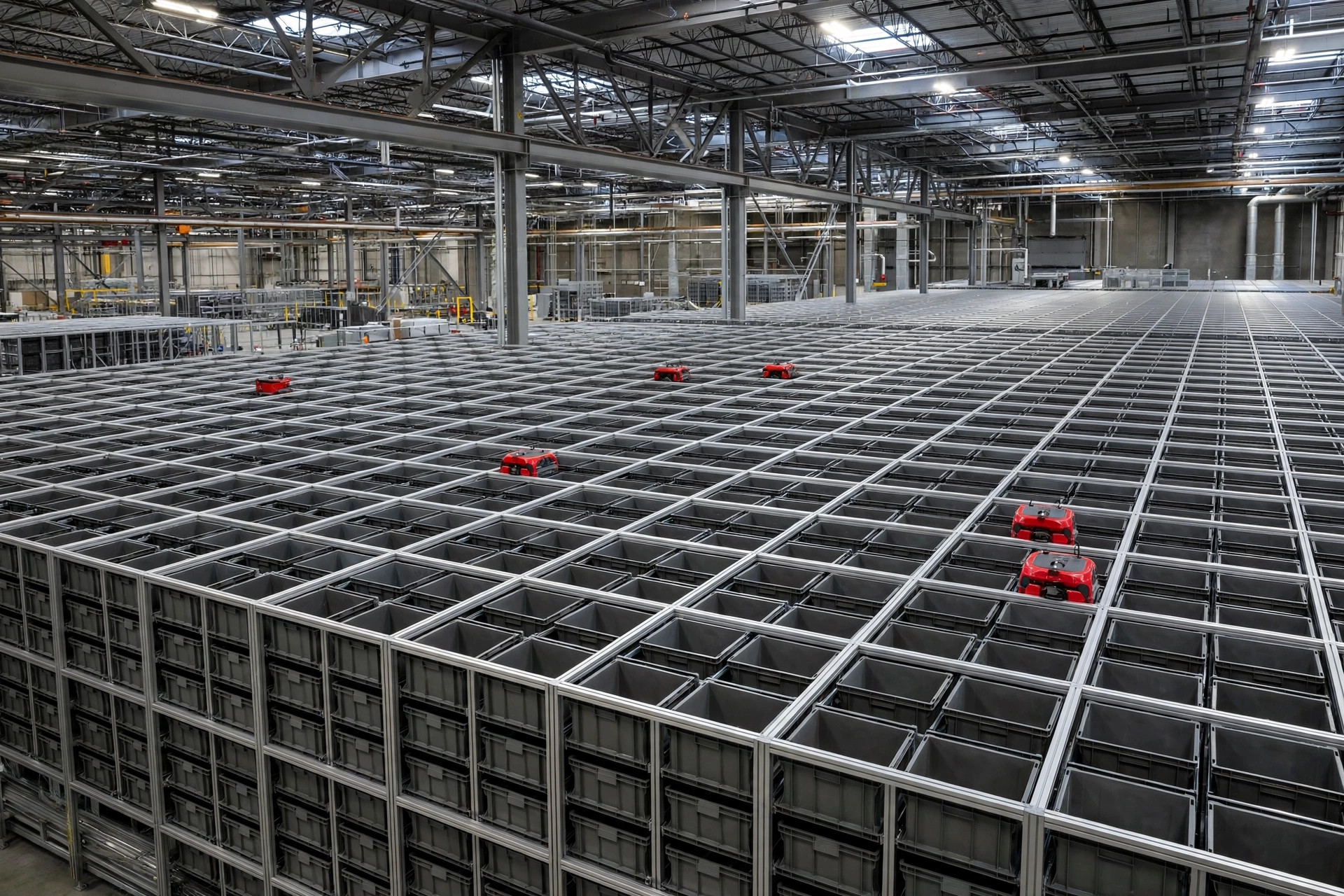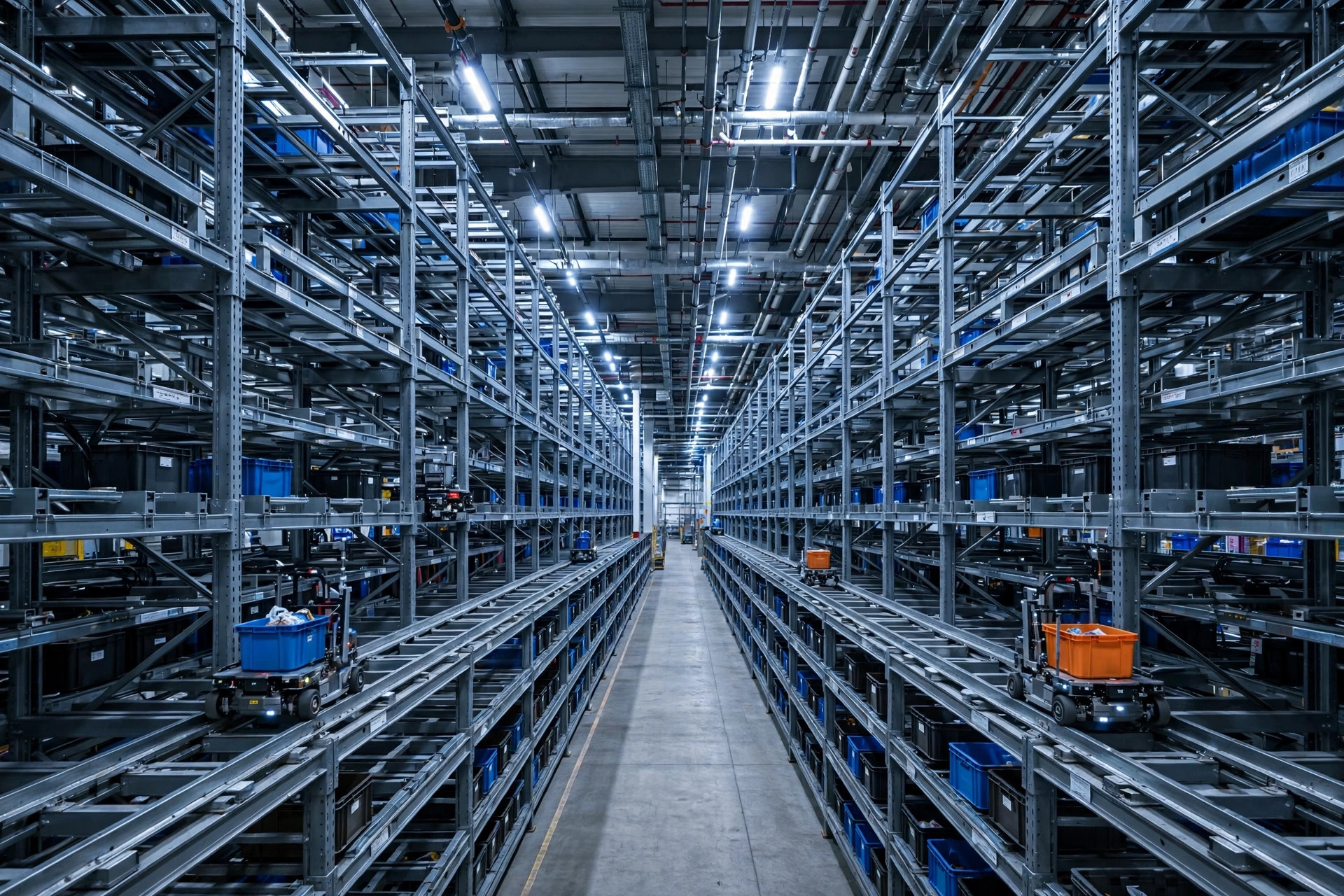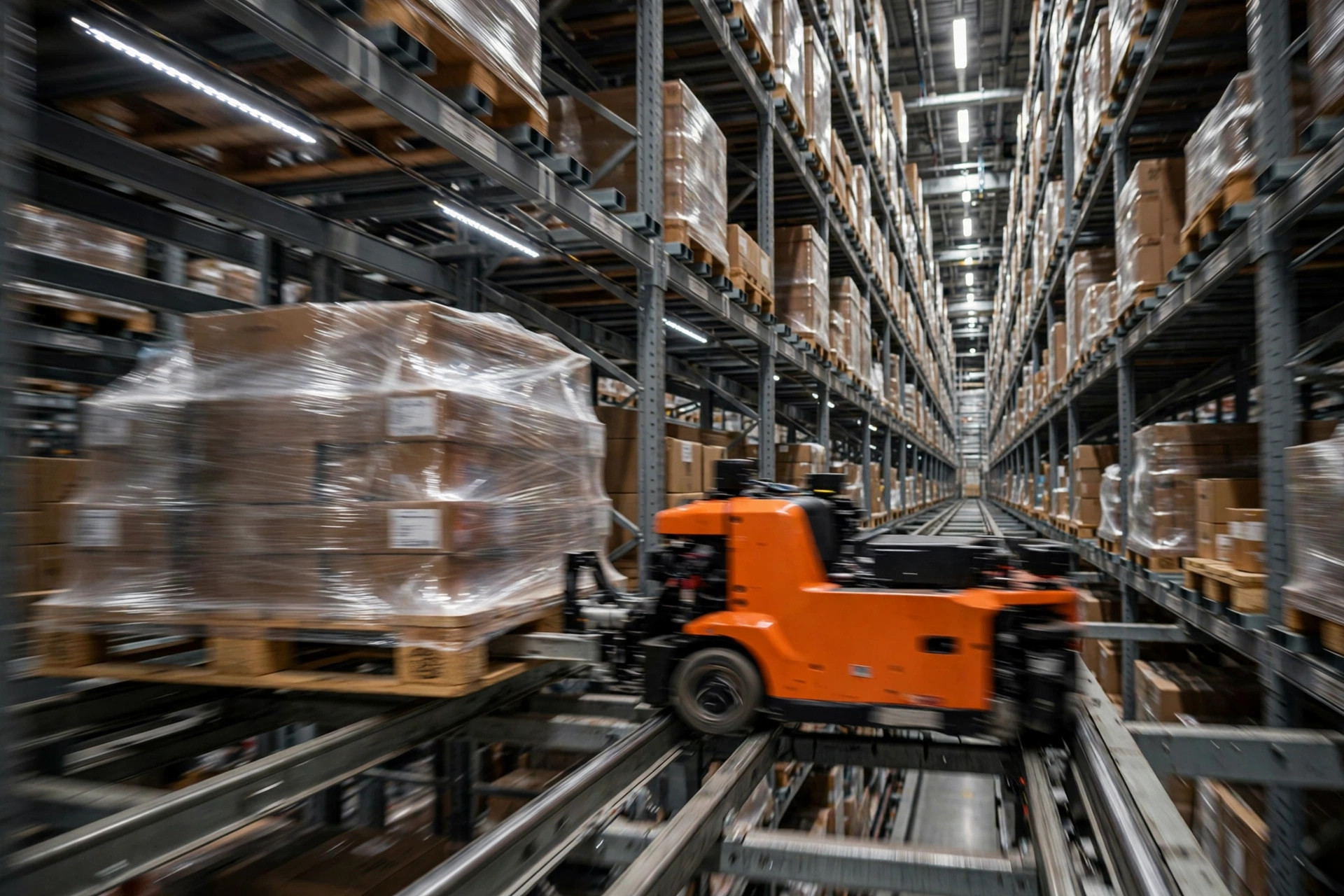
Let me be honest up front: my warehouse is 3,000 square meters. A shuttle ASRS installation would cost more than everything I own combined. So when I toured a mega-warehouse's shuttle system last month, I was basically window-shopping at a Ferrari dealership. But here's the thing — the question I kept asking the engineer wasn't about speed or throughput. It was: how do you keep these things charged? Because shuttle battery charging strategy is the one shuttle topic a small-warehouse owner can actually relate to. Batteries are batteries. Downtime is downtime. And money is money.
Our little problem with a dying forklift
Our electric forklift runs on old lead-acid batteries, and last winter they started giving up: a full overnight charge would die by 2 PM. During peak season, our drivers were afraid to go far at lunch, worried the forklift wouldn't make it through the afternoon. I spent weeks agonizing over the same questions the big guys ask about their shuttles: swap to lithium? Buy a spare battery? Add another forklift so we can rotate?
So in September, when I visited that huge distribution center in Foshan with its towering shuttle ASRS, I made a beeline for the charging area: rows of little shuttles parked in formation, like a train depot. I asked the engineer, "How many times a day do these things need charging?" He laughed: "Worried about that at your little warehouse?" I said, "You have no idea. Our forklift drivers fight over the charger every day."
That's when he got serious. Shuttle battery charging, it turns out, follows the same logic as our forklift problem: how to top up without stopping work, and how to make batteries last.
Three ways the big warehouses charge their shuttles
Their setup uses a mother-child shuttle system — the mother shuttle runs the main aisle, the smaller child shuttle dives deep into the racking. Different sizes, different batteries, different charging approaches. The engineer walked me through the three mainstream shuttle battery charging strategies:
Battery swap. A low-battery shuttle drives to the swap station, a mechanism pulls the dead pack out and slots a fresh one in within minutes, and the shuttle is back to work. Near-zero downtime — perfect for 24/7 operations where every minute counts. The catch? You need at least 1.5 battery packs per shuttle, plus the swap mechanism and charging racks for the spares. As the engineer put it: "Swapping feels great until you see the battery bill."
Opportunity charging on the rail. Charging contacts are built into the track. When a shuttle reaches a charging spot, it docks automatically and sips power — no human involved. Most new projects go this way because you skip the whole swap mechanism. The trade-off: charge rates stay modest, so it works best in warehouses where the workflow has natural lulls.
Opportunity charging by scheduling (the "grazing" method). This is really a smarter version of on-rail charging: the warehouse system watches battery levels and sends low shuttles to charge during quiet windows — lunch breaks, shift changes, any half-hour gap. Full charge overnight, grazing during the day. The engineer told me their fleet basically runs all day on grazing alone, with a full overnight top-up. No shuttle has ever died mid-shift on his watch.
Here's the comparison table he helped me put together:
| Battery Swap | On-Rail Charging | Scheduled Opportunity Charging | |
|---|---|---|---|
| Upfront investment | Highest: spare packs + swap mechanism | Medium: track contacts + power distribution | Lowest: software scheduling + a few charge spots |
| Downtime impact | Near zero — swapped in minutes | Small — shuttle rests while charging | Small — uses idle windows |
| Battery lifespan | Average — deep cycling wears packs faster | Good — shallow charge cycles | Best — rarely deep-discharged |
| Best for | 24/7 non-stop mega-warehouses | New builds with uneven workflow rhythm | Most warehouses with peaks and valleys |
| Can a small warehouse copy it? | Can't afford it | Can borrow the idea | Can copy it directly |
The counter-intuitive truth: batteries die from bad charging, not hard work
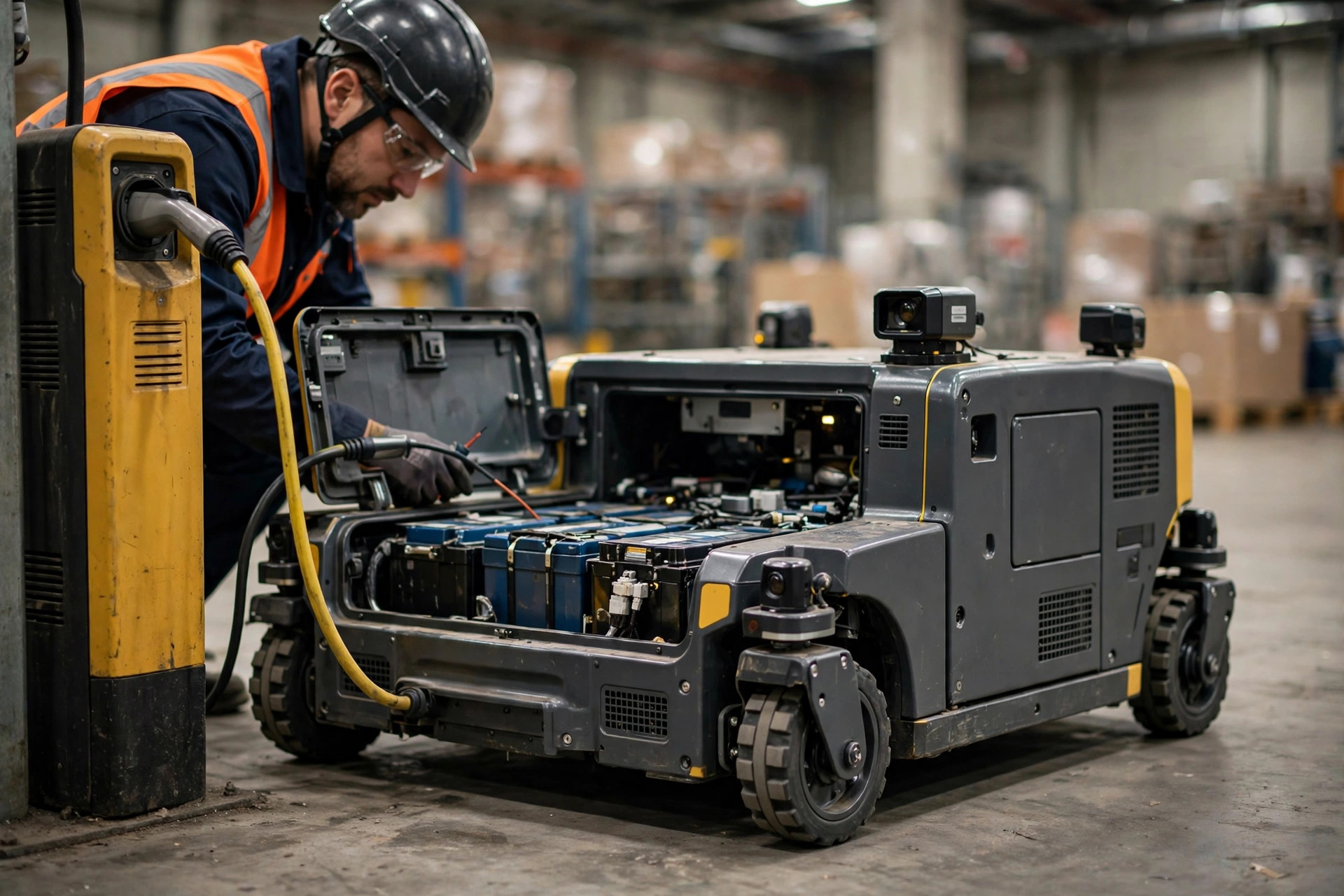
The biggest takeaway from that tour wasn't the table. It was one sentence from the engineer: "The biggest enemy of a battery isn't heavy use — it's wrong charging."
Shuttle batteries are lithium, and lithium hates two things: deep discharge followed by full recharge, every single day — that burns through cycle life fast; and sitting at 100% doing nothing — a fully charged battery under internal stress ages faster. What lithium actually loves is grazing: three or four small top-ups a day, never quite full. Public product data backs this up — lithium packs recharge in 2–3 hours and are rated for 3,500+ cycles, but only if you don't drain them to zero daily.
This hit home for me. Our forklift's lead-acid battery died exactly this way: drivers ran it until the red light blinked, then charged it overnight. Deep discharge sulfates the plates — we lost about a third of capacity in a year. So I made a house rule: plug in when you're down to about 30–40%, and the lunch break charge is mandatory. The drivers grumbled at first. Two months later the "dying" battery came back to life and lasted another year. The big warehouse's grazing strategy and our lunch-break forklift charge? Same principle.
One more detail: their system sets a "charge red line" per shuttle — below a threshold, the shuttle gets routed to a charger automatically, never waiting until it dies. We don't have a fleet management system, so I taped a note to our forklift: "Charge at three bars. Don't be a hero." Low-tech. Same result.
What a small warehouse can actually steal from this
Back to reality. For a warehouse that can't afford shuttles, the "swap or charge?" question has a very practical answer: neither — go with opportunity charging, because it's free.
Here's what we do now, for fellow small-warehouse owners:
Don't wait for the red light. Lead-acid or lithium, shallow cycling beats deep cycling every time. That's straight from the big-warehouse engineer, and confirmed by our battery's extra year of life.
Idle time is charging time. Lunch break, afternoon tea break — plug in and walk away. We worked it out: a 30-minute midday charge buys our forklift an extra hour-plus of afternoon work. That's a trade I'll take any day.
Two battery packs in rotation — the poor man's swap system. We eventually bought a second battery pack: one works while the other charges. It's the battery-swap strategy without the robot arm — our drivers do the swapping by hand. Result: the forklift has never stopped for a dead battery since. Cost? One battery pack. We can't afford their swap mechanism, but "keep a spare pack in rotation" is the same idea, minus the zeros.
Charge overnight on cheap power. Another tip from the engineer: they do full charges at night when electricity is cheapest. Our power bill is real money too. Switching to overnight full charges plus daytime grazing made a visible dent in the monthly bill.
On the drive home from Foshan, I kept thinking: we'll probably never own a shuttle ASRS. But every bit of thought those engineers put into batteries — how to charge without stopping work, how to squeeze two more years out of a pack, how to spend electricity wisely — is exactly the homework small warehouses do every day. Big companies have their solutions; we have our scrappy ones. Different roads, same destination.
Small warehouses have their own way of surviving: we can't afford the shuttle, but we can afford to charge smart.
By Xiao Ma, Small Warehouse Owner