Last September, my TikTok Shop Southeast Asia store in Indonesia pulled 900+ orders in a single 3-hour live session. Then my warehouse collapsed.
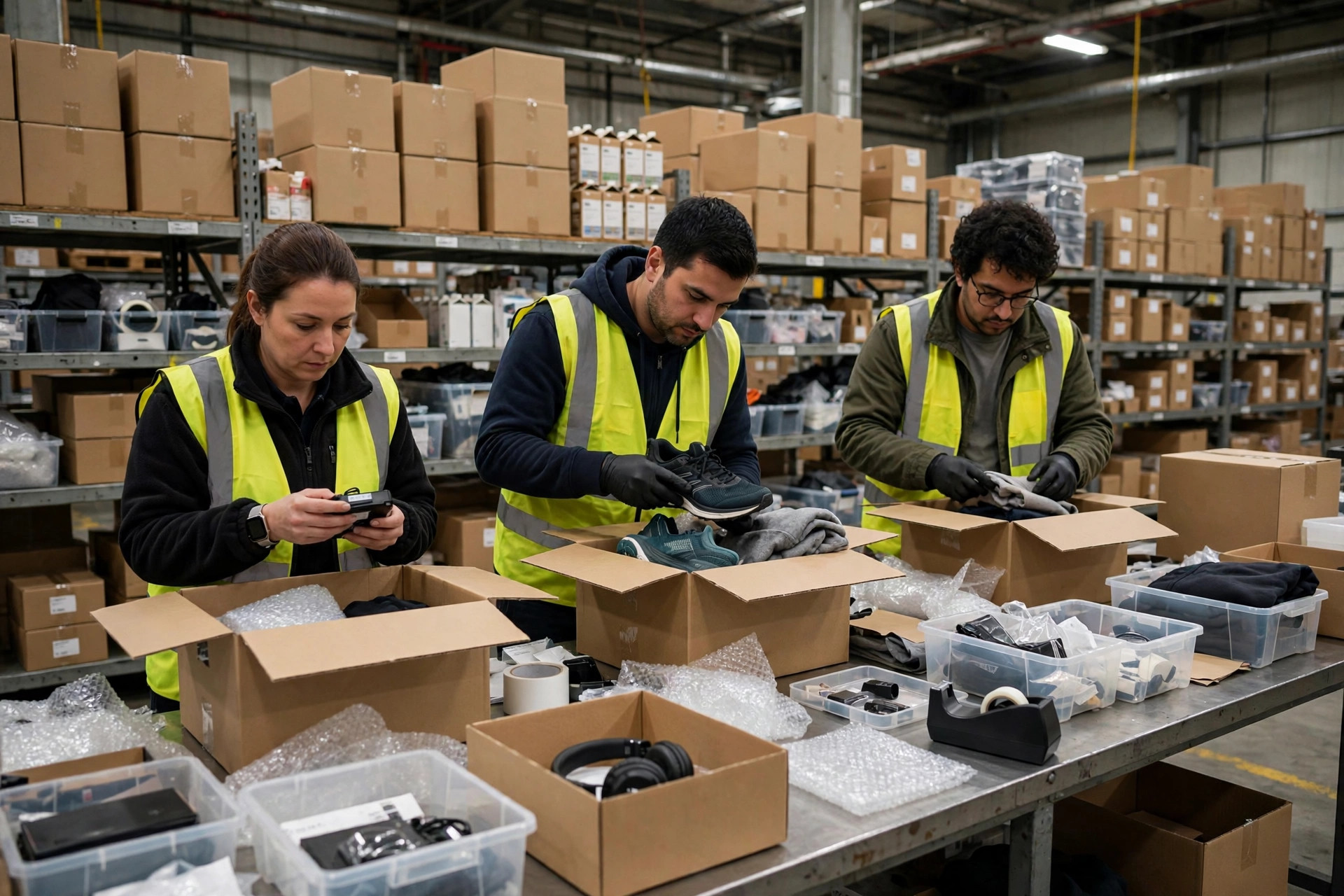
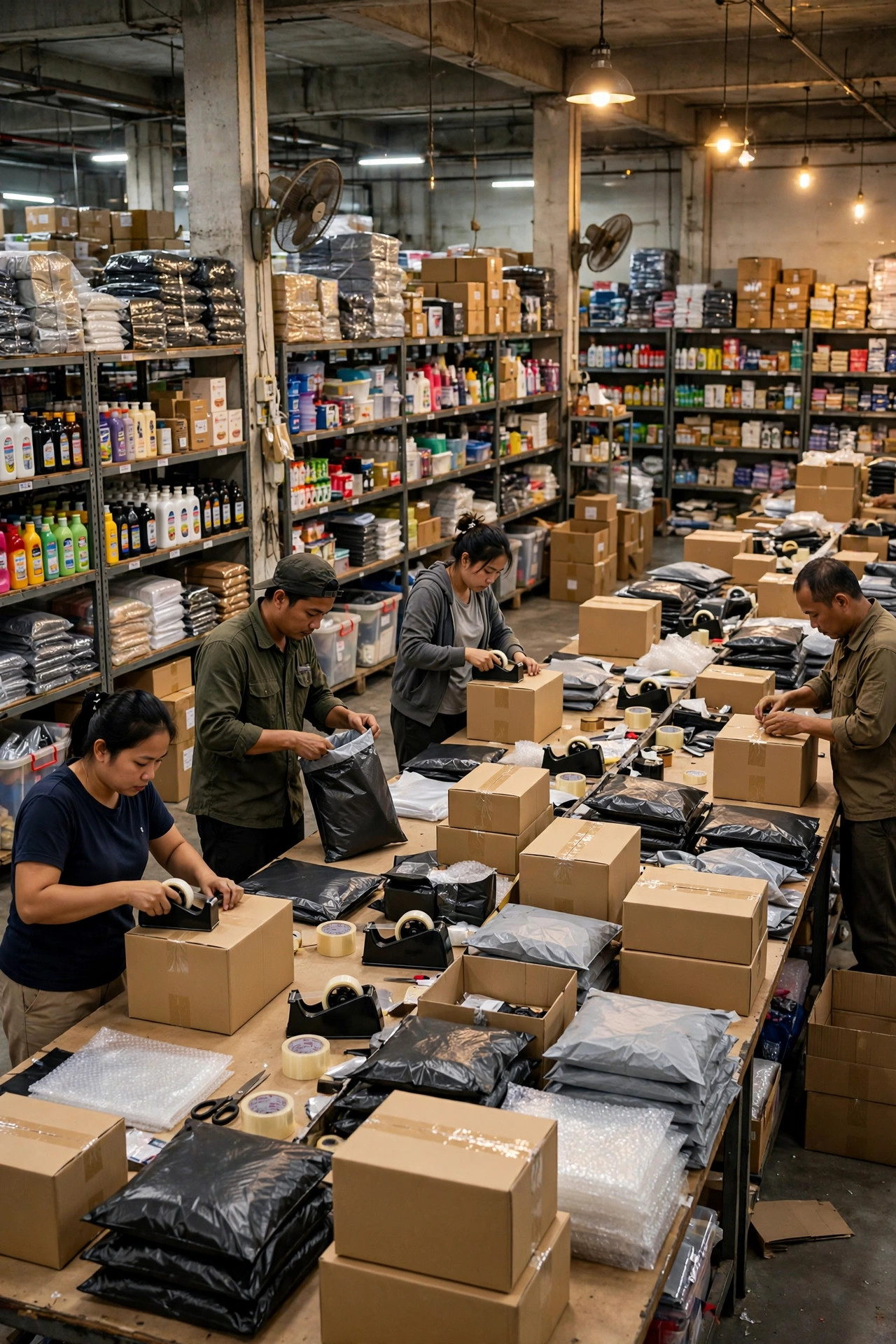
A normal day was 120 orders. We went live at 8pm, and 40 minutes in the orders started exploding. Three hours did a normal week's volume. Four packers worked until 1am and still had half the orders left the next morning. We missed the carrier pickup cutoff, shipped late, and got hit with a shop penalty. Half of what that live session earned went straight to tuition fees.
Here's the thing about TikTok Shop Southeast Asia nobody tells you upfront: orders don't come in evenly. They come in waves. If you staff and stock like it's Amazon — a nice steady 100 orders a day — you're dead.
TikTok Shop Southeast Asia Doesn't Do "Average Days"
Live commerce and shelf commerce are two different species. Amazon orders spread evenly across 24 hours. On TikTok Shop Southeast Asia, 70-80% of orders land inside live-streaming windows. I pulled the data on that Indonesia session: 70% of orders came between minute 40 and hour 2 — the host hit the hero product, dropped a coupon, and orders jumped by the minute.
So now my warehouse roster just copies the live-streaming calendar. That's it.
Live nights: packing crew runs 4pm to midnight, headcount set at 1.5x the projected order volume. Non-live days: two people handling daily orders and returns. Big promo lives (9.9, 11.11): book temp workers a week ahead. Temps are easy to find in Southeast Asia, but only if you book early — same-day hiring basically doesn't happen.
Let me talk numbers. A skilled packer does 40-60 parcels an hour. 900 orders means 15-20 labor hours. That night, 4 people for 5 hours gave us a theoretical capacity of 800 parcels. Sounds fine, right? Except meals, mislabeled parcels, and the system freezing ate into it — we actually packed 600+. The bloody lesson: always plan capacity at 70% of theoretical. The missing 30% belongs to reality.
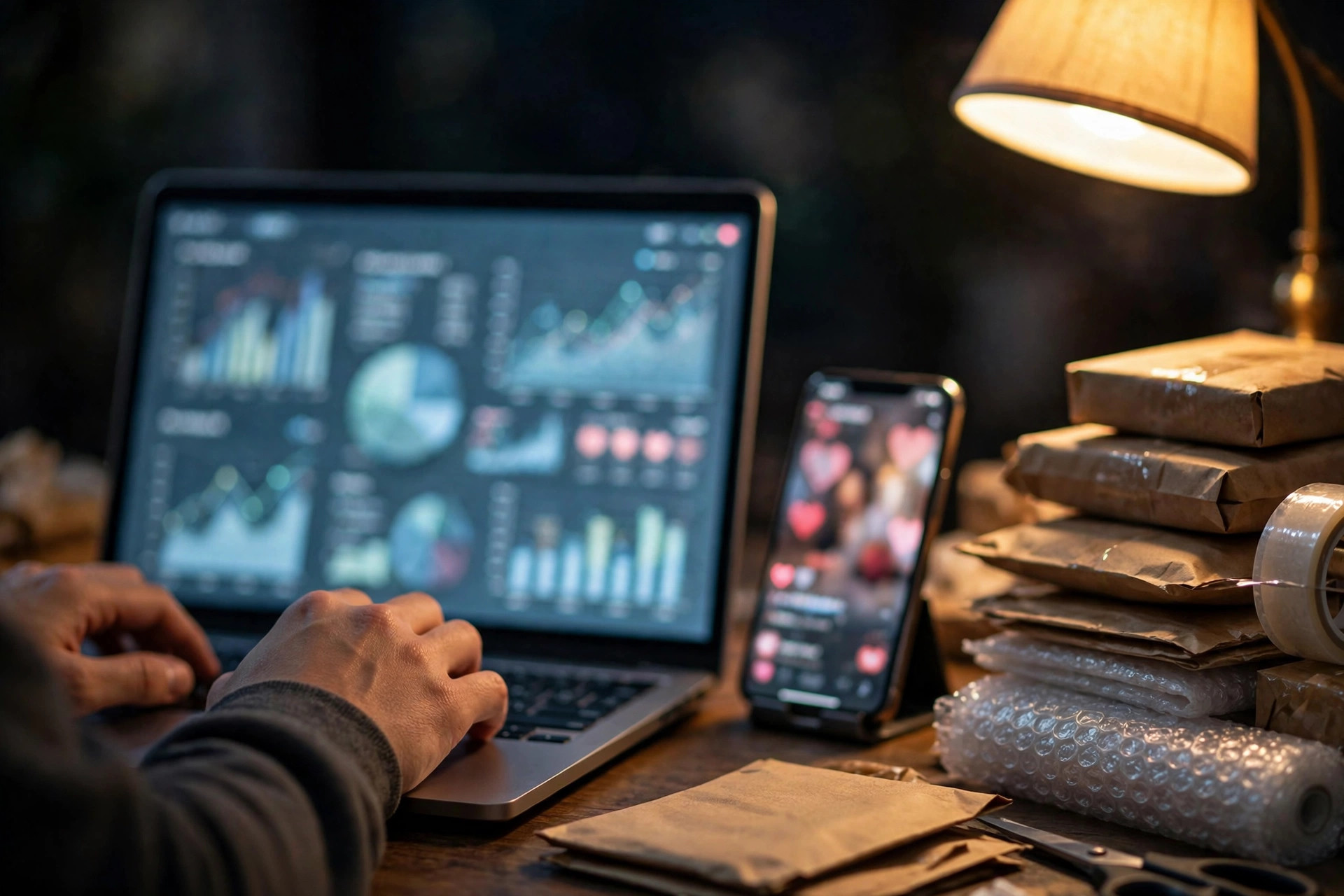
Watch out: TikTok Shop is brutal about ship-on-time. Late shipment and fake tracking numbers both cost you shop points, and serious violations get your traffic throttled. The catch? The SLA rules change all the time. Always check the seller center for the latest policy before a big live — never trust some old blog post. Two minutes of checking saves real money.
Forget Your US Playbook: Stocking Rhythm for SEA Local Warehouses
My dumbest move entering Southeast Asia: I air-freighted 2,000 units to a Jakarta overseas warehouse, straight out of my US FBA playbook. Then the live rhythm didn't play out like I guessed, one of my two hero SKUs flopped, and those 2,000 units sat there for two-plus months. Warehouse rent plus locked-up cash. It hurt.
The US and Southeast Asia need completely different stocking logic:
| US (FBA) | SEA local warehouse (TikTok Shop) | |
|---|---|---|
| Sales rhythm | Relatively steady daily | Live-driven, violent peaks and valleys |
| Batch size | Big batches, 1-2 months of cover | Small batches, restock every 2-4 weeks |
| Inbound lead time | Ocean freight takes a month plus | China to Jakarta/Bangkok by sea is about one to two weeks |
| Cost of stockout | Ranking tanks, slow bleed | Run another live next week, short-term pain |
| Cost of overstock | Storage fees hurt but turnover is predictable | Dead stock equals death, few local clearance channels |
Here's the counterintuitive part: in TikTok Shop Southeast Asia, stockouts are fine. Overstock kills you. In the US, a stockout murders your listing rank. In Southeast Asia, you run another live next week and the volume comes right back. But inventory sitting in a warehouse burns rent every day, and there are barely any local clearance channels (no outlet networks like the US) — you end up dumping it at a loss.
My stocking process now is three steps, working backward from the live calendar. One: grab next month's live schedule and count the sessions and hero SKUs. Two: stock 1.3x the historical average orders per session — the 0.3 is for when the host overperforms. Three: safety stock covers just 3 days of average daily sales. No more. More than that is gambling.
One more trap: COD. In Indonesia and the Philippines, cash-on-delivery orders can top 60% of the total, and my measured COD acceptance rate hovers around 80%. Translation: 1,000 orders only consumes 800-something units of inventory. Don't stock 1:1 against order count — discount it by your acceptance rate. Obviously this varies by market and category, so use your own shop's data.
Returns in Southeast Asia Are Brutal — Price Them In From Day One
Fashion category: my Indonesia return rate sits at 15-20% long-term. Same category on my US store: 8-10%. The reasons are honest ones — inconsistent sizing, "looked better on the live," and the COD "buy first, think later" mindset. Complaining doesn't help. That's the market.
My most expensive mistake: trying to ship the first batch of returns back to China. Do the math — a shirt selling for 149,000 rupiah (about nine bucks) costs more to ship back to China than the shirt itself. I wrote it off as tuition.
Here's how I run the returns warehouse now. Each market gets a local returns address — just use your overseas warehouse's returns service, no need to rent your own. Returned goods get triaged into three grades: Grade A (like new) goes straight back on the shelf; Grade B (damaged packaging) gets sold as "imperfect deal" items during live sessions; Grade C (actually broken) gets destroyed locally — don't get sentimental. The surprise? Grade B sells shockingly well on live. Southeast Asian shoppers love a bargain with a tiny flaw — sometimes it outsells the full-price version.
Now the math that matters: return costs must be baked into pricing upfront. Per-unit return cost allocation = return rate × per-return processing cost. My shirt: 18% return rate × roughly 20,000 rupiah processing per return = about 3,600 rupiah allocated per unit sold. Skip that 3,600 in your pricing and your month-end "profit" is pure fiction.
Warning: never tighten your return policy to fight the return rate. On TikTok Shop, the return experience feeds directly into your shop score and traffic. Choking returns is suicide. The right move is a generous return policy with the cost priced in. Tested it myself — it works.
COD: The Silent Killer of Your Fulfillment Math
Last topic: COD. If you only sell in the US and Europe, you might not feel this one. In Southeast Asia it's unavoidable — Indonesia, Vietnam, the Philippines — huge numbers of shoppers have no credit card and don't trust online payment. COD orders passing 50% is normal.
COD creates three very real fulfillment headaches. One: acceptance rates discount everything, so stocking and labor plans both need the haircut — covered that above. Two: rejected parcels come back needing re-inspection and re-shelving, and one rejected parcel's reverse cost is roughly outbound freight plus return freight plus one re-shelving labor — don't underestimate it. Three: Southeast Asia's addressing system is a mess. "Address unclear, phone unreachable" is the number one delivery failure reason, and every extra courier attempt adds a day to the timeline.
My countermeasures are embarrassingly simple, and they work. First: print the buyer's phone number big on the shipping label. Twice. Local couriers call first and read addresses second — always. Second: reinforce your packaging. COD parcels average one to two extra transits (rejection, rescheduling, redelivery), and a thin poly bag arrives torn — torn gets rejected, and the cycle feeds itself.
So here's the whole playbook in one line: don't bring your Amazon muscle memory to a live-commerce fight. Let order volume follow the live schedule, let staffing follow the volume, let stocking follow the live calendar, price return costs in upfront, and design every process assuming COD is the default.
Everything above, I tested myself — it works. Last 11.11, I stocked and staffed exactly this way: 2,000+ orders in one session, half shipped same-day, the rest cleared by noon the next day. Not a single shop point lost.
By Ah K, E-commerce Seller (5 yrs)