Customs exams are hitting harder this year, and every seller I know feels it. A buddy of mine selling outdoor gear had a 40-foot container held at the Port of Los Angeles last month for a full customs exam — 11 days. He nearly went out of stock right before the holiday rush. Amazon doesn't care why your container is stuck. Out of stock means your ranking tanks and your ad spend keeps burning anyway.
The platform game is already brutal enough. On the customs side, though, sellers actually have real leverage — if you do the work before the container ships. I've been through two exams myself. One cost me nearly two grand in "tuition." Here's the playbook that came out of it, and I now run every single container through it.
What a Customs Exam Actually Is (Know Your Enemy)
Customs exams come in tiers, and the difference between them is huge.
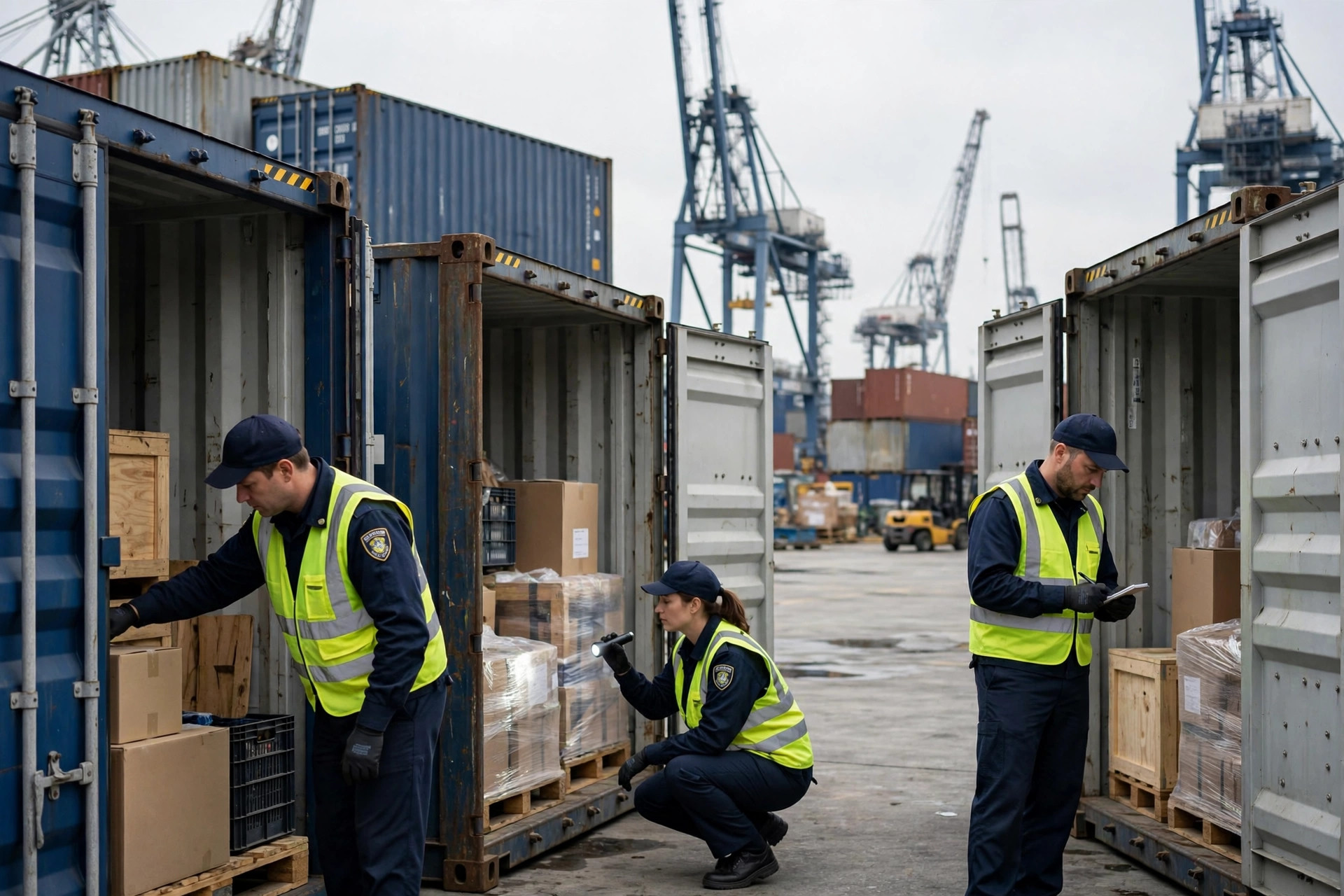
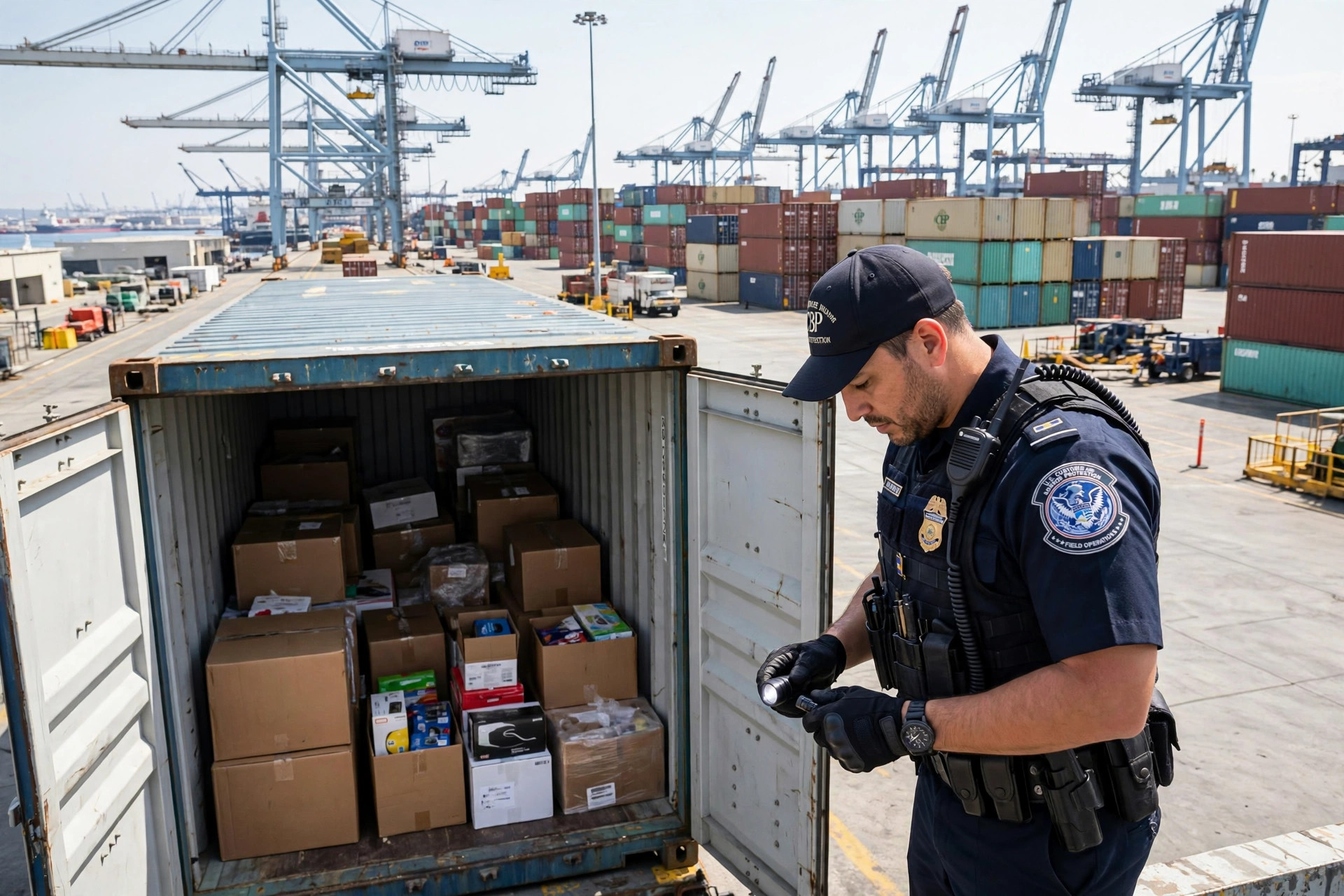
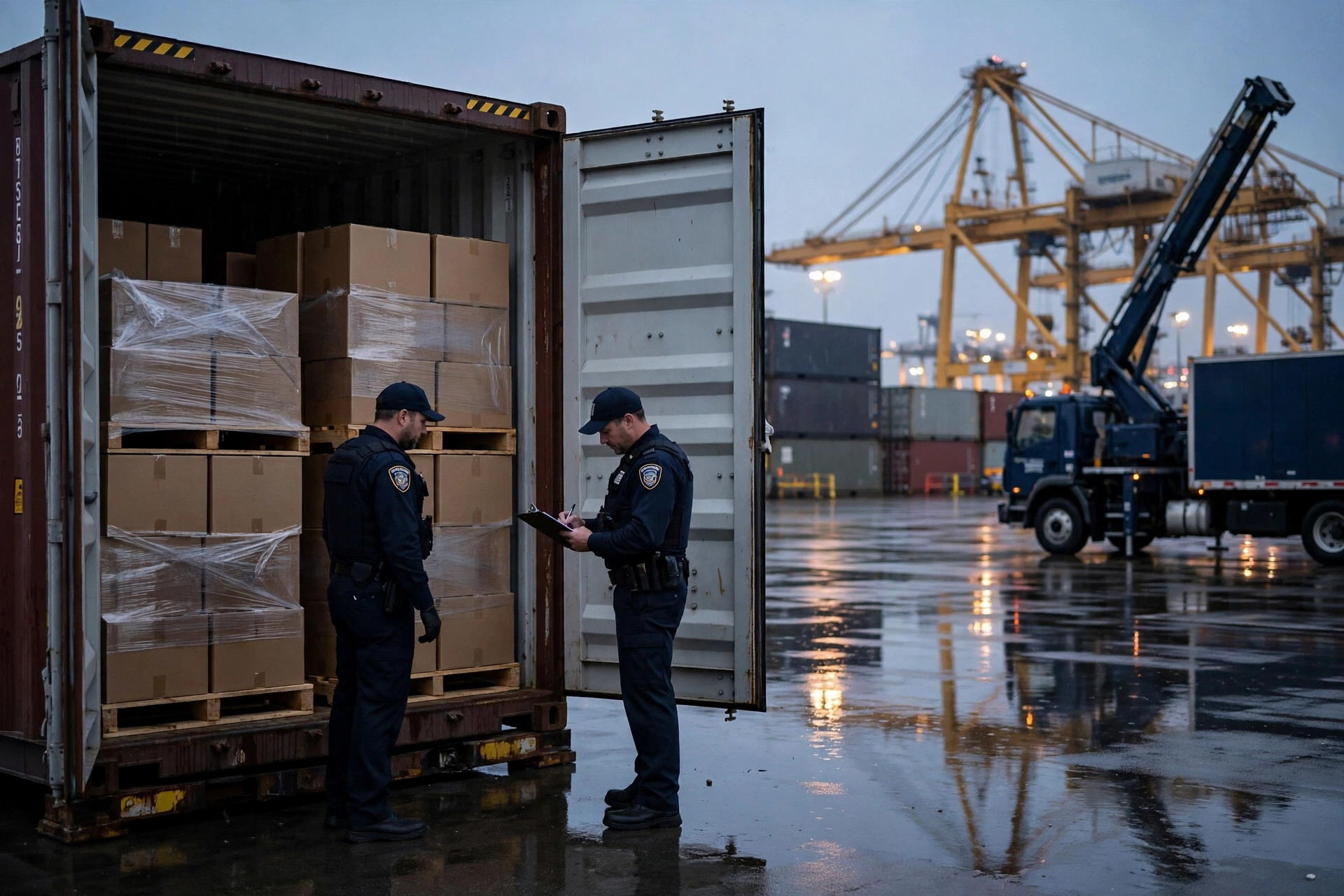
Tier one is the VACIS scan — your container rolls through a giant X-ray machine. Usually cleared in 1–3 days, costing roughly $150–$350. Annoying but manageable. Tier two is a tailgate exam, where officers open the doors and spot-check part of the cargo. Tier three is the intensive exam: your container gets hauled to a Centralized Examination Station (CES), gets fully unloaded, and every carton gets verified. Expect 5–7 days at minimum, sometimes stretching to two or three weeks, with exam fees running $1,000–$2,500 and up — before demurrage.
Here's the part that stings: CBP pays for none of it. The drayage to the exam site, the unloading labor, the demurrage ticking while your box sits — all on you, the importer. That's where the real pain lives.
The Time I Paid Tuition: Vague Cargo Descriptions
Back in September 2025, I had a container of home decor items arriving at LA. The commercial invoice and bill of lading listed the goods as "home decor." The customs officer took one look and flagged it — that description says nothing, which is the same as saying something's being hidden. Straight to a tailgate exam. Nine days held.
The bill: $980 in exam fees, $420 for drayage and handling, and four days of demurrage at $160 a day — another $640. Over two thousand dollars gone, plus nine days of lost selling time.
One lesson: cargo descriptions must be product-specific. "Home decor" gets you flagged; "ceramic tabletop vase" gets you waved through. CBP's targeting system profiles risk, and vague descriptions look like concealment.
Case Two: A First-Time Importer's Unlucky Break
A seller I know shipped his first-ever full container from China to the U.S. West Coast in March 2026 — small appliances worth a little over $40,000. First-time importers already get flagged at a much higher rate, and he stacked two more mistakes on top: his ISF filing went in about half a day late (the rule is 24 hours before vessel departure — miss it and the system lights up red), and his packing list was 30 cartons off from what was actually loaded.
Intensive exam. Full unload at the CES. Twenty-two days before release. Exam fees over $2,300, demurrage on top. He told me the moment his broker said "they're stripping the whole container," his blood ran cold.
Getting examined on your first shipment is practically a rite of passage. But there's a difference between an exam that runs its course and an exam that becomes an expensive disaster — and that difference is entirely in your prep work.
The Prep-Side Customs Exam Checklist: 10 Items Before Every Shipment
After two exams, I built this checklist. My warehouse and broker walk through it before every container ships:
| # | Check | How |
|---|---|---|
| 1 | Invoice/packing list match | Invoice, packing list, and B/L must agree on product name, carton count, weight, and value — line by line |
| 2 | Specific cargo descriptions | Product-level detail; ban vague terms like "parts," "accessories," "home decor" |
| 3 | Clear shipping marks | Every carton marked: product name, specs, quantity, carton number, country of origin; sealed in waterproof pouches |
| 4 | On-time ISF filing | Get docs to your forwarder 48 hours before sailing for buffer — never ride the 24-hour line |
| 5 | HS code review | Have your customs broker verify HS codes on every shipment; confirm duty rates against official policy |
| 6 | Certifications on file | For regulated products (electronics, children's items, etc.), keep copies with the shipment and digital backups |
| 7 | Loading photos | Photograph everything: empty container, half-loaded, fully loaded, seal number close-up; store in the cloud |
| 8 | Seal number recorded | Photograph the seal number, log it on the packing list and the B/L |
| 9 | Digital document package | Invoice, packing list, B/L, certs, loading photos in one folder — ready to hand over within 24 hours of an exam notice |
| 10 | Broker coordination | Confirm with your broker in advance who handles the exam response, response timelines, and estimated costs |
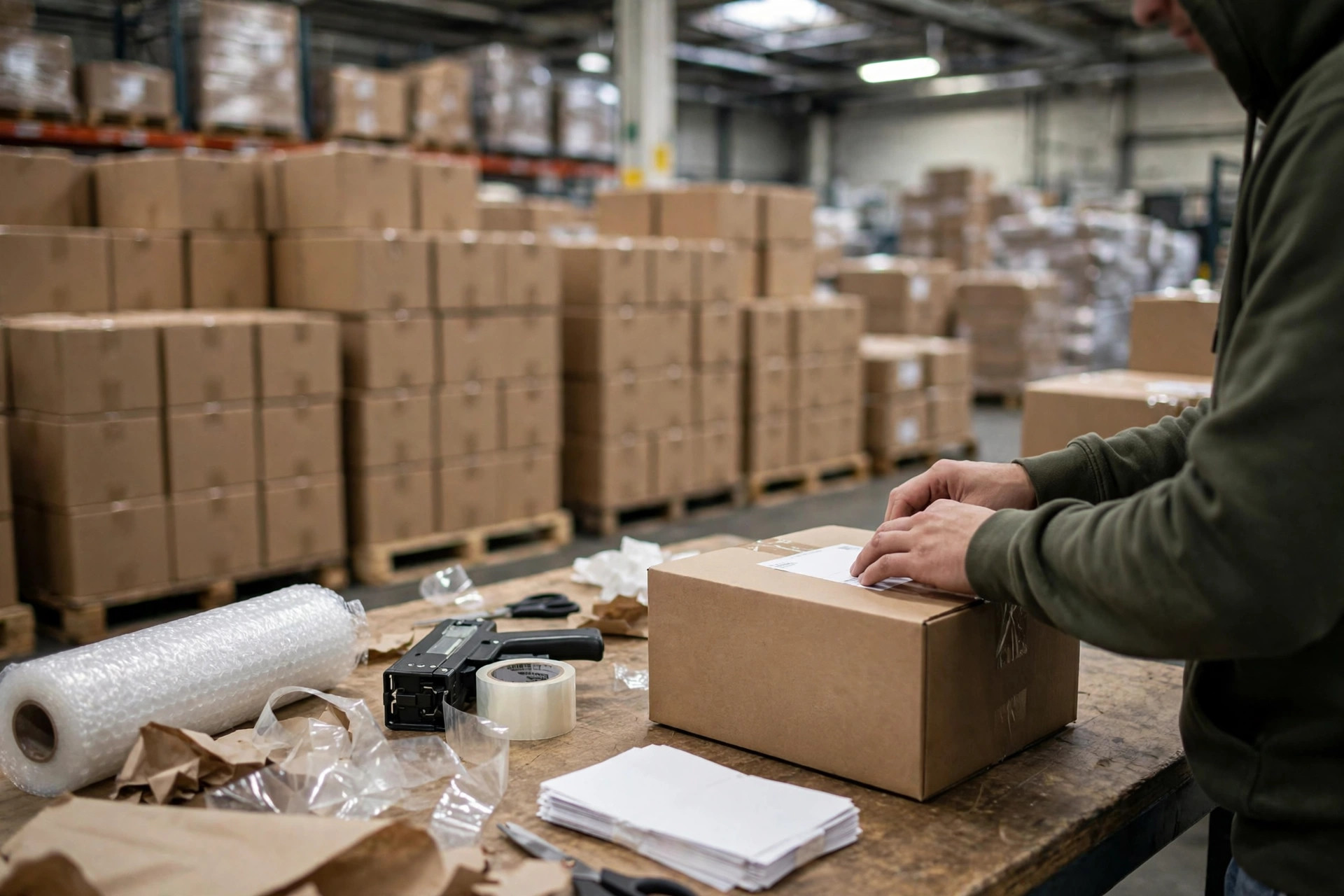
Item 9 deserves its own callout: when an exam notice lands, the first thing customs wants is documents, and you've got about 24 hours. I know more than one seller who lost an extra four days because their paperwork was sitting with the factory over a weekend.
The Real Math: What an Exam Costs and How to Budget for It
Most sellers budget ocean freight plus duty and call it a day. The exam "maybe-cost" never makes it into the budget. My rule now: reserve 3–5% of cargo value per container as an exam risk fund. If you get flagged, it comes from there. If you don't, it's profit.
Here's what one exam actually costs, broken down:
| Cost item | Typical range | Notes |
|---|---|---|
| VACIS scan | $150–$350 | Light exam, 1–3 days |
| Intensive exam | $1,000–$2,500+ | Includes CES unloading labor, 5 days minimum |
| Drayage to CES | $300–$600 | Hauling the container to the exam station |
| Demurrage | $100–$200 per day | Accumulates daily — the longer it sits, the worse it gets |
| Duty-related fees | Based on cargo value | MPF is 0.3464% of value (FY2026 floor $33.58, cap $651.50); ocean freight also carries 0.125% HMF — always confirm current official rates |
A 40-foot container held 10 days on an intensive exam easily clears $3,000 in total cost. That same money would pay a broker to triple-check the paperwork on twenty shipments.
The Counterintuitive Take: It's Not Getting Flagged That Hurts — It's Being Unprepared
A lot of sellers tell themselves, "My goods are legit, I have nothing to fear." Half right. Legit goods get held and billed exactly the same. CBP doesn't reimburse your demurrage because your cargo was clean. Exams aren't won on "are my goods legit" — they're won on "are my documents complete and my response fast."
And there's a trade-off most sellers never think through: spending half a day on document review and loading photos is a small, certain cost. Getting flagged unprepared is a large, uncertain one. That math always favors the prep work. I'd rather delay a shipment by one day to run the checklist than eat a surprise $3,000 bill.
Build in time buffers too. I used to plan holiday inventory 45 days out; now it's 60. In a year when exam rates are climbing, those 15 days are the difference between in-stock and out-of-stock. Amazon's ranking algorithm won't wait for your container.
Three final warnings: first, if a document has an error, never "fix" it to match the exam — declare honestly and amend; getting caught falsifying means seizure and a black mark. Second, don't hire the cheapest forwarder you can find — bargain forwarders are where ISF filings and paperwork go to die. Third, call your broker before peak season and confirm the exam response plan and who your contact is. Don't go looking for one after your container is already on hold.
This playbook is battle-tested. Since I started using it in late 2025, I've shipped 14 containers, got flagged once — a 2-day VACIS scan, documents submitted within 12 hours, not a dollar more than the base fee. On customs exams, the game is won at the prep side.
By Ah K, E-commerce Seller (5 yrs)